From cellar to cultural landmark: how architecture reframes wine tourism
Walk into a serious winery today and you are entering a cultural institution as much as an agricultural one. The shift in winery architecture heritage wine tourism means the building, the cellar design and the framed landscape now communicate intent long before any wine tasting begins. For business travelers stretching a september board meeting into an august vineyard weekend, the most revealing itinerary often starts with the façade, not the first glass of wine.
Alessia Antinori’s presidency of Primum Familiae Vini, with its theme of “Art, Architecture and Wine,” crystallizes this evolution by explicitly positioning the family winery as a cultural landmark shaped by centuries of artistic patronage and construction. Her own Antinori nel Chianti Classico estate, often described as one of the most admired works of wine architecture of this century, is not a showpiece building dropped into the hills but a terracotta ribbon embedded into the slope, where vineyards flow over the roof and the valley view is curated like a museum wine installation. That single design decision signals a philosophy of wine production that respects landscape first, and it sets a benchmark for wine lovers assessing which wineries merit a visit in a crowded global wine tourism map.
Across wine country, from Napa Valley to Rioja Spain, the most ambitious wineries now behave like wine capitals in miniature, commissioning architects to translate wine culture into concrete, corten steel and glass. This is not about spectacle alone ; it is about encoding terroir, history and winemaking choices into architecture that a first time visitor can read intuitively. When winery architecture heritage wine tourism is taken seriously, the result is a more coherent experience where the building, the vineyards and the wines all tell the same story.
Case studies in built terroir: Antinori, Coppo and the new Haut Brion
Antinori nel Chianti Classico is the clearest argument that architecture can be terroir made visible. The winery’s elongated design cuts into the hillside so that the vineyards, not the building, dominate the landscape, while two sculpted courtyards pull daylight deep into the cellar where wine production quietly continues. As you walk the descending staircases, the view shifts from olive groves and vineyards to barrel rooms and fermentation tanks, turning a simple visit into a layered wine tourism experience that explains why this family has pursued great wine for generations.
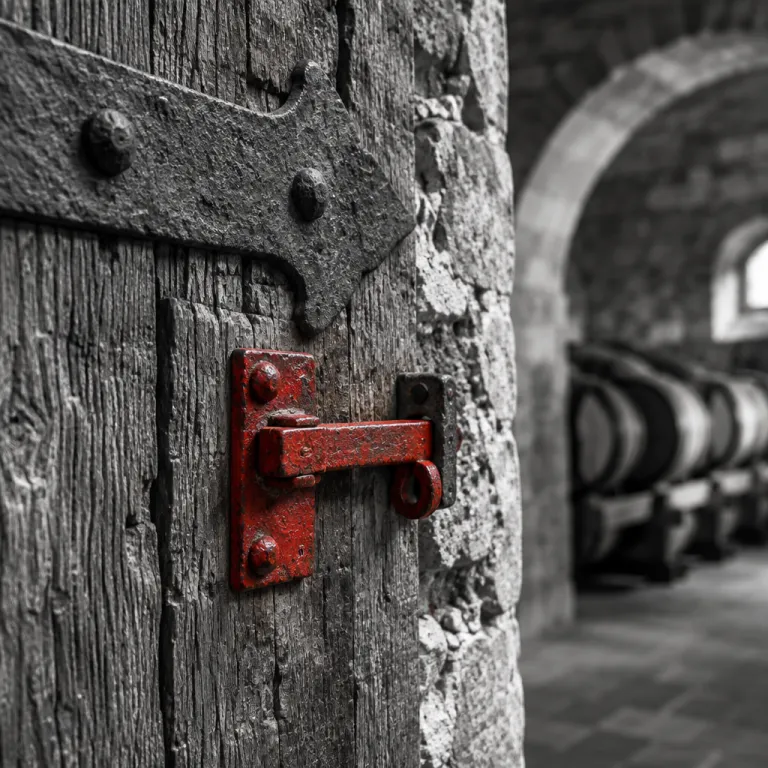
In Piedmont, Coppo Winery offers a different lesson in winery architecture heritage wine tourism through its UNESCO listed underground cathedrals carved 30 to 40 meters below the town of Canelli. These vaulted galleries, recently restored with new passages and enhanced visitor routes, function as both working cellars for sparkling wines and a museum wine environment where the brickwork, humidity and echoing corridors narrate a century of wine culture more vividly than any label. Here, architecture is absence as much as presence ; the fact that you barely see a building above ground underlines how deeply wine production is woven into the geology itself.
Looking ahead, Château Haut Brion’s new cellars by Annabelle Selldorf in Bordeaux will integrate two millennia of winegrowing history with interactive exhibitions, effectively turning one of the world’s most storied vineyards winery sites into a contemporary wine museum. The project exemplifies how top tier wineries now treat architecture as a primary medium for communicating heritage, not a backdrop for cabernet sauvignon and merlot tastings. For travelers planning a european valley itinerary by train and river ferry, estates like these pair naturally with car free wine trips through Alsace, the Douro and the Mosel, as outlined in this guide to visiting classic wine regions without a car.
When the architect is the winemaker’s loudest voice
Some of the most influential names in contemporary design have turned wineries into open air manifestos about what wine should be. In Rioja Spain, Frank Gehry’s shimmering titanium at Marqués de Riscal and Santiago Calatrava’s rippling Ysios roofline pioneered a new era of wine architectural ambition that made architecture itself a reason to visit. These buildings did more than attract tourism ; they reframed the region as one of the modern wine capitals, where avant garde design and traditional vineyards coexist in a single, photogenic view.
Across the Atlantic, Napa Valley has embraced winery architecture heritage wine tourism with equal zeal, from the sculptural terraces of Artesa Vineyards and Winery to the discreet hillside estates that hide their mass behind native plantings. At Artesa Vineyards, the low slung design, reflecting pools and framed valley landscape turn every approach into a curated experience that prepares you for a focused wine tasting of pinot noir and cabernet sauvignon. Here, the architecture, the tasting sequence and the art program function together as a kind of museum wine circuit, where each room and terrace adds another layer to your understanding of the wines.
For business leisure travelers, this means the smartest question is no longer simply which wine is pouring well in september or august, but which building best expresses the winery’s philosophy. A thoughtfully designed winery can tell you, before the first sip of wine, whether the estate prioritizes small lot wine production, large scale tourism or quiet, cellar driven research into global wine styles. When you choose visits based on architecture, you tend to find the estates that invest just as seriously in what goes into the bottle as in the walls that surround it, and those are the bottles worth the effort of arranging shipping your wine home from vacation.
How to read a wine estate like a museum, from Napa to the Rhône
Approach a winery the way you would a museum, and the signals become obvious. Start with the building’s relationship to its vineyards ; does the architecture sit above the vines like a monument, or does it sink into the slope, letting the vineyards and the valley define the first impression. In serious winery architecture heritage wine tourism, the most telling estates often choose humility, using earth sheltered design, restrained materials and carefully edited views to keep your attention on the landscape that shapes the wines.
Inside, pay attention to how your visit is choreographed, because a strong itinerary is a form of curatorial intent. Do you move from an elevated terrace view over the vineyards winery blocks straight into the fermentation hall, then down into the barrel cellar before any formal wine tasting begins, or are you rushed directly to a bar for a quick flight of wines. The former suggests a commitment to wine culture and education, while the latter leans toward volume tourism that treats wine as a simple product rather than the outcome of a complex place.
Finally, notice how the estate situates itself within wider wine country narratives, whether in Napa Valley, the Loire or Portugal’s Alentejo. Properties that reference other wine capitals, host temporary exhibitions, or collaborate with regional museum wine institutions tend to think in decades, not quarters, and that long view usually correlates with more thoughtful wine production and more ageworthy bottles. If you value architecture, landscape and gastronomy in equal measure, you will find the same sensibility in regions like Alentejo, where estates serve lunch under cork oaks and offer overnight stays, as profiled in this insider guide to Alentejo wine estates.
Key figures shaping architecture led wine tourism
- According to the Great Wine Capitals Global Network, wine tourism generates more than 15 billion euros annually across its member regions, and estates that invest in architecture and cultural programming report higher average visitor spend than those offering only basic tastings.
- Research from Napa Valley Vintners indicates that wineries with significant architectural or art features receive up to 30 percent more visitation than comparable properties without such investments, underlining how design now drives traffic in competitive wine country markets.
- UNESCO’s recognition of the underground cathedrals of Canelli, including Coppo Winery’s cellars, has contributed to double digit growth in regional tourism since inscription, demonstrating how heritage focused wine architecture can anchor sustainable, year round visitation.
- Surveys by regional tourism boards in Rioja Spain show that more than half of international wine lovers cite architecture and landscape as primary reasons for choosing specific wineries, placing design on par with grape varieties such as pinot noir and cabernet sauvignon in travel decision making.