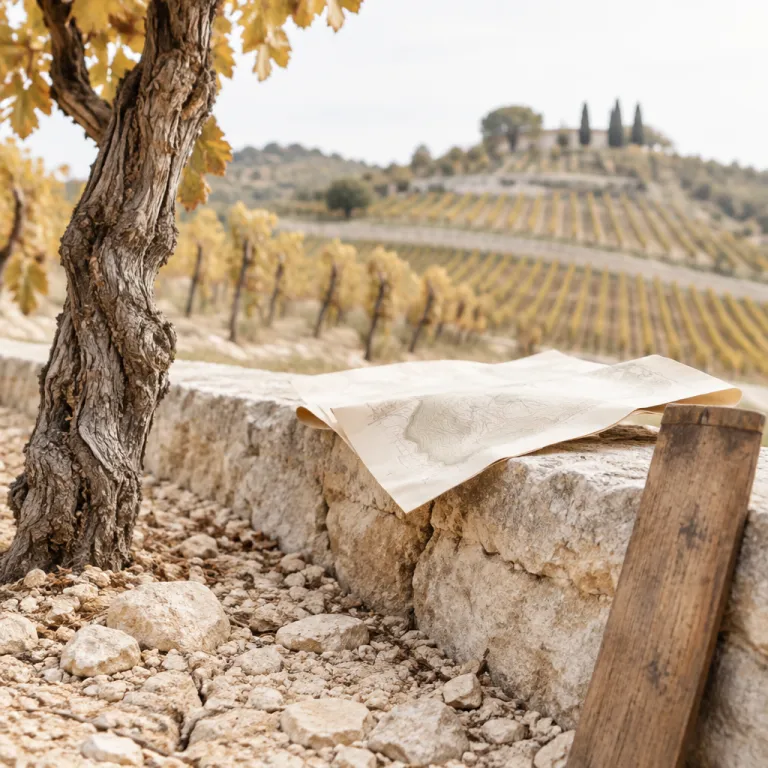
Why reading a wine region matters more than picking a famous name
Most wine enthusiasts start planning wine by naming a famous wine region, then realise on arrival that the vineyards and wineries are scattered in ways that make no sense. Understanding how to research wine region before travel means learning the structure of that region, so your wine trip becomes a coherent journey rather than a sequence of random tastings. When you treat wine travel as cartography and culture, not just a list of wineries to visit, every visit wine moment feels intentional and deeply grounded.
Think of any classic wine country in France, Italy or the United States ; the most rewarding wine destinations share one trait, they reward travellers who study their maps before booking. In Burgundy, the difference between a village appellation and a grand cru vineyard is only a few vineyard rows on the slope, yet the wine experience and the logistics of a wineries visit are completely different. The same is true in the Douro Valley, in the Finger Lakes or in Sonoma County, where one side of a valley can be dense with vineyards while the opposite bank is almost empty of open winery doors.
Learning how to research wine region before travel also protects your time, budget and palate. A well planned wine vacation in any wine regions lets you cluster wineries, minimise driving and build in recovery time between intense wine tasting sessions. That level of trip planning is what separates a rushed wine trip from a measured wine journey, where you can actually taste, take notes and connect each wine to its precise place in the country landscape.
Decoding appellations and classifications before you book a single tasting
Every serious wine region is built on an appellation system, and understanding that hierarchy is the first step in learning how to research wine region before travel. In Burgundy, a village wine from Gevrey Chambertin and a grand cru from the same commune share a postcode but not the same vineyard stakes, slope or expected visit experience. When you read the appellation map in advance, you can decide whether your trip focuses on broader regional wines, precise single vineyards or a mix that suits your budget and curiosity.
France, Italy and other European regions use protected designations to signal where wines come from and how they are made ; these labels are not just for lawyers, they are tools for wine travel planning. In southern France, for example, a Côtes du Rhône Villages wine might come from a wide area, while a named cru such as Gigondas or Vacqueyras points you to a compact cluster of vineyards where a wineries visit can be done on foot. The same logic applies in the Douro, where Douro Valley table wines and Port houses may sit in different parts of the valley, and in the Finger Lakes, where each lake shore forms its own cool climate wine country corridor.
New World regions use different language but similar ideas, and you should read them with the same care. In Sonoma County, American Viticultural Areas such as Russian River Valley or Dry Creek Valley tell you which creek valley or hillside you will actually drive through, and which winery styles dominate there. Before you confirm any wine trip, cross check the label terms on the wines you love with a detailed appellation map, then build your planning wine notes around those specific subregions rather than a vague regional name.
Using official wine routes and maps to shape your on the ground journey
Once you grasp the appellation hierarchy, the next step in how to research wine region before travel is to work with official wine route maps. Many classic regions publish detailed wine travel routes that show not only vineyards and wineries but also villages, river crossings and scenic viewpoints. These maps turn an abstract wine region into a drivable or bikeable network, where each wineries visit can be sequenced logically along a valley or ridge.
In France, the Alsace Route des Vins, the Champagne tourist routes and the wine roads of southern France are excellent examples of how a country can curate wine culture for visitors ; they highlight where tasting rooms cluster and where gaps in services might stretch your journey. Portugal’s Douro Valley routes do something similar, tracing the river bends and showing which quintas open for wine tasting, overnight stays or simple vineyard walks. In the United States, Sonoma County and the Finger Lakes publish maps that distinguish between production zones and visitor friendly corridors, which is crucial for realistic trip planning.
Digital tools now complement these official maps in powerful ways. Use Google Maps satellite view to scan any wine region for vineyard density, then overlay official wine routes to see where your wine vacation days will feel rich with options and where the drive between wines will be long. For car free wine travel, regional transport maps and curated guides such as this car free Alsace, Douro and Mosel itinerary help you align train lines, river ferries and cycling paths with the wine regions you want to explore.
Production zones versus visitor zones: where the open doors really are
One of the most overlooked aspects of how to research wine region before travel is distinguishing between where wine is produced and where visitors are actually welcomed. A prestigious wine region on a label does not guarantee a dense cluster of tasting rooms or an easy wineries visit experience. Some of the most famous wines in France and Italy come from estates that receive only trade visitors, while neighbouring regions quietly host relaxed wine tasting rooms and vineyard walks.
Take the Douro as a case study ; the steepest, most dramatic slopes of the Douro Valley are often dominated by working vineyards with limited hospitality infrastructure, while certain riverfront villages concentrate visitor friendly quintas and restaurants. In Sonoma County, Dry Creek and Russian River Valley both produce benchmark wines, yet the layout of roads, creek valley crossings and town centres means that one area may suit a casual wine trip while the other rewards more meticulous planning wine efforts. The Finger Lakes show a similar pattern, where some lake segments are lined with accessible wineries and others remain largely agricultural with few open doors.
To read these patterns before your journey, combine official tourism board information with satellite maps and local forums. Look for clusters of winery pins, then cross check which of those wineries explicitly mention wine tasting, food pairings or a structured wineries visit on their websites. This is also where long form regional pieces, such as analyses of why the family estate often offers deeper wine culture than corporate tasting rooms, for example in this guide to multigenerational estates, can help you prioritise which parts of wine country deserve more of your limited time.
Reading winery websites like an insider, not a first time visitor
Once you have chosen your target wine regions, the real work of how to research wine region before travel begins on individual winery websites. These pages are full of coded signals about the style of wine experience on offer, the expectations around appointments and the likely rhythm of your day. Learning to interpret this language turns a generic wineries visit into a tailored encounter that matches your curiosity and comfort level.
When a winery states “by appointment only”, it rarely means you need months of lead time ; in many regions, especially in southern France or smaller parts of Italy, it simply signals that the winemaker wants to control visitor flow and protect cellar work. Tasting fees tell their own story, with higher fees often indicating seated, educational wine tasting flights, while modest fees or refundable charges suggest a more casual counter style visit wine stop. Phrases such as “estate grown” point to vineyards owned and farmed by the winery, whereas “négociant” or “merchant” models indicate that grapes or wines are sourced from across the region, which can still be fascinating if you are studying broader wine culture.
Cross reference these website cues with community tools such as Vivino or CellarTracker, where tasting notes and ratings can help you prioritise limited time slots on your wine vacation. Plot each chosen winery on your map, then group them by valley, creek valley or hillside to avoid backtracking and fatigue during your wine trip. For deeper context on how some winemakers operate across borders and regions, pieces like this report on itinerant “flying winemakers” can also shape which producers you seek out in each country.
Seasonality, calendars and the timing that shapes your wine journey
Even the best mapped wine region will disappoint if you ignore the calendar, so timing is central to how to research wine region before travel. Harvest, local holidays and festival seasons can transform a quiet valley into a crowded corridor or, conversely, leave you facing closed cellar doors. Your goal is to align your wine travel with the level of activity and access that suits your temperament.
In France and Italy, harvest typically runs from late summer into early autumn, but the exact time varies by region, altitude and grape variety ; during this period, some wineries pause visits while others offer rare behind the scenes access to working vineyards. The Douro Valley, with its steep terraces, can be particularly intense at harvest, when grape picking and lagar foot treading dominate the schedule, making spontaneous wineries visit plans risky. In cooler regions such as the Finger Lakes or higher parts of Sonoma County, harvest may come later, and winter can bring a quieter, more contemplative wine tasting atmosphere with more time to talk to winemakers.
Before finalising any wine vacation, check regional tourism board calendars for wine festivals, marathon weekends or national holidays that might affect your journey. Build in non winery days for exploring villages, markets or river walks, especially in scenic wine destinations like southern France or the Douro, where landscape is part of the wine experience. This balance ensures that your trip planning respects both the agricultural rhythm of wine country and your own need for rest between concentrated wines and long drives.
Practical tools and a step by step method to read any wine region
Bringing all these elements together, you can create a repeatable method for how to research wine region before travel, whether you are heading to France, Italy, Portugal or the United States. Start by listing the specific wines you already enjoy, then note their appellations, subregions and any mention of valley names or vineyard designations. This anchors your planning wine work in real bottles rather than abstract reputation.
Next, obtain both an official regional map and a detailed road map, then overlay them mentally or digitally ; mark clusters of vineyards, towns with accommodation and the main routes that connect them. Use Google Maps satellite view to confirm where vineyards actually line the hillsides, and where gaps in planting suggest less immersive wine country scenery during your journey. At this stage, shortlist two or three micro regions within the broader wine region, such as a specific creek valley in Sonoma County, a stretch of the Douro Valley or a single lake shore in the Finger Lakes, and focus your wine trip there instead of trying to cover the entire country.
Finally, select a realistic number of wineries per day, usually three structured visits with time for lunch and unscheduled stops, and book them in a logical geographic order. Keep one slot open for a spontaneous wineries visit recommended by a winemaker or sommelier, which often leads to the most memorable wine culture encounters. When you repeat this process across different regions and future trips, you will find that your wine travel becomes less about chasing names and more about reading landscapes, timing and human stories with increasing fluency.
Key figures that shape smart wine region research
- France counts more than 360 officially recognised appellations across its wine regions, which means that reading labels and maps is essential for understanding where a wine truly comes from and how concentrated your potential visits will be in any given area (data from Institut National de l’Origine et de la Qualité).
- Sonoma County hosts over 425 wineries spread across 18 American Viticultural Areas, so clustering visits by AVA such as Russian River Valley or Dry Creek Valley can reduce driving time by several hours over a three day wine trip (figures from Sonoma County Vintners).
- The Douro Valley’s demarcated wine region stretches for roughly 100 kilometres along the Douro River, and travel times between quintas can easily exceed 60 minutes if you do not group visits by subzone such as Baixo Corgo or Cima Corgo (information from Comissão Vitivinícola Regional Duriense).
- The Finger Lakes region includes more than 130 wineries around its main lakes, yet visitor surveys show that most travellers only manage to visit 8 to 12 wineries on a typical long weekend, underscoring the need for focused trip planning (data from Finger Lakes Wine Alliance).
- In many European wine destinations, including parts of southern France and Italy, wineries report that up to half of their annual visitors arrive during a three month peak season, which makes advance research into opening hours and appointment policies critical for securing tastings (figures from regional tourism boards).
FAQ about researching a wine region before you travel
How far in advance should I start researching a wine region?
For popular wine destinations, start researching at least two to three months before your planned travel dates. This gives you time to understand the appellation structure, study maps and secure key winery appointments before peak season fills up. For quieter regions or off season trips, four to six weeks is usually enough, provided you remain flexible with specific wineries.
How many wineries should I plan to visit in one day?
For most travellers, three wineries per day is the upper limit for meaningful visits that include tastings, conversations and some time in the vineyards. Two structured tastings plus one flexible stop often works best, especially in regions with longer driving distances such as the Douro Valley or Sonoma County. Trying to visit more than four wineries in a day usually leads to palate fatigue and rushed experiences.
What is the best way to choose which subregions to focus on?
Begin with the wines you already enjoy and trace their appellations back to specific subregions, valleys or lake shores. Then use official maps and satellite views to identify where vineyards cluster and where visitor infrastructure, such as tasting rooms and restaurants, is strongest. Prioritise one or two compact subregions rather than spreading your time thinly across an entire country level wine region.
Do I really need appointments, or can I rely on walk in tastings?
Appointment policies vary widely between regions and even between neighbouring wineries, so research is essential. In many parts of Europe, especially in smaller family estates, appointments are expected, while in some New World regions walk in tastings remain common but can still be crowded on weekends. Checking each winery’s website and contacting them directly when in doubt ensures you are welcomed and not turned away at the cellar door.
Which digital tools are most useful for planning a wine trip?
Google Maps, especially in satellite mode, is invaluable for visualising vineyard density and planning driving routes between wineries. Community platforms such as Vivino and CellarTracker help you gauge producer quality and style, while regional tourism board sites provide up to date information on opening hours, events and seasonal closures. Combining these tools with official appellation maps gives you a comprehensive view of any wine region before you arrive.