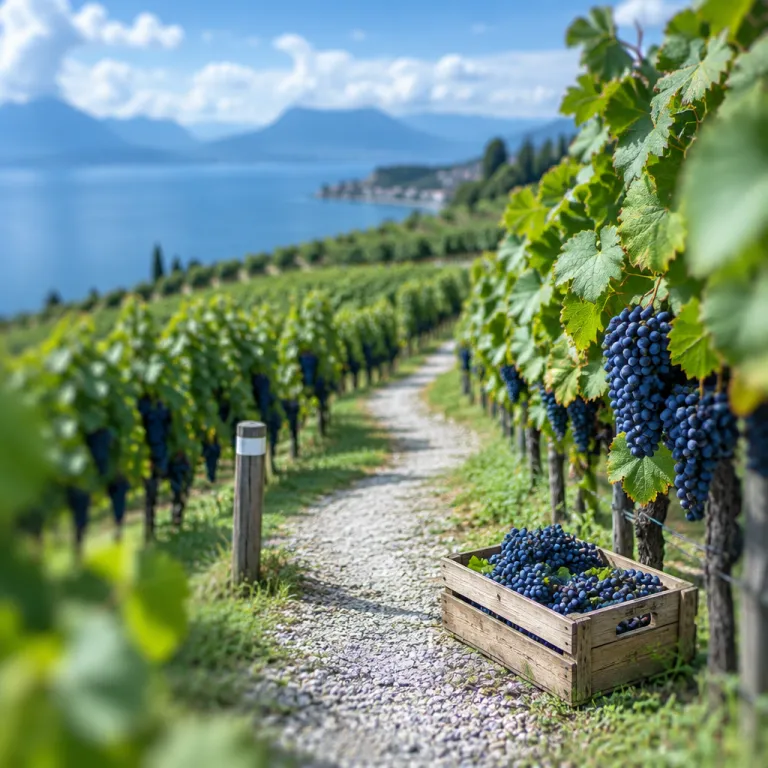
Why October vineyards are at their most photogenic
October is the moment when a fall foliage vineyard walk in October wine country becomes pure theatre. The geometry of vineyards creates parallel lines and diagonals that intensify fall colors, while different grape varieties turn at different speeds so each hill and valley becomes a patchwork of gold, amber and crimson. In the best wine region landscapes, you see green cover crops, dark earth and bright leaves layered together in a way that no other time of year can match.
Walk through family vineyards and you notice how pinot noir leaves flame red beside paler chardonnay, so the vineyard and winery blocks read like a painter’s palette from a distance. Many estates leave a few rows unpicked for late harvest, which means clusters of wine grapes still hang beneath the foliage as you move between one tasting room and the next. This is also when scenic drives between town and country feel most cinematic, because every hill winery road is framed by fall foliage and long, low light.
For photographers, this season rewards patience and timing during any autumn vineyard walk in October wine country. Morning mist in northern California valleys or European river gorges lifts slowly, revealing vineyards and wine cellars in soft focus before the sun sharpens every row. Aim for golden hour between late afternoon and early evening, when scenic views from a park overlook or a glen above the vines glow and even casual walk-ins at tasting rooms feel like part of a carefully staged scene.
California’s October palette: Sonoma, Napa and northern hills
In northern California, a fall foliage vineyard walk in October wine country is defined by contrast between rugged hills and manicured rows. Sonoma County stretches from cool coastal valleys to warmer inland slopes, so fall colors arrive in waves as you move from one town to the next over a three-day stay. Start in the Russian River Valley, where pinot noir vineyards near Armstrong Redwoods State Natural Reserve turn deep burgundy against evergreen forest, then follow the road towards Healdsburg for some of the best scenic drives in the region.
Sonoma wineries tend to feel more rural and low key, with family vineyards tucked along back roads where walk-ins are sometimes still possible outside peak weekends. Many tasting rooms here lean into food-and-wine pairings built around local cheese, mushrooms and late season produce, which makes a mid-day stop as compelling as any formal dinner. From a hill above Dry Creek, you can look across a mosaic of vineyard and winery parcels, each block catching the light differently as the time of year shifts towards shorter days.
Cross the Mayacamas range and Napa Valley offers a more concentrated version of October color, with vineyards climbing both sides of the main road. The most photogenic route runs from Carneros up to Calistoga, where you can structure a three-day itinerary around morning walks in the vines, a mid-valley park picnic and late afternoon visits to architecturally ambitious tasting rooms. For a curated overview of the prettiest estates and their tasting room experiences, use this elegant guide to the prettiest wineries in Napa Valley as your planning backbone.
Old World vineyard walks: Burgundy, Piedmont, Mosel and Douro
Across the Atlantic, a fall foliage vineyard walk in October wine country takes on a different rhythm, shaped by centuries of parceling and stonework. In Burgundy, the Grands Crus trail between Gevrey-Chambertin and Santenay threads through some of the most storied pinot noir vineyards on earth, where low stone walls and tiny village streets frame every view. Harvest usually winds down by this time of year, so you can walk the paths between vineyards and wine cellars with fewer tractors on the track yet still sense the energy of a season just finished.
For a deeper dive into how these slopes work, from soil to cellar, anchor your planning with this immersive guide to the Burgundy Grand Cru vineyards. South in Piedmont, the Langhe hills around Barolo and La Morra turn a luminous gold, while white truffle season overlays the landscape with a food-and-wine focus that is hard to match anywhere else. Here, vineyard and winery parcels cling to every hill, and walking routes often link one hilltop town to another, with scenic views over fog-filled valleys that slowly clear as the day warms.
Germany’s Mosel Valley offers a more vertical drama, with Riesling vines planted on slate terraces that plunge towards the river in tight curves. The Moselsteig trail follows the river for hundreds of kilometres, but even a single-day section delivers steep climbs, panoramic park-like viewpoints and close contact with working vineyards where walk-ins at small tasting rooms still happen. In Portugal’s Douro Valley, terraced family vineyards rise in amphitheatre shapes above the river, and October brings softer light, cooler evenings and fall colors that ripple across the hills in bands of yellow and rust, especially around classic quintas with historic wine cellars such as those highlighted in the story of Beaulieu Vineyards’ stone cellars reopening.
Designing your October itinerary from San Francisco to the vines
For many American travelers, a fall foliage vineyard walk in October wine country starts with a flight into San Francisco and a rental car pointed north. From the city, you can reach Sonoma County in under two hours via US-101 or Highway 37, which makes a three-day loop through northern California wine country entirely realistic for a long weekend. One smart pattern is to spend the first day in Sonoma, the second in Napa Valley and the third exploring a quieter hill winery area such as Sonoma Valley or the Anderson Valley further north.
Build your days around walking, not just tasting, so you actually inhabit the vineyards rather than only their tasting rooms. Early in the morning, head to a state park or local trail that cuts through or above the vines, then book a late-morning tasting room appointment at a winery known for pinot noir or cool-climate wine styles. After a relaxed food-and-wine lunch in a nearby town, use the softer late afternoon light for a second walk among the rows or a slow drive along back roads that offer the best scenic views.
Practicalities matter in this terrain, especially at this time of year when rain can turn vineyard paths slick. Pack shoes with real grip for unpaved tracks, a light waterproof layer for passing showers and a camera or phone with enough battery for long days between wine cellars and hilltop viewpoints. Many wineries now require reservations rather than pure walk-ins, even if they are open year round, so treat your tasting schedule with the same care you give to flights and hotels, leaving space for one spontaneous visit each day.
FAQ
When is the best time in October for vineyard walks
The middle of the month usually offers the most reliable mix of fall colors and comfortable temperatures in both European regions and northern California. Early October can still feel summery in some valleys, while late October sometimes brings heavier rain that makes vineyard paths muddy. Always check recent weather and regional tourism or harvest updates for the specific wine region you plan to visit, because harvest dates and foliage timing shift slightly each year.
How many days do I need for a fall vineyard trip
A three-day itinerary works well for a focused visit to one valley such as Napa, Sonoma or the Mosel. If you want to combine two wine regions in a single journey, plan at least five to seven days so you are not rushing between tasting rooms and scenic drives. Couples who enjoy slower travel often stretch an October trip to ten days, adding rest days in a town or park between vineyard walks.
Do I need reservations for tastings during October
In most major wine regions, October weekends are busy, so reservations are strongly recommended for popular wineries. Smaller family vineyards sometimes accept walk-ins on weekdays, but capacity in each tasting room is limited and staff need to manage service quality. When in doubt, email or call ahead, especially if you are driving from San Francisco or another city for just one day.
What should I wear for an October vineyard walk
Layering is essential because mornings can be cold and misty while afternoons warm up quickly among the vines. Choose shoes with good traction for unpaved vineyard tracks, and avoid smooth-soled city footwear that becomes slippery on wet soil. A light waterproof jacket, a hat and a small daypack for water and snacks will keep you comfortable between winery visits and park viewpoints.
Are October vineyard walks suitable for less experienced hikers
Most vineyard walks in wine country are moderate rather than technical, with well-marked paths and gentle gradients. Routes in steeper areas such as the Mosel or Douro valleys require more fitness, but you can always choose shorter sections that still offer strong scenic views. If you are unsure, ask at a local tourism office or tasting room for a recommended loop that matches your comfort level.