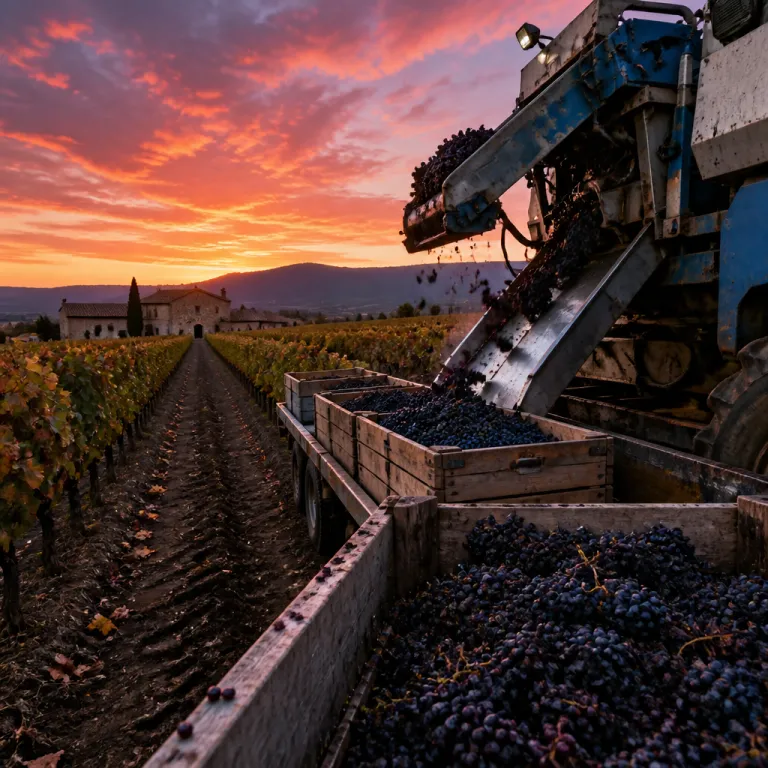
Why september is the real best time for wine travel
September is the quiet, golden window when wine travel finally breathes. For many wine focused travellers, this is the september wine travel shoulder season vineyard moment when serious cellars open up, prices soften and the landscape shifts from bright summer green to the burnished tones of early autumn. You feel the harvest energy in the air, yet you still enjoy long daylight hours and comfortable temperatures for every visit.
Across Europe and North America, flight prices between early and late september typically fall around twenty five to forty percent below the july august peak. That drop makes transatlantic travel to wine regions such as the Loire Valley, Burgundy, Tuscany or the Douro Valley far more appealing for couples planning a refined wine tour with several tastings. The same pattern often repeats again in early october, so the best time for a long weekend in wine country stretches from mid september into the quieter weeks of that month and beyond.
Weather is another reason this season outperforms high summer for vineyards. In Italy and southern France, daytime temperatures hover in the mid twenties Celsius, which is the sweet spot for a slow walk through a valley of ripening grapes without the oppressive heat of late summer. This is the ideal time visit working vineyards, because the wine harvest is either beginning or in full swing, and you can watch pickers move through the rows while you taste the estate’s wines beside the cellar door.
Crucially, september and october are when wine regions feel most authentic to travellers who care about more than just a pretty view. Growers are focused on harvest season decisions, from when to bring in cabernet franc in the Loire to how late they can leave Sangiovese on the vine in Tuscany, and you witness those calls in real time. That immediacy turns a standard wine tasting into a deeper wine focused conversation about climate, soil and style, which is exactly what this september wine travel shoulder season vineyard period should deliver.
Tuscany, Burgundy and the Loire Valley: harvest season with room to breathe
Tuscany is the headline act for many couples planning harvest travel, and with good reason. From early september through mid october, the region’s vineyards move from picking early ripening grapes to the prestigious Brunello di Montalcino harvest, which usually comes last and draws a global crowd of wine focused travellers. If you time visit dates for late september, you often catch both the tail end of summer warmth and the first serious wine harvest activity in the hills around Montalcino and Montepulciano.
In Burgundy, the scale is smaller and the experience more intimate, which suits this september wine travel shoulder season vineyard rhythm perfectly. Picking teams of eight to fifteen people work single vineyards, and it is common for visitors to join for a morning, then sit down to a village harvest dinner that can run until midnight. Those evenings, with simple wines from the same valley poured alongside local dishes, show why this is the best time for travellers who want to understand how a wine country really functions.
The Loire Valley offers a different kind of elegance, stretching along the Loire river from Sancerre to the Atlantic. Here, cabernet franc in appellations such as Chinon and Bourgueil often comes in during late september or early october, while white grapes for sparkling wines may be picked earlier in the season. Because the region is spread out, plan your travel so that you stay near one cluster of vineyards at a time, using a detailed guide to booking a vineyard stay during harvest season such as this practical playbook on timing and proximity.
From june september, the Loire can feel busy with summer tourists, but by autumn the pace slows and tastings become more focused. Wineries have time for longer wine tasting flights, often pouring older wines or experimental cuvées that never appear in high season lineups. For a september or october wine tour, base yourself in one of the smaller Loire Valley towns rather than the big cities, and you will feel the harvest energy without the crowds that define july august in this part of Europe.
Rioja, Ribera del Duero and the Douro: Iberia’s late september crescendo
Spain and Portugal come into their own for wine travel once the fiercest summer heat has passed. In Rioja, the wine harvest usually runs from late september into mid october, with the San Mateo festival in Logroño starting around the twenty first and filling the streets with grape treading ceremonies, music and late night tastings. That mix of urban celebration and serious vineyards just outside town makes this period the best time for travellers who want both culture and wine in a single trip.
Drive south and west, and you reach Ribera del Duero, the high plateau wine country along the río Duero that often harvests slightly later than Rioja. Here, the harvest season can stretch deep into october, especially in cooler years, and the contrast between warm days and cold nights gives the wines their structure and freshness. Many estates offer a wine tour that includes a walk through the valley at sunset, when the light softens and you can feel how this september wine travel shoulder season vineyard atmosphere differs from the harsher glare of summer.
Cross the border into Portugal and the Douro Valley delivers one of Europe’s most dramatic vineyard landscapes. Terraced vineyards plunge down to the river, and by mid september the slopes are alive with pickers bringing in grapes for both Port and dry wines, often working until late in the evening. This is when harvest travel feels most cinematic, with traditional lagares where grapes are still trodden by foot and long tables set up for workers’ dinners that visiting travellers are sometimes invited to join.
Because july august in Iberia can be punishingly hot, september and october are the practical choice for any wine focused couple planning a week in these wine regions. Temperatures ease, yet the harvest energy peaks, and wineries have both the time and inclination to host serious wine tasting sessions rather than quick, high season pours. For a deeper look at how seasoned travellers navigate the shift from peak season to shoulder months, study this analysis of how savvy wine travellers handle the july august vineyard rush before you lock in your dates.
From Napa to Willamette: North American harvests after Labor Day
Across the Atlantic, North American wine regions also save their most compelling moments for the weeks after Labor Day. In Napa Valley, the crush for early ripening varieties can begin in august, but the heart of the wine harvest usually runs through september and into october, with different vineyards picking at slightly different times depending on elevation and exposure. That staggering of dates means travellers who arrive in mid september or late september almost always find some blocks being picked and others waiting, which is ideal for a september wine travel shoulder season vineyard itinerary.
Farther north, Oregon’s Willamette Valley focuses on Pinot Noir, a grape that often ripens later and benefits from the region’s cooler climate. Harvest season here typically stretches from september into october, and the atmosphere is more low key than in Napa, with smaller wineries where the winemaker may be the person pouring your wines after stepping out from the crush pad. For couples who want a wine focused trip built around conversations rather than crowds, this valley is one of the best wine regions to visit once summer has ended.
Flight data from major booking platforms show that transatlantic fares in the post Labor Day window, roughly from the eighth to the twenty first of september, often sit twenty five to forty percent below the july august peak, with a second dip between the fifth and twenty fourth of october. That pricing reality underpins the value of planning wine travel for this shoulder season, whether you are flying to Europe or heading west to California and Oregon from the East Coast. To secure the best time visit options, book domestic flights four to eight weeks ahead and international routes six to twelve weeks in advance, then contact wineries directly to arrange harvest week visits and tastings.
Once on the ground, structure your days so that you balance vineyard walks, cellar tours and unhurried meals built around local wines. In Napa, a visit to historic estates in Stags Leap District pairs well with reading about the region’s turning point in American wine history, such as the detailed account of a Stags Leap visit during the anniversary of the famous tasting at this in depth Stags Leap feature. Whether you choose Napa, Willamette or a mix of both, aim for a september or october window when the harvest energy is high but the crowds have thinned, and your wine tour will feel both more relaxed and more revealing.
How to plan a september shoulder season vineyard itinerary
Planning a september wine travel shoulder season vineyard trip starts with choosing the right region for your style. Couples who want grand landscapes and dramatic river valleys might lean toward the Douro Valley or the Loire Valley, while those who prefer compact, walkable wine villages may find Burgundy or parts of Tuscany more appealing. Think about whether you want a single base in wine country or a multi stop travel route that links two or three neighbouring wine regions in one journey.
Once you have a short list, map the typical harvest calendar for each area, paying attention to how june september weather patterns affect ripening. In cooler years, harvest season can slide into late september or even october, which may shift the best time visit if you want to see grapes actually coming off the vines. Remember that some estates close to visitors during the most intense days of the wine harvest, so always email ahead and ask whether a wine tour or wine tasting is possible on your preferred dates.
Accommodation strategy matters as much as flight timing for serious wine focused travellers. Aim to stay within fifteen to twenty minutes’ drive of the vineyards you most want to visit, which keeps transfers short and allows you to return easily for a second tasting if a particular cellar impresses you. In regions such as Ribera del Duero or the Douro, where distances between villages can be longer, consider splitting your stay between two bases so that you experience both the upper valley and the lower, river hugging slopes.
Finally, build in unscheduled time, especially in september and october when harvest energy can make days run late. A winemaker might invite you to taste a fermenting cabernet franc straight from the tank, or to join the harvest team for a simple lunch in the vineyards, and those spontaneous moments are often the highlight of any wine country trip. Leave space for them, and your carefully planned itinerary will still feel relaxed, personal and perfectly tuned to the rhythm of the season.
FAQ
Is september really the best month for a European wine trip ?
For many travellers, september is the best time for a European wine trip because it combines lower flight prices, comfortable temperatures and active vineyards. The wine harvest is underway in regions such as Tuscany, Rioja, the Loire Valley and the Douro Valley, so you see real work in the vines rather than postcard scenery. Crowds from the july august peak have thinned, which means quieter tastings and more time with winemakers.
How far in advance should I book a harvest season visit ?
For domestic wine country trips, booking flights and key stays four to eight weeks ahead usually secures good availability in september and october. For transatlantic travel to Europe, aim for six to twelve weeks in advance, especially if you are targeting popular regions such as Burgundy or Napa Valley during peak harvest season. Always contact wineries directly once your dates are fixed, because some estates limit visits during the most intense days of the wine harvest.
Which wine regions are best for first time harvest travellers ?
First time harvest travellers often do well in regions with strong tourism infrastructure and compact geography, such as Tuscany, Rioja, the Loire Valley or Willamette Valley. These areas offer a wide range of vineyards, from small family estates to larger wineries, and clear information about tastings and tours. They also balance wine focused activities with cultural visits, so you can mix cellar time with city walks and local food.
Will I be able to take part in the harvest itself ?
Some wineries in Burgundy, the Douro Valley and smaller European regions invite visitors to join picking teams for a few hours, especially in mid september or late september when the harvest is in full swing. Others may offer a short vineyard walk during which they explain how they decide the best time to pick each parcel. Always ask politely in advance, and be prepared for the possibility that weather or ripeness may change plans at the last minute.
What should I pack for a september vineyard trip ?
For a september vineyard trip, pack layers for mild days and cooler evenings, along with comfortable shoes suitable for walking on uneven ground between vine rows. A light waterproof jacket is useful in case of autumn showers, especially in northern Europe or higher altitude valleys. Leave space in your luggage for wines, or plan to ship bottles home from the winery if you find special cuvées during tastings.