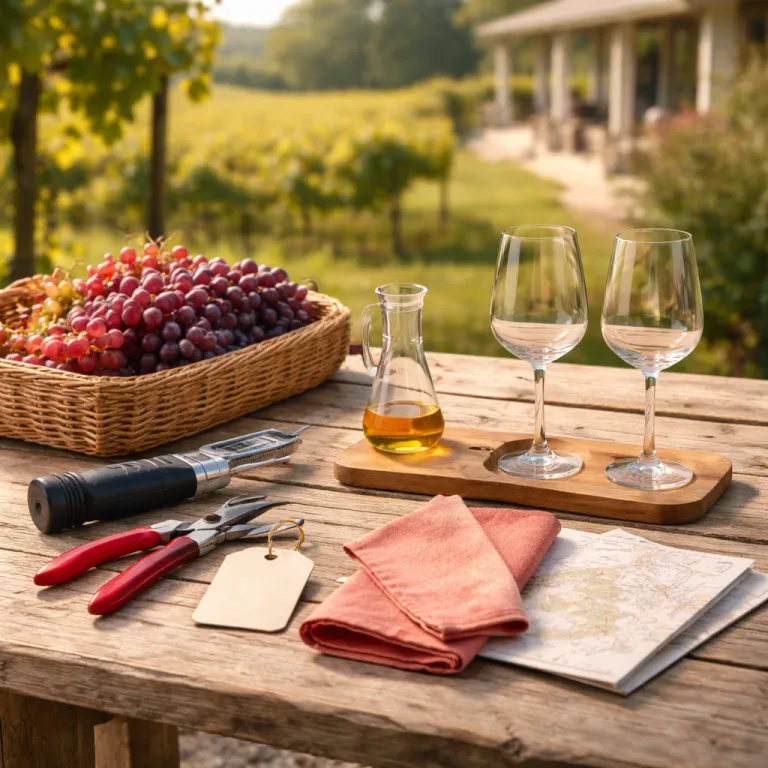
Reading the landscape: choosing the right wine country for your stay
Knowing how to book vineyard stay experiences starts with choosing the right wine country, not the prettiest pool. A couple planning a stay in a working vineyard or on a farm winery needs to decide whether they want long vineyard views and silence, or a village square within walking distance for dinner and late night wine. Around the world, vineyard owners now host travelers directly, and aggregated data from platforms such as Booking.com, Airbnb and Vrbo suggest that the average cost per night for vineyard accommodations often sits near 200 USD in established regions, which makes careful regional selection essential.
In France, the decision between a Loire river valley farmhouse and a Provençal hill estate shapes every glass of wine you drink and every road you drive. Burgundy’s compact vineyards and dense wineries network suit travelers who want to walk from a country inn to a tasting room, while Bordeaux’s grand château model often demands a hire car and longer drives between each winery resort or house winery. When you look beyond France to places like Virginia wine country or Paso Robles in California, the same question applies: do you want to be surrounded by vineyards on a remote farm, or based in a small town with restaurants and a spa within a short stroll.
Couples with a mid to high budget should map three layers before they book any vineyard stays or winery lodging. First, mark the wineries where you most want a seated wine tasting, then add potential vineyard accommodations such as an inn, a glass house on a hill, or a restored farmhouse near a well known estate, and finally layer in villages with dining options. This simple map reveals whether a romantic bed breakfast in the countryside will mean 15 minutes through Blue Ridge style backroads to reach a tasting room, or whether a crossroads inn in the centre of wine country will trade quiet nights for easy access to multiple wineries.
Proximity, pacing and the new rules of tasting room access
The era of drifting into any tasting room without a reservation is fading fast, which changes how to book vineyard stay options that actually work on the ground. Trade publications and wine tourism reports show that the walk in tasting era is ending and that premium, pre booked curated experiences are the new norm, so your choice of inn or country house must align with timed tastings. For couples, the sustainable rhythm is simple: cap your visits at three wineries per day, with one before lunch and one after as the core, and keep a third in reserve only if energy and driving conditions allow.
When you evaluate vineyard stays, check the distance from your room to your priority wineries, not just to the nearest village. A farmhouse on a hill with panoramic vineyard views may look idyllic, but if your favourite wineries are 40 kilometres apart you will spend more time in the car than in the tasting room. Use mapping tools to cluster visits; in Paso Robles, for example, you might plan a day focused on the west side hills, then another in the river valley floor, while in Virginia you could pair Pippin Hill with a nearby farm winery and a night at a country inn that offers late breakfast for slow mornings.
Ask each property specific questions before you commit to a stay in any vineyard accommodations. Does the house winery or neighbouring farm offer a hosted wine tasting for guests, and are there preferred time slots that avoid bus tours. This is also the moment to ask about cellar temperature if they store wine on site, whether the inn can arrange a driver for a day of winery visits, and if the bed breakfast can provide an early or late breakfast when you have a long tasting menu lunch planned at a winery resort that runs into the afternoon.
Seasonality, harvest trade offs and when to book
Timing is the quiet lever that decides whether your vineyard stay feels intimate or crowded, and it directly shapes how to book vineyard stay dates that match your expectations. Harvest brings energy, tractors in the vineyards and late night work in the winery, but it also brings higher hotel rates, tighter availability and more traffic on narrow country roads. Shoulder seasons in late spring and early winter often deliver more access to winemakers, quieter tasting rooms and the chance of barrel tastings that the peak harvest period simply cannot accommodate.
From a practical standpoint, couples should treat top tier tasting reservations like restaurant bookings in a major city and plan four to six weeks ahead. Wine travel guides and booking platforms both underline that window as the sweet spot for securing limited seat experiences, especially in regions such as Virginia wine country or Paso Robles where small wineries dominate. Align your accommodation dates with those tasting confirmations; there is little point in securing a dream room at a crossroads inn or glass house on a hill if the key wineries on your list are fully booked for tastings during your stay.
Season also affects transport, which matters more than the choice of hotel once you are in remote wine country. Guidance from wine country drivers and regional tourism boards is blunt: never rely on ride sharing apps in rural vineyard areas, and instead hire a local driver or book a specialised tour for at least one day of winery visits. When you plan a stay at a secluded farmhouse or a country inn surrounded by vineyards, confirm whether they work with trusted drivers, and then coordinate your winery lodging dates, tasting room appointments and even your plans for shipping wine home using specialist advice on customs and packing from detailed guides to shipping wine home from vacation.
Property due diligence: what to ask before you reserve
Once you have chosen a region and dates, the next step in how to book vineyard stay arrangements is a calm, structured conversation with each potential property. Vineyard owners and their équipes are usually proud of their farm or winery resort, and a short email exchange often reveals more than any glossy photo gallery. Use this moment to align your expectations on breakfast, meals, wine access and the overall rhythm of your stay.
Start with the basics: ask whether the inn or bed breakfast is on a working farm winery, or simply near vineyards. Clarify if the house winery offers tastings exclusively for guests, whether there is a public tasting room, and if you can walk safely between your room and the cellar or if a car is required. Couples who value slow mornings should confirm breakfast hours, while those planning long lunches in wine country restaurants might prefer flexible breakfast service or a simple tray delivered to the room.
Then move to the details that separate a pleasant stay from a memorable experience. Ask about noise during harvest, tractor traffic and whether the farmhouse or glass house is truly surrounded by vineyards or just near one parcel on a hill. If a spa is important, verify whether treatments are on site or at a partner hotel in the nearest town, and if you are considering a crossroads inn in a small village, check whether local restaurants open every night outside peak season so that you are not left driving long distances after a full day of wine tasting.
Matching style of stay to your wine travel personality
Not every couple wants the same kind of immersion, so understanding your travel personality is central to how to book vineyard stay options that feel right rather than merely impressive. Some travellers want to wake in a quiet farmhouse, walk through dew soaked vineyards and share coffee with the winemaker before the first tractor starts. Others prefer a refined country inn with a small spa, a polished restaurant and a short drive to several wineries, trading farm chores for polished service and a curated wine list.
In Virginia, for example, a stay near Pippin Hill or a farmhouse close to Veritas places you in the soft folds of the Blue Ridge, where vineyard views roll away from the terrace and the nearest town may be a 20 minute drive. Couples who like to alternate wine tasting with antique hunting or café hopping might be happier in a small river valley town with a crossroads inn style property, where you can walk to dinner after a day at nearby wineries. Paso Robles offers a similar choice between remote hilltop vineyard stays and more central accommodations near the square, and the right answer depends on whether you value silence or spontaneity.
Think too about how you like to engage with wine itself during a stay in wine country. If you enjoy long conversations about soil and slope, choose winery lodging where the owners live on site and host a communal breakfast at a shared table, or a house winery where guests can join a short walk through the vines before a tasting. If you prefer privacy, a glass house set apart from the main farmhouse, or a small hotel in town with easy access to several tasting rooms, may give you the balance of independence and access that makes a vineyard stay feel both romantic and relaxed.
On the ground: pacing, note taking and making the most of your stay
Once you arrive, the way you move through your days matters as much as where you sleep, and this is where the planning behind how to book vineyard stay arrangements pays off. Keep your schedule light: two structured tastings per day, with a third only if it is very close to your inn or farmhouse, will protect both your palate and your energy. Build in time to sit with a glass of wine on your terrace, watch the light shift across the vineyards and let the landscape explain the wines in your glass.
Use a dedicated tasting app or a small notebook to capture impressions from each tasting room, because memories blur faster than you expect when you visit several wineries in a short span. Note the vineyard name, the specific hill or parcel if mentioned, and any details about farming or cellar work that resonate with you, then mark favourites for future purchases or shipping. For deeper context on why the winemaker’s story should shape your travel choices, resources such as a guide to letting the winemaker’s story decide your next vineyard trip offer a useful framework for thinking beyond simple tasting notes.
Finally, remember that agritourism is rising worldwide and that demand for unique vineyard stays continues to grow, with travel databases such as Booking.com, Airbnb and regional wine tourism directories now counting several thousand such establishments across wine regions. That growth makes it even more important to book early for peak seasons, check cancellation policies carefully and inquire about on site activities such as vineyard walks, blending workshops or farm visits. As one industry FAQ puts it with disarming clarity: “How to find vineyard accommodations? Search online for vineyard stays in desired regions.”, “Are vineyard stays expensive? Prices vary; some are affordable, others luxury.”, “Do vineyards offer wine tastings? Many include tastings; confirm with the host.”
Key figures for planning a vineyard stay
- Average nightly rates for vineyard accommodations often cluster around 200 USD per room in many established wine regions according to recent travel platform data from sites such as Booking.com and Airbnb, which places many vineyard stays in the mid range to premium category for rural travel.
- Travel databases and wine tourism directories now track several thousand vineyard stays worldwide, a figure that reflects the rapid rise in agritourism and the growing number of vineyard owners opening their farmhouses and inns to guests.
- Booking data from specialist wine travel guides indicates that couples should secure top tier tasting reservations four to six weeks in advance, especially in high demand regions where small wineries have limited seating.
- Practical experience from wine country drivers suggests that three winery visits per day is the upper sustainable limit, with two structured tastings and one optional stop to maintain both safety and enjoyment.
- Surveys of rural transport options show that ride sharing coverage in remote vineyard areas remains patchy, which reinforces the recommendation to hire a local driver or arrange a private tour rather than relying on apps.
FAQ about booking a vineyard stay
How far in advance should I book a vineyard stay and tastings ?
For popular wine regions, reserve your vineyard stay at least two to three months ahead for peak periods, then secure your key wine tasting appointments four to six weeks before arrival. This timing balances access to the best rooms with confirmed slots at your priority wineries. Shoulder seasons often allow slightly later bookings, but couples seeking specific winery lodging or a particular farmhouse should still plan early.
How can I find reliable vineyard accommodations that match my style ?
Start by identifying the wine country that interests you, then search for vineyard stays that specify whether they are on a working farm winery, near a house winery or simply in a village surrounded by vineyards. Read recent guest reviews that mention breakfast quality, noise levels and proximity to tasting rooms, and then email the property with detailed questions about meals, transport and on site wine experiences. Direct contact with the inn or farmhouse team often reveals whether their style suits your expectations.
Are vineyard stays always more expensive than regular hotels ?
Prices vary widely; some simple farmhouses and bed breakfast options cost less than a design focused hotel in the nearest town, while high end winery resorts can be significantly more expensive. The average cost per night of around 200 USD reflects a broad mix of rustic and refined accommodations across regions. Couples should compare inclusions such as breakfast, tastings and spa access rather than focusing only on the base room rate.
Do most vineyards include wine tasting with the room rate ?
Many vineyard owners offer at least one complimentary or discounted wine tasting for overnight guests, but it is not universal and policies differ between wineries. Always ask whether the house winery or partner wineries provide tastings, whether they are private or in the public tasting room, and if reservations are required. Clarifying this before you book helps you budget and avoids disappointment on arrival.
What should I ask about transport before confirming a vineyard stay ?
Confirm whether you will need a car to reach the property, the nearest village and your chosen wineries, and ask if the inn or farmhouse can arrange a local driver for tasting days. In remote wine country, ride sharing apps are unreliable, so pre arranged transport is essential for safety and comfort. It is also wise to check parking availability, road conditions and driving times between your vineyard stay and the wineries you plan to visit.