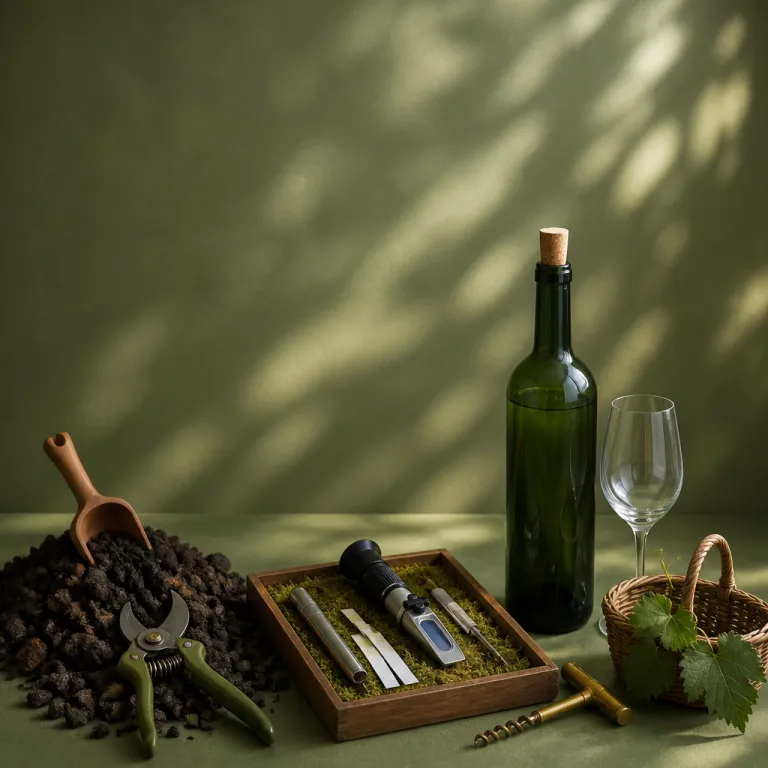
Santorini Greece wine tasting vineyard visit: framing a two-region journey
Santorini is the rare island where a wine tasting can feel as elemental as watching the Aegean itself. The caldera cliffs hold 1 200 hectares of vines, and a thoughtful Santorini Greece wine tasting vineyard visit reveals how deeply the roots dive into volcanic soil while the sea wind salts every grape. Plan your time so that the glass in your hand connects to the vineyard row you walked that morning, then extend the journey north to Naoussa where Xinomavro reds complete Greece’s most compelling two-part wine tour.
The context matters because Greece’s wine story is broader than the famous white wines of Santorini. On the island, Assyrtiko dominates the grape varieties, with assyrtiko athiri blends adding texture, while on the mainland Naoussa vineyards lean into Xinomavro for structured reds that many compare to Barolo. This pairing of Santorini wine and Naoussa Xinomavro gives travelers a clear way to experience both volcanic whites and age worthy reds in a single, coherent itinerary.
Think of your route as one continuous wine tour that starts in Fira and Oia, then arcs to Macedonia’s hills. Begin with a Santorini Greece wine tasting vineyard visit focused on three or four Santorini wineries, then fly or drive to Naoussa for two days of cellar tastings and vineyard walks. Wine tourism here is supported by guided tours and self drive routes, with maps and tasting guides making it easy to move between wineries Santorini and the Naoussa estates that specialize in Xinomavro.
Reading Santorini’s volcanic soil and basket trained vines
Nothing prepares you for the first time you see Santorini grapes coiled into kouloura baskets on the ground. The vines hug the volcanic soil in low circles, a system that traps precious humidity while shielding each grape from the island’s fierce winds. When you plan a Santorini Greece wine tasting vineyard visit, insist on walking these parcels before you step into any tasting room, because the kouloura explains more about Santorini wines than any technical sheet.
The volcanic soil here is a mix of ash, pumice and lava, and roots can reach 20 meters deep in search of water. That depth gives Assyrtiko its saline drive and allows assyrtiko athiri blends to carry both citrus and smoke, while rare red grape varieties like Mavrotragano add spice and structure. Local Santorini winemakers often remind visitors that “Are Santorini wines volcanic? Yes, grown in volcanic soil.” and the glass confirms the point with every sip.
Focus your tours on estates that show different faces of this terroir rather than chasing only the best sunset views. Domaine Sigalas near Oia is a benchmark santorini winery for Assyrtiko, while Artemis Karamolegos in Exo Gonia offers flights that highlight single vineyard expressions and older vines. For a deeper perspective on how place shapes wine, compare these experiences with another terroir driven region such as the Friulian estates profiled in this intimate vineyard journey in Friuli Venezia Giulia, then return to your Santorini Greece wine tasting vineyard visit with sharper senses.
Choosing the right Santorini wineries, tours and tastings
With around 21 working wineries Santorini can feel overwhelming when you only have limited time. The key is to curate a Santorini Greece wine tasting vineyard visit that balances one larger santorini winery with two or three small estates where the winemaker or a family member still leads tastings. Most organized tours last four to five hours, visit three wineries and pour 10 to 14 wines, which is enough to map the island’s styles without palate fatigue.
Start with a structured wine tour that orients you to the island’s main grape varieties and styles. A small group tour Santorini experience often includes transport from Fira or Oia, guided walks through the vines and seated tastings that compare young santorini wines with older vintages of Assyrtiko and assyrtiko athiri blends. Look for itineraries that include both coastal sites and higher altitude vineyards, because the temperature shift between these zones shapes the acidity and texture of wines Santorini in subtle but important ways.
Once you have that overview, book a private driver or self drive route to return to the estates that spoke to you. This is where a more detailed terroir focused guide, such as this refined guide to Austria’s single vineyard experiences, can inspire how you structure your own tastings. Aim for one focused wine tasting before lunch and another in the late afternoon, leaving time to walk through the vines, photograph the kouloura and talk with producers about how they see the future of santorini wine in a warming climate.
Essential estates: from santo winery views to small family cellars
Some names appear on every list of the best Santorini wineries, and they earn that status for good reason. Santo Wines, the large cooperative often called santo winery, offers one of the most dramatic terraces on the island, and a Santorini Greece wine tasting vineyard visit here pairs panoramic caldera views with flights that range from crisp Assyrtiko to late harvest vinsanto. Book a table in the main tasting room for sunset, but arrive early enough to walk the nearby vines and understand how the slope and exposure shape the fruit.
Balance that scale with time at smaller properties where the emphasis is on quiet detail rather than spectacle. Artemis Karamolegos, for example, has built a reputation for precise Assyrtiko and thoughtful blends of assyrtiko athiri, and its tastings often include single parcel wines that show how even slight changes in volcanic soil composition alter the profile. Domaine Sigalas near Oia remains a reference point for structured, age worthy whites and increasingly for Mavrotragano based reds, making it a crucial stop for travelers who want to see how Santorini wineries handle both grape colors.
Do not overlook older, more intimate cellars such as Gavalas in Megalochori or Art Space with its cave galleries, where tastings feel like conversations rather than performances. Here, a private appointment or a small group visit allows you to ask about sustainable viticulture, organic wine production and how families are adapting to shifting weather patterns. If you appreciate this kind of producer level storytelling, you will likely enjoy the similar focus on grower philosophy in this refined guide to the vines in Livermore, which echoes the same respect for place that defines the best Santorini experiences.
Linking Santorini to Naoussa: building a complete Greek wine itinerary
Once you have traced the arc of Santorini wines from coastal vineyards to clifftop tasting rooms, it is time to turn north. Naoussa in Macedonia sits roughly 600 hectares deep in red wine country, where Xinomavro is the dominant grape and the style is very different from any island wine. Travelers who combine a Santorini Greece wine tasting vineyard visit with two or three days on the Naoussa Xinomavro trail gain a fuller sense of why Greece deserves a permanent place on serious wine travel maps.
Naoussa’s Xinomavro is often called the Nebbiolo of Greece because of its high acidity, firm tannins and capacity to age. Local producers like Naoussa Vineyards cultivate Xinomavro grapes on slopes that catch the afternoon sun, producing reds that can feel almost austere in youth but blossom with time in bottle. When asked “Is Naoussa wine similar to Barolo? Yes, both have high acidity and tannins.” and that structural kinship makes Naoussa an ideal counterpoint to the immediate, saline charm of Santorini whites.
From a practical standpoint, the connection between the two regions is straightforward. Flights from Santorini to Thessaloniki, followed by a drive to Naoussa, allow you to move from sea level volcanic soil to continental hillsides in a single day, turning one wine tour into a layered exploration of Greek terroir. Along the way, remember that “What is Assyrtiko? A white grape variety native to Santorini.” and “What does Xinomavro mean? Translates to 'acid black,' a red grape from Naoussa.” because holding those definitions in mind helps you taste the contrast between the two grapes with greater clarity.
Planning your visit: timing, logistics and on the ground etiquette
Greece’s wine regions reward travelers who think in seasons rather than dates. Santorini and Naoussa both welcome visitors year round, but the feel of a Santorini Greece wine tasting vineyard visit shifts dramatically between spring’s blooming vines, summer’s festival energy and autumn’s harvest focus. Winter brings quieter cellars and more time with winemakers, especially in Naoussa where indoor tasting rooms become the center of activity.
Whichever season you choose, a few practical habits will improve every tour. Book tours in advance, especially any private or small group tastings at sought after estates like Domaine Sigalas, Artemis Karamolegos or Santo Wines, because capacity is limited and the best time slots go quickly. Wear comfortable shoes for walking uneven vineyard paths, stay hydrated between tastings and respect local customs, from simple greetings to understanding when a cellar is too busy with harvest work for extended visits.
On the ground, mix guided tours with self drive exploration to balance structure and spontaneity. Guided options often include transport between wineries Santorini or Naoussa estates, which is invaluable when tastings run long or pour generously, while self drive routes let you linger at a particular winery santorini or Naoussa vineyard that resonates with you. However you move, remember that the most memorable wines are usually the ones you taste where the grapes grew, with the producer explaining not just the tasting note but the exact row that catches the afternoon sun differently.
FAQ
When is the best time for a Santorini Greece wine tasting vineyard visit?
Spring and autumn offer the best balance of comfortable temperatures, active vineyards and manageable crowds for a Santorini Greece wine tasting vineyard visit. Summer brings longer days and more events but also more visitors at popular Santorini wineries and tasting rooms. Winter is quieter, with fewer tours, yet it can be ideal for in depth conversations with winemakers.
How many wineries can I realistically visit in one day on Santorini?
Most travelers find that three wineries Santorini in a day is the comfortable maximum. This allows time for unhurried tastings, vineyard walks and a light meal without rushing between estates. A typical organized wine tour will include three stops and 10 to 14 wines, which is enough to understand the island’s styles.
Are Santorini wines really influenced by volcanic soil?
Yes, the volcanic soil of Santorini strongly shapes the character of its wines. The mix of ash, pumice and lava forces vine roots to dig deep for water, which contributes to Assyrtiko’s high acidity and saline profile. Local producers consistently point to this geology as the defining feature of Santorini wine.
What should I know before visiting Naoussa after Santorini?
Naoussa focuses on Xinomavro, a red grape that produces structured, age worthy wines very different from Santorini’s whites. Plan for cellar tastings that emphasize tannin and acidity, and consider booking appointments in advance because many estates are small. Allow at least two days to explore several producers and walk the vineyards that surround the town.
Can I explore Greek wine regions without joining organized tours?
Self drive itineraries are entirely feasible in both Santorini and Naoussa, especially if you are comfortable navigating rural roads. Maps and tasting guides from local tourism offices or wineries help you plan routes between estates. Many travelers combine one guided wine tour for orientation with independent visits to their favorite producers.