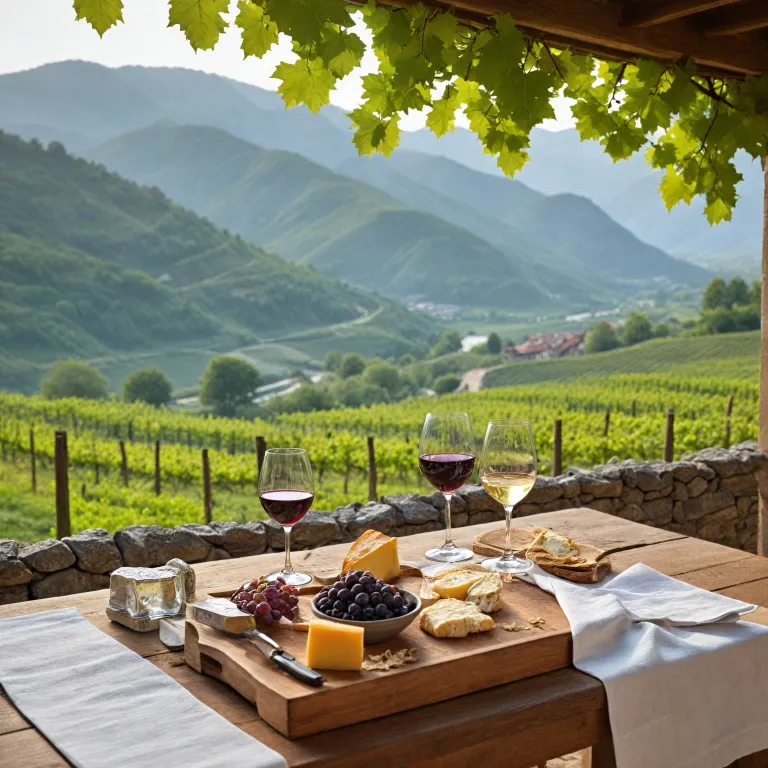
Erste OTW lage explained for the curious wine traveler
Among Europe’s great vineyard classification stories, Austria’s erste OTW lage system remains remarkably underexplored by travelers. This privately driven vineyard classification, led by the Österreichische Traditionsweingüter (ÖTW), highlights sites where terroir consistently shapes characterful wines. For wine focused journeys, understanding this framework transforms a pleasant tasting into a deeper reading of landscape, history, and meticulous work.
The ÖTW vineyard classification concentrates on specific ried parcels, not on broad regions or generic vineyards. Within these carefully delimited vineyard sites, winegrowers must demonstrate quality across many years, proving that the combination of elevation, orientation, and soil structure reliably produces outstanding wines. Only then are vineyards classified as an erste lage or, in particularly exceptional cases, as a grosse lage within the internal hierarchy.
Today, 36 member estates cultivate 72 vineyards classified as erste lagen along the Danube River, mainly in Kamptal Kremstal and neighbouring areas. These member estates, or weingut properties, submit wines from each single vineyard to rigorous tastings that underpin the classification process. The focus rests on varieties such as Grüner Veltliner and Riesling, whose transparent style reveals subtle differences between each site.
For travelers, the term erste OTW lage on a label signals a specific vineyard site with a documented track record. It tells you that several weingut teams have collaborated through the Österreichische Traditionsweingüter to evaluate quality, terroir expression, and consistency. When planning vineyard travel, using this classification Austria offers is an elegant way to prioritize visits that combine scenic beauty with serious wine culture.
Reading the landscape: elevation, orientation, and soil in erste lagen
Walking through an erste OTW lage vineyard, you immediately sense how geography shapes style. Elevation influences temperature and ripening speed, while orientation towards or away from the Danube River moderates warmth and airflow. Over the course years, winegrowers learned which combinations of slope, exposure, and soil structure yield the most refined wines.
In Kamptal Kremstal, many vineyards classified as erste lagen sit on terraces that capture light yet benefit from cool night air. These vineyard sites often feature complex mixtures of loess, primary rock, and gravel, each soil structure imprinting its own texture on the wine. A single vineyard ried with higher elevation and stonier soils may produce taut, mineral Grüner Veltliner, while a lower site with deeper loess gives a broader, more generous style.
The classification process evaluates these factors across multiple years, not just in one outstanding vintage. When a ried is promoted to erste lage status, it reflects a long observation of how orientation and elevation interact with local climate. Travelers who pay attention to these details quickly see why some vineyards classified as erste lagen feel almost amphitheatrical, while others resemble narrow corridors channeling wind.
Understanding this vineyard classification also enriches your appreciation of wine styles such as dry wines from Grüner Veltliner or Riesling. Before visiting, reading a guide on what dry wine means in refined tasting contexts can sharpen your palate. On site, you will taste how the same grape, grown in neighbouring vineyards, expresses different layers of spice, stone, and citrus depending on its precise lage and orientation.
From label to landscape: using erste OTW lage on your itinerary
Planning a journey around erste OTW lage wines begins at the label, not the map. When you see terms such as erste lage, erste lagen, or otw erste on a bottle, you are looking at a quiet invitation to visit a specific ried. Each weingut that belongs to the Österreichische Traditionsweingüter marks its single vineyard wines clearly, allowing travelers to trace the wine back to its exact site.
Start by listing several vineyards classified as erste lagen whose wines you already enjoy, then group them by area along the Danube River. In Kamptal Kremstal, for example, you might focus on a cluster of vineyard sites where Grüner Veltliner dominates, then contrast them with neighbouring ried parcels planted to Riesling. This approach turns a simple tasting trip into a comparative study of vineyard classification Austria has refined over many years.
When arranging visits, ask each weingut to pour both current and older wines from the same erste lage. Tasting across different years reveals how the classification process rewards sites that maintain quality even in challenging seasons. Many member estates also produce wines from non classified vineyards, which makes it easier to sense what the erste OTW lage designation adds in terms of precision and length.
During your stay, alternate cellar appointments with walks through the vineyards classified as erste lagen, ideally with a guide who works the land. Standing in a ried at mid elevation, you can feel the breeze, note the orientation, and observe soil structure beneath the vines. This direct experience anchors the abstract idea of otw lage in tangible sights, textures, and slopes.
Flagship estates and emblematic erste lagen along the Danube
Certain member estates have become emblematic for travelers seeking a refined erste OTW lage experience. Properties such as Schloss Gobelsburg in Kamptal Kremstal illustrate how history, architecture, and meticulous vineyard work converge in a single destination. Here, the weingut crafts wines from several vineyards classified as erste lagen, each ried expressing a distinct interplay of elevation, orientation, and soil structure.
At Schloss Gobelsburg, Grüner Veltliner from a higher elevation erste lage may show cool herbal notes, while a neighbouring site at lower altitude offers riper stone fruit. Tasting these wines side by side clarifies why the Österreichische Traditionsweingüter created a vineyard classification focused on terroir rather than on grape variety alone. Over the course years, such comparisons have helped refine which vineyards classified as erste lagen truly merit their status.
Other member estates along the Danube River present similar opportunities to explore otw erste wines in depth. Many weingut teams offer focused single vineyard flights, allowing you to compare an erste lage with a grosse lage or with non classified parcels. This is where the vocabulary of vineyard classification Austria uses becomes intuitive, as you sense how each lage shapes texture, length, and aromatic detail.
When planning, look for estates that highlight their otw lage portfolio clearly in tasting notes and maps. Ask specifically to visit the vineyard sites themselves, not only the cellars, so you can connect each wine to its ried. Such visits build a nuanced understanding of how vineyards classified as erste lagen differ from one another, even within the same small area.
Designing immersive tasting days around erste OTW lage wines
An immersive day around erste OTW lage wines balances structured tastings with unhurried time in the vineyards. Begin with a morning visit to a weingut that farms several vineyards classified as erste lagen, focusing on Grüner Veltliner and Riesling. Ask to taste both single vineyard bottlings and blends, so you can sense how the character of each lage stands out within the broader range.
Over lunch, choose a restaurant that lists multiple otw erste wines by the glass, ideally from different ried sites and member estates. Pair a crisp Grüner Veltliner from a higher elevation erste lage with freshwater fish, then contrast it with a richer wine from a lower, warmer site. Such pairings illustrate how orientation and soil structure influence food matching, not only abstract tasting notes.
In the afternoon, join a guided walk through vineyards classified as erste lagen, paying attention to subtle shifts in slope and exposure. Guides often explain how the classification process considered decades of performance across many years before granting erste lage status. Their insights reveal why some vineyard sites advanced to grosse lage within the internal hierarchy, while others remained classified as erste lagen.
To refine your palate further, consider hosting a focused tasting at your accommodation using bottles collected during the day. A resource on elegant wine tasting themes and pairings can help structure flights around specific ried or elevation levels. This approach turns your trip into a living seminar on vineyard classification Austria has developed through the Österreichische Traditionsweingüter.
Practical tips, key statistics, and essential FAQs for erste OTW lage travel
Before traveling, it helps to anchor your plans in a few essential facts about erste OTW lage. The Österreichische Traditionsweingüter currently unites 36 member estates that collectively farm 72 vineyards classified as erste lagen. These vineyards classified as top sites stretch mainly along the Danube River in Kamptal Kremstal and neighbouring regions, where elevation and orientation create strikingly diverse microclimates.
Within this framework, the vineyard classification distinguishes between erste lage and, at the very top, grosse lage designations. Each ried must demonstrate consistent quality over many years, with the classification process relying on tastings, analyses, and close study of soil structure. The focus on single vineyard wines ensures that each site, or lage, can be evaluated on its own merits rather than hidden in blends.
Travelers often ask : Was bedeutet "Erste Lage" bei österreichischen Weinen? Wie viele "Erste Lage"-Weinlagen gibt es in Österreich? Welche Rebsorten werden in "Erste Lage"-Weinlagen angebaut? These questions capture the curiosity that drives many to explore vineyards classified under the ÖTW system. In practice, the answers guide you towards Grüner Veltliner and Riesling from specific vineyard sites, where terroir expression is paramount.
When planning your route, remember that each weingut may own parcels in several otw lage vineyards, sometimes spread across a wide area. Allocate enough time to move between ried, especially if you wish to walk through the vineyards classified as erste lagen themselves. With thoughtful pacing, your journey through erste OTW lage territory becomes a measured exploration of landscape, culture, and quietly confident wines.
Key figures for erste OTW lage vineyard travel
- Number of vineyards classified as "Erste Lage" by the Österreichische Traditionsweingüter : 72 vineyard sites.
- Number of member estates participating in the ÖTW vineyard classification : 36 weingut properties.
Essential FAQs about erste OTW lage
What does "Erste Lage" mean on an Austrian wine label ?
"Erste Lage" bezeichnet von der ÖTW klassifizierte Spitzenweinlagen.
How many "Erste Lage" vineyards currently exist in Austria ?
Es gibt 72 "Erste Lage"-Weinlagen in Österreich.
Which grape varieties dominate in "Erste Lage" vineyards ?
Hauptsächlich Grüner Veltliner und Riesling.