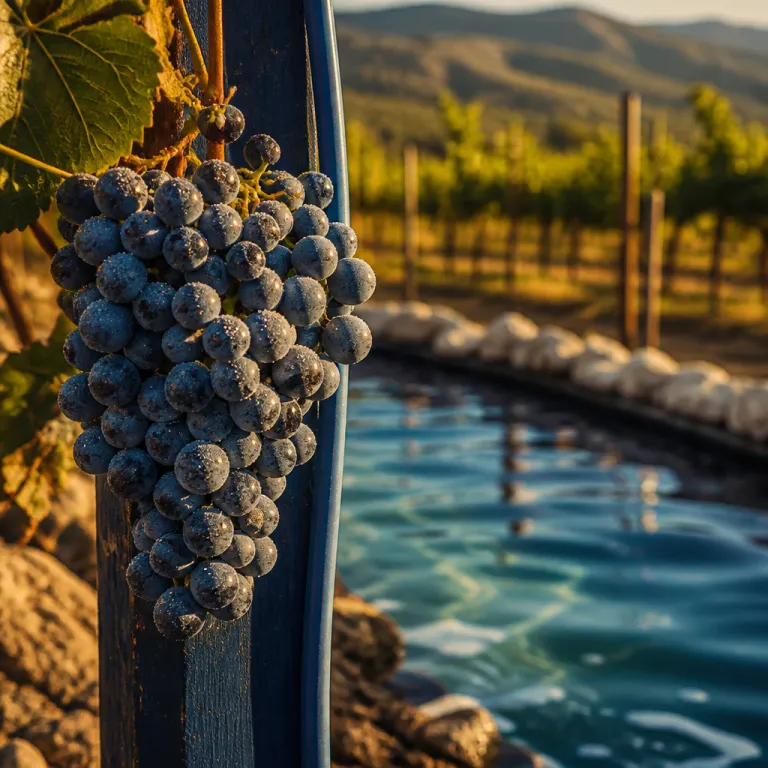
Why Napa Valley sets the standard for scenic vineyard travel
Napa Valley has become a benchmark for vineyard scenery because landscape, architecture, and wine culture align with rare harmony. Across the valley you move from river floor vineyards to hillside plots, where every winery frames different vineyard views and changing light. This compact wine country, only about 48 km long, concentrates some of the most beautiful estates and valley wineries in North America.
With around 475 wineries in Napa Valley, travelers can curate a wine tasting itinerary that balances iconic names with quieter vineyard estates. The best Napa itineraries pair structured tastings of cabernet sauvignon and sauvignon blanc with time simply sitting on a terrace, watching tractors move between vineyards. When you visit Napa outside peak weekends, the experience often feels more intimate, and the tasting room teams have more time to guide you through the wines.
Spring and fall offer pleasant weather and vibrant vineyard scenery. Are reservations required for winery visits? Yes, most wineries require advance reservations. Can you visit multiple wineries in one day? Yes, but plan accordingly to allow time at each location and to travel safely between them.
The most scenic vineyard settings in Napa are not only about dramatic views, they are about how those views frame your glass of wine. A thoughtful wineries visit might include one historic estate, one architecturally bold winery, and one small hillside vineyard with sweeping valley views. This mix lets you compare how different Napa wineries interpret cabernet, sauvignon, and other wines across varied terroirs.
Travelers often ask which is the best Napa area for scenery, and the honest answer is that beauty shifts as you move north. Around the city of Napa, Carneros brings rolling hills and cooler breezes, while further up valley the terrain tightens into dramatic canyon walls. Between these points, you will find some of the most beautiful vineyard views in California, especially at sunrise and near sunset.
Thoughtful planning matters because the most photogenic vineyards in Napa can feel busy during harvest and summer weekends. Booking each tasting in advance secures better seating, often on patios or decks with the finest vineyard views. It also allows you to compare tasting price structures, from relaxed bar tastings (often around $40–$60 per person) to elevated seated flights with food pairings that can reach $90 or more.
Carneros and southern Napa: panoramic estates and sparkling elegance
The southern entrance to Napa Valley, near Carneros, is where many travelers first feel the region’s coastal influence. Here the vineyards roll gently toward San Pablo Bay, and the light can be exquisite on clear mornings. This is also where some of the most scenic vineyards in Napa reveal wide angle views rather than steep canyon drama.

Artesa Vineyards & Winery at 1345 Henry Rd, Napa, CA 94559 is a benchmark for modern architecture integrated into the landscape, with panoramic Carneros views stretching over the valley. The estate seems carved into the hillside, and its terraces offer some of the most beautiful perspectives for a wine tasting of sparkling wines and still chardonnay. When you visit this winery, aim for a reservation that coincides with late afternoon light, when the vineyard views soften and the experience feels almost cinematic.
Nearby, Domaine Carneros at 1240 Duhig Rd, Napa, CA 94559 anchors many travelers’ first day in wine country with its grand staircase and symmetrical vineyards. While the focus here leans toward méthode traditionnelle sparkling wine, tastings often include still wines that show Carneros’ cooler climate character. For guests planning several tastings in one day, starting with sparkling wines keeps the palate fresher before moving north toward richer cabernet sauvignon.
In this part of Napa, tasting price levels vary depending on whether you choose terrace seating, food pairings, or more exclusive experiences. Many wineries Napa wide now require prepayment at booking, which helps manage visitor flow and protect the calm atmosphere. Reading recent visitor feedback about tasting rooms can help you select the best balance between cost, service, and vineyard access.
Southern Napa also illustrates how wine tourism revenue supports rural communities and long term vineyard care. If you are curious about this economic side of travel, explore this analysis of how your vineyard visit funds local regeneration on what your vineyard visit funds. Understanding this context often deepens the emotional connection you feel when standing among the vines.
As you plan to visit Napa, consider dedicating your first day to Carneros and the southern valley wineries. This allows you to adjust to the pace of wine country before tackling denser clusters of Napa wineries further north. It also gives you time to appreciate how sauvignon, pinot noir, and sparkling wines express this cooler edge of the valley compared with the cabernet heartland.
Travel behavior in wine regions is evolving, with visitors often choosing fewer tastings but higher quality experiences. For a deeper look at how this shift affects itineraries and tasting room design, read the industry focused perspective on the wine tourist who drinks less but spends more. Aligning your own schedule with this trend usually results in more memorable, less rushed vineyard days.
Silverado Trail and eastern Napa: elevated vineyard views and design led estates
The Silverado Trail runs along the eastern side of Napa Valley and offers a quieter, more scenic alternative to the main highway. Many of the most scenic vineyards in Napa sit on or above this road, with elevated terraces that gaze across the valley floor. Drivers will notice how the light shifts as the sun moves behind the Mayacamas range, painting vineyards in warm tones by late afternoon.

Hall Rutherford at 56 Auberge Rd, St. Helena, CA 94574 exemplifies this side of Napa wineries, combining contemporary art, dramatic architecture, and sweeping eastern valley views. Tastings here often focus on structured cabernet sauvignon, presented in spaces that feel more like private galleries than traditional tasting rooms. The result is an experience where the wines, the design, and the surrounding vineyard landscape feel carefully choreographed.
Quixote Winery at 6126 Silverado Trail N, Napa, CA 94558, also on the eastern side, offers a very different but equally memorable aesthetic with whimsical architecture and intimate vineyard views. Guests who value design as much as wine will find this estate one of the most beautiful stops along the Silverado Trail. When you visit, allow time to walk the grounds between tastings, as the interplay between building forms and vineyards reveals itself slowly.
Further north, Davis Estates at 4060 Silverado Trail N, Calistoga, CA 94515 occupies a hilltop position with long views across the valley and toward the Mayacamas. Here, seated tastings of cabernet, sauvignon, and other wines unfold in spaces that highlight both comfort and panorama. Because tasting price levels at such estates can be higher, it is wise to prioritize fewer, longer visits rather than many quick stops.
As visitor numbers grow, the question of how to protect what makes Napa’s landscapes special has become more urgent. Thoughtful travelers can learn more about these pressures, and how to avoid contributing to overtourism, in this analysis of overtourism in Napa and other wine regions. Planning midweek visits, choosing smaller group tastings, and respecting appointment times all help preserve the calm that defines the most scenic vineyards in Napa.
When comparing valley wineries along the Silverado Trail, look beyond the headline names and consider the style of experience you prefer. Some Napa wineries emphasize educational flights in a formal tasting room, while others lean toward relaxed terrace service with more flexible tastings. Matching your expectations to the estate’s philosophy is as important as choosing between cabernet sauvignon, sauvignon blanc, or other wines.
Travelers who prioritize photography will find that the eastern side of Napa Valley often delivers the best backlit vineyard scenes. Early morning and late afternoon are ideal, when the rows of vines cast long shadows and the valley floor glows softly. Always check weather forecasts, as clear days after rain can produce especially crisp vineyard views and luminous skies.
Calistoga, St. Helena and the northern valley: castles, trams and historic estates
The northern reaches of Napa Valley, around St. Helena and Calistoga, concentrate some of the region’s most iconic scenic estates. Here the valley narrows, the hills rise more steeply, and the vineyards feel almost amphitheatrical. Many travelers consider this stretch home to the most scenic vineyards in Napa, especially when morning fog lifts slowly from the vines.

Castello di Amorosa at 4045 St Helena Hwy, Calistoga, CA 94515 is perhaps the most theatrical example, with its Tuscan style castle rising above surrounding vineyards. The estate’s stone towers, courtyards, and barrel rooms create a cinematic backdrop for tastings of cabernet, sangiovese, and other wines. Because this winery attracts many visitors, booking early morning or late afternoon tastings can help you enjoy quieter vineyard views.
Nearby, Sterling Vineyards at 1111 Dunaweal Ln, Calistoga, CA 94515 offers a different kind of drama with its aerial tram carrying guests to a hilltop estate. From the top, you can take in sweeping vineyard views across the valley, making it one of the most beautiful vantage points in Napa. Tastings here often include both white and red wines, allowing you to compare how different grape varieties express this northern valley climate.
Stags' Leap Winery at 6150 Silverado Trail, Napa, CA 94558, tucked into a secluded canyon closer to St. Helena, brings a more intimate, historic atmosphere. The estate’s old stone buildings, manicured gardens, and surrounding cliffs create a sense of retreat from the busier valley floor. For many travelers, a seated wine tasting here, focused on cabernet sauvignon and other reds, ranks among the best Napa experiences.
Chateau Montelena at 1429 Tubbs Ln, Calistoga, CA 94515, another Calistoga landmark, combines a storied role in Napa’s wine history with tranquil lake and vineyard views. The stone château, framed by mature trees and reflective water, feels worlds away from the main road despite its accessibility. When you visit, consider allowing extra time to walk the grounds before or after your tasting room appointment.
In this northern zone, tasting price structures vary widely, reflecting both brand prestige and the depth of the experience. Some wineries Napa wide now include small food pairings or library wines in their standard tastings, while others reserve such options for elevated flights. Reading current policies carefully before you visit Napa helps avoid surprises and ensures you allocate your budget to the most meaningful stops.
Because distances between estates around St. Helena and Calistoga are relatively short, it is tempting to over schedule your day. A more refined approach is to choose three wineries visit stops at most, mixing one major landmark with two quieter vineyard estates. This rhythm leaves space for spontaneous photo stops, unhurried lunches, and time simply absorbing the valley’s changing light.
Hidden heights and technical marvels: Newton, Palmaz and hillside estates
Beyond the well known valley floor, some of the most scenic vineyards in Napa cling to hillsides and ridgelines. These elevated vineyard sites often require more effort to reach, but they reward travelers with dramatic perspectives and cooler breezes. They also reveal how topography shapes both the wines and the overall experience of visiting Napa Valley.
Newton Vineyard at 2555 Madrona Ave, St. Helena, CA 94574 is a prime example, with terraced vineyards stepping down the hillside and serene vistas unfolding in every direction. Tastings here typically highlight structured cabernet sauvignon and nuanced sauvignon blanc, both shaped by the estate’s varied exposures and elevations. When you stand on the terraces, the combination of vineyard views and distant valley floor creates a powerful sense of place.
Palmaz Vineyards at 4029 Hagen Rd, Napa, CA 94558, set into a mountainside, blends engineering ambition with respect for the surrounding landscape. The winery’s gravity flow design and extensive underground cellars allow winemaking to unfold largely out of sight, preserving the natural contours above. Guests who tour the estate often remark that the technical story enhances, rather than distracts from, the beauty of the vineyards.
ONEHOPE Winery at Estate 8, at 8301 St Helena Hwy, St. Helena, CA 94574, with its views opening toward Mount St. John, offers another compelling hillside perspective. Here, tastings often emphasize both the wines and the brand’s philanthropic commitments, adding a social dimension to the scenic setting. For travelers seeking the most beautiful combination of vineyard views and purpose driven hospitality, this estate deserves a place on the itinerary.
These hillside wineries Napa side usually operate strictly by appointment, with limited capacity to protect both quality and tranquility. Tasting price levels can be higher than at some valley floor properties, reflecting the depth of the visit and the small production wines poured. In return, guests often enjoy more personalized tastings, extended conversations, and access to terraces with some of the best Napa panoramas.
Because driving to hillside vineyard estates involves narrow roads and changing light, safety and timing matter. Many travelers choose to hire local transportation services, allowing them to focus fully on the wines and the scenery. Planning your route so that the final winery visit coincides with golden hour often yields unforgettable vineyard photographs.
For those building a themed day around engineering and design, combining Palmaz, Newton, and a visually striking estate along the Silverado Trail can be rewarding. This kind of itinerary highlights how different wineries interpret the relationship between technology, architecture, and the surrounding vineyard landscape. It also underscores that the most scenic vineyards in Napa are as much about thoughtful human intervention as raw natural beauty.
Planning your Napa itinerary: tastings, timing and practical elegance
Crafting an itinerary around the most scenic vineyards in Napa requires balancing ambition with restraint. The temptation to chase every famous name is strong, but the most memorable days usually feature fewer, longer tastings. Aim for two to three winery visits per day, allowing at least ninety minutes at each estate.
Start by mapping the valley from south to north, grouping Napa wineries by area to minimize backtracking. One refined approach is to dedicate separate days to Carneros, the Silverado Trail, and the St. Helena to Calistoga corridor. This structure keeps driving times reasonable and lets you appreciate how vineyard views and wine styles shift along the valley.
When comparing tasting price options, look closely at what each experience includes beyond the basic wine flight. Some valley wineries now offer progressive tastings that move from the tasting room to barrel cellars and then to vineyard overlooks. Others focus on seated terrace tastings, where the emphasis rests on quiet conversation and unhurried appreciation of the wines.
Reservations are essential at most scenic vineyards in Napa, especially on weekends and during harvest. Booking early gives you the best chance of securing terrace seating or vineyard side tables with unobstructed views. It also allows you to coordinate meal times, transportation, and any special requests such as vegetarian pairings or extended cabernet sauvignon flights.
Comfortable shoes are important because even elegant estates often involve walking between parking areas, tasting rooms, and vineyard overlooks. Layers are wise as well, since temperatures can shift quickly between shaded tasting spaces and sunlit terraces. A small notebook or digital app can help you record impressions of each wine, vineyard, and view while they are still fresh.
Thoughtful travelers also consider the cumulative effect of multiple tastings, both on palate and concentration. Spacing tastings with water, food, and short walks through vineyards keeps your senses sharp for evaluating wines. It also respects the work of the winemaking teams, who design each tasting to showcase the estate’s best efforts.
Finally, remember that the most scenic vineyards in Napa are living agricultural landscapes, not just backdrops for photographs. Staying on marked paths, respecting private areas, and engaging courteously with staff all contribute to a more gracious atmosphere. In return, you are more likely to receive nuanced recommendations, perhaps even suggestions for lesser known but beautiful wineries that match your tastes.
Key statistics on Napa Valley wine tourism and scenic vineyards
- Napa Valley welcomes approximately 3.85 million visitors each year, according to Napa Valley Vintners Association figures published in 2022, underscoring the importance of planning winery visits and tastings in advance.
- The region is home to around 475 wineries, based on Napa Valley Vintners Association data reported in 2022, giving travelers a wide choice of vineyard views, tasting room styles, and estate experiences.
- The valley stretches roughly 48 km from south to north, which means that grouping wineries by area, such as Carneros, Silverado Trail, and St. Helena to Calistoga, significantly reduces driving time between tastings.
- Many estates now operate primarily by reservation, a shift that helps manage visitor numbers and protect the calm atmosphere that defines the most scenic vineyards in Napa.
- Industry observers report growing interest in sustainable and organic wines, which often leads travelers to seek out vineyard estates that prioritize environmental stewardship alongside beautiful vineyard views.
FAQ about visiting the most scenic vineyards in Napa Valley
What is the best time of year to visit Napa for scenery ?
Spring and autumn are generally the best seasons for scenic vineyard travel in Napa Valley. In spring, new vine growth and wildflowers brighten the vineyards, while autumn brings golden leaves and harvest activity. Summer can also be beautiful, but temperatures are higher and popular wineries may feel busier.
How many wineries should I plan to visit in one day ?
For a refined, unhurried experience, plan to visit no more than three wineries per day. Allow at least ninety minutes for each tasting, plus travel time between estates and a proper lunch break. This rhythm lets you appreciate both the wines and the vineyard views without feeling rushed.
Do I need reservations for tastings at scenic Napa wineries ?
Yes, most of the most scenic vineyards in Napa now require advance reservations for tastings. This policy helps manage visitor numbers and ensures that seating, especially on terraces with vineyard views, is available. Booking early is particularly important on weekends and during the harvest period.
Can I visit multiple regions of Napa Valley in a single day ?
It is possible to visit different parts of Napa Valley in one day, but doing so often increases driving time and reduces the depth of each experience. A more elegant approach is to focus on one corridor, such as the Silverado Trail or the St. Helena to Calistoga stretch, per day. This strategy allows you to compare nearby estates and vineyard views more meaningfully.
How should I budget for tasting prices at Napa wineries ?
Tasting price levels in Napa Valley vary widely, from more modest fees at smaller properties to higher prices at prestigious or highly scenic estates. When planning, review what each tasting includes, such as the number of wines, possible food pairings, and access to special vineyard areas. Allocating your budget to fewer, higher quality tastings often yields a richer overall experience than many brief, less considered stops.