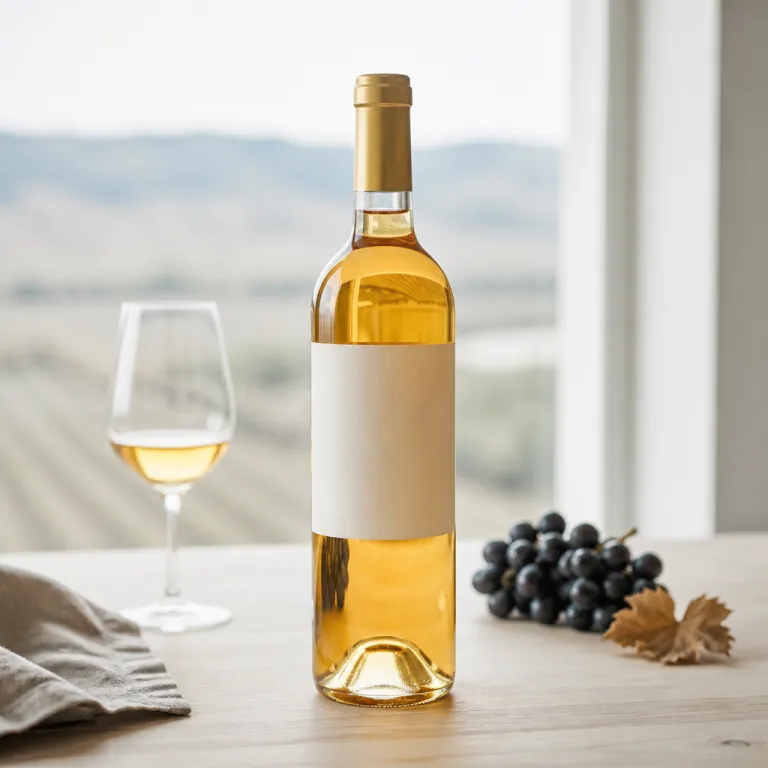
Altún as “gold”: how a Turkic word frames a Rioja journey
The name altún, often written altun, comes from a Turkic root meaning gold, and that golden idea resonates powerfully when you stand among the vines of Rioja. When you plan a wine-focused journey around Bodegas Altún and neighbouring wineries, you are essentially chasing golden light, golden grapes, and the golden balance between landscape and glass. In Turkic linguistics, specialists answer very simply when asked what altun means; they say, “It means ‘gold’ in Turkic languages.”
Understanding this linguistic background adds a subtle layer to any visit to the region Rioja, because the word altun or altún becomes a metaphor for value, heritage, and patient craftsmanship. Travellers who care about wine and wines often respond strongly to names, and this one quietly signals that the winery experience should feel precious yet grounded. When you read an etymological dictionary before travelling, you realise that a surname like Altun in Turkish culture also carries the sense of something golden or well regarded, which aligns naturally with the ambitions of a serious Rioja winery such as Bodegas Altún.
On the ground, that abstract meaning turns tangible as you walk through single vineyard parcels planted with tempranillo grapes above the Ebro river. The view from these slopes near Baños de Ebro can be luminous in late afternoon, when the full range of red and green tones seems almost metallic. In that moment, the concept of altún as gold stops being a linguistic curiosity and becomes a lived sensation, especially once you taste a full bodied Rioja red that has been aged months in French oak barrels and shows a long finish with round tannins and a palate balanced between fruit and spice.
Reading Bodegas Altún: how to interpret labels, sites, and styles
Many travellers arrive at Bodegas Altún with enthusiasm yet little clarity about how to read the labels or the vineyard map. The winery sits close to Baños de Ebro in the heart of Rioja Alavesa, and the surrounding sites form a patchwork of plots that shape very different wines. To move beyond a superficial view, you need to treat the back label almost like a compact dictionary that decodes grape varieties, ageing, and the role of oak barrels or concrete vats.
Start by checking whether the bottle comes from a single vineyard or a broader blend of grapes from several parcels across the region Rioja. A single parcel wine from Bodegas Altún will usually highlight its origin near Baños or Baños de Ebro, and such specificity often signals a more balanced full expression of terroir. When the label mentions ageing in French oak for a certain number of months, or a combination of concrete vats and traditional oak barrels, you can expect a different interplay of elegant aromas, long tannins, and texture on the palate balanced between fruit and structure.
Travellers planning a wider Spanish itinerary can use this same label-reading method in other regions after exploring Rioja. A detailed vineyard travel guide to Spain, such as an elegant journey through wine regions described in specialised Rioja and Spain vineyard travel guides, helps you compare how producers in Rioja, Ribera del Duero, or Priorat describe their sites. Once you have practised at Bodegas Altún, you will be able to glance at any Spanish wine label and quickly understand whether you are choosing a fresh, fruit-driven style or a more full bodied red with aromas ripe from extended ageing in French oak barrels and concrete vats.
Inside the cellar: concrete vats, French oak, and the architecture of flavour
Stepping into the production cellar at Bodegas Altún reveals how architecture and materials shape the final wine. Rows of concrete vats stand beside stacks of oak barrels, and the contrast between smooth concrete and warm wood tells a story about texture, tannins, and the eventual long finish in your glass. For a traveller, understanding why a winery chooses concrete vats as well as French oak is as important as admiring the view from the vineyards.
Concrete vats allow for gentle micro-oxygenation without adding any oak flavour, which helps preserve the pure character of the grapes and the site. When a Rioja red spends its early months in concrete before moving to oak barrels, the result can be a more balanced full expression, with round tannins that feel polished rather than aggressive. By the time the wine has aged months in a mix of French oak and older barrels, the aromas ripe from the fruit integrate with subtle spice and cedar, creating a nose elegant enough to satisfy demanding wine travellers.
Comparing this approach with other regions deepens your appreciation of Rioja and altún as a golden benchmark. In Argentina’s Uco Valley, for example, many estates now combine concrete eggs and large foudres to achieve similarly balanced full bodied wines, a trend explored in depth in a week-long Uco Valley wine travel feature. When you return to Bodegas Altún after such journeys, you notice how the specific mix of concrete vats, French oak, and traditional Rioja practices creates a distinctive style that feels both Spanish and quietly cosmopolitan.
Tasting at Bodegas Altún: how to read the nose, palate, and finish
A structured tasting at Bodegas Altún turns abstract wine vocabulary into something concrete and memorable. The team usually begins with a younger Rioja red to calibrate your senses, then moves towards more full bodied wines that have aged months in French oak barrels. Paying attention to each stage of the tasting helps you connect the landscape outside with the aromas and textures in the glass.
On the nose, elegant aromas often combine ripe red fruit, subtle spice, and a faint echo of oak, and a well-made Rioja from this winery will show a nose elegant enough that you can linger before even taking a sip. When you finally taste, focus on whether the palate balanced impression leans more towards fruit, structure, or oak-derived flavours. In the best examples from Bodegas Altún, you will notice round tannins that support the fruit without drying your mouth, leading to a long finish where the memory of the grapes, the site, and the concrete vats or oak barrels all seem to echo together.
Travellers sometimes worry about technical language, but a simple mental checklist works well in any Spanish winery. Ask yourself whether the wine feels light, medium, or full bodied, whether the aromas ripe suggest fresh berries or more mature dried fruit, and whether the long tannins stay pleasant or become harsh. Over several tastings, both at Bodegas Altún and at neighbouring wineries along the Ebro near Baños de Ebro and San Vicente de la Sonsierra, you will build a personal dictionary of sensations that makes every future glass of Rioja more meaningful.
Designing a golden route: from Baños de Ebro to San Vicente and beyond
Planning an itinerary around Bodegas Altún means thinking in arcs rather than isolated visits. The village of Baños de Ebro offers a compact base with easy access to vineyards on both sides of the Ebro river, while nearby San Vicente de la Sonsierra adds dramatic hilltop views and historic cellars. Linking these places into a round route allows you to experience different expressions of Rioja within a manageable driving distance of roughly 20 to 30 kilometres.
Begin your day with a morning visit to the winery, when the light over the vines gives a soft golden altún hue to the landscape and the air still carries fresh vineyard aromas. After a cellar tour that explains the role of concrete vats, French oak, and oak barrels in shaping the wines, settle into a guided tasting that highlights how single vineyard plots near Baños and Baños de Ebro differ from blends sourced across the wider region Rioja. Pay attention to how the regular price of each cuvée reflects factors such as ageing months French oak, the use of French oak versus American, and the rarity of certain grapes or sites.
In the afternoon, drive towards San Vicente, stopping at viewpoints where you can see the full sweep of vineyards descending to the Ebro and understand how altitude and exposure influence long tannins and the final palate balanced profile. Many travellers like to include a cultural stop at a church or castle before returning to Baños de Ebro for dinner, where local restaurants pair traditional Spanish dishes with wines from Bodegas Altún and neighbouring estates. Over several days, this golden circuit becomes a living lesson in how landscape, history, and cellar choices combine to create Rioja reds with elegant aromas, round tannins, and a long finish that lingers well into the evening.
Responsible wine tourism: what your visit to Bodegas Altún really funds
Thoughtful travellers increasingly want to know how their spending in Rioja supports local communities. A visit to Bodegas Altún and the surrounding wineries in Baños de Ebro and San Vicente does far more than provide a pleasant view and a few glasses of wine. Your tasting fees and bottle purchases help sustain vineyard jobs, preserve traditional knowledge about grapes and sites, and maintain the cultural landscape along the Ebro river.
When you pay the regular price for a full bodied Rioja red with a palate balanced between fruit and oak, part of that revenue returns directly to the vineyards where the grapes were grown. Another portion supports investments in more sustainable infrastructure, such as energy-efficient concrete vats, careful management of oak barrels, and better water use in the cellar. Detailed analyses of wine tourism economics, such as those presented in reports on how vineyard visits fund rural communities, suggest that even modest tasting room sales can have a multiplier effect in small Spanish villages; always consult the latest regional statistics for precise figures.
For travellers, the practical takeaway is clear: choosing to visit a winery like Bodegas Altún rather than simply buying wines in a city shop deepens both your understanding and your impact. You gain first-hand insight into how concrete vats and French oak barrels are used to craft wines with elegant aromas and long tannins, while the community gains stable income that helps keep younger generations in the region Rioja. In this sense, the golden meaning of altun or altún becomes literal again, as your journey transforms into a small but real contribution to the long-term health of Rioja’s vineyards and villages.
Practical tips for visiting Bodegas Altún and navigating Rioja tastings
Preparing well for a visit to Bodegas Altún ensures that your time in Rioja feels smooth rather than rushed. Always reserve tastings in advance, especially if you want a more detailed tour of the concrete vats, oak barrels, and ageing rooms where the wines spend many months French oak. Arriving a little early lets you take in the view over Baños de Ebro and the surrounding vineyards, which helps you connect the landscape with the aromas ripe you will soon encounter in the glass.
During the tour, do not hesitate to ask specific questions about single vineyard parcels, the proportion of grapes from Baños versus other sites in the region Rioja, or the choice between concrete vats and traditional wood. Guides at Bodegas Altún are used to visitors with varying levels of knowledge, and they can adjust the content so that both newcomers and seasoned wine travellers feel engaged. If you are sensitive to strong long tannins, mention this early so that the tasting can focus on wines where the palate balanced profile and round tannins suit your preferences.
Finally, pay attention to small details that can elevate your experience from good to truly golden. Bring a notebook or use your phone to create a personal dictionary of tasting impressions, noting which wines felt especially full bodied, which showed particularly elegant aromas, and which offered a long finish that stayed with you as you walked back through the vines. When you later open a bottle of Bodegas Altún at home, those notes will transport you straight back to the Ebro, the gentle hills around Baños de Ebro, and the quiet glow of an altún-inspired journey through Spanish wine country.
Key figures for wine tourism in Rioja and at Bodegas Altún
- According to La Rioja’s regional tourism board, the region receives well over one million wine-motivated visitors each year, a volume that helps sustain hundreds of small wineries and hospitality businesses across villages like Baños de Ebro and San Vicente; readers should verify the most recent figures directly with official tourism sources.
- Data from Spain’s Ministry of Agriculture indicate that Rioja vineyards cover roughly 65 000 hectares, and a significant share of this area lies close to the Ebro river, where estates such as Bodegas Altún cultivate grapes for both young and full bodied red wines; consult updated ministry reports for current surface area statistics.
- Studies by the Spanish Wine Market Observatory show that visitors who engage in guided tastings and cellar tours spend on average 30 to 50 percent more per trip on wine than casual tourists, which increases the economic impact of each visit to wineries using concrete vats, French oak, and traditional oak barrels; exact percentages may vary by year and methodology.
- Research on rural development in Spanish wine regions suggests that every euro spent directly at a winery can generate up to 2.5 euros in the wider local economy through accommodation, restaurants, and transport, underlining how a visit to Bodegas Altún contributes to the long-term vitality of the region Rioja; always check the latest academic or governmental studies for precise multipliers.
FAQ: altún, Bodegas Altún, and Rioja wine travel
What does the word altún or altun actually mean?
The term altún, often written as altun in some sources, comes from a Turkic root that means gold, and it appears both as a common noun and as a Turkish surname. In the context of wine travel, many visitors enjoy the symbolic link between this golden meaning and the golden light over Rioja vineyards. At Bodegas Altún, the name reinforces the idea of wines crafted with care and intended to express something precious about their site and grapes.
Where is Bodegas Altún located within Rioja?
Bodegas Altún is based near the village of Baños de Ebro in Rioja Alavesa, a subregion of the broader region Rioja in northern Spain. The estate’s vineyards extend across slopes that overlook the Ebro river, with some parcels closer to Baños and others nearer to neighbouring villages such as San Vicente de la Sonsierra. This location provides a mix of altitudes and exposures that help produce both fresh, fruit-driven reds and more full bodied wines with a long finish.
What styles of wine can travellers expect at Bodegas Altún?
Visitors typically taste a range of Rioja reds that include younger, fruit-forward wines as well as more structured cuvées aged months French oak and sometimes in concrete vats. Many of the estate’s bottlings aim for a palate balanced profile, where round tannins support aromas ripe of red and black fruit, spice, and subtle oak. Some wines come from single vineyard parcels near Baños de Ebro, while others blend grapes from several sites across the region Rioja.
How should I prepare for a tasting at Bodegas Altún?
It is wise to reserve your visit in advance, especially during peak seasons when many wine travellers arrive in Rioja. Plan to spend at least ninety minutes at the winery so you have time for a cellar tour that explains the use of concrete vats, oak barrels, and French oak, followed by a seated tasting. Bringing a small notebook or using your phone to record impressions of the nose elegant, the palate balanced, and the long finish will help you remember which wines you enjoyed most.
Why is visiting wineries in person better than just buying Rioja wines at home?
Travelling to estates such as Bodegas Altún allows you to connect the wines with their vineyards, the people who farm the grapes, and the specific sites along the Ebro river. You gain insight into choices like using concrete vats versus oak barrels, the length of ageing months French oak, and the impact of single vineyard versus blended wines on long tannins and overall style. At the same time, your spending at the winery supports local jobs and rural communities in Baños de Ebro and the wider region Rioja in ways that simple retail purchases cannot match.