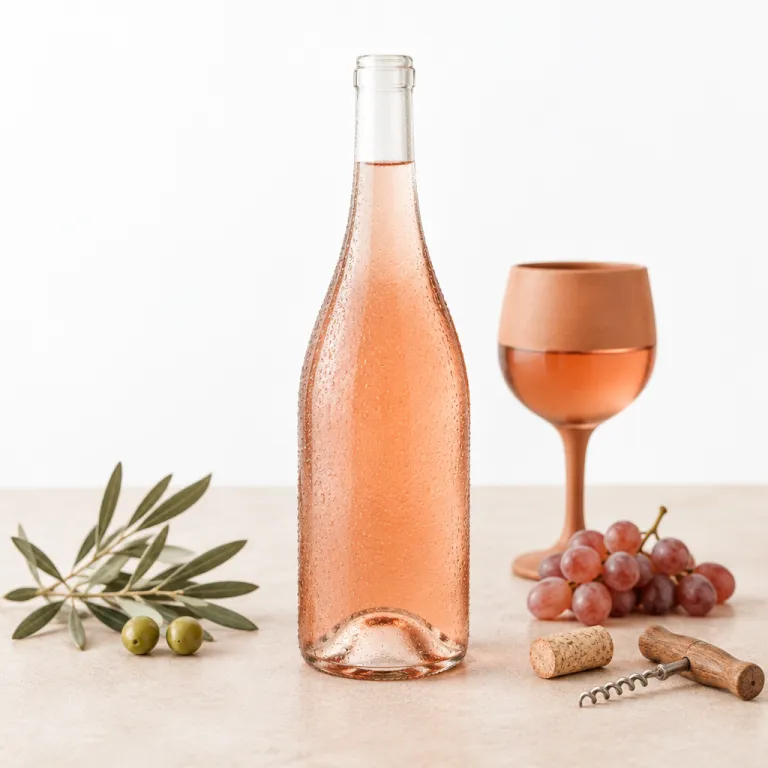
Why italian rosé wine belongs on your next vineyard journey
Italian rosé wine has moved from summer curiosity to serious travel motive. When you plan a trip around wine, rosato routes across Italy now rival classic red and white itineraries for depth and pleasure. A focused journey through regions like Abruzzo, Marche, and Sicily reveals how one grape variety can shape both landscapes and lifestyles.
Travelers who love wine often start with red wines in Tuscany or white wine along the Alto Adige valleys, then gradually read more about coastal rosé wines and feel intrigued. On the ground, you quickly see how Italian producers use stainless steel, concrete, or old oak to frame delicate rose notes, balancing alcohol, acidity, and texture in ways that suit long lunches and seaside evenings. This balance matters when you taste several wines in a day, because moderate alcohol and crisp acidity keep your palate fresh while you browse wines at cellar doors.
For vineyard travelers, Italian rosé is also a question of style and price. You can taste an award winning cerasuolo from Abruzzo beside a montepulciano based red wine from the same estate, comparing grape varieties, soil, and altitude in one sitting. Many estates now offer mixed wine flights that include Italian rose, red, and white options, which helps you understand how one grape can give both structured red and luminous rose wines. Producers such as Valentini in Loreto Aprutino or Emidio Pepe near Teramo, for example, pour both Cerasuolo d’Abruzzo and ageworthy Montepulciano d’Abruzzo, turning a simple tasting into a compact masterclass in regional style.
Cerasuolo d’Abruzzo and the character of montepulciano based rosato
Cerasuolo d’Abruzzo is the beating heart of serious Italian rose, and it rewards slow travel. Around Pescara and Chieti, vineyards climb from the Adriatic coast toward the Apennines, where montepulciano grape vines produce fruit with intense color and naturally high acidity. When gently pressed and fermented in stainless steel, this grape gives Cerasuolo d’Abruzzo wines their vivid cherry hue and savory depth.
In many cellars you will taste both cerasuolo and full bodied red wines from montepulciano, often at the same counter, which makes the comparison immediate and memorable. The red wine usually shows darker fruit, more alcohol, and firmer tannins, while the Cerasuolo d’Abruzzo version highlights rose notes, wild strawberry, and a mouthwatering finish that suits seafood or grilled vegetables. Ask to read the technical sheets; they often list grape variety percentages, fermentation temperatures, and whether the wine is certified as suitable for vegan or vegetarian drinkers.
Travelers interested in romantic vineyard experiences should not overlook rosato focused estates when planning routes. Many producers who craft Italian rosé wine also make delicate white wine and structured red, then offer mixed cases or cases mixed for visitors who want a full snapshot of Abruzzo terroir. For more context on how pale pink styles compare with deeper Italian expressions, you can explore detailed rosé vineyard journeys in specialist wine magazines or regional consorzio guides, then contrast those notes with what you taste in Abruzzo.
Planning an italian rosé itinerary across Italy’s key regions
Designing a trip around Italian rosé wine means thinking in arcs rather than isolated tastings. One elegant route begins in Abruzzo for cerasuolo, continues south to Puglia for negroamaro based rosato, then crosses to Sicily for nero d’Avola and frappato blends. Each stop reveals how climate, grape varieties, and coastal breezes shape both wine and local cuisine.
In Abruzzo, focus on montepulciano based Cerasuolo d’Abruzzo wines that show bright acidity and medium alcohol, ideal for long lunches by the sea. Moving to Puglia, you will encounter fuller bodied rose wines with riper red fruit notes, often at a very accessible price, which makes them attractive for wine cases to ship home. Sicily then adds another layer, where nero d’Avola rosato can feel almost like a chillable red, especially when producers keep extraction gentle and use stainless steel to preserve freshness.
When you browse wines at estates or regional enotecas, ask about mixed cases that combine rosato, red, and white wine from the same producer. These cases mixed by the winemaker give you a structured way to read the region’s story once you return home, glass by glass. For a broader European context on rose wine journeys, consult in depth overviews of rosé vineyard experiences from organizations such as the International Organisation of Vine and Wine or national wine boards before finalizing your Italian route.
Cellar door experiences, pricing, and shipping for italian rosato
Once you arrive at an estate, the practical side of Italian rosé wine travel begins. Most wineries in Italy now present clear tasting lineups that move from white wine to rosato and finally to red wines, allowing your palate to adjust gradually. Pay attention to how the staff explains grape variety choices, fermentation vessels, and serving temperatures, because these details help you understand both style and value.
Price structures vary, yet Italian rose often offers excellent quality for the cost compared with many international wines. A well made Cerasuolo d’Abruzzo or coastal rosato can sit comfortably below premium red wine from the same producer, which makes it easier to build wine cases that remain within luggage limits or shipping budgets. When you consider shipping options, ask whether the estate can send mixed wine selections that include Italian, red, and white bottles, because such mixed cases usually reflect the house identity better than single variety orders.
Many estates now highlight vegan or vegetarian friendly certifications on labels and technical sheets, especially for stainless steel fermented rosato where no animal based fining agents are used. If this matters to you, raise the question early in the tasting, then read the back labels carefully before confirming any cases mixed for export. Some award winning producers also collaborate with regional logistics partners, which can reduce shipping costs when several travelers consolidate their wine orders into shared cases.
Food pairings, serving rituals, and chillable red alternatives
Italian rosé wine shines brightest when paired thoughtfully with regional cuisine. Along the Adriatic coast, Cerasuolo d’Abruzzo often accompanies brodetto fish stews, grilled prawns, or simple plates of tomatoes and mozzarella, where the wine’s acidity and gentle tannins cut through richness. Inland, montepulciano based rosato can handle cured meats, roasted vegetables, and even lighter red meat dishes that might overwhelm a delicate white.
For travelers, understanding serving rituals elevates every glass you drink on the road. Most Italian rose wines show best at around 10–12 °C, slightly warmer than very cold white wine, which allows the grape notes and subtle red fruit aromas to emerge. Ask your host how they chill both rosato and chillable red wine, then apply the same approach when you return home by following guidance such as the article on elegant chillable red journeys on Wine Vineyard Travel.
Do not hesitate to compare a pale Italian rose with a light bodied red wine from the same grape variety, especially when producers experiment with based blend cuvées that include both red and white grapes. These tastings help you read how grape varieties behave across colors, from white wine freshness to red wines structure and rosato versatility. Many travelers end up ordering mixed wine cases that include both chillable red and rosato, because together they cover almost every food pairing scenario you will meet on an Italian table.
Building a cellar and memory bank from italian rosé travels
Thoughtful travelers treat each bottle of Italian rosé wine as both souvenir and study material. When you return home, those wine cases from Abruzzo, Puglia, or Sicily become a liquid diary of landscapes, conversations, and meals. To keep that diary meaningful, organize your bottles by region, grape variety, and style, then plan small tastings that revisit your journey.
Start by grouping Cerasuolo d’Abruzzo wines together, then compare them with lighter coastal rosato from other parts of Italy and with a few international rose wines for context. Note differences in color, acidity, alcohol, and aroma, writing short tasting notes that mention whether the wine was stainless steel fermented, oak aged, or a based blend of several grape varieties. Over time, you will read your own notes and see patterns emerge, such as how montepulciano based rosato ages compared with nero d’Avola or how price correlates with complexity.
When you plan future trips, use these results to refine your routes and budgets. Perhaps you decide to focus on award winning cerasuolo producers, or maybe you prefer mixed cases that include red, white, and Italian rose from smaller family estates. Either way, your cellar becomes a curated collection of Italian, red, and white wine that reflects not only regions and grapes but also the personal choices you made while browsing wines across Italy.
Key figures shaping italian rosé wine and vineyard travel
- Rosé production in Italy has represented roughly 10–12 % of national wine output in recent years, with Puglia and Abruzzo among the leading regions by volume according to data from the Italian Ministry of Agriculture and the International Organisation of Vine and Wine; readers should consult the latest ministry and OIV reports for updated figures.
- Cerasuolo d’Abruzzo covers on the order of a few hundred hectares of vineyards, a relatively small area compared with major red appellations, which helps explain why many award winning examples remain excellent value for their quality level; exact surface area can be verified in current ministerial statistics and consorzio documents.
- Average serving temperatures for quality rosé wines are recommended between 8 and 12 °C by organizations such as the Italian Sommelier Association and other professional sommelier bodies, slightly warmer than many people’s home refrigerators, which often sit closer to 4 °C.
- Studies from the International Organisation of Vine and Wine indicate that global rosé consumption has grown significantly over the last decade, with Italy both a producer and an increasingly important exporter of premium rosato; consult recent OIV reports for precise growth percentages.
- Shipping regulations for wine vary widely between countries; travelers should check customs allowances, which can range from a few bottles to several wine cases per person, before arranging cases mixed at Italian estates.
FAQ about italian rosé wine and vineyard travel
What makes italian rosé wine different from French rosé?
Italian rosé wine, often labeled rosato or cerasuolo, tends to lean on local grape varieties such as montepulciano, negroamaro, and nero d’Avola, which can give deeper color and more pronounced red fruit notes than many Provençal styles. Regions like Abruzzo and Puglia often produce rosato with slightly higher acidity and structure, making it suitable for pairing with richer foods. French rosé, especially from Provence, usually emphasizes very pale color, delicate aromatics, and a lighter body.
Which Italian regions are best for visiting rosato focused wineries?
Abruzzo is essential for Cerasuolo d’Abruzzo, where montepulciano based rosato shows both freshness and depth. Puglia offers generous, fruit forward rosato from grapes like negroamaro and primitivo, often at an attractive price for building mixed wine cases. Sicily adds characterful nero d’Avola rosato, while northern regions such as Veneto and Alto Adige provide lighter, alpine influenced rose wines.
How should I serve italian rosé wine during my trip?
Serve Italian rose wines slightly chilled, ideally around 10–12 °C, so that the grape notes and subtle red fruit aromas can express themselves. If the bottle feels very cold from an ice bucket or refrigerator, let it sit in the glass for a few minutes before tasting. Use standard white wine glasses rather than narrow flutes, because the wider bowl helps you read the wine’s aromas more clearly.
Can italian rosato be suitable for vegan or vegan vegetarian travelers?
Many Italian rosé producers now bottle wines that are explicitly labeled vegan or vegetarian friendly, meaning no animal derived fining agents were used. Stainless steel fermented rosato is often a good candidate for such certification, but you should always read the label or ask the winery directly. During tastings, mention your dietary preferences early so staff can select appropriate wines and mixed cases for you.
Is it better to ship wine cases home or carry bottles in luggage?
The choice between shipping wine cases and carrying bottles depends on your destination’s customs rules, airline baggage limits, and the total price once shipping fees are included. Shipping allows you to order larger mixed cases, including red, white, and Italian rose, without worrying about weight at the airport. Carrying a few bottles in specialized luggage sleeves can be economical for small quantities, but always check airline and border regulations before you travel.
Trusted references for further reading
- Italian Ministry of Agriculture – official statistics on regional wine production and appellations, including updated data on rosato volumes and Cerasuolo d’Abruzzo vineyard area.
- International Organisation of Vine and Wine (OIV) – global data on rosé consumption and production trends, with country level breakdowns for Italy.
- Italian Sommelier Association (AIS) – guidelines on service temperatures, grape varieties, and regional styles for Italian rosé wine.