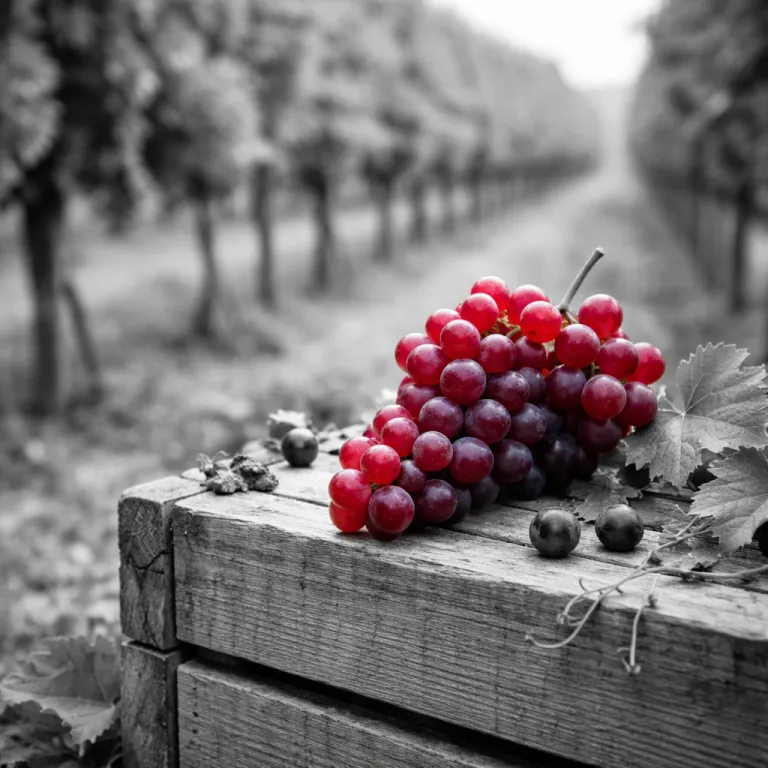
Fine wine meaning for travelers in vineyards worldwide
The fine wine meaning begins with a simple idea, yet it unfolds into a rich journey through vineyards and cellars. When you travel for wine, the meaning of fine wines becomes tied to place, people, and the time you spend tasting in each region. On the road, every bottle of wine that you open in a vineyard guesthouse or cellar tells a story about age, climate, and the winemaker’s craft.
Professionals agree that fine wine is typically characterized by high-quality production, aging potential, and market value. This working definition helps travelers understand why a red wine from Bordeaux or a white wine from Napa Valley can command a higher price than many other wines. As you move between regions, you will see that the idea of fine wine is not only about luxury, but also about age-worthiness, terroir expression, and the patience required for maturing bottles in the right cellar conditions.
There is no single official definition of fine wines, yet several shared traits appear again and again in vineyards. Producers of high-end cuvées focus on high quality grapes, careful work in the vines, and precise decisions about when to harvest and how long to age the wine. For a traveler, the most practical definition is this: a fine wine is one that can improve with time, reflect its region clearly, and justify its price through depth, balance, and wine age potential.
How sommeliers explain fine wine meaning during tastings
When you sit with a sommelier in a vineyard tasting room, the concept of fine wine becomes more concrete with each sip. A skilled guide will compare red wine and white wine side by side, explaining how structure, acidity, and tannins influence age-worthiness and overall quality. Listening carefully in English, even in non English speaking regions, helps you connect technical terms with the sensations you feel in your mouth.
Many sommeliers use a classic Bordeaux or a grand cru from Burgundy as an example of bottles that reward patience. They might pour a young cabernet sauvignon from Napa Valley next to an older bottle from Bordeaux or Burgundy to show how time in the cellar softens tannins and deepens aromas. During these sessions, you will often hear them return to the same core idea: fine wines are built for long-term development, not just for immediate pleasure, and their definition rests on balance, concentration, and the promise of evolution.
To prepare for these conversations, it helps to train your palate before you travel between vineyards. Reading detailed tasting note guides, such as those on how to read wine notes like a sommelier, will give you the language to ask better questions about wine age and quality. With this vocabulary, you can discuss sparkling wines, still red wines, and delicate wine white styles with confidence, and you will better understand why some bottles are considered fine wine while others remain simple, everyday wines.
Key regions where fine wine meaning comes to life
Travelers often first encounter the fine wine meaning in Bordeaux, where châteaux such as Château Margaux and Château Lafite Rothschild have shaped the global image of age worthiness. In this region, red wine blends based on cabernet sauvignon and merlot are crafted for long life, and many estates also produce white wine with remarkable freshness and structure. Walking through these vineyards, you will see how soil, climate, and cellar practices combine to create wines capable of aging gracefully for decades.
Across the border in Burgundy, the focus shifts to pinot noir and chardonnay, and the term grand cru appears frequently on labels. Here, the fine wines of small villages express tiny variations in slope and soil, giving travelers a vivid example of how region defines style and quality. Tasting flights of red wines and white wines in these cellars shows how the fine wine meaning is inseparable from the idea of terroir, and why the price of a single bottle can vary so widely from one vineyard to the next.
Outside Europe, Napa Valley has become a benchmark for New World fine wine, especially for powerful cabernet sauvignon and structured Champagne-style sparkling wines. Estate visits often include discussions of wine age potential, barrel programs, and how long each bottle should rest before opening, which deepens your understanding of aging in different climates. For more detailed sommelier perspectives tailored to travelers, resources such as refined wine tasting tips for vineyard travel enthusiasts can help you plan which regions to prioritize when you seek high quality fine wines.
Styles of wine that shape the fine wine meaning
The fine wine meaning is not limited to one color or style, and your travels should reflect that diversity. Classic red wine from Bordeaux and Burgundy, elegant pinot noir from cool climate regions, and structured cabernet sauvignon from Napa Valley all represent different paths to high quality and age worthiness. When you taste these wines in their home regions, you will notice how tannin, acidity, and fruit concentration interact to create bottles that can mature over long periods of time.
White wine also plays a central role in the world of fine wines, especially in places like Burgundy, the Loire, and certain cooler parts of California. A great wine white with vibrant acidity and layered aromas can age for many years, evolving from citrus and floral notes into honeyed, nutty complexity that illustrates long-term development in a different register. Sparkling wines, including traditional method Champagne from Champagne and high quality sparkling cuvées from other regions, offer another example of fine wine, as their long lees aging and precise blending give them both finesse and impressive wine age potential.
Travelers should not overlook rose wine, which in its finest forms can also express terroir and structure, even if its age worthiness is usually shorter than that of powerful reds or structured whites. In many coastal regions, a chilled glass of pale rosé served at the right time of day can perfectly capture the fine wine meaning for that moment, even if the bottle is not destined for decades in the cellar. The key is to understand that fine wines are defined by balance, depth, and a clear sense of place, whether they are red wines, white wines, sparkling wines, or carefully crafted rosés.
Practical ways to judge fine wine quality while traveling
When you stand at a tasting counter, the fine wine meaning becomes a practical question: how do you judge quality in the glass. Start by looking at structure, asking whether the acidity, tannins, and alcohol feel in harmony, because this balance signals both current pleasure and future age worthiness. Then consider length, noticing how long the flavors of the wine, whether red or white, remain on your palate after you swallow.
Price can offer clues, but it is never a perfect definition of fine wines, especially in emerging regions where high quality producers are still building reputations. Ask the winery team about their vineyard practices, yields, and cellar techniques, and listen for details about careful grape selection, gentle extraction, and thoughtful maturation in oak or stainless steel. When they explain why a particular bottle should rest for a certain wine age before opening, you will gain insight into how they understand the fine wine meaning in their own region.
Context also matters, especially for travelers who share their experiences on Facebook Instagram or other social platforms. A modestly priced bottle enjoyed at sunset in a remote vineyard can feel like fine wine because the moment, the people, and the place elevate the experience. For a deeper look at how modern experiences are reshaping traditional tours, you can read about what has replaced the classic winery tour and why that matters, which helps explain how the fine wine meaning now includes storytelling, hospitality, and education alongside technical quality.
Cellars, aging, and gifting strategies for fine wines on the road
Understanding fine wine meaning also involves thinking about what happens after you leave the vineyard and bring bottles home. A proper cellar, whether a dedicated room or a small temperature controlled cabinet, protects wine from heat, light, and vibration, allowing slow, predictable aging to unfold. When you buy red wines, white wines, or sparkling wines at the estate, ask the team how long each bottle should rest and at what temperature it will age best.
Many travelers choose to buy fine wines as gifts, selecting bottles that reflect the region they visited and the people they met. A grand cru from Burgundy, a structured cabernet sauvignon from Napa Valley, or an elegant Champagne from a respected house can all serve as meaningful gifts that carry the fine wine meaning across borders. When choosing such bottles, consider both the recipient’s taste and the wine age potential, so that the wine will either be ready to drink soon or capable of rewarding patience in their own cellar.
Investment is another dimension of fine wine, especially in established regions like Bordeaux and Burgundy where secondary markets are active. Industry sources often note that fine wine is typically characterized by high-quality production, aging potential, and market value. While not every traveler will buy wine as a financial asset, understanding this definition helps explain why some bottles command high prices and why careful storage, thoughtful selection, and respect for age worthiness are central to the global fine wine meaning.
Key figures that frame the global fine wine meaning
- The global fine wine market value reached about 42,900 million USD according to Statista in 2023 (Statista, “Value of the global fine wine market from 2017 to 2027”).
- Data from Liv-ex indicate that the average annual return on fine wine investment has been around 13.6 percent over the long term (Liv-ex, “Fine Wine 1000 Index: long-term performance”), which helps explain why some travelers allocate part of their wine budget to age worthy bottles rather than only immediate consumption.
- Regions such as Bordeaux, Burgundy, and Napa Valley remain central to this market, yet the emergence of new fine wine regions has diversified travel itineraries and broadened the fine wine meaning beyond a few historic appellations.
- Growing interest in organic and biodynamic wines has encouraged producers to refine vineyard practices, which often improves perceived quality and reinforces the link between terroir expression and the definition of fine wine.
- The expansion of online wine auctions has made it easier for travelers to resell or acquire rare bottles after their trips, connecting personal vineyard experiences with the wider global market for collectible wines.
FAQ about fine wine meaning for vineyard travelers
What defines a fine wine when I visit a vineyard
Fine wine is typically characterized by high-quality production, aging potential, and market value, which you can assess by asking about vineyard practices, cellar techniques, and the expected wine age for each bottle. During tastings, look for balance, length, and a clear sense of place, because these traits usually signal that the wine will evolve positively over time. Regions such as Bordeaux, Burgundy, and Napa Valley provide many textbook examples of fine wines that meet this practical definition.
Which regions should I prioritize to understand fine wine meaning
Bordeaux and Burgundy in France remain essential for grasping the traditional fine wine meaning, especially through grand cru sites and long lived red wines and white wines. Napa Valley offers a New World perspective, with powerful cabernet sauvignon and structured chardonnay that show how different climates can still produce high quality, age worthy wines. As you gain experience, you can expand to other regions that focus on pinot noir, Champagne style sparkling wines, and characterful rose wine to see how diverse fine wines can be.
Is fine wine a good investment for a traveler
Fine wine can be a profitable investment due to its potential for appreciation over time, particularly in established regions with strong secondary markets. However, travelers should first ensure they have suitable cellar conditions and reliable shipping options before buying bottles primarily for financial gain. For many visitors, the most rewarding approach is to buy a mix of wines for drinking and a few carefully chosen bottles with strong age worthiness that might also hold or increase their price.
How can I tell if a wine will age well
A wine that will age well usually shows firm structure, vibrant acidity, and concentrated yet balanced flavors, whether it is red wine, white wine, or sparkling wine. Ask the winery team how long they expect the bottle to evolve and what changes they anticipate in aroma and texture over time. If they speak confidently about the wine age curve and can reference past vintages as an example, that is a strong sign of genuine long-term potential.
What is the best way to transport fine wines from vineyards
When transporting fine wines, keep bottles cool, upright, and protected from light, using insulated cases if you travel through warm regions. Avoid leaving wine in hot cars or exposed luggage areas, because heat damage can quickly erase the benefits of careful cellar work and age worthiness. For valuable fine wines, many estates and merchants offer specialized shipping services that maintain stable conditions from the region to your home cellar.