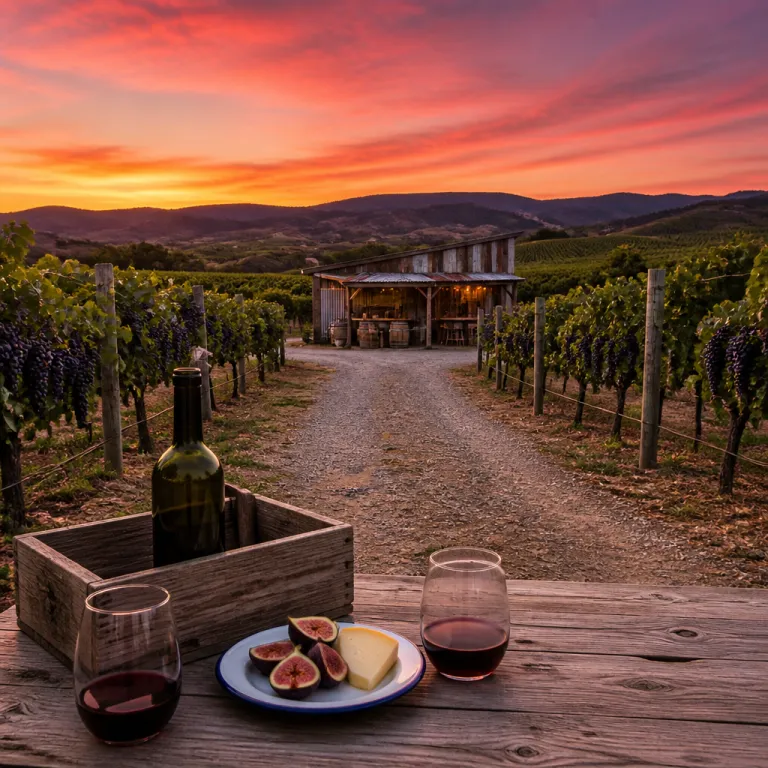
Reframing the budget vineyard trip: where value really lives
Luxury in wine country is not the marble lobby but the vineyard row where the winemaker pauses to pour a glass beside the vines. A budget vineyard trip wine tasting affordable strategy starts with shifting your money from décor to the actual wine experiences that bring you closer to the land and the people who farm it. When you treat every tasting room as a classroom rather than a bar, even a short day in wine country becomes a masterclass in terroir.
Think of the classic visit to Napa Valley, where the average tasting fee now hovers around 50 USD per person for standard wine tastings. That number can intimidate first timers who want to visit Napa without burning through their entire budget on a single flight of wines, yet it also hides a truth ; the most memorable tastings often happen at a small family winery off the main highway. In those quieter tasting rooms, you are more likely to talk to someone who pruned the vineyards at dawn and can explain why this particular valley wine tastes of bay leaf and graphite rather than plush black fruit.
Affordable wine travel is about choosing where to splurge and where to save, not about cutting quality. You might skip one marquee winery in Napa in order to fund three tastings at under the radar cellars in nearby wine regions such as the Santa Rita Hills or Temecula Valley. Operators like Coastal Sip Tours in Temecula Valley now specialise in pairing luxury transportation and expert guides with access to wineries that keep tasting fees reasonable, proving that a budget vineyard trip wine tasting affordable plan can still feel indulgent from the first pour to the last sunset over the hills.
Strategic timing and routes: when and where wine country costs less
Timing is the quiet lever that turns a budget vineyard trip wine tasting affordable itinerary from wishful thinking into reality. Mid week visits to Napa Valley, the Texas Hill Country or the Finger Lakes region usually mean lower tasting fees, easier reservations and more time with the staff in each tasting room. Off peak seasons outside harvest bring softer light, gentler crowds and often the best chances to speak directly with winemakers about their wines.
Wine regions that sit just beyond the global spotlight often deliver the best ratio of quality to cost. The lakes region around the Finger Lakes in New York, for example, offers cool climate pinot noir and chenin blanc at tasting fees that are often half of those charged by headline wineries in Napa, yet the views across the lakes can be just as cinematic. In Texas Hill Country, a carefully planned wine trail linking small family winery properties can give you a full day of tastings for the price of a single premium flight at a marquee Napa address.
Transport is another place to think like an insider rather than a tourist. Group tours with operators such as Coastal Sip Tours in Temecula Valley or shared shuttles in Napa Valley spread the cost of a driver while still delivering access to excellent wineries and cellar rooms. If you are flying home, some airlines now make it easier to bring back a case from wine country ; for example, this guide to a sip and ship style policy for flying wine home can help you turn one focused day of wine tasting into months of affordable wine drinking back in your own kitchen.
Choosing wineries and passes: how to taste more, pay less
Curating the right mix of wineries is where a budget vineyard trip wine tasting affordable plan either succeeds or collapses. Start by anchoring your day with one benchmark winery in Napa Valley or another flagship wine country, then build around it with small vineyards and family winery addresses that prioritise conversation over spectacle. The goal is to taste the best wines you can access, not to tick off every name on a bucket list compiled by someone else.
Regional passes and wine trail cards are underused tools for keeping tasting fees in check. Many wine regions, from the Finger Lakes to the Texas Hill Country, sell one or two day passes that bundle multiple wine tastings at a discount, often including a complimentary glass or reduced price flight at participating tasting rooms. In Napa, where the average tasting fee has climbed steadily, these passes can be the difference between visiting three wineries and visiting six without compromising on quality.
Before you visit Napa or any other valley wine hub, read the fine print on each pass and map your route carefully. Some tasting rooms require reservations even when you hold a pass, while others offer upgraded wine experiences or library cellars access if you visit mid week rather than on a Saturday. For first timers, it is worth studying a guide to timing, transport and etiquette for vineyard visits so that every tasting room interaction feels relaxed, informed and respectful, which in turn often leads to more generous pours and deeper conversations.
Free and low-cost tastings: festivals, clubs and emerging regions
Not every meaningful glass of wine in wine country requires a tasting fee at all. Free and low cost tasting events such as open cellar days, regional wine fairs and harvest festivals can compress dozens of wine tastings into a single afternoon, turning one budget vineyard trip wine tasting affordable weekend into a survey of an entire region. Models similar to Tasting Australia’s Town Square concept, where producers pour in a central plaza, are increasingly common in American wine regions and offer exceptional value for solo travellers.
Wine club memberships, when chosen carefully, can also be a stealth tool for keeping costs down. Many wineries in Napa Valley, the Finger Lakes and the lakes region of upstate New York waive tasting fees for members, extend that benefit to a guest and offer discounted glasses or flights in their tasting rooms, which can transform a single day visit into a series of low cost returns. The key is to join clubs at wineries whose wines you genuinely want to drink at home, turning every shipment into an extension of your time in wine country rather than an obligation.
Emerging wine regions around the world often deliver the most striking combination of views, wines and affordability. Places such as Moldova, Georgia or India’s Nashik area, where estates like Sula Vineyards have pioneered modern wine tourism, typically charge modest tasting fees while offering expansive vineyard views and access to cellars that would be tightly controlled in more famous regions. As one industry guide puts it, “Research online for tour operators offering premium experiences at reasonable prices” and “Off-peak seasons often provide a more intimate experience and better rates”, advice that applies as much to a lakes region in New York as to a hillside in Eastern Europe.
Designing a luxe-feeling day: food, views and sensory detail
A day in wine country feels luxurious when every sense is engaged, not when every stop is expensive. Start with a simple but thoughtful picnic sourced from a local market, then carry it to a public overlook or lakeside table where you can pair regional cheeses with a bottle of affordable wine bought after your first tasting. This approach keeps restaurant costs low while giving you the freedom to linger over the views that drew you to wine country in the first place.
In Napa Valley, for example, you might begin with a morning tasting at a small family winery that focuses on pinot noir and chenin blanc, then drive to a quiet pullout overlooking the valley for lunch rather than booking a multi course menu. Later, a second tasting room visit could focus on a curated flight of valley wine from older cellars, where a single glass of a mature vintage offers more insight than three hurried tastings at a crowded bar. The same rhythm works in the Finger Lakes or the Texas Hill Country, where lakes and rolling hills provide natural amphitheatres for slow afternoons.
Pay attention to the non liquid details that shape your memory of the day. A well chosen room in a modest guesthouse with vineyard views can feel more indulgent than a generic property on the highway, especially if you end the evening with a final glass on a small terrace watching the light fade over the vineyards. For deeper inspiration on how to stretch both budget and imagination in dramatic landscapes, study itineraries such as this week long guide to Argentina’s Uco Valley wine country, then adapt the same principles of pacing, off peak timing and focused tastings to Napa, the Finger Lakes or your chosen lakes region.
Practical tactics: bookings, transport and using expert operators
Execution is where a budget vineyard trip wine tasting affordable plan either protects your wallet or quietly leaks cash. Booking in advance allows you to secure lower mid week rates for both rooms and tastings, while also giving you time to compare tasting fees across wineries in Napa Valley, the Finger Lakes and the Texas Hill Country. Many operators and estates quietly offer group discounts, so even solo travellers can benefit by joining small group tours rather than arranging private drivers.
Specialist operators are increasingly focused on pairing luxury touches with accessible pricing. Coastal Sip Tours in Temecula Valley, for example, uses luxury transportation and expert guides to link guests with local vineyards that keep tasting fees reasonable, while Grimm’s Bluff and Spear Winery on California’s Central Coast offer guided vineyard walks and structured tastings that emphasise education over spectacle. These models align with a broader shift in wine tourism, where the expected impact is increased accessibility to high quality wine experiences without diluting the integrity of the wines themselves.
When planning your own route, remember the core advice from industry FAQs ; “Book in advance.”, “Check for group discounts.” and “What is the best time to visit vineyards for tastings? Off-peak seasons often provide a more intimate experience and better rates.”. Use those principles to decide whether a pass for a regional wine trail makes sense, whether to prioritise a single family winery with deep cellars over multiple quick tastings, and how to balance your bucket list stops in Napa with exploratory visits to smaller vineyards in nearby wine regions. The result is a trip that feels quietly luxe from first tasting room to last sunset, even while your spreadsheet stays firmly under control.
Key figures for smart wine country budgeting
- The average Napa Valley tasting fee now sits around 50 USD per person for a standard flight, which means three tastings in one day can easily exceed 150 USD before tax and tips, so passes and mid week discounts materially change the total cost.
- Smaller wineries in less famous wine regions often charge tasting fees closer to 30 USD, a level highlighted in industry surveys of typical charges at intimate estates, which allows travellers to double the number of tastings for the same budget.
- Global wine tourism has been growing at an estimated double digit compound annual rate, which has encouraged operators to create more tiered wine experiences at different price points, increasing options for travellers who prioritise value.
- Group tours that consolidate transport can reduce per person driving costs by 30 to 50 percent compared with private car hire, freeing up funds for an extra glass, upgraded flight or a special bottle from the cellars to take home.
FAQ: making wine country feel luxe on a budget
How can I find affordable luxury wine tours that still feel special ?
Research online for tour operators offering premium experiences at reasonable prices, then cross check reviews for detail about the actual wines poured rather than just the vehicles or décor. Look for companies that partner with small family winery estates and emphasise education, such as vineyard walks or cellar visits, because these often deliver richer wine experiences at lower tasting fees. In regions like Temecula Valley, Napa Valley or the Finger Lakes, combining one such curated tour with a self guided day can balance cost and depth.
Are group discounts available for wine tastings and vineyard tours ?
Many operators offer discounts for larger groups ; inquire directly, because these offers are not always advertised prominently. Even in Napa Valley, where tasting fees are relatively high, sharing transport and booking as a group can reduce per person costs enough to fund an extra tasting room visit or a special glass from the reserve list. Some regional wine trail passes also build in group pricing, so check whether your chosen wine country offers such schemes before finalising your itinerary.
What is the best time to visit vineyards for tastings if I am on a budget ?
Off peak seasons often provide a more intimate experience and better rates, both for rooms and for wine tastings. Mid week days typically see lower demand in Napa Valley, the Finger Lakes and the Texas Hill Country, which can translate into waived tasting fees for club members, quieter tasting rooms and more generous pours. Shoulder seasons outside major holidays also make it easier to secure appointments at sought after wineries without paying premium prices.
How many wineries should I plan to visit in one day ?
Three to four wineries in a single day is usually the sweet spot for both your palate and your budget. This pace allows time for a full flight in each tasting room, a relaxed picnic or market lunch and at least one unhurried conversation in the cellars without rushing. Trying to cram in more stops often leads to superficial tastings, higher transport costs and less appreciation of the wines in your glass.
Is joining a wine club worth it for a budget conscious traveller ?
Wine club memberships can be excellent value if you genuinely enjoy the wines and plan to return to that wine country. Many clubs waive tasting fees for members, extend discounts on glasses and bottles and sometimes offer complimentary or reduced price tastings for guests, which can quickly offset the cost of membership. Focus on clubs at small family winery estates where the wines feel like an authentic extension of your visit rather than a generic subscription.