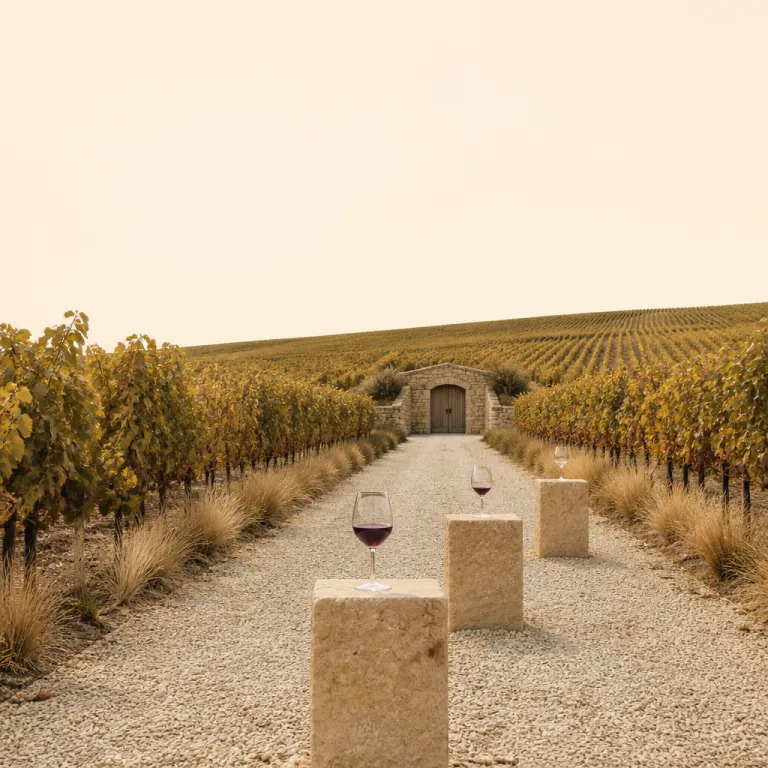
How to plan a midsummer wine tasting day that protects your palate
Designing a midsummer wine tasting day that protects your palate
In peak summer, the most effective wine tasting fatigue strategies always start with the clock. A well structured tasting day in wine country respects both the heat curve and your palate, so you move from freshness in the morning to depth in the late afternoon without feeling dulled. Think of the whole experience as a gentle arc rather than a race between wineries.
Professional tasting guide standards suggest that three wineries per day is the upper limit if you want each wine tasting to remain precise and pleasurable. Visit Napa Valley’s 2023 visitor survey notes that “the majority of guests now plan two to three winery experiences per day,” which is exactly where serious tasters should stay during warm weather. Any more tastings and you are not just rushing; you are flattening the subtle differences between wines that you travelled across the country to appreciate.
Plan your time day in three clear chapters that match the summer sun. Schedule your first visit to a winery between 10:00 and noon, when tasting rooms are cooler and the valley floor has not yet started to radiate heat back at you. Reserve the late afternoon for a final, slower tasting experience at an estate with shaded terraces or a deep cellar room, where the last glass can be as articulate as the first.
Within that structure, alternate styles so your palate never faces the same profile for too long. Start each day wine session with high acid whites or sparkling wines, then move to structured rosés and only later to medium bodied reds. Save any cabernet sauvignon focused tasting room for the final winery, when you can sit, take your time, and let one flight carry the whole afternoon.
Morning light, midday shade, late afternoon calm
The best time for serious tasting in summer is the morning, when your senses are rested. Arrive at your first estate or district cellar door just as they open, and you will often have the tasting room almost to yourself, which sharpens both concentration and conversation. This is when a guided tasting experience of whites and rosés can quietly reset your expectations for the day.
Follow the classic tasting guide rule that Wine & Spirit Education Trust, Wine Enthusiast and Decanter all reinforce: “Start with lighter wines.” Use this first visit to explore the nuances of dry whites, then deepen your understanding of what dry actually means with a focused read on a dry wine explainer such as understanding what is dry wine for refined vineyard travel experiences. By the time the sun climbs higher, you will have already banked a precise, low fatigue flight before the heat and crowds build.
By late morning, shift from pure tasting to a slower visit that includes the vineyard itself. Walking a few rows on the valley floor or hillside before lunch helps you connect the wines to their place, while giving your palate a pause between tastings. Ask the winery équipe whether they can pour a single glass in the vines rather than another full flight in the tasting rooms.
Midday should be about shade, food and hydration, not another rapid fire series of wine tastings. Book a long table under trees or a pergola at an estate restaurant that leans into farm to table cooking, a format that has seen spending on experiential packages rise significantly in recent seasons. A proper lunch with water, neutral bread and simple dishes will reset your senses so the late afternoon wine tour feels like a new chapter, not a continuation of the same onslaught.
Choosing wines, regions and pacing that suit the heat
Not every style of wine loves the height of summer, and your itinerary should reflect that. When warm weather dominates the valley floor, regions that specialise in crisp whites and rosés often offer a more comfortable tasting experience than districts built around dense cabernet sauvignon. In July and August, that can mean prioritising coastal or higher altitude wine country over the hottest inland pockets.
Within any given country or region, look for wineries that offer flexible tasting experiences rather than rigid flights of heavy reds. Many estates now structure their tastings so you can begin with sparkling wines, move through aromatic whites, then decide whether your palate still has the energy for deeper reds. This kind of pacing is one of the most effective ways to manage wine tasting fatigue in summer, because it lets you stop before your senses are overwhelmed.
Heat management is as important as alcohol management when planning a wineries day. Seek out tasting rooms with thick stone walls, underground cellars or shaded courtyards, and avoid standing for long periods in exposed terraces during the harshest afternoon light. Wear breathable clothing, a hat and light colours, and treat every glass of water between wines as part of the tasting, not an afterthought.
Hydration should follow a simple rhythm that professionals quietly observe. Alternate each tasting pour with a full glass of water, and use neutral foods like bread or plain crackers as palate cleansers between different wines or wineries. “Water, plain bread, and neutral crackers” remain the most effective tools for keeping your tasting experience sharp across the whole day.
From multi stop marathons to immersive, wellness focused wine tours
One of the most powerful pacing strategies for avoiding wine tasting fatigue in summer is to rethink the classic multi stop wine tour. Rather than four or five quick tastings scattered across wine country, many couples now choose a single immersive estate day, with a cellar visit, a vineyard walk, a long lunch and a focused afternoon flight. This shift mirrors a broader trend in premium wine tours, where wellness and rest are built into the experience rather than bolted on.
Data from specialist operators such as Winetraveler and Into the Vineyard indicates that their guests typically cap itineraries at three wineries per day, and that serious tasters often prefer just two during peak season. That leaves space for a spa treatment, a pool session or a simple nap between the morning and late afternoon visits, which does more for your palate than any technical tasting guide. Alternating tasting days with non wine activities, from e bike rides to art galleries, keeps your senses fresh across a full week in Napa Valley or any other region.
Harvest season brings its own temptations, with extended opening hours and special events that can turn a calm wineries day into a marathon. Resist the urge to cram every estate, district and valley floor icon into one itinerary, and instead book deeper experiences at fewer addresses. A single vertical of cabernet sauvignon in a cool cellar room, with time to talk through vintages and vineyard parcels, will stay with you far longer than five rushed flights.
Think of your midsummer trip as a sequence of carefully edited experiences rather than a checklist of tasting rooms. For example, a simple Napa Valley day might start with a 10:00 a.m. sparkling and white wine tasting in a cool cellar, move to a shaded farm to table lunch with one glass of rosé, then finish with a 4:00 p.m. seated cabernet sauvignon flight in a stone walled estate. For more nuanced pairing ideas that can shape those long lunches and dinners, explore our guide to cutting edge wine pairings for world cuisines, and let the food help pace your glasses.
FAQ
How many wineries should I visit in a single summer day?
For midsummer conditions, limit yourself to a maximum of three wineries per day. This aligns with professional practice and helps prevent palate fatigue, especially when warm weather and higher alcohol reds are involved. Two visits with longer, more detailed tastings often feel more luxurious and memorable than four rushed stops.
What is the best time of day for wine tasting in hot weather?
The best time of day for focused tasting in summer is between 10:00 and noon. Temperatures are lower, tasting rooms are quieter, and your senses are fresher, which makes it easier to distinguish subtle differences between wines. Reserve the late afternoon for one final, slower visit in a shaded or cellar based setting.
Should I eat before and during a wine tasting itinerary?
You should always eat before starting a wine tour, choosing neutral flavours that will not dominate your palate. During the day, plan a substantial lunch with water, bread and simple dishes to reset your senses between morning and afternoon tastings. Avoid strong spices and heavy perfumes, which can interfere with your ability to assess wines accurately.
How can I avoid palate fatigue when visiting Napa Valley in summer?
To avoid palate fatigue in Napa Valley during peak season, cap your wineries day at two or three visits and prioritise morning tastings. Focus on lighter whites and rosés early, hydrate consistently, and save any concentrated cabernet sauvignon flights for a single, unhurried late afternoon session. Build in non wine activities or rest days so your palate and energy can fully recover.
Are guided tastings worth booking in busy summer months?
Guided tastings are especially valuable in summer, when crowds and heat can easily distract you. A structured tasting guide or educator will pace pours, suggest palate cleansers and adjust the flight to your energy level, which protects both enjoyment and learning. In busy periods, a pre booked guided session often secures quieter spaces within the winery, from private rooms to cooler cellar corners.