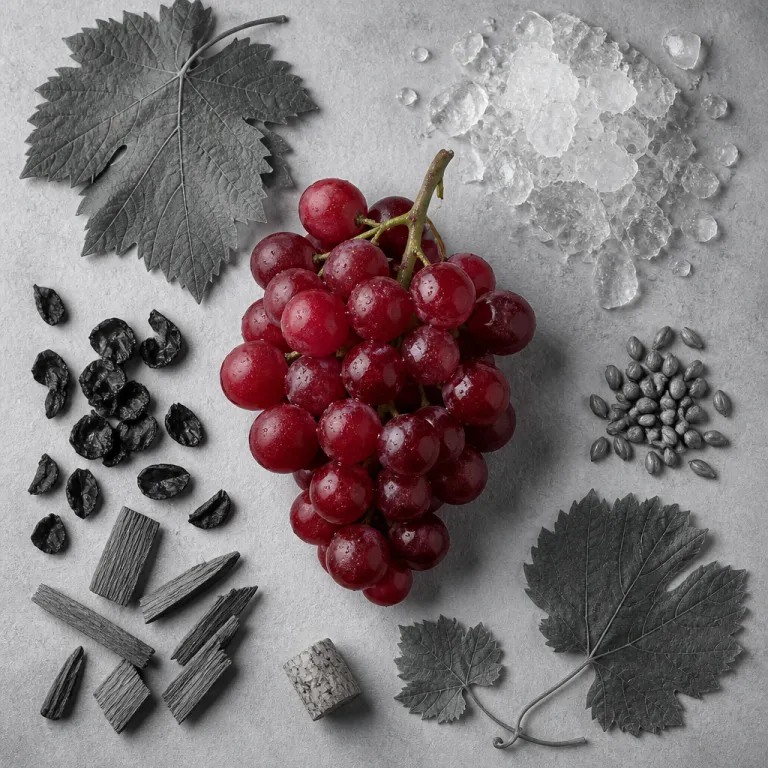
Chillable red wine for vineyard travelers
Why chillable red wine belongs on your next vineyard escape
Chillable red wine has moved from insider secret to essential travel companion. Light bodied reds with soft tannins feel perfectly suited to warm terraces, riverside picnics, and late afternoon tastings when you want refreshment rather than heaviness. When you plan wine focused journeys, choosing the right red wines to chill can transform simple moments into vivid sensory memories.
Wine and travel writer Vicki Denig captures this shift clearly when she states, “What is a chillable red wine? Light-bodied red wine best served chilled.” Her definition aligns with what many sommeliers now recommend for vineyard visitors who want a dry red that still feels bright, fruit forward, and easy to drink in the heat. These chilled red styles highlight red fruit and red berries rather than oak and extraction, which makes them ideal when you move between cellar visits, countryside walks, and relaxed meals.
On the road, travelers often ask whether a red wine should ever be served chilled, especially when they encounter a pale gamay or a translucent pinot noir in a cool ice bucket. The answer is yes, provided the grape variety is naturally light and the winemaking emphasizes low tannin structure and fresh fruit notes. When you serve chilled red wines at around 10–13 °C, a range also recommended by sources such as Inter Beaujolais and Liquor.com, you enhance their red fruit aromas, keep alcohol feeling low, and create a style that pairs gracefully with local dishes from charcuterie to grilled vegetables.
Key grapes and styles of chillable reds to seek on the road
Planning a wine focused trip means understanding which grape varieties make the best chillable red options. Gamay from Beaujolais, pinot noir from cooler French regions, and Italian frappato from Sicily all produce light bodied reds with naturally low tannins and vivid red berries character. These wines respond beautifully to a gentle chill and reward travelers who want to buy bottles that can handle both cellar tastings and picnic settings.
In France, look for gamay based red wines in Beaujolais villages and in nearby Côtes Catalanes, where an elegant guide to southern French reds can help you navigate blends that remain light and fruit forward. Many producers here craft a red blend that includes grenache, carignan, and sometimes syrah, yet still keeps tannins soft and extraction low, making the wines suitable to serve chilled on coastal terraces. You will also encounter cabernet franc in the Loire, which can be a superb chilled red when vinified with gentle extraction and minimal french oak influence.
Beyond France, travelers should pay attention to frappato in Sicily, which offers perfumed red fruit, delicate spice notes, and naturally low tannin levels that shine when you chill the wine slightly. In cooler New World regions, pinot based red wines and even some pale red field blends, where a small portion of red grape is cofermented with white, can yield translucent reds or deep rosés that behave like chillable reds. During a summer visit to a small estate in Oregon’s Willamette Valley, for example, a lightly chilled pinot noir field blend poured straight from a creek-side bucket showed how a modest red can feel as refreshing as a white when served at the right temperature. When tasting, ask producers whether their red wine is intended to serve chilled, because winemaking choices around maceration, oak, and alcohol will determine how refreshing the final wines feel.
How to taste and serve chilled red wines during vineyard visits
Serving temperature shapes every impression you have of a red wine, especially when you explore chillable reds in warm climates. Producers and educators generally recommend that you chill these wines to about 10–13 °C, which corresponds to 50–55 °F and keeps aromas lifted while tannins remain soft. When you travel, a simple ice bucket in your guesthouse or a cool stream near the vineyard can help you chill bottles quickly before a sunset tasting.
During cellar visits, ask to compare the same red wine at room temperature and slightly chilled, because this contrast teaches you how low tannins and bright fruit notes respond to temperature. You will notice that red fruit and red berries become more precise when the wine is chilled, while any french oak influence recedes into the background, leaving space for floral and mineral notes. This is especially true for gamay, pinot noir, and cabernet franc, which all show their best side when served as chilled red wines in warmer seasons.
Travelers exploring Italy can deepen their understanding of chillable red styles by following an elegant journey through red Italian wine that includes lighter reds from Alto Adige, Sicily, and coastal Tuscany. Many of these wines are crafted as dry red expressions with soft tannins, yet they remain fruit forward enough to serve chilled alongside seafood, grilled vegetables, or simple pasta dishes. During one visit to a family-run estate near Bolzano, a sommelier poured a schiava at 12 °C and then again closer to room temperature; the cooler glass felt brighter, more floral, and far better suited to the herb scented trout on the table. When you buy bottles at the estate, ask for serving suggestions and whether the producer recommends a full chill or just a brief cool down before pouring.
Practical tips for chilling, transporting, and buying on the move
Travelers often underestimate how much heat affects red wines when they move between vineyards, hotels, and countryside picnics. A chillable red may start the day perfectly cool in the cellar, yet arrive at your lunch spot too warm to show its light bodied charm. Planning how you chill, transport, and buy these wines ensures that every glass reflects the winemaker’s intent.
Use a small insulated bag with reusable ice packs to keep red wines at a stable, low temperature while you drive or cycle between estates, especially in regions where summer heat can rise quickly. When you reach your accommodation, place bottles in a refrigerator for thirty to forty minutes to achieve a gentle chill, then let them warm slightly in the glass so the fruit notes and subtle spice can emerge. If you lack a fridge, an ice bucket filled with water and ice will chill a light red wine in about fifteen minutes, which suits spontaneous terrace tastings.
When deciding what to buy at each estate, focus on wines labeled as light, fresh, or intended to serve chilled, because these cues usually indicate low tannin structure and minimal french oak influence. Ask whether the producer works with organic or natural wines, since these often emphasize pure fruit and soft tannins that feel especially refreshing when chilled. For mixed cases, include a few bottles of gamay, pinot noir, frappato, and cabernet franc, along with at least one red blend designed as a chillable red, so you always have versatile reds ready for both structured meals and relaxed outdoor moments.
Food pairing and multi course meals with chillable reds
Chillable red wine shines at the table, especially during long vineyard lunches where courses move from salads to grilled meats. Light bodied reds with low tannins and bright red fruit can bridge dishes that would normally require separate white and red wines. This flexibility makes them invaluable for travelers who want to keep luggage light yet still enjoy thoughtful pairings.
Start with a gently chilled gamay or pinot noir alongside charcuterie, soft cheeses, and dishes that highlight red berries or stone fruit, because the wine’s fruit forward profile will echo those flavors. Move to a slightly more structured cabernet franc or a delicate red blend for main courses such as grilled lamb, roasted vegetables, or herb crusted fish, where the dry red character and subtle spice notes provide enough grip without overwhelming the plate. In warmer regions, frappato and similar chillable reds pair beautifully with tomato based dishes and Mediterranean herbs, especially when served chilled to keep alcohol feeling low and textures silky.
Travelers who enjoy both red wines and whites can also experiment with pale red cuvées or lightly tinted blends that blur the line between colors, offering the refreshment of a white wine with the gentle structure of a red. When you serve chilled red wines alongside local specialties, pay attention to how organic and natural wines often show more pronounced fruit notes and softer tannins, which can flatter delicate ingredients. For those planning mixed itineraries that include both red and semi sweet whites, an article on semi sweet white wine journeys for vineyard travelers can help you design menus where each course finds its ideal partner.
Planning itineraries around chillable reds in classic and emerging regions
Designing a wine trip around chillable red wine opens routes that feel both classic and quietly innovative. In France, Beaujolais remains the spiritual home of light bodied gamay, while the Loire Valley offers cabernet franc and pinot noir that often excel when served chilled. These regions combine scenic vineyard landscapes with cellar doors that welcome travelers eager to taste reds in a fresher, more relaxed style.
Further south, coastal zones such as Côtes Catalanes and parts of Provence produce red wines and red blends that balance ripe fruit with low tannins, making them ideal for terrace tastings overlooking the sea. Many estates here experiment with organic and natural wines, using minimal french oak and gentle extraction to preserve red fruit purity and keep textures light. Travelers can structure days around morning cellar visits, followed by chilled red picnics in olive groves or on quiet beaches where a simple chill turns a modest bottle into a luxurious experience.
Beyond France, Sicily’s frappato, Austria’s zweigelt, and cool climate New World pinot noir all reward those who plan itineraries with chillable reds in mind. Look for producers who emphasize low tannin structure, moderate alcohol, and fruit forward aromatics, because these choices ensure the wines remain refreshing even after hours in the sun. On a late spring afternoon in Burgenland, for instance, a lightly chilled zweigelt poured at a lakeside heuriger showed how a grape often associated with darker, spicier reds can feel almost like a deep rosé when served cool. When you buy bottles to take home, remember how they tasted when you serve chilled at the estate, and recreate that temperature and setting as closely as possible to relive your vineyard journey in every glass.
Key figures and serving facts for chillable red wine travelers
- Optimal serving temperature for chillable red wines is about 10–13 °C, corresponding to 50–55 °F, which balances aromatic intensity with soft tannins according to guidance referenced by Liquor.com and regional bodies such as Inter Beaujolais.
- Most classic chillable reds, including gamay and pinot noir, reach this ideal temperature after 30–40 minutes in a standard refrigerator, which is practical for travelers using hotel fridges or guesthouse kitchens.
- An ice bucket filled with equal parts ice and water can chill a light bodied red wine from room temperature to serving temperature in roughly 15–20 minutes, making it suitable for spontaneous outdoor tastings.
- Grapes commonly used for chillable reds include gamay, pinot noir, schiava, poulsard, trousseau, and zweigelt, giving travelers a clear checklist when scanning wine lists or cellar shelves during vineyard visits.
- As interest in lighter styles grows, many regions report increasing popularity of chillable reds, encouraging more producers to craft low tannin, fruit forward wines specifically intended to serve chilled in warmer seasons.
FAQ about chillable red wine for vineyard travelers
What makes a red wine suitable to be served chilled ?
A red wine is suitable to be served chilled when it is light bodied, has low tannins, and emphasizes fresh red fruit rather than heavy oak or extraction. Grapes such as gamay, pinot noir, and frappato naturally fit this profile, especially when winemakers avoid excessive french oak and keep alcohol moderate. These wines remain balanced at 10–13 °C, where acidity feels bright and textures stay silky.
Which grapes should I look for when I want chillable reds on a trip ?
Travelers seeking chillable reds should prioritize gamay, pinot noir, cabernet franc, and frappato, along with regional varieties like schiava, poulsard, trousseau, and zweigelt where available. These grapes typically produce red wines with soft tannins, vivid red berries aromas, and fruit forward notes that shine when lightly chilled. When tasting, ask producers whether a particular red blend or single grape cuvée is intended to serve chilled, because this confirms the style.
How cold should I chill a light red wine while traveling ?
The ideal range for a chillable red wine is about 10–13 °C, which corresponds to 50–55 °F and can be reached with a short stay in a refrigerator or an ice bucket. Cooler temperatures risk muting aromas and making the wine feel hard, while warmer conditions can emphasize alcohol and reduce refreshment. Aim for a gentle chill, then let the wine warm slightly in the glass as you taste.
Can organic or natural wines also be served as chilled reds ?
Many organic and natural wines are excellent candidates for serving as chilled reds, especially when they are made from light bodied grapes and crafted with low tannin extraction. These wines often highlight pure fruit notes and minimal french oak, which keeps textures delicate and refreshing at cooler temperatures. When visiting vineyards, ask whether their natural wines are suitable to serve chilled, because some producers design specific cuvées for this purpose.
Is it acceptable to chill any red wine I buy during a vineyard visit ?
Not every red wine benefits from chilling, particularly full bodied styles with high tannins and heavy oak influence, which can feel harsh when too cold. Focus on light reds with low tannins, bright red fruit, and modest alcohol, because these are designed to be refreshing when served chilled. If in doubt, ask the winemaker directly, as they know whether their red wines are intended as chillable reds or better enjoyed closer to room temperature.
References
- Liquor.com – Chillable red wine guidelines and serving temperature recommendations, including advice on serving light bodied reds around 50–55 °F.
- Inter Beaujolais – Technical information on gamay, Beaujolais serving practices, and suggested temperatures for young, fruit driven reds.
- Consorzio di Tutela Vini Vittoria – Background on frappato and Sicilian light red styles, with notes on freshness, tannin levels, and recommended service.