Understanding sweet flavored wine on the road
Sweet flavored wine has become a compelling reason to plan vineyard journeys, especially for travelers who enjoy fruit-forward, easy-drinking bottles. As you move from region to region, you will notice how these wines balance natural grape sweetness with carefully managed residual sugar. Winemakers use cold fermentation, gentle pressing, and modern equipment to preserve aroma while controlling alcohol content and texture.
Across the USA, producers such as Gallo Family Vineyards and Llano Estacado Winery craft approachable sweet wines that highlight peach, berry, and honey notes. These bottlings are often based on familiar white wine or red wine styles, then gently infused with natural fruit flavors rather than artificial syrups. In practice, sweet flavored wines are table wines or semi-sparkling wines infused with natural fruit essences for enhanced sweetness and a clearly defined flavor profile.
On a tasting trip, ask how the winery defines a sweet wine compared with a dry wine or off-dry style. The answer usually involves residual sugar levels, which indicate how much natural grape sugar remains after fermentation. A higher level of residual sugar creates more sweetness, while a lower level results in a more dry sweet or even firmly dry style. Many tasting rooms will reference approximate ranges, such as under 10 g/L for dry, 10–30 g/L for off-dry, and above about 45 g/L for clearly sweet dessert wines, following guidelines from organizations such as the International Riesling Foundation and regional wine institutes.
Travelers often compare classic dessert wine with modern flavored options at the same estate. Traditional dessert wines, such as sweet Riesling from Germany’s Mosel or late-harvest white wines from regions like Tokaj in Hungary, rely solely on concentrated grapes rather than added flavors. Flavored wines, by contrast, may start from a base of Moscato, mead, or even light red wine before fruit infusions shape the final profile and perceived sweetness.
When planning your route, look for wineries that list both dessert wines and flavored sparkling wines on their tasting menus. This allows you to taste how sweetness behaves in still wines versus sparkling wines, and how sugar interacts with acidity and bubbles. Such side-by-side comparisons sharpen your palate and deepen your view of regional styles, especially when you can taste a classic late-harvest Riesling next to a peach-infused semi-sparkling Moscato.
Many estates now offer flights that move from sweet white to sweet red, then to more sweet dry or dry sweet expressions. This progression helps you understand how sweetness, alcohol content, and body change across the spectrum of wines. It also makes it easier to find your personal best sweet profile for future travels, whether you prefer a light, 5–6.5% ABV semi-sparkling Moscato or a richer 10–13% ABV dessert wine with higher residual sugar, ranges consistent with typical Moscato d’Asti and late-harvest Riesling styles reported by consorzio and producer technical sheets.
Planning vineyard trips around sweet red and dessert wines
Designing an itinerary around sweet red and dessert wines can transform a simple visit into a focused tasting journey. Regions that once promoted only robust dry wine now highlight sweet red and sweet wines to attract a broader audience. This shift reflects a growing interest in sweeter alcoholic beverages and fruit-infused styles that feel playful yet still connected to traditional winemaking.
In California, Gallo Family Vineyards offers approachable sweet wines that often feature ripe berry and peach flavors. Texas-based Llano Estacado Winery has built a reputation for dessert wines and flavored options that suit warm evenings and relaxed tastings. These producers show how wineries collaborate with retailers, distributors, and flavor suppliers to expand their sweet wine portfolios and create travel-friendly tasting experiences.
Travelers seeking playful sweet red experiences can research themed tastings before arrival. Many estates now host events that pair a sweet wine dessert with local pastries, chocolate, or regional cheeses. For deeper inspiration on these styles, read this guide to immersive sweet red wine experiences before planning your route.
When you book tastings, ask whether the winery offers both white Zinfandel and fuller-bodied Zinfandel. White Zinfandel usually shows a lighter, wine sweet profile with noticeable residual sugar, while classic Zinfandel can be either sweet dry or firmly dry. Tasting both side by side reveals how grape variety, residual sugar, and alcohol content interact to create very different impressions from the same grape.
Some estates include mead alongside grape-based wines, which adds another dimension to your dessert wine exploration. Mead, made from fermented honey, often displays intense sweetness balanced by acidity or spice infusions. Comparing mead with sweet Riesling or Moscato helps you understand how different sugars and fermentation methods shape sweetness, mouthfeel, and length on the palate.
As you travel, keep notes on which dessert wines pair best with local dishes. A sweet red might flatter barbecue or spicy cuisine, while a lighter sweet white or sparkling wines style could suit fruit tarts. These observations will guide future trips and help you find the best sweet options in each region, whether you are exploring hilltop vineyards in California or flat, sun-drenched estates in Texas.
Exploring moscato, asti, and playful sparkling wines
Moscato and Asti styles are central to many sweet flavored wine journeys. These wines often show low to moderate alcohol content, high aromatics, and a gentle sparkle. Travelers who enjoy wine sweet profiles usually appreciate how Moscato balances sugar with refreshing acidity, often around 5–6.5% ABV and roughly 90–120 g/L of residual sugar for classic Moscato d’Asti, according to typical ranges published by the Consorzio dell’Asti and producer technical sheets.
In Italian-inspired cellars across the USA, you will often see Moscato Asti alongside other sparkling wines. Moscato Asti typically offers pronounced peach, apricot, and floral notes, sometimes enhanced with subtle fruit infusions. This makes it an ideal starting point for visitors who are new to dessert wine styles and want something lighter than fortified wines or very rich late-harvest bottlings.
Before visiting a region known for Moscato, read a detailed vineyard traveler’s guide such as this resource on whether moscato is a sweet wine. Such guides explain how sweetness levels vary between producers and how residual sugar is measured. They also clarify why some Moscato wines taste more sweet dry while others feel almost syrupy, depending on carbonation level, sugar content, and serving temperature.
During tastings, ask to compare a classic sweet Riesling with a fruit-infused Moscato. The Riesling dessert wine will usually rely on late-harvest grapes and natural grape sugar, often in the 60–150 g/L residual sugar range for late-harvest and botrytized examples documented by producers in Mosel and the Finger Lakes, while the flavored Moscato may include added peach or berry aromas. This contrast highlights how sweetness can come from both residual sugar and carefully managed flavor additions, and how acidity from cooler regions like Mosel or the Finger Lakes keeps sweetness in balance.
Many travelers enjoy starting a tasting flight with sparkling wines before moving to still sweet wines. The bubbles lift sweetness and keep the palate refreshed, especially when the wine dessert course includes rich cakes or creamy desserts. This sequence works particularly well when the winery offers both Moscato Asti and other aromatic white wine options such as Gewürztraminer or Muscat-based blends.
For those who favor sweet white expressions, some estates now dedicate entire flights to white wine and dessert wines only. You might taste white Zinfandel, sweet Riesling, and a late-harvest white in one sitting, each with different levels of residual sugar and alcohol. A specialized guide such as an elegant traveler’s guide to white sweet wine can help you prioritize which cellars to visit and which regions, such as Piedmont, Mosel, or Tokaj, best match your preferred sweetness level.
From vineyard to glass: how sweetness is crafted
Understanding how winemakers craft sweetness will enrich every vineyard visit and make each tasting feel more intentional. At many estates, guides explain how fermentation converts grape sugar into alcohol, leaving residual sugar behind. The balance between residual sugar and alcohol content defines whether a wine tastes sweet, off-dry, or dry, and why two wines with similar sugar levels can feel very different on the palate.
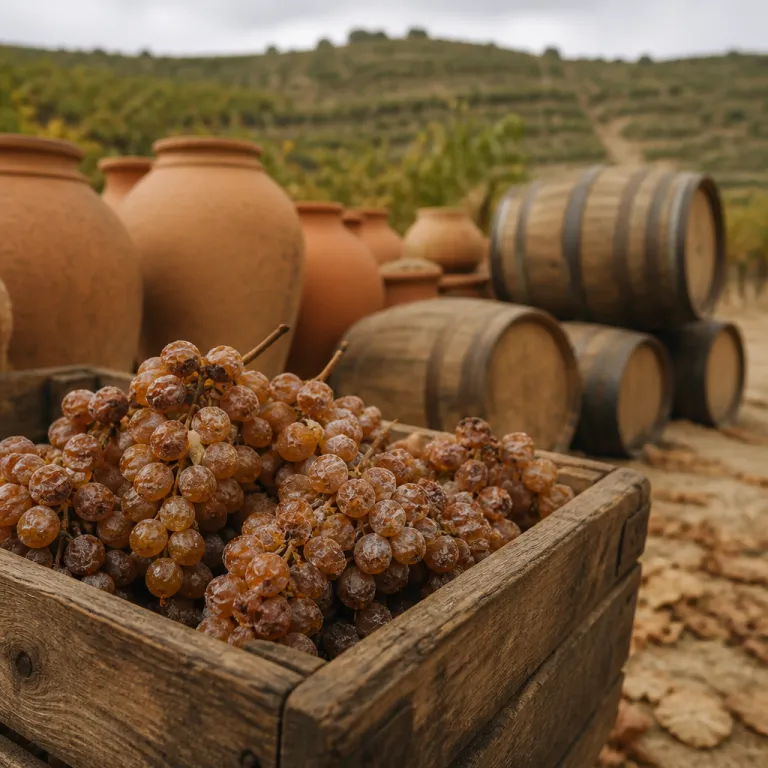
Sweet flavored wine often begins with a base of white wine, rosé, or light red wine. Winemakers then use controlled techniques to infuse natural fruit flavors such as peach, raspberry, strawberry, or cherry. These methods differ from those used for traditional dessert wines, which rely solely on grape concentration through late harvest, noble rot, or drying on the vine or in special drying rooms.
During cellar tours, look for references to cold fermentation and temperature-controlled tanks. Cold fermentation preserves delicate aromatics and can help maintain a perception of sweetness even when residual sugar is moderate. Modern quality control processes ensure that sweetness, acidity, and flavor remain consistent across different wines and vintages, which is especially important for travelers who return to the same label year after year.
Producers such as Stella Rosa have built their reputations on semi-sweet flavored wines that appeal to travelers seeking approachable styles. These wines often sit between sweet and dry, offering a soft, wine sweet impression without overwhelming sugar. Tasting them alongside more traditional dry wine options shows how flexible the category has become and how flavor infusion can create distinct peach, berry, or citrus notes.
Ask your host to pour a flight that moves from dry sweet to clearly sweet white and finally to a rich dessert wine. This progression reveals how even small changes in residual sugar can transform texture, aroma, and perceived sweetness. It also helps you identify which level of sweetness best suits your palate and travel dining plans, whether you are pairing with savory dishes or planning a dedicated dessert course.
Some wineries experiment with blending mead or honey-based components into grape wines to create unique dessert wines. Honey brings its own complex sweetness, distinct from grape sugar, and can add depth to both sweet red and sweet white styles. When you taste such blends, note how the sweetness lingers compared with more classic sweet wines and how spice, oak, or acidity keeps the finish from feeling heavy.
Pairing sweet wines with local cuisine during your travels
Food pairing is where sweet flavored wine truly shines for travelers. In many regions, tasting rooms now offer curated plates that match sweet wines with local specialties. These experiences help you understand how sugar, acidity, and alcohol content interact with food and why certain combinations feel refreshing while others seem too rich.
General guidelines are useful, but local advice from winery staff is invaluable. They might suggest a sweet Riesling with spicy regional dishes, where sweetness cools the heat while acidity keeps the pairing lively. A sweet red or white Zinfandel could be recommended with barbecue, smoked meats, or tangy sauces, especially in areas where slow-cooked meats and bold rubs are part of the local identity.
For dessert-focused tastings, ask which wine dessert combinations the estate considers its best sweet pairings. A peach-infused sweet wine might accompany fruit tarts, while a richer dessert wine could match chocolate or caramel-based pastries. Some wineries even design full dessert wines flights that move from sparkling wines to still wines and finally to fortified styles, allowing you to compare sweetness levels and textures in a single sitting.
Travelers who prefer lighter meals can explore how sweet white wines pair with cheeses and salads. A semi-sweet white wine with moderate residual sugar often flatters salty blue cheese or aged goat cheese. In coastal regions, a gently sweet dry style may work beautifully with shellfish or lightly spiced seafood, especially when the wine’s acidity mirrors the freshness of the catch.
When you visit multiple wineries in one day, compare how each estate handles food pairings. One might highlight mead with local honey-based desserts, while another focuses on Moscato Asti with citrus cakes. These differences reveal how regional cuisine shapes the expression of sweet wines and dessert wines and how chefs and winemakers collaborate to create memorable tasting menus.
Keep a small notebook or digital log where you record each successful pairing. Note the type of wine, whether it was a sweet wine, sweet red, or sparkling wines style, and the exact dish served. Over time, this record will guide future restaurant choices and help you quickly find ideal matches on any wine list, whether you are dining in a casual bistro or a formal tasting room.
Practical tips for finding the best sweet flavored wine experiences
Thoughtful planning ensures that your sweet flavored wine travels feel both indulgent and efficient. Start by checking winery websites for visiting hours, tasting fees, and whether reservations are required. Many estates now publish detailed tasting menus that list sweet wines, dessert wines, and sparkling wines separately, making it easier to prioritize stops that match your preferences.
When you arrive, ask for a tasting flight tailored to sweet preferences. A well-designed flight might include a sweet white, a sweet red, a dessert wine, and a flavored option featuring peach or berry notes. This structure allows you to compare sweetness levels, residual sugar, and alcohol content in a single session and quickly identify your favorite styles.
Travelers who want a deeper view of production should request cellar tours where possible. Guides often explain how residual sugar is measured, how dry wine differs from sweet wine, and how temperature control preserves sweetness. You may also see the modern equipment used for flavor infusion and quality control, from stainless steel tanks to small experimental barrels.
To find the best sweet experiences, pay attention to how staff describe their wines. Clear explanations of sweetness, acidity, and structure usually indicate a strong focus on education and hospitality. Wineries that confidently discuss both dry sweet and fully sweet styles tend to offer more nuanced tasting options and are often comfortable pouring off-menu samples for curious travelers.
Consider visiting regions where sweet wines are a significant part of the local identity. Areas with a history of producing sweet Riesling, Moscato, or mead often provide more extensive dessert wines lists and food pairing programs. These destinations also tend to host seasonal events centered on wine dessert experiences, such as harvest festivals or late-harvest release weekends.
Finally, remember that your preferences may evolve as you taste more wines. A traveler who begins with very sweet wines might later gravitate toward sweet dry or even off-dry styles. Staying open to both white wine and red wine expressions will keep each trip fresh and rewarding, and revisiting the same region after a few years can reveal how your palate and the local offerings have changed.
Key figures and trends in sweet flavored wine travel
- Gallo Family Vineyards has operated since 1933, giving travelers access to nearly a century of accumulated expertise in both traditional wines and modern sweet flavored wine styles (company history).
- Sweet Revenge liqueur was introduced in 2012, illustrating how the broader market for sweeter alcoholic beverages has expanded beyond classic wine into flavored spirits and related categories (product launch information).
- Industry reports from major U.S. retailers and trade groups such as NielsenIQ and the Wine Market Council indicate that sales of fruit-infused and semi-sweet wines have grown faster than overall table wine sales in several recent years, reflecting rising consumer interest in sweeter profiles during casual and travel-related occasions.
- Winery tourism boards in several U.S. states now report that a significant share of tasting room visitors request at least one dessert wine or sweet wine flight, indicating that sweetness is a primary driver of on-site sales and repeat visits.
- Producers such as Stella Rosa and Llano Estacado Winery have expanded their portfolios with multiple sweet wines and flavored options, demonstrating how innovation in sweetness and flavor infusion can attract new travelers to lesser-known regions.
FAQ about sweet flavored wine and vineyard travel
What are sweet flavored wines ?
Sweet flavored wines are wines infused with natural fruit flavors for enhanced sweetness. Producers typically start with a base white wine, rosé, or light red wine, then add carefully selected fruit essences. This approach creates approachable wines that appeal to travelers who enjoy pronounced sweetness and clear fruit character.
Which fruits are commonly used in flavored wines ?
Peach, raspberry, strawberry, and cherry are popular choices. These fruits complement the natural aromas of many white wines and sweet red styles without overwhelming them. During tastings, you may also encounter citrus, tropical fruit, or berry blends tailored to regional preferences.
Are sweet flavored wines suitable for pairing with food ?
Yes, they pair well with desserts, cheeses, and spicy dishes. The sugar and residual sweetness in these wines can soften heat in spicy cuisine and balance saltiness in cheese plates. Many wineries now design dedicated wine dessert flights to showcase these pairings for visitors.
How can I find wineries that specialize in sweet wines during my travels ?
Start by checking regional wine tourism websites and individual winery pages for mentions of dessert wines, sweet wines, or flavored selections. Look for tasting rooms that list multiple sweet white, sweet red, and sparkling wines options on their menus. Reviews from other travelers often highlight estates with particularly strong sweet flavored wine programs.
What is the difference between a traditional dessert wine and a sweet flavored wine ?
A traditional dessert wine gains its sweetness from concentrated grapes and higher residual sugar, often through late harvest or drying techniques. A sweet flavored wine, by contrast, may have similar sweetness but includes added natural fruit flavors such as peach or berry. Tasting both styles during a single visit will clarify how production methods influence texture, aroma, and overall sweetness.