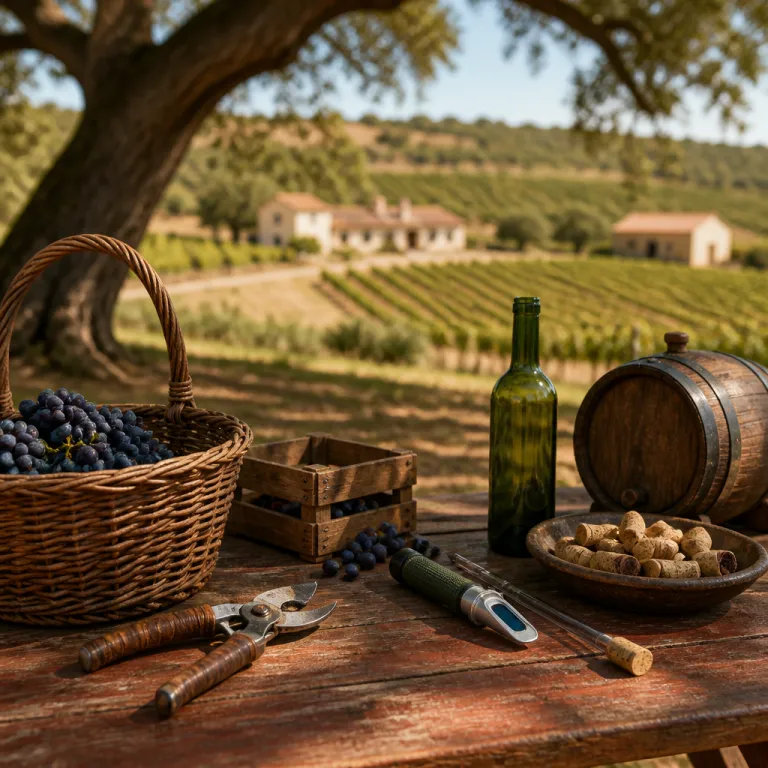
Why an Alentejo Portugal wine region travel visit belongs on your shortlist
Alentejo is the Portugal wine region where time stretches and slows. For a couple planning an Alentejo Portugal wine region travel visit, this is the place where vineyards, cork forests and olive groves merge into one lived landscape, not a backdrop. The result is a wine trip that feels less like a tour and more like being temporarily adopted by a very hospitable farming family.
From Lisbon, the drive to the heart of the Alentejo wine country takes around ninety minutes via the A2 and A6 motorways, which makes a same day visit possible but rarely sufficient. Most travelers who care about wine and food quickly extend that first day into a long weekend, turning a simple region visit into a layered trip that moves between different wine areas and towns. This is where trip planning matters; you will want at least three nights to explore both the plains around Évora and the hillier Alto Alentejo near São Mamede.
Portugal has been positioning its wine regions as anchors for sustainable travel, and Alentejo sits at the center of that strategy. Turismo de Portugal and the Comissão Vitivinícola Regional Alentejana (CVRA) support projects that link wine, olive oil and heritage, encouraging visitors to explore local culture rather than chase quick tastings. According to CVRA figures, more than 30% of certified Alentejo vineyards now follow certified sustainability programs, underlining how seriously this Portuguese wine region treats heritage as hospitality.
Compared with the Douro Valley, which climbs steeply above the river, the Alentejo region rolls in wide, open waves of vines and wheat. That scale makes an Alentejo Portugal wine region travel visit feel relaxed, even when you are moving between several estates in one day. The best trips balance time in a historic city such as Évora with nights on working estates, where you can taste full bodied Alentejo wine beside the very rows that produced it.
The Alentejo model: estates where wine, olive oil and cork share the same table
What sets an Alentejo Portugal wine region travel visit apart is the integrated estate model. Many properties in the Alentejo wine region produce wine, press olive oil, manage cork oak montados and raise livestock on the same land, then serve all of it at lunch under the trees. You are not just booking a wine tasting; you are stepping into a complete agricultural ecosystem.
On one estate, a morning might start with a walk through vineyards planted for structured, full bodied red Portuguese wine, then continue into cork forests where workers still strip bark by hand. By midday, you are seated at a long table under cork oaks, tasting Alentejo wine alongside grilled pork, bread soups and fresh cheese, all sourced from the same farm. This is where the word local stops being a label and becomes a literal description of what is on your plate and in your glass.
To see this model in practice, look at estates such as Herdade do Esporão near Reguengos de Monsaraz, where wine, olive oil and organic gardens share the same property, or Herdade do Freixo in Redondo, known for its underground winery built beneath rolling vineyards. Both offer guided tastings and estate tours that typically run from late morning into the afternoon, often by prior reservation, and give a clear sense of how agriculture and hospitality overlap in the region.
In Alto Alentejo, near the São Mamede Natural Park, the pattern repeats with different accents. Here, cooler nights and higher elevations shape wines with a little more freshness, while olive oil from older groves brings a peppery edge to estate lunches. For couples used to more staged wine regions, the lack of velvet ropes and the presence of tractors parked beside the tasting room can feel like hidden gems in a world of polished experiences.
Alentejo’s approach also fits into a wider Iberian shift toward deeper vineyard travel. If you are mapping a longer Iberian itinerary, it pairs naturally with Spanish regions covered in this elegant guide to Spain’s vineyard travel. Moving between these regions, you start to see how Portuguese wine and Spanish counterparts respond differently to heat, altitude and tradition, even when the grape varieties overlap.
Évora, Alcácer do Sal and the towns that frame the vineyards
Every Alentejo Portugal wine region travel visit needs an urban anchor, and Évora is the obvious first choice. The city’s well preserved historic center, classified as UNESCO heritage, gives structure to days that might otherwise blur into a pleasant sequence of tastings and long lunches. Cobbled streets, whitewashed houses and Roman ruins remind you that this region has been cultivating vines and olives for centuries.
Use Évora as your base for the first day or two, especially if you are arriving from Lisbon and want to adjust to the slower rhythm. Mornings can be spent exploring the city’s cloisters and small museums, while afternoons take you out to nearby estates for wine tasting and olive oil pairings. Returning to town in the evening, you can compare different Alentejo wines by the glass in relaxed wine bars, noting how full bodied reds from warmer subregions contrast with fresher styles from Alto Alentejo.
Alcácer do Sal, closer to the coast, offers a different frame for your trip. The town rises above the Sado River, and its castle district has become a quiet favorite for travelers who want a less crowded base for their region visit. From here, you can reach both coastal vineyards and inland properties, then return to a town where storks nest on church towers and evenings unfold at a slower pace.
Public transport can help you reach these hubs: regular buses and trains link Lisbon to Évora in around ninety minutes to two hours, while Alcácer do Sal sits on the route south toward the Alentejo coast. Once in town, however, taxis and prebooked drivers are usually needed to reach rural estates, which rarely sit directly on bus lines.
To deepen your understanding of how Iberian regions handle hospitality, it is worth reading this immersive guide to wine tasting in Spain before you travel. You will notice that while Spanish wine regions often emphasize architectural statements and design led tasting rooms, many Alentejo towns keep the focus on the rhythm of daily life. That contrast is part of the appeal; your trip planning can deliberately alternate nights in atmospheric towns with stays on quiet estates.
Designing an Alentejo itinerary: from Lisbon day trips to slow weeks
Because Alentejo sits so close to Lisbon, many travelers first encounter it as a simple day trip. A driver collects you in the city, you cross the bridge over the Tagus, and within an hour you are surrounded by vines and cork oaks instead of traffic. It is an easy way to test whether an Alentejo Portugal wine region travel visit suits your style.
For couples who care about wine regions and want more than a single tasting, a longer trip quickly becomes the better choice. A classic four night itinerary might start with one night in Lisbon, two nights in Évora and one night in Alto Alentejo near São Mamede, with a final day reserved for a lazy lunch under cork oaks before returning to the city. This structure allows time to explore local markets, visit Alentejo wine estates in different subregions and still leave space for unplanned stops in small towns that catch your eye from the road.
When you plan, think in terms of themes rather than checklists. One day can focus on full bodied reds and structured tastings, another on olive oil mills and cork forests, a third on heritage with a focus on UNESCO heritage sites and well preserved town centers. Spreading your region visit across several areas also lets you compare how different regions of Alentejo handle heat, water and sustainability, which is increasingly central to Portuguese wine culture.
To budget, assume that a standard guided tasting at a well known estate often starts around mid range restaurant prices per person, with more in depth tours and paired lunches costing more and usually requiring advance booking. Opening hours tend to concentrate from late morning to late afternoon, especially from Thursday to Sunday, with harvest season bringing extended options and occasional special events.
Travelers who have already explored cooler climate vineyards sometimes combine Alentejo with a northern extension. Reading about the Nordic shift in this in depth look at Swedish wine travel can sharpen your sense of how climate and latitude shape a wine trip. Set against that context, an Alentejo Portugal wine region travel visit feels like a study in sun, heat and shade, where the best estates use cork oaks and smart irrigation to keep both vines and guests comfortable.
Substance over spectacle: who Alentejo is really for
Alentejo is not a region for travelers who want to tick off famous labels in a single afternoon. It is a place for couples who value the conversation with a winemaker as much as the wine tasting, and who understand that the best glass of Alentejo wine might be poured at a plastic table in a village bar. The luxury here is time, space and the feeling that you are part of the working life of the land, not just a spectator.
Compared with more theatrical wine regions, there is little in the way of choreographed experiences. You are more likely to be shown the vineyard row where a particular full bodied Portuguese wine was born than a polished visitor center with multimedia displays. That honesty extends to the food; estate restaurants serve slow cooked pork, bread soups and fresh cheese outdoors under cork oaks, often with the winemaker or olive oil producer eating at the next table.
For many readers of wine-vineyard-travel.com, this is precisely the appeal. An Alentejo Portugal wine region travel visit offers hidden gems in the form of family run estates, small towns with well preserved centers and quiet roads that connect different wine regions without ever feeling crowded. If you have already walked the terraces of the Douro Valley or explored other Portuguese wine regions, Alentejo will feel like the place where everything slows down enough for you to taste how wine, food and landscape truly belong together.
FAQ
How many days do I need for an Alentejo wine trip ?
Plan at least three full days for an Alentejo Portugal wine region travel visit. That gives you time for Évora, one or two estate stays and a final day focused on Alto Alentejo or coastal areas. With five to seven days, you can add more towns and explore several subregions without rushing.
Is Alentejo suitable for a day trip from Lisbon ?
Yes, Alentejo is around ninety minutes from Lisbon by car, so a day trip is feasible. You can visit one or two estates, enjoy a long lunch under cork oaks and return to the city in the evening. However, staying overnight on an estate gives a much deeper sense of the region.
What is the best time of year to visit Alentejo for wine ?
The most comfortable period for an Alentejo Portugal wine region travel visit is from early autumn into late autumn, when days are warm and evenings are mild. Summer can be very hot, especially in the interior plains. Spring is also attractive, with green landscapes and fewer visitors.
Do I need a car to explore the Alentejo wine region ?
A car or private driver is the most practical way to explore Alentejo wine regions. Public transport connects major towns such as Évora and Alcácer do Sal, but rarely reaches rural estates. For couples focused on wine tasting, hiring a driver ensures safety and flexibility.
How does Alentejo compare with the Douro Valley for wine travel ?
The Douro Valley is steeper, more dramatic and strongly associated with Port wine, while Alentejo offers wide plains, cork forests and a broader mix of full bodied reds and fresh whites. Alentejo estates often combine wine, olive oil and cork production on one property, creating a more integrated agricultural experience. Many travelers visit both regions to understand the full range of Portuguese wine.