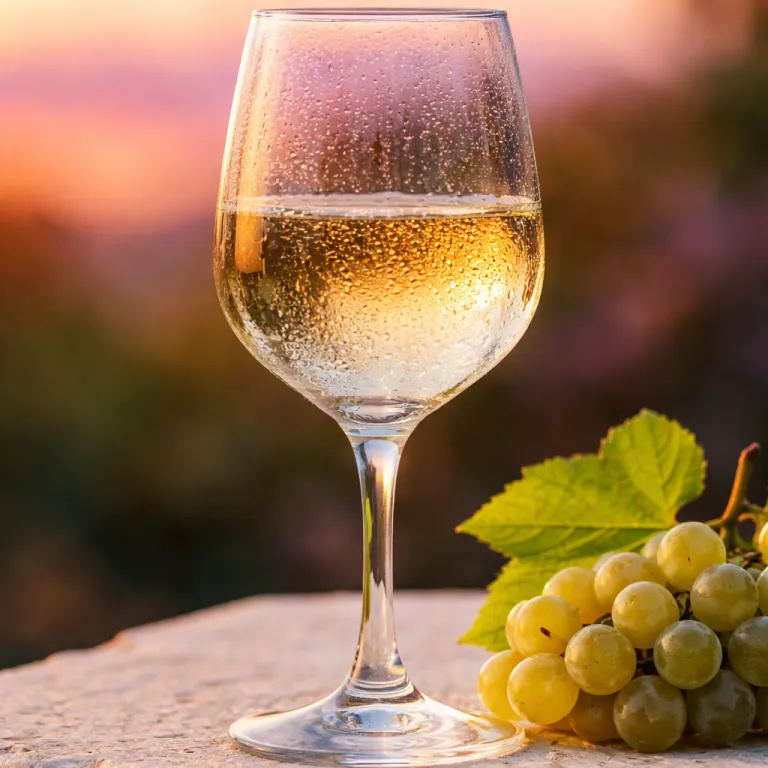
Loire sauvignon blanc as a gateway to refined vineyard travel
Loire sauvignon blanc offers an elegant entry point into vineyard journeys across central France. The grape Sauvignon Blanc shapes white wine styles that feel precise, mineral, and quietly expressive, ideal for travelers who value nuance. In the Loire Valley, winemakers craft these blanc expressions to highlight limestone slopes, cool breezes, and river light.
For wine enthusiasts planning a route through the Loire, understanding sauvignon and its many local faces transforms a simple tasting into a deeper cultural experience. The region’s producers, often family domaines, balance traditional fermentation techniques with stainless steel or oak barrels to refine each bottle. This ongoing dialogue between heritage and innovation gives every sauvignon blanc a clear sense of place.
Across the valley France landscape, from Sancerre to Pouilly Fumé, visitors encounter wines Loire that range from citrus bright to subtly smoky. These white wine styles share a core of green apple, citrus, and herbaceous notes that pair beautifully with river fish and goat cheese. When you taste multiple blanc Loire wines side by side, the differences between villages become as vivid as the scenery itself.
Travelers often compare Loire sauvignon to chenin blanc and even local rosé, noticing how each wine responds differently to the same climate. In many cellars, you will also meet cabernet franc and pinot noir, which complete the picture of the valley’s diversity. This mix of white, red, and rose wines encourages longer stays and more thoughtful itineraries.
Because Loire sauvignon blanc has gained global recognition, many domaines now welcome visitors with structured tastings. Wine clubs, mailing list sign ups, and carefully curated shop selections help guests continue their journey after returning home. These experiences reinforce the Loire’s reputation as one of the most graceful wine valleys in France.
Planning a Loire Valley itinerary around sauvignon blanc terroirs
Designing a route around Loire sauvignon blanc begins with the river itself, which threads through vineyards like a cool silver spine. The central Loire Valley concentrates many of the most renowned sauvignon sites, yet quieter stretches reward travelers who prefer calm roads and unhurried tastings. Mapping your days by appellation allows you to compare wines while keeping driving distances modest.
In Sancerre and Pouilly Fumé, sauvignon blanc reaches a particularly focused expression, with flinty minerality and crisp acidity. Here, domaines often present vertical tastings that show how regular vintages contrast with warmer seasons, even though labels rarely emphasize such details. These sessions help visitors understand why “What are the main flavor profiles of Loire Sauvignon Blanc?” and “Which appellations are renowned for Loire Sauvignon Blanc?” matter when planning travel.
Further west, near Saumur, limestone caves and tuffeau cellars create atmospheric settings for tasting white wines Loire alongside sparkling cuvées. Travelers who appreciate sparkling wine from Italy may enjoy reading about Italian bubbles and regional traditions before comparing them with Loire styles. This cross reference sharpens your palate and deepens appreciation for each bottle of blanc sauvignon you encounter.
When planning visits, consider how many wines you realistically wish to taste in one day. Many domaines offer a regular price for classic cuvées and a slightly higher sale price for limited parcels, which can guide your purchasing decisions. Asking about eligible discounts for mixed cases or mailing list members is both acceptable and appreciated.
Some travelers prefer to focus on a single grape, building a day entirely around sauvignon. Others weave in chenin blanc, cabernet franc, and even local rose wines to experience the full spectrum of the valley France landscape. Either way, a thoughtful itinerary ensures that every glass of Loire sauvignon blanc fits into a coherent and memorable journey.
Reading Loire sauvignon blanc labels, prices, and domaine styles
Understanding a Loire sauvignon blanc label helps travelers make confident choices in tasting rooms and village shops. Key terms such as Sancerre, Pouilly Fumé, or generic Loire Valley indicate different terroirs, while the word blanc confirms the wine’s color. Many labels also highlight the domaine name, which often reflects generations of family stewardship.
When comparing wines, pay attention to how regular price and sale price are presented on lists or shelves. A bottle at a modest price regular may offer exceptional value if it comes from a respected domaine with carefully farmed vineyards. Conversely, a higher price can reflect low yields, specific parcels, or extended lees aging that adds texture to the sauvignon blanc.
Travelers accustomed to online shopping may instinctively think in terms of a cart and add items mentally as they taste. In Loire shops, it is common to build a mixed case of wines Loire, combining white wine, rose, and sometimes red. Staff can advise which bottles are eligible for discount when you reach certain quantities, especially if you join their mailing list or local wine clubs.
Exploring regional differences becomes even more engaging when you compare sauvignon with chenin blanc or cabernet franc from the same producer. Some domaines near Saumur also craft pinot noir, offering a lighter red that pairs well with local cuisine. Those interested in semi dry sparkling styles may appreciate reading about a refined journey through Spanish sparkling wine before tasting Loire alternatives.
As you taste, remember that “How should Loire Sauvignon Blanc be served? Chilled, at around 8-10°C.” This serving range allows citrus, green apple, and herbaceous notes to emerge without muting the wine’s structure. By reading labels carefully and observing how domaines present their ranges, you gain insight into both style and value.
From vineyard rows to cellar caves along the Loire Valley
Walking through vineyard rows where Loire sauvignon grows connects travelers directly with the region’s agricultural rhythm. Many Loire Valley winemakers explain how soil types, from flint to limestone and clay, shape the final sauvignon blanc in your glass. These conversations reveal why the valley sauvignon identity feels both unified and richly varied.
In some sectors of the val Loire, steep slopes catch sunlight while cool nights preserve acidity. Elsewhere, gentle terraces near the river produce softer white wines Loire that still retain the grape’s signature freshness. Observing these differences on foot helps visitors understand why France Loire remains a benchmark for sauvignon worldwide.
Cellar visits often move from stainless steel tanks to older oak barrels, illustrating how traditional methods coexist with modern tools. Grape presses, fermentation tanks, and underground galleries near Saumur create a theatrical backdrop for tasting blanc sauvignon and chenin blanc. The contrast between bright vineyard light and cool cellar darkness heightens sensory awareness.
Many domaines now integrate sustainable practices, including organic or biodynamic farming, to protect the valley France environment. This shift supports long term soil health and ensures that future generations can continue crafting expressive wines Loire. Travelers who value responsible tourism often prioritize these producers when planning their routes.
As you move between villages, you may also encounter rose wines and light reds from cabernet franc or pinot noir. Tasting these alongside Loire sauvignon blanc underscores how one valley can host multiple grape personalities without losing coherence. For a broader context on flavor profiles, consider reading this guide to what sauvignon blanc tastes like on great vineyard routes before or during your trip.
Practical buying tips, from cellar door to online shop
Purchasing Loire sauvignon blanc during travel requires balancing enthusiasm with logistics, especially when luggage space is limited. At the cellar door, start by noting which wines Loire impressed you most during the tasting, then ask about shipping options. Many domaines can arrange delivery within France and sometimes abroad, which frees you from carrying every bottle.
When reviewing a price list, distinguish between regular price and any temporary sale price that might apply. Some producers mark a price regular for their core cuvées and offer a modest discount on older vintages or larger formats. Asking which bottles are eligible for discount when buying by the case is entirely appropriate and often welcomed.
In village shops, you may feel tempted to add many different labels to your cart at once. A more strategic approach is to select a few sauvignon blanc references, then complement them with chenin blanc, cabernet franc, or even a local rose. This mix reflects the full character of the Loire Valley while keeping your selection coherent.
Travelers who prefer to shop later can join domaines’ mailing list options or regional wine clubs. These channels often highlight limited releases, blanc sauvignon selections from specific parcels, and curated mixed cases from across the val Loire. Online shops may also feature filters for white wine, red, and sparkling, making it easier to revisit favorites.
Whether you buy at the cellar, in a village shop, or online, focus on wines that express a clear sense of place. Loire sauvignon, when thoughtfully chosen, can evoke river light, limestone hillsides, and quiet cellar caves long after your journey ends. Each bottle becomes a compact, elegant record of your time in valley France.
Elevating Loire sauvignon blanc travel with food, service, and context
Serving Loire sauvignon blanc at the correct temperature is essential for recreating your travel memories at home. Chilling the white wine to around 8–10 °C allows citrus, green apple, and herbaceous notes to emerge gracefully. Over chilling can mute aromas, while serving too warm may emphasize alcohol rather than freshness.
Classic Loire pairings include goat cheese, river fish, and seasonal vegetables, which echo the region’s agricultural traditions. In many restaurants across France Loire, menus highlight local wines by the glass, making it easy to compare blanc Loire styles with chenin blanc or even a delicate rose. These combinations show how thoughtfully sourced ingredients and precise service elevate each sauvignon blanc.
For travelers building a themed dinner, consider arranging a small tasting flight of wines Loire. Begin with a lighter valley sauvignon from a broader appellation, move to a more structured Sancerre, then finish with a smoky Pouilly Fumé. Adding a cabernet franc or pinot noir at the end provides a gentle transition from white to red.
When hosting guests, share brief stories about the domaines you visited, the caves near Saumur, or the vineyard walks along the val Loire. These narratives transform each bottle from a simple beverage into a tangible link with the Loire Valley landscape. Guests often appreciate hearing how a particular regular price or sale price reflected limited yields or special parcels.
Over time, keeping notes on favorite blanc sauvignon producers, vintages, and food pairings can guide future purchases. Subscribing to a few mailing list updates or joining international wine clubs focused on Loire wines helps maintain that connection. In this way, Loire sauvignon blanc becomes not only a wine but an ongoing, refined thread through your travel and dining life.
Key figures that shape Loire sauvignon blanc travel
- Approximately 75 % of Loire vineyards are planted with Sauvignon Blanc, giving travelers extensive opportunities to taste this grape in varied terroirs.
- The region produces around 1.5 million hectoliters of Loire sauvignon blanc annually, ensuring a broad range of styles and domaines to explore.
Essential questions for planning Loire sauvignon blanc journeys
What are the main flavor profiles of Loire Sauvignon Blanc?
The main flavor profiles of Loire sauvignon blanc include citrus, green apple, and herbaceous notes that feel crisp yet refined. In cooler sites, these white wine expressions lean toward lime, grapefruit, and fresh cut grass, often with a chalky mineral edge. In slightly warmer pockets of the Loire Valley, sauvignon can show riper stone fruit while still retaining the tension that defines wines Loire.
Which appellations are renowned for Loire Sauvignon Blanc?
The most renowned appellations for Loire sauvignon blanc are Sancerre and Pouilly Fumé, both situated along the central Loire. Sancerre typically offers precise, mineral driven blanc styles, while Pouilly Fumé is known for its subtle smoky character linked to flint rich soils. Travelers exploring valley France often use these two appellations as reference points before branching out to other Loire Valley villages and domaines.
How should Loire Sauvignon Blanc be served?
Loire sauvignon blanc should be served chilled, ideally at around 8–10 °C to balance freshness and aromatic expression. This temperature range allows citrus and herbaceous notes to unfold without masking the wine’s structure or minerality. Whether you are tasting in France Loire or at home, using proper glassware and avoiding over chilling will help each bottle show its most elegant side.