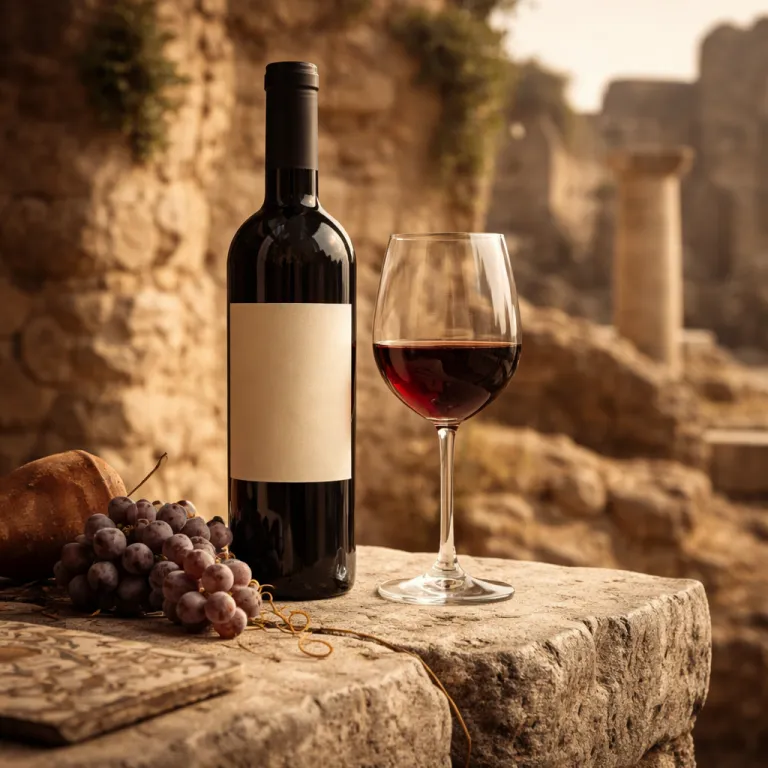
Pompeii vineyard wine tasting visit: walking between vines and frescoes
A Pompeii vineyard wine tasting visit is unlike any other wine journey in Italy. You step through Porta Marina, leave the traffic behind, and suddenly the rows of vines echo the lines of ancient streets. The archaeological park becomes both an open air cellar and a living field laboratory, where every vineyard stake stands beside a wall that once framed a Roman tavern.
Here, a guided tour of the vineyard inside the archaeological park lets you read the soil as carefully as the frescoes. Your guide will move between the ruins and the vineyard, explaining how the volcanic ash from Mount Vesuvius created the porous, mineral rich ground that still shapes the wine. On this tour Pompeii feels less like a frozen site and more like a working agricultural estate, with grapes quietly funding conservation work.
The project is run by Pompeii Archaeological Park in partnership with Feudi di San Gregorio, one of Campania’s most respected producers. Their équipe replanted Aglianico vines on plots identified by archaeologists as former vineyards, using sustainable agriculture and traditional tools where possible. According to official statements from the park’s director, Gabriel Zuchtriegel, the initiative helps offset maintenance costs while preserving agricultural heritage, even if detailed budget figures are not publicly available.
As you visit Pompeii on a typical day, you can weave the vineyard into a wider exploration of the site itself. One moment you stand before frescoed walls showing Dionysian rituals, the next you are in front of ceramic jars and amphorae that once held wine. Then, only a few steps away, you reach the new vineyard rows, where the same grape variety that filled those amphorae now ripens again.
The duration, approximately two to three hours, fits easily into a full day in Campania. Many travelers choose a Pompeii vineyard and wine tasting experience in the morning, then continue with a private or small group tour of the forum, theatres, and the quieter houses near Pompeii Porta Marina. Others reverse the order, ending the afternoon with a calm tasting while the crowds thin and the light softens over the slopes of Vesuvius.
Aglianico’s return: from Greek origins to Campania’s volcanic rows
The heart of this Pompeii vineyard experience is Aglianico, the ancient grape that once fuelled Rome’s feasts. Brought from Greece to Campania in early classical times, Aglianico adapted perfectly to the volcanic soils around Vesuvio and along the wider Amalfi Coast hinterland. Today, replanting Aglianico within Pompeii’s walls closes a two millennia loop between archaeology and viticulture.
During the guided tour, your local guide will often pause beside a vine to explain how Aglianico behaves on different slopes of Vesuvius. On the lower slopes Vesuvio offers deeper, ash rich soils that give structure and dark fruit, while higher parcels near any Vesuvio winery tend to show more freshness and spice. The same logic applies inside the archaeological park, where subtle changes in elevation and drainage create micro plots within the compact vineyard.
Feudi di San Gregorio has worked with academic researchers, including teams from the University of Milan cited in project communications, to align planting densities and training systems with archaeological evidence. That evidence includes root cavities, planting pits, and the layout of vineyard walls that once divided properties near Porta Marina and other gates such as Pompeii Porta Stabia. The result is not a theme park reconstruction but a serious attempt to revive ancient agricultural practice with modern viticulture techniques.
On your Pompeii vineyard wine tasting visit you will taste Aglianico in several expressions, often alongside other Campania wines such as Lacryma Christi del Vesuvio. Lacryma Christi, traditionally grown on the slopes of Mount Vesuvius, is a natural bridge between the vineyard inside Pompeii and the wider Vesuvio winery landscape. Tasting both side by side helps you understand how the same volcanic matrix can yield different personalities depending on altitude, exposure, and winemaking choices.
If you have already explored vineyard experiences in other classic regions, such as an immersive wine tasting tour in Tuscany, this context matters. Aglianico here is not just another red wine; it is the narrative thread that links Greek colonists, Roman merchants, medieval farmers, and today’s enologists. That continuity is what makes a Pompeii vineyard visit feel more like a deep reading of history than a simple day trip.
From crater rim to cellar door: building a Vesuvius and Pompeii wine day
For a serious wine traveler, the smartest way to frame a Pompeii vineyard wine tasting visit is as part of a full Vesuvius and Campania wine day. Start early with a hike to the crater of Mount Vesuvius, then descend to a Vesuvio winery on the lower slopes for a late morning tasting. After lunch among the vines, continue to the archaeological park for your afternoon vineyard walk and final wine tasting among the ruins.
The hike to the crater is short but atmospheric, with a duration approx forty to sixty minutes on foot from the upper parking area. From the rim you look down over the slopes of Vesuvius, tracing the line from the crater to the vineyards that now ring the volcano and stretch towards Pompeii and the Amalfi Coast. It is a rare chance to see, in a single sweep, the entire amphitheatre of volcanic terroir that shapes Lacryma Christi and other Vesuvio wines.
After the hike crater experience, head to a winery Vesuvio side such as Cantina del Vesuvio or another established Vesuvio winery for a structured visit. A typical guided tour will walk you through the vineyards, the cellar, and finally a seated tasting with a simple but satisfying lunch of local produce. Expect tomatoes grown in volcanic soil, olive oil from nearby groves, and bread that pairs beautifully with both white and red Lacryma Christi del Vesuvio.
In the afternoon, your driver or local guide can bring you to visit Pompeii via Porta Marina, where many tour Pompeii itineraries begin. Here you transition from the open slopes Vesuvio landscape to the dense urban grid of the site, then finally to the enclosed vineyard within the walls. The contrast between the wide horizon of Mount Vesuvius and the intimate rows of vines beside Roman houses is part of the day’s quiet drama.
If you enjoy structuring trips around vineyard hierarchies and terroir nuance, think of this day as Campania’s answer to a refined Erste Lage vineyard circuit in Austria. Just as an Austrian Erste Lage guide might move you from one classified slope to another, your Campania guide will move you from crater rim to del Vesuvio vineyards to the archaeological park. The thread is always the same; volcanic soil, Aglianico’s resilience, and the way wine can make a complex landscape legible in a single glass.
Ethics in the glass: how wine funds preservation at Pompeii
What sets this Pompeii vineyard wine tasting visit apart is not only the scenery but the philosophy behind every planted row. The project’s stated aim is to revive ancient winemaking traditions while directly supporting the maintenance of the archaeological park. In practice, that means each bottle sold contributes to the long term care of walls, mosaics, and artefacts that would otherwise rely solely on public funding.
The scale is modest but meaningful, with production figures publicly described as limited and focused rather than industrial. Estimates from project communications suggest a target in the tens of thousands of bottles annually from the vineyard plots within Pompeii, though exact numbers may vary by vintage and are not officially audited. These wines are sold on site at the archaeological park and through controlled online channels, keeping the focus on cultural rather than mass market tourism.
During a guided tour, your local guide will often explain how the collaboration between Feudi di San Gregorio and the park balances authenticity with practicality. Traditional tools and methods are used where they make sense, while modern viticulture techniques ensure vine health and consistent quality. The objective is not to recreate an exact Roman wine, which would be speculative, but to honour the ancient layout and grape choice while producing a drinkable, characterful modern wine.
This approach contrasts with more theatrical wine tourism models that prioritise staging over substance. Here there is no attempt to dress staff in togas or to romanticise the ancient world; instead, the focus stays on soil profiles, pruning decisions, and the logistics of farming inside a UNESCO listed archaeological park. That seriousness is precisely what appeals to experienced wine travelers who value vineyard rows and cellar conversations over themed décor.
If you are building a broader itinerary of meaningful wine projects, consider pairing Pompeii with other places where wine underwrites heritage, such as the underground wine city in Moldova where vast cellars have been repurposed as a cultural destination. In each case, the key question is the same; does the wine activity genuinely support preservation, or is it simply a marketing story. At Pompeii, the financial and operational integration between vineyard and archaeological park makes the answer unusually clear.
Planning your pompeii vineyard wine tasting visit: routes, timing and practical tips
Designing a Pompeii vineyard wine tasting visit that feels unhurried starts with timing. Aim to arrive at the archaeological park early, entering through Porta Marina before the main tour Pompeii groups flood the central streets. This gives you a quieter window to explore key houses and the forum before your scheduled vineyard and wine tasting slot.
Most guided tours that include the vineyard have a duration approx two hours, sometimes a little longer if combined with a broader archaeological walk. You can book a Pompeii private guide who is qualified both in archaeology and in wine, or join a small group led by a local guide with strong vineyard knowledge. In both cases, confirm in advance that the vineyard component is included, as not all standard Pompeii Vesuvio tours enter the agricultural areas.
For independent travelers, a flexible option is to arrange a private driver for a full Campania wine day that links the archaeological park, a Vesuvio winery, and perhaps a short detour towards the Amalfi Coast. This structure allows you to move efficiently between a visit to Pompeii, a lunch stop at a winery Vesuvio side, and an optional late afternoon stop in a coastal town. It also removes the stress of parking near the busy site entrances and lets you taste freely.
When choosing between different tour Pompeii offers, pay attention to group size, language, and the balance between archaeological content and wine content. Some Pompeii private tours focus almost entirely on ruins, with only a brief tasting at the end, while others weave wine into the narrative from the first stop at Pompeii Porta Marina. For a serious wine traveler, the latter style usually feels more coherent and rewarding.
Finally, think about how this experience fits into your wider wine education. If you have already explored immersive vineyard journeys in Tuscany or walked classified slopes in Austria, Pompeii adds a different dimension; here the vineyard is not just a place of production but a tool for reading an entire civilisation. A well planned Pompeii vineyard wine tasting visit will leave you with more than tasting notes, giving you a mental map that links crater to cellar, fresco to fermenter, and every glass of Campania wine you drink in the future back to these volcanic rows.
FAQ
What grape varieties are used in the Pompeii vineyard project ?
The vineyard within Pompeii Archaeological Park is planted primarily with Aglianico, an ancient grape variety historically associated with Campania. Aglianico suits the volcanic soils created by Mount Vesuvius and aligns with archaeological evidence of Roman era plantings. Other local varieties may appear in experimental plots, but Aglianico remains the core focus for the Pompeii vineyard wine tasting visit.
Where can I taste the wine produced at Pompeii ?
The wines from the Pompeii vineyard project are available at Pompeii Archaeological Park itself, usually as part of a guided tasting linked to a vineyard walk. Limited quantities are also sold through official online channels managed with Feudi di San Gregorio. You will not typically find these bottles widely distributed, which keeps the experience closely tied to the site.
How long should I plan for a Pompeii and Vesuvius wine day ?
A well structured day that combines a hike to the crater of Mount Vesuvius, a visit to a Vesuvio winery, and a Pompeii vineyard wine tasting visit usually requires eight to nine hours. The hike crater segment takes around one hour on foot, while each winery visit and tasting needs at least ninety minutes. Allow extra time for transfers between the slopes of Vesuvius, the archaeological park, and any Amalfi Coast detours.
Is a private guide necessary for the vineyard and ruins ?
A private guide is not mandatory, but it significantly enriches the experience for wine focused travelers. A qualified local guide who understands both archaeology and viticulture can connect the dots between frescoes, amphorae, soil types, and the glass in your hand. For those seeking depth rather than a quick overview, a Pompeii private tour with a vineyard component is worth the additional cost.
Can I combine Pompeii, the vineyard, and the Amalfi Coast in one day ?
It is possible to combine a short visit Pompeii, a focused Pompeii vineyard wine tasting visit, and a brief stop on the Amalfi Coast in a single long day. However, this works best with a private driver and a clear schedule that limits each segment to its essentials. Travelers who prefer a slower pace often dedicate one full day to Pompeii and Vesuvius, then a separate day to coastal towns and additional Campania wineries.