From ancient amphorae to modern glasses of turkish wine
In Turkey, wine is not a trend but a deep cultural thread. The Hattians and Hittites were already tending grapes in Anatolia, laying foundations that modern Turkish wineries now refine with care. Today, travelers can taste turkish wine where amphorae once stood, and where stainless steel tanks now gleam beside stone cellars.
Across this landscape, wine and wines express a remarkable spectrum of terroirs. From the sun drenched Aegean coast near Urla to the continental plateaus of central Anatolia, each vineyard reflects different soils, winds, and elevations. These contrasts shape every grape and every glass wine poured for curious visitors.
Turkey counts hundreds of indigenous grape varieties, and many remain little known outside the country. Modern Turkish wineries work with local farmers and international wine experts to revive these grapes while refining alcohol management and cellar practices. This blend of tradition and innovation gives turkish wines a distinctive identity that appeals to travelers seeking authenticity.
In the glass, red wines from Turkey can show firm tannins, vibrant acidity, and a long finish. White wines, especially those from high altitude sites, often bring crisp textures and mineral notes. For the wine focused traveler, each region opens window after window onto different expressions of grape varieties and winemaking styles.
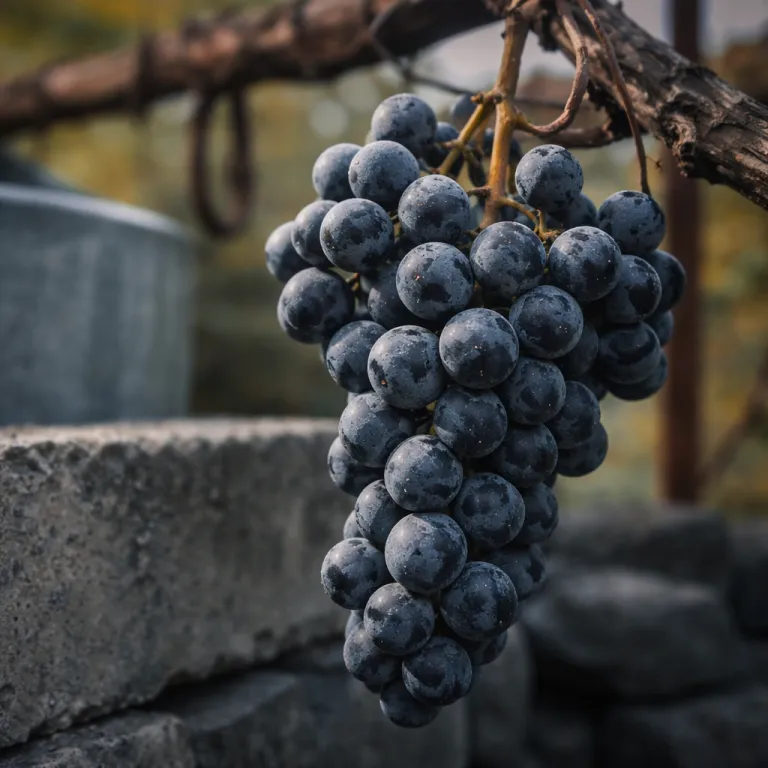
As you plan a journey through Turkey, think of wine regions as cultural corridors rather than simple tasting stops. Vineyards in Cappadocia, Thrace, and western Anatolia invite you to walk between rows of black grapes and pale clusters while learning about ancient rituals. Along the way, every carefully poured glass wine becomes a bridge between past and present.
Signature red grapes of anatolia and the rise of kalecik karasi
Among the most compelling stories in turkish wine travel is the renaissance of indigenous red grapes. Kalecik Karası, often written as kalecik karasi, has become a reference point for elegant, perfumed red wines. Grown near Ankara in central Anatolia, this grape thrives in high altitude vineyards where cool nights preserve freshness.
Kalecik Karası wines typically show bright red fruit, gentle tannins, and a silky texture. Travelers tasting these red wines at the source often notice how the grape’s delicate aromatics contrast with more powerful cabernet and merlot styles. This contrast helps explain why kalecik karasi now appears in both single varietal bottlings and in a carefully structured red blend.
Another rising name is Urla Karası, or urla karasi, cultivated on the Aegean coast near Urla. Here, sea breezes and limestone soils give red wines with savory notes and a persistent finish. Many estates in Urla experiment with a red blend that marries urla karasi with international grape varieties such as cabernet franc, petit verdot, and merlot syrah combinations.
Travelers exploring these vineyards can often compare pure kalecik karasi with blends that include cabernet sauvignon or even nero avola, sometimes labeled as nero avola in experimental plots. Such tastings highlight how tannins, alcohol levels, and fruit profiles shift when local grapes meet international partners. For those interested in refined meat pairings, these nuanced reds pair beautifully with grilled lamb and slow cooked beef, as explored in this guide to elevating wine and vineyard travel with meat pairings.
In eastern Anatolia, black grapes such as Boğazkere and Öküzgözü complement kalecik karasi in the national portfolio. These varieties, grown at high altitude, yield structured red wines with firm tannins and a long, savory finish. Together, they show how turkish wines can range from ethereal to powerful while remaining rooted in Anatolian heritage.
International grape varieties and refined blends in turkey’s wine regions
While indigenous grapes define much of turkish wine identity, international varieties play an equally important role in vineyard travel. Cabernet, merlot, syrah, and sauvignon blanc have adapted well to Turkey’s diverse wine regions, especially along the Aegean and in Thrace. Visitors often taste cabernet sauvignon based wines beside local grapes to understand how global styles translate into Anatolian terroir.
Cabernet sauvignon in Turkey tends to show ripe black fruit, structured tannins, and a polished finish. When blended with merlot syrah, it can create a supple red blend that appeals to travelers familiar with Bordeaux or Mediterranean wines. Some estates also experiment with cabernet franc and petit verdot, adding aromatic lift and color depth to their red wines.
White wine lovers will find expressive sauvignon blanc in cooler pockets and at high altitude sites. These sauvignon blanc wines can show citrus, green herbs, and a crisp, refreshing finish that suits coastal cuisine. In some cellars, winemakers craft a sauvignon merlot rosé or light red, labeled as sauvignon merlot, offering a playful option for warm evenings.
For those planning food focused itineraries, these blends open a wide range of pairing possibilities. Guides to mastering wine and food pairings with meat can help you match a structured cabernet sauvignon or a softer merlot syrah with regional dishes. Along the coast, grilled fish and meze call for chilled sauvignon blanc, while inland stews welcome richer red wines.
In many tasting rooms, a flight might include a pure cabernet, a cabernet franc and petit verdot blend, and a cuvée featuring urla karasi or kalecik karasi. Comparing these wines side by side reveals how grape varieties interact with soil, climate, and winemaking choices. For the traveler, each glass wine becomes a lesson in balance, tannins, and the art of blending.
High altitude vineyards, eastern anatolia, and the character of black grapes
Eastern Anatolia offers some of Turkey’s most dramatic vineyard landscapes, with high altitude sites that shape both climate and wine style. Here, vineyards sit on slopes where cool nights slow ripening and preserve acidity in grapes. This environment suits black grapes that need a long growing season to develop complex flavors without excessive alcohol.
In these regions, red wines often show firm tannins, dark fruit, and a pronounced mineral streak. Indigenous grapes such as Boğazkere and Öküzgözü share the stage with kalecik karasi and other local varieties transported from central Anatolia. Together, they form powerful red blend options that intrigue travelers seeking structure and depth in turkish wines.
High altitude conditions also favor certain international grape varieties, especially cabernet sauvignon and cabernet franc. These grapes can achieve full ripeness while retaining freshness, leading to wines with a long, balanced finish. Some producers add petit verdot in small proportions, deepening color and enhancing tannins in their red wines.
For visitors, touring eastern Anatolia’s wine regions means more than tasting; it means understanding how elevation and continental climate shape every grape. Walking through these vineyards, you may notice how thin air and intense sunlight affect leaf canopies and cluster size. When you finally sit for a glass wine, the connection between landscape and flavor becomes unmistakable.
Food experiences in eastern Anatolia often highlight grilled meats, hearty stews, and aged cheeses. These dishes pair naturally with structured red wines, whether based on local grapes or cabernet blends. Travelers interested in relaxed evenings can also consult guides on an elegant travel inspired pizza and wine table, adapting them to regional specialties.
Urla, avola urla, and coastal expressions of turkish wines
On the Aegean coast, the Urla peninsula has become a focal point for contemporary turkish wine tourism. Vineyards near Urla benefit from maritime breezes, limestone rich soils, and a long growing season. These conditions favor both indigenous grapes such as urla karasi and international varieties including cabernet, merlot, and nero avola.
Many estates here experiment with nero avola, sometimes referenced as nero avola in vineyard notes, to craft Mediterranean style red wines. When combined with urla karasi, these grapes can yield a layered red blend with both ripe fruit and savory complexity. Labels may highlight avola urla to signal this coastal identity and the specific origin of the grapes.
White wine production is also significant, with sauvignon blanc and other varieties thriving in cooler parcels. These sauvignon blanc wines often show saline notes, citrus, and a refreshing finish that reflects the nearby sea. Travelers who enjoy lighter styles will appreciate how these wines complement seafood, fresh herbs, and olive oil rich dishes.
In tasting rooms, flights often include turkish wines made from urla karasi, nero avola, and cabernet sauvignon, alongside blends featuring cabernet franc and petit verdot. Comparing these wines helps visitors understand how grape varieties behave in coastal versus inland settings. The contrast with high altitude and eastern Anatolia wines underscores Turkey’s remarkable regional diversity.
For wine focused travelers, Urla offers more than cellar doors; it offers a relaxed coastal lifestyle. Cycling between vineyard and village, pausing for a glass wine at sunset, you experience how wine regions can shape daily rhythms. This interplay between landscape, grape, and culture is central to the appeal of turkish wine journeys.
Planning a turkish wine itinerary with credibility and depth
Designing a thoughtful turkish wine itinerary means balancing famous wine regions with emerging areas. Start by mapping key zones such as Thrace, Cappadocia, Urla, and eastern Anatolia, then consider how many vineyard visits fit comfortably into each day. Remember that travel between regions can be long, especially when high altitude roads and mountain passes are involved.
When selecting wineries, look for estates that work with both indigenous and international grape varieties. Properties that cultivate kalecik karasi, urla karasi, and other local grapes alongside cabernet sauvignon, sauvignon blanc, and nero avola often provide the most educational tastings. These visits allow you to compare single varietal wines with a red blend or sauvignon merlot cuvée in one sitting.
Responsible tasting is essential, especially when exploring multiple vineyards in a single day. Pay attention to alcohol levels, sip slowly, and share flights when possible to keep your palate fresh. Many estates offer small plates that highlight regional cuisine, helping you understand how red wines and white wines interact with local dishes.
To deepen your experience, ask guides about vineyard practices, from pruning choices to harvest dates and tannins management. In many cellars, you will hear how traditional techniques coexist with modern tools such as temperature controlled tanks. This dialogue between past and present reflects the broader goal to preserve heritage while elevating the quality of turkish wines.
As one concise summary notes, “Turkey's wine industry has ancient roots and is experiencing a modern revival.” Hearing this perspective on site, while holding a glass wine made from black grapes grown in Anatolia, brings the statement to life. For travelers who value expertise and authenticity, such moments anchor the entire journey in credibility and trust.
Key statistics shaping turkish wine travel and essential FAQs
Understanding the scale of turkish wine production helps travelers appreciate what they taste. Turkey cultivates an extensive vineyard area, with hundreds of thousands of hectares under vine across Anatolia and beyond. Within this expanse, an impressive number of indigenous grape varieties contributes to the diversity of turkish wines poured in tasting rooms.
These figures highlight why wine regions in Turkey feel both historic and dynamic. A large vineyard area supports experimentation with grape varieties such as kalecik karasi, urla karasi, cabernet sauvignon, and sauvignon blanc. At the same time, the sheer number of local grapes ensures that wine and wines from Turkey will continue to surprise visitors.
For travelers, these statistics translate into a wealth of choices when planning routes. You might focus on high altitude vineyards in eastern Anatolia, coastal estates near Urla, or mixed plantings in central Anatolia. Each option offers different expressions of red wines, white wines, and innovative red blend cuvées.
Below are key quantitative insights that frame the context of turkish wine journeys. They provide a factual foundation for understanding how grape, vineyard, and region interact across the country. Keeping these numbers in mind can enrich every glass wine you taste along the way.
- Approximately 402 000 hectares of vineyard area are planted across Turkey’s diverse wine regions.
- Turkey is home to around 1 400 indigenous grape varieties, many still being researched and revived.
Travelers often ask practical questions before committing to a turkish wine focused itinerary. The following FAQs address common concerns using concise, reliable information. They can serve as a starting point for deeper conversations with local guides and sommeliers.
What are some indigenous Turkish grape varieties ?
What are some indigenous Turkish grape varieties? Notable varieties include Boğazkere, Öküzgözü, Kalecik Karası, and Narince. When visiting vineyards, look for single varietal bottlings of these grapes, as well as blends that combine them with cabernet, sauvignon blanc, or other international partners.
Is wine consumption common in Turkey ?
Is wine consumption common in Turkey? Per capita wine consumption is low, but urban centers and tourism regions have vibrant wine cultures. For travelers, this means that while everyday consumption may be modest, dedicated wine bars, restaurants, and estates in key wine regions offer serious, quality focused experiences.
Are Turkish wines exported internationally ?
Are Turkish wines exported internationally? Yes, Turkish wines are increasingly exported and gaining international recognition. As you travel through Anatolia and beyond, you may encounter labels that you later find on shelves abroad, creating a lasting link between your journey and future tastings at home.