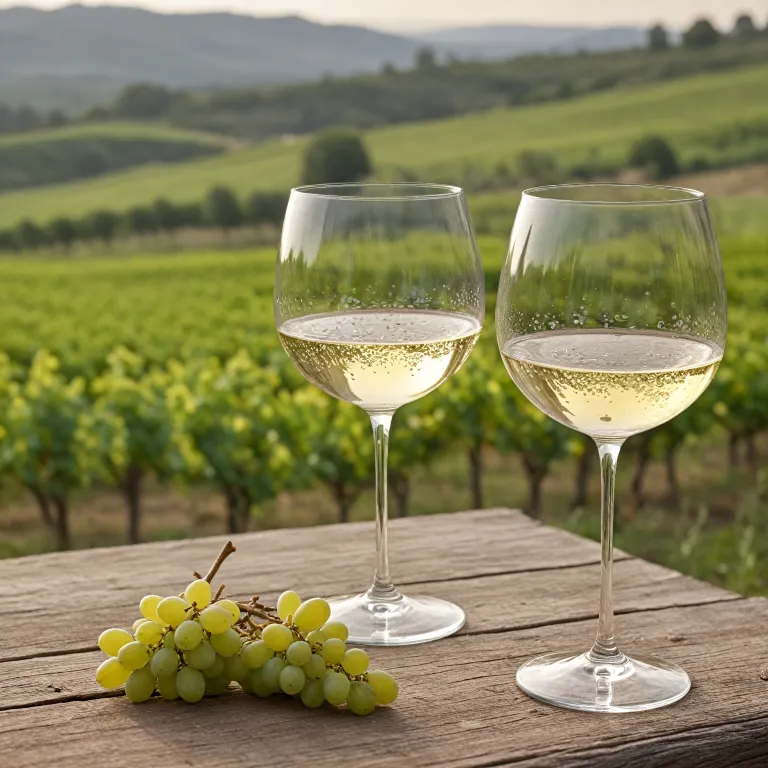
Tracing grenache blanc macabeu from vineyard rows to your glass
In the sunlit hills of Languedoc Roussillon, the partnership of grenache blanc and macabeu shapes some of France’s most characterful white wines. This blend of white grape varieties has become a quiet reference point for travelers who seek vineyard landscapes, nuanced wines, and authentic rural hospitality. Walking between rows of grenache vines and macabeu vines, you sense how grape variety, soil, and sea breezes combine to create white wine with luminous colour and layered aromas.
Grenache blanc is a white mutation of grenache, long associated with red wine but now celebrated for its citrus and herb notes in white wines. Macabeu, often linked to Spain yet firmly rooted in southern France, contributes floral tones, stone fruit flavors, and a gentle structure that balances grenache blanc. Together, grenache blanc macabeu blends show how traditional grape varieties can feel both timeless and modern in the glass.
For travelers, this region offers more than technical lessons about grape varieties grenache and macabeu ; it offers a sensory map of place. You taste the green garrigue herbs in the wine’s aromas, see the pale straw colour against the Mediterranean light, and feel the cooling influence of altitude in every sip. These wines are usually fermented in stainless steel tanks, sometimes with a touch of oak barrels, which preserves freshness while adding subtle texture.
Local winemakers often harvest grenache blanc and macabeu separately, then blend post fermentation to fine tune acidity and flavors. This approach allows them to craft both single varietal expressions and blends, including rare varietal wine bottlings of grenache blanc or macabeu. As you plan wine focused travel, understanding this careful work in the cellar deepens every tasting and every conversation at the cellar door.
Understanding the character of grenache blanc macabeu wines
When you sit down for a focused tasting of grenache blanc macabeu, the first impression is usually about texture and balance. Grenache blanc brings weight and gentle warmth, while macabeu adds lift, freshness, and delicate white flower aromas. Together, these grape varieties create white wines that feel generous yet precise, ideal for long lunches in the vineyard countryside of France and Spain.
In the glass, the colour of these white wines ranges from pale lemon to deeper straw, sometimes with green reflections that hint at youth and vitality. Aromas often weave citrus, fennel, and Mediterranean herbs from grenache blanc with pear, apple, and stone fruit from macabeu. Many travelers are surprised that a grape variety related to robust red wine can yield such refined white flavors, especially when blended with this quieter partner.
Texture is a key reason wine enthusiasts seek out these blends during vineyard journeys. Grenache blanc can feel broad and almost waxy, while macabeu tightens the frame, giving a clean, dry finish that pairs beautifully with coastal food. For those learning what defines a dry white wine, these blends offer a clear, elegant example of dryness balanced by ripe fruit flavors and gentle acidity, especially when you read more about understanding what is dry wine.
Travelers often compare these wines with white wines from Italy, California, or South Africa, noticing how climate and grape variety shape style. While grenache blanc macabeu from Languedoc Roussillon tends to emphasize freshness, some producers experiment with oak barrels to add spice and structure. Even within one region, you may taste both single varietal grenache blanc and blends that include macabeu, grenache gris, or carignan blanc, each combination offering a new perspective on these historic varieties.
Planning vineyard travel around grenache blanc macabeu in languedoc roussillon
Designing a wine journey around grenache blanc macabeu invites you to slow down and follow the rhythm of the vineyards. The Languedoc Roussillon region stretches along the Mediterranean, with varied soils that suit many grape varieties, including grenache, macabeu, grenache gris, and carignan blanc. As you move from coastal plains to higher inland slopes, you notice how altitude and exposure influence the style of white wines poured in each cellar.
Many estates welcome visitors for guided tasting experiences that highlight both single varietal wines and blends. You might sample a pure grenache blanc with intense citrus aromas, followed by a blanc macabeu cuvée that feels more floral and delicate. The most instructive moments often come when you compare a grenache blanc macabeu blend with a blanc grenache or garnacha blanca bottling from the same producer.
Travelers who appreciate thoughtful food pairing will find that local cuisine is naturally aligned with these white wines. Fresh seafood, grilled vegetables, and goat cheeses from nearby hills echo the green herb notes and saline finish of the wines. For those who also enjoy structured reds, many estates produce red wine from grenache and carignan alongside their white grape plantings, allowing a full exploration of the region’s varieties.
As you plan routes, it helps to keep practical details in account, from opening hours to reservation policies for tasting rooms. Some wineries now use digital systems that require an account login to book visits, especially during busy seasons. Combining visits to estates focused on grenache blanc macabeu with side trips to coastal villages or inland abbeys creates a balanced itinerary that respects both wine and cultural heritage.
From cellar to table: food pairing with grenache blanc macabeu
At the table, grenache blanc macabeu shows its full potential as a gastronomic white wine. The blend’s medium body, moderate acidity, and layered aromas make it versatile with many food traditions across France, Spain, and Italy. In coastal Languedoc Roussillon, grilled fish, shellfish, and olive oil rich dishes are classic partners for these white wines.
Grenache blanc contributes citrus and herbal flavors that echo ingredients like fennel, thyme, and lemon, while macabeu adds stone fruit notes that soften salt and spice. This combination works beautifully with Mediterranean vegetables, from roasted peppers to green courgettes and artichokes. When you taste these wines alongside seafood stews or simply prepared oysters, the colour and clarity in the glass mirror the freshness on the plate.
Travelers who enjoy structured tasting menus can ask local chefs to build courses around specific grape varieties. A single varietal grenache blanc might accompany richer dishes, while a blend with more macabeu suits lighter starters or raw fish. For those who also appreciate red wine, some restaurants propose parallel flights, allowing you to compare how grenache based whites and reds respond to the same food pairing.
Beyond the Mediterranean, these wines adapt well to global cuisines encountered during wider wine travel. In California or South Africa, where grenache blanc and related varieties appear in experimental white wines, chefs may pair them with spicy dishes or aromatic herbs. Even sweet styles like vins doux naturel from grenache can appear at the end of a meal, though grenache blanc macabeu is usually vinified dry, emphasizing purity of grape variety and place.
Exploring styles: single varietal, blends, and vins doux naturel
One of the most engaging aspects of grenache blanc macabeu for travelers is the diversity of styles available. In some cellars, you will taste single varietal grenache blanc, highlighting its power, citrus flavors, and subtle bitterness that suits gastronomic food. In others, blanc macabeu appears alone, offering a more delicate profile of white flowers, green apple, and gentle acidity.
The classic regional expression remains the blend of grenache blanc and macabeu, sometimes with a touch of grenache gris or carignan blanc. These grape varieties complement each other, creating white wines with both breadth and tension, ideal for long aging or immediate enjoyment. Producers may choose stainless steel for a pure, fruit driven style or oak barrels for a more structured, textural expression.
In certain appellations, grenache based vins doux naturel show another face of the grape, with fortified sweetness and amber colour. While these are often associated with red wine styles, white versions exist and can include grenache blanc, offering honeyed aromas and rich flavors. During a comprehensive tasting, you might move from dry white wines through varietal wine bottlings to these sweet, contemplative styles.
For travelers building a serious wine account of experiences, keeping detailed notes helps track how grape variety and winemaking choices shape each glass. Some enthusiasts even maintain digital journals that require an account login, storing impressions from France, Spain, Italy, California, and South Africa in one place. Comparing award winning cuvées with simpler everyday wines sharpens your palate and deepens appreciation for the varieties grenache and macabeu in all their forms.
Designing a refined wine travel itinerary around grenache blanc macabeu
Thoughtful wine travel around grenache blanc macabeu benefits from a clear sense of priorities. Some visitors focus on technical aspects of grape varieties, seeking estates that emphasize single varietal bottlings of grenache blanc, blanc grenache, or garnacha blanca. Others prefer a broader view, combining tastings of white wines, red wine, and vins doux naturel to understand how grenache shapes an entire region’s identity.
When planning, consider alternating coastal and inland visits to experience different expressions of colour, aromas, and flavors in the wines. Coastal vineyards often yield fresher, more saline white wines, while higher inland sites can produce richer textures and riper fruit notes. Including at least one estate that works with carignan blanc or grenache gris adds further nuance to your understanding of regional grape varieties.
Food pairing experiences can anchor each day, whether through simple picnics among the vines or elaborate meals in village restaurants. Many travelers now integrate educational elements, such as comparative tastings that set grenache blanc macabeu alongside other Mediterranean white grape varieties. For deeper context on structure and dryness, some itineraries link to resources about refined food pairing with structured wines, helping guests relate white wine experiences to familiar red wine benchmarks.
As you move between estates, remember that “What flavors do Grenache Blanc and Macabeu contribute? Grenache Blanc offers citrus and herbaceous notes; Macabeu adds floral and stone fruit flavors.” This concise description, shared by regional experts, becomes a practical guide during each tasting. Over time, your personal wine account of memories, supported by careful notes and perhaps an online account login, will reflect not only award winning bottles but also quiet, authentic encounters in vineyards across France and beyond.
Key statistics on grenache blanc and macabeu plantings
- Grenache blanc plantings in France cover approximately 5 000 hectares, reflecting its growing importance among white grape varieties.
- Macabeu plantings in France extend over about 2 000 hectares, underlining its role as a key partner in regional white wines.
- These figures illustrate a broader trend toward renewed interest in Mediterranean white grape variety plantings and blended wines.
Questions travelers often ask about grenache blanc macabeu
Where are grenache blanc and macabeu blends most commonly produced ?
Grenache blanc and macabeu blends are most commonly produced in the Languedoc Roussillon region of southern France. Here, the Mediterranean climate, varied soils, and long tradition of working with these grape varieties create ideal conditions for balanced white wines. Travelers will also encounter related styles in neighboring areas of Spain and, to a lesser extent, in experimental plantings in California, Italy, and South Africa.
How should grenache blanc macabeu wines be served during a tasting ?
These white wines show best when served chilled, around 10 °C, which preserves freshness and highlights citrus, floral, and herbaceous aromas. At this temperature, the texture of grenache blanc feels supple but not heavy, while macabeu’s acidity remains lively. For extended tastings, keep the bottle in an ice bucket and pour small amounts, allowing the wine to warm slightly in the glass and reveal additional flavors.
What food pairing works particularly well with grenache blanc macabeu ?
Grenache blanc macabeu pairs beautifully with Mediterranean food, especially grilled fish, shellfish, and vegetable dishes seasoned with olive oil and herbs. The wines’ green herbal notes and stone fruit flavors complement ingredients like fennel, thyme, and citrus, while their moderate acidity cuts through richness. Soft goat cheeses, lightly spiced poultry, and tapas style plates from France or Spain also make excellent companions for these versatile white wines.