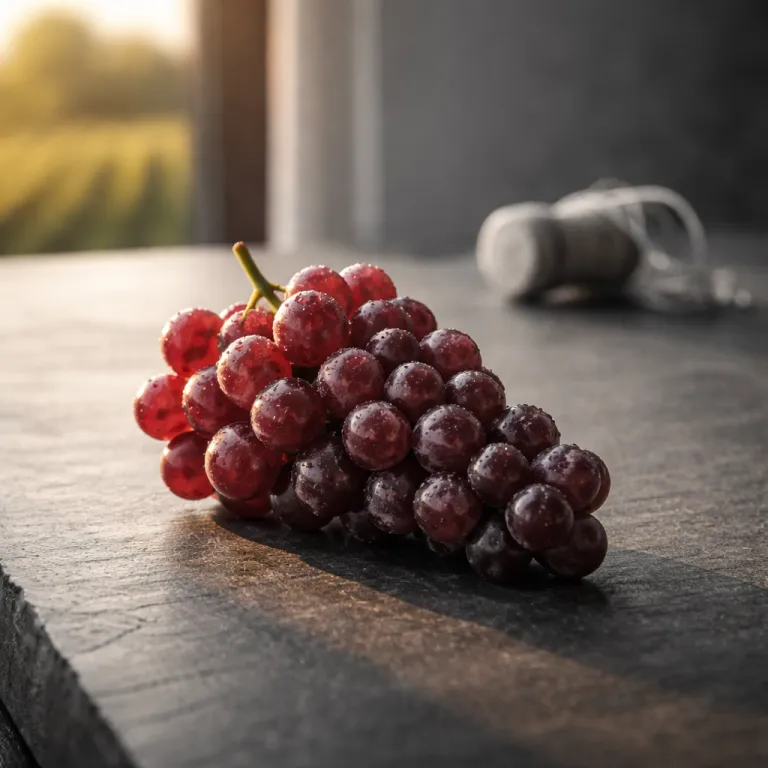
Tracing pinot noir and pinot meunier across historic terroirs
Pinot noir and pinot meunier shape some of the most elegant wines. For the wine traveler, following each grape variety from vineyard to glass reveals how landscape, climate, and culture converge in the glass. These two red grapes invite you to read each region like a living atlas of taste.
In France, the Champagne region remains the spiritual home of both grapes. Pinot noir dominates many slopes, while meunier planted on cooler, clay rich parcels brings resilience and generous fruit to production Champagne. Together, these grape varieties underpin the finesse of blanc de noirs, sparkling wines crafted entirely from dark skinned grapes.
Official figures show that Pinot Noir vineyard area in Champagne is 38.1 %, while Pinot Meunier vineyard area in Champagne is 30 %. These numbers matter for travelers choosing which villages to visit, because they hint at the balance of red and white grapes in local wine production. Around grand cru hillsides, you will often taste still red wine alongside structured sparkling wine based on noir pinot.
Beyond Champagne, pinot noir stretches from cool corners of France to Napa and other coastal regions. Pinot meunier, once considered mainly a supporting grape variety, now appears in single varietal wines that highlight its supple fruit and early ripening character. This evolution offers wine lovers new itineraries centered on meunier pinot, from traditional houses to innovative growers.
For travelers, understanding how these grapes were cultivated from Roman times to the first written mentions of meunier enriches every tasting. You move from simple enjoyment of red wine or white sparkling wines to a deeper appreciation of grape, place, and producer. Each glass becomes a map of where you have been and where you might go next.
Planning vineyard journeys around pinot focused regions
Thoughtful wine travel around pinot noir and pinot meunier begins with geography. Start by mapping the key region in France where these grapes are most densely planted, then layer in secondary destinations such as Napa that reinterpret the same varieties. This approach lets you compare how climate and culture shape wines from identical grapes.
In Champagne, villages dominated by pinot noir often sit on steeper, chalk rich slopes. Nearby, meunier planted on cooler, more sheltered sites contributes freshness and approachable fruit to many sparkling wines. When you taste a blend pinot based cuvée, you are effectively tasting a liquid itinerary across these contrasting landscapes.
Travelers interested in blanc noirs and blanc pinot styles should prioritize producers who highlight grape varieties on their labels. Many estates now bottle single vineyard sparkling wine that showcases pinot noir alone, pinot meunier alone, or a carefully judged blend pinot from several parcels. Comparing these wines side by side reveals how each grape variety contributes structure, aroma, and texture.
Outside France, Napa offers a different expression of pinot and related grapes. Here, pinot noir and pinot gris share hillside vineyards, while chardonnay and pinot blanc often occupy slightly cooler pockets. Visiting a producer such as Mumm Napa allows you to taste sparkling wines that echo Champagne traditions while reflecting Californian fruit ripeness.
When planning, consider alternating tastings of still red wines with sessions focused on sparkling wine flights. This rhythm keeps your palate fresh and highlights how the same grapes behave in different wine production methods. Over several days, patterns emerge in the way noir pinot, meunier pinot, and chardonnay interact in both still and sparkling wines.
From cellar to flute: understanding production for more meaningful tastings
Knowing how pinot noir and pinot meunier move from vineyard to cellar deepens every visit. Both grapes are red skinned, yet they can produce white, rosé, or red wines depending on pressing and maceration choices. This versatility explains why the same grapes underpin red wine, blanc de noirs, and many styles of sparkling wines.
In traditional production Champagne, winemakers harvest grapes early to preserve acidity. Pinot noir contributes structure and subtle red fruit, while pinot meunier adds immediate fruitiness and a supple mid palate to the blend pinot. Chardonnay, often planted on the coolest slopes, brings tension and citrus notes that lift the final sparkling wine.
During cellar tours, pay attention to how grapes are pressed and fermented. Gentle pressing of noir pinot and meunier pinot yields clear juice for blanc noirs, while extended skin contact produces deeper colored red wines. Modern fermentation technology now sits alongside traditional barrels, allowing precise control over temperature and texture in both still wines and sparkling wines.
Winemakers increasingly experiment with single varietal cuvées of pinot meunier and pinot noir. These wines highlight the grape variety in pure form, without the moderating influence of chardonnay or other grapes. Tasting such wines during a visit helps you isolate the specific aromas of cherry, raspberry, and floral notes in pinot noir, and the softer, more orchard fruit character of meunier.
As you move between cellars, you will hear consistent themes about climate adaptation and grape varieties. Producers emphasize how meunier planted in cooler spots ripens earlier than pinot noir, offering insurance in challenging seasons. Understanding these practical decisions transforms a simple wine club visit into an informed exploration of viticultural strategy.
Designing immersive itineraries around grape varieties and local culture
Memorable wine travel around pinot noir and pinot meunier blends technical insight with cultural immersion. Plan days that alternate between vineyard walks, cellar visits, and time in nearby villages where wine shapes daily life. This balance keeps the focus on grape varieties while grounding your experience in local traditions.
Begin with guided walks through parcels of pinot, meunier, and chardonnay to see how each grape variety responds to slope and soil. Guides can point out where meunier planted on heavier soils thrives, while pinot noir prefers well drained chalk or limestone. Observing these details in person clarifies why certain regions specialize in specific wines.
Pair these walks with curated tastings that compare pinot noir, pinot meunier, pinot gris, and pinot blanc. Many estates now offer flights that include blanc pinot and blanc noirs alongside still red wines and white wines. Such lineups reveal how grapes from the same family express different textures, from delicate sparkling wines to structured red wine.
Midway through your planning, consult resources on immersive pairing journeys such as elevating your palate with wine and food pairing tours. Integrating regional cuisine with pinot based wines highlights how acidity, tannin, and fruit interact with local dishes. This approach is especially rewarding in Champagne, where sparkling wine accompanies everything from river fish to aged cheeses.
Evenings are ideal for exploring wine bar culture and local wine club gatherings. Here, conversations with sommeliers and growers often reveal small producers working with niche grape varieties or experimental wine production methods. These encounters can lead you to limited cuvées of noir pinot or meunier pinot that rarely leave the region, adding depth and exclusivity to your journey.
Comparing pinot noir, pinot meunier, and related grapes in the glass
Side by side tastings are the most effective way to understand pinot noir and pinot meunier. Arrange flights that include still wines and sparkling wines, ideally from the same producer or neighboring vineyards. This controlled comparison highlights how grape, terroir, and winemaking choices shape the final wines.
Start with still red wines made from pinot noir, noting aromas of cherry, raspberry, and subtle spice. Then taste a still red wine based on pinot meunier, which often shows softer tannins and more immediate fruit. The contrast between these two red grapes clarifies why both are prized in production Champagne and beyond.
Next, move to sparkling wine, beginning with a classic blend pinot of noir pinot, meunier pinot, and chardonnay. Follow with a blanc noirs made solely from dark skinned grapes, then a blanc pinot or blanc de blancs for a white grape benchmark. Pay attention to how the fruit profile shifts from red fruit to citrus and stone fruit as the proportion of chardonnay increases.
Include related grapes such as pinot gris and pinot blanc in at least one flight. These white grapes, though genetically linked to pinot noir, produce very different wines in both France and Napa. Comparing their texture and acidity to that of sparkling wines based on noir pinot and meunier planted nearby adds another layer of understanding.
Throughout these tastings, remember the expert guidance often shared in cellars. “What flavors do Pinot Noir wines exhibit? Red fruit aromas like cherries and raspberries. How does Pinot Meunier contribute to Champagne? Adds fruitiness and freshness to the blend. Where are these grapes primarily grown? Mainly in France's Champagne region. Are single-varietal Pinot Meunier wines common? Increasingly popular but still less common than blends. Do these grapes have different ripening times? Yes, Pinot Meunier ripens earlier than Pinot Noir.” Hearing these points while tasting cements them in sensory memory.
Practical tips for refined pinot focused wine and vineyard travel
Thoughtful logistics ensure that your focus on pinot noir and pinot meunier remains pleasurable rather than rushed. Limit yourself to two or three estate visits per day, allowing time to walk vineyards, speak with winemakers, and revisit key wines. This slower pace respects both your palate and the complexity of the grape varieties.
When booking, prioritize estates that clearly communicate their work with specific grape varieties. Look for producers who detail where meunier planted parcels lie, how much pinot noir they farm, and whether they bottle single varietal cuvées. Such transparency usually signals a strong educational component to the visit, ideal for serious wine travelers.
Pack for varied conditions, as many regions where pinot thrives experience cool mornings and warm afternoons. Lightweight layers make it comfortable to move from damp cellars to sunlit rows of grapes, whether in France or Napa. Good walking shoes are essential for exploring sloped vineyards where noir pinot and chardonnay are often planted.
Consider joining a local wine club during extended stays, especially in Champagne or other pinot rich areas. Memberships often grant access to limited sparkling wines, experimental red wine bottlings, and private events. These experiences deepen your relationship with both the region and the grape varieties that define it.
Finally, keep a detailed tasting journal that notes grape variety, region, producer, and your impressions of fruit, acidity, and texture. Over time, patterns will emerge in how pinot noir, pinot meunier, pinot gris, and pinot blanc behave across different regions and wine production styles. This record becomes a personal atlas of pinot journeys, guiding future trips and enriching every return visit to the vineyards.
Key statistics for travelers focused on pinot noir and pinot meunier
- Pinot noir accounts for 38.1 % of the vineyard area in Champagne, shaping many structured sparkling wines and still red wines.
- Pinot meunier represents 30 % of the vineyard area in Champagne, contributing freshness and generous fruit to numerous cuvées.
- Both grape varieties are increasingly used in single varietal wines, expanding travel itineraries beyond traditional blends.
Essential questions for planning pinot centered wine journeys
What flavors do pinot noir wines typically show during tastings ?
Pinot noir wines usually present red fruit aromas such as cherries and raspberries, often accompanied by floral and subtle spice notes. In cooler regions, the fruit profile can lean toward cranberry and red currant, while warmer sites may bring riper strawberry tones. Paying attention to these nuances during travel helps you link specific villages and slopes to particular expressions of fruit.
How does pinot meunier influence the character of Champagne and other sparkling wines ?
Pinot meunier adds bright fruitiness, softness, and early approachability to many sparkling wines. In blends, it often rounds the mid palate, complementing the structure of pinot noir and the tension of chardonnay. Travelers who seek out meunier focused cuvées will often find wines that are particularly charming in their youth, ideal for tasting at cellars soon after release.
Where should travelers go to focus on pinot noir and pinot meunier in depth ?
The Champagne region in France remains the primary destination for exploring both pinot noir and pinot meunier in detail. Within Champagne, villages with a high proportion of noir pinot and meunier planted vineyards offer dense networks of producers to visit. Complementing this, cool climate areas in regions such as Napa provide contrasting interpretations of the same grape varieties, enriching any extended itinerary.