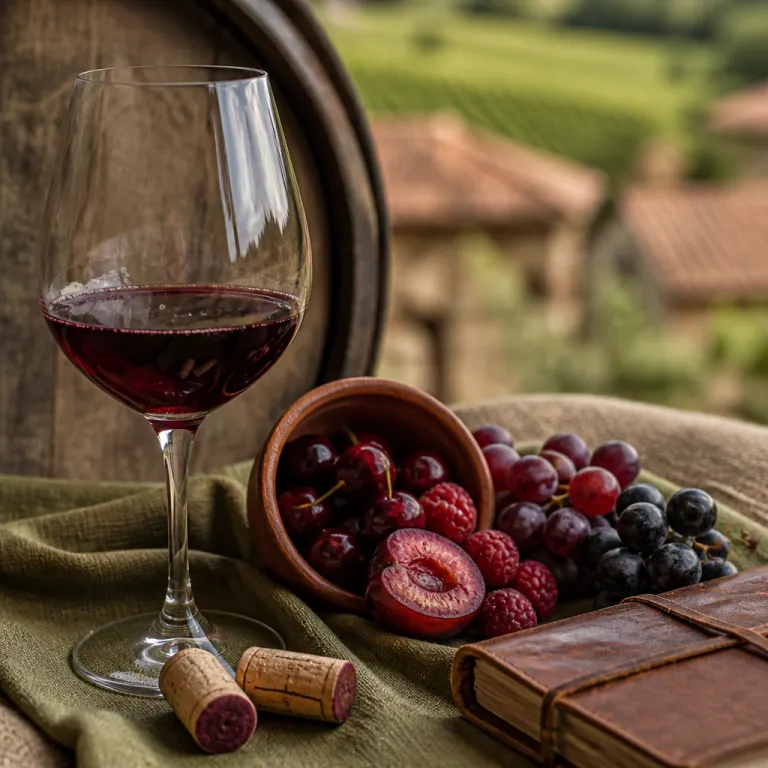
What fruit forward red wines really are when you travel
Fruit forward red wines place ripe fruit at center stage. These red wines are crafted so that flavours of cherries, strawberries, plums, and berries appear before oak, spice, or earthy notes. When you plan wine travel, understanding this style helps you choose the right red wine at every tasting room and recognise which bottles suit your palate.
In practical terms, fruit driven reds are made with techniques that protect freshness and aroma. Winemakers often favour gentle extraction, cool fermentations, stainless steel tanks, and neutral barrels so that pure fruit remains the focus in each wine. In this style, the goal is clear: professionals often describe them simply as “red wines emphasizing fruit flavors,” and that clarity guides both production and service. Around the world, from a family chateau in Bordeaux to a modern wine company in California, producers focus on grape varieties that naturally give wines fruity and approachable characters, often releasing them young to showcase primary fruit aromas.
Global red wine consumption now reaches 24.7 billion liters according to the OIV (State of the World Vine and Wine Sector 2023, oiv.int), and a growing share of that volume comes from fruit forward red wines. Travellers feel the impact in tasting rooms where lighter bodied wines sit beside full bodied icons, offering choice for every palate. Whether you prefer a silky pinot noir or a structured cabernet sauvignon, you will find at least one fruit-led red style that pairs well with your favourite regional dishes and local ingredients.
Key grape varieties and styles to seek in the cellar
When you visit vineyards, focus first on grape varieties that naturally give wines fruity profiles. Pinot noir, merlot, and grenache are classic examples, while some regions also offer lighter styles of cabernet sauvignon with generous fruit. Ask sommeliers and guides which red blends in their range show the most expressive fruits, then compare those to single grape wines during your tasting to see how blending changes the balance.
Pinot noir usually produces light to medium bodied wines with delicate red fruit aromas. In cool coastal regions such as Sonoma Coast or Mornington Peninsula, this grape offers flavours of cherries, strawberries, and cranberries, often with subtle spice that still lets the fruit shine. A guide might pour two pinot noirs side by side and invite you to notice how one smells like fresh raspberry and rose petals, while the other leans toward wild strawberry and dried herbs after a few minutes in the glass.
Merlot, by contrast, tends to be more plush and rich, giving red wine with softer tannins that pairs well with grilled meats and local cheeses in many destinations. Travellers interested in structured yet fruit forward reds should also explore malbec focused regions, especially when planning a trip using an elegant guide to popular malbec wines. These areas often produce medium to full bodied wines that balance ripe fruits with freshness, ideal for those who enjoy a red blend style. Whether you taste wines that are juicy and light or more full bodied and age worthy, always compare the standard cellar-door price with export prices to understand real value and decide which bottles to ship home.
Italian journeys from valpolicella classico to amarone della Valpolicella
Italy offers some of the most instructive routes for travellers who love fruit forward red wines. In the hills near Verona, Valpolicella Classico estates welcome visitors with glasses of light, fragrant red wines that highlight fresh cherry fruit. These wines, fruity in character, often come from traditional grape varieties such as Corvina, Rondinella, and Molinara, which give gentle tannins and vivid aromas, especially in cooler vintages like 2019.
As you move through the Valpolicella area, you will encounter a spectrum of styles. Simple Valpolicella can be very light and refreshing, while Ripasso della Valpolicella shows richer fruit and deeper colour without losing its lively character. At the top of the range, Amarone della Valpolicella delivers full bodied, powerful red blends made from partially dried grapes, yet many estates still manage to keep the fruit flavours at the forefront. During a cellar visit, you might taste a young Amarone that smells of dried cherries, figs, and cocoa, then notice how a few drops of water in the glass lift the red fruit notes and make the wine feel more vibrant.
Planning an Italian itinerary around these wines allows you to compare body and intensity across neighbouring appellations. An elegant journey through Italian red wine regions can easily include both Valpolicella and Tuscan classics in one trip. Along the way, pay attention to how each chateau or family estate sets its usual release price and any seasonal sale offers, because the cost from chateau to chateau can vary widely even within the same valley, especially between basic Valpolicella and single-vineyard Amarone bottlings.
New World regions where fruit leads every tasting
Outside Europe, many New World regions have built their reputation on fruit forward red wines. In California, for example, a modern wine company might use stainless steel tanks and minimal oak to preserve bright fruit in its pinot noir. Travellers will notice that these fruit-driven wines often feature flavours of cherries, strawberries, raspberries, and sometimes even ripe fruits like fig or blackberry, especially in warmer areas such as Paso Robles.
Some producers specialise in a bold red blend that layers several grape varieties for complexity. Labels such as Prisoner Wine Company in Napa Valley became famous for red blends that feel rich yet still driven by fruit, appealing to visitors who enjoy bodied wines with soft tannins. In tasting rooms, staff often explain how each grape in the blend contributes specific aromas, from dark fruits to spice, helping guests understand why the wine pairs well with local cuisine. A host might pour a zinfandel-based blend and point out how the blackberry jam character stands out first, followed by notes of vanilla and sweet baking spice as the wine opens.
Across the Southern Hemisphere, regions in Chile, Argentina, and New Zealand also focus on fruit forward red wine styles. Cool climate pinot noir from coastal New Zealand offers light, fragrant wines, while Argentine malbec from areas such as Mendoza or the Uco Valley delivers more full bodied expressions that remain intensely fruity. When you compare price lists between hemispheres, you may find that some of the best value red wines for travellers sit in these emerging destinations rather than in traditional European chateau cellars, particularly when exchange rates favour long-distance visitors.
How to taste and pair fruit driven reds on the road
Thoughtful tasting turns a simple winery visit into a deeper learning experience. Start by observing the colour of each red wine, noting whether it appears light and translucent like many pinot noir wines or darker and more opaque like cabernet sauvignon. Then swirl gently and focus on the aromas, asking yourself which fruits appear first and whether you sense secondary notes of spice, herbs, or oak that sit behind the primary fruit aromas.
On the palate, fruit forward red wines should feel balanced, with ripe fruit flavours supported by acidity and gentle tannins. Fruit-led styles often show clear notes of cherries, strawberries, redcurrant, or black fruits, and the best examples remain refreshing rather than heavy. When a wine feels too rich or alcoholic, ask your host to pour a lighter option so you can compare how different body levels behave alongside regional dishes and how the fruit expression changes with each pairing.
Food pairing is where this style truly shines, because fruit driven reds usually pair well with a wide range of cuisines. In coastal regions, a light, fruity red such as young Valpolicella or pinot noir can accompany grilled fish or vegetable dishes. In meat focused destinations, a merlot based red blend or a softer cabernet sauvignon often works beautifully with lamb, beef, or game, especially when the wine company has crafted the blend to keep tannins smooth and the everyday bottle price accessible for visitors who want to take a case home.
Planning elegant vineyard trips around fruit forward reds
Designing an itinerary around fruit forward red wines allows you to connect landscapes, cellars, and flavours in a coherent way. Begin by listing regions known for specific grape varieties, such as pinot noir in Burgundy and Oregon, merlot in Bordeaux and Washington, or cabernet sauvignon in Napa and Coonawarra. Then group destinations so that each travel day includes both a lighter fruity red experience and a tasting of more full bodied wines, giving you a clear sense of contrast.
Many travellers now combine red and white wine routes to broaden their understanding of styles. While planning, you can consult an elegant traveller’s guide to popular white wines to balance your schedule between cellar visits. Alternating between red wines and whites keeps your palate fresher, especially when you taste multiple grape varieties and red blends in a single day, and it helps you notice how fruit expression differs between colours and regions.
When booking tastings, pay attention to whether estates offer flights that compare core range cuvées with limited release bottlings. This structure helps you understand how factors such as vineyard site, grape selection, and aging influence both flavour and cost, estate by estate. Over time, you will recognise which styles of wines, fruity in character or more savoury and oak driven, suit your preferences, making it easier to decide when a promotion represents genuine value and when a higher standard price is justified by quality and distinctiveness.
Key statistics for travellers interested in fruit forward reds
- Global red wine consumption stands at 24.7 billion liters according to the OIV (State of the World Vine and Wine Sector 2023, oiv.int), showing how central red wines remain to worldwide wine culture.
- A significant share of this volume now comes from fruit driven styles, reflecting a broad consumer preference for wines fruity in character that feel approachable and versatile with food in both restaurants and tasting rooms.
- Many producers use stainless steel tanks and neutral barrels to preserve fruit purity, a technique that has spread from New World regions to traditional European chateau cellars and is now common in modern cellars across the globe.
- Wine tourism has expanded alongside this trend, with more estates offering guided tastings that compare light, fruit forward reds to full bodied, oak influenced wines in the same session so visitors can understand how winemaking choices affect flavour.
FAQ about fruit forward red wines and vineyard travel
What are fruit forward red wines ?
Fruit forward red wines are red wines in which flavours of fresh fruits such as cherries, strawberries, raspberries, or plums dominate over oak, earth, or savoury notes. Winemakers achieve this by using grape varieties that naturally give fruity profiles and by limiting heavy oak aging. The result is wine that feels approachable, versatile, and often ideal for travellers new to tasting who want to recognise fruit clearly in the glass.
Which grapes most often produce fruit driven reds ?
Grapes such as grenache, pinot noir, and zinfandel are widely recognised for producing fruit forward red wines. In many regions, merlot and some styles of cabernet sauvignon also give wines fruity in character, especially when grown in warmer sites and aged in neutral vessels. When you visit vineyards, ask which grape varieties on the estate tend to show the purest fruit aromas in youth and which cuvées are designed to be drunk young.
How should I pair fruit forward reds with food while travelling ?
These wines usually pair well with grilled meats, pasta, and cheese, making them flexible companions for regional cuisines. Lighter bodied wines such as young pinot noir or Valpolicella Classico work beautifully with poultry, charcuterie, and vegetable dishes. Richer red blends and full bodied styles complement steak, lamb, and slow cooked stews, especially when the wine retains enough acidity to refresh the palate between bites.
What tasting techniques help me evaluate fruit forward wines ?
Begin by smelling the wine carefully to identify primary fruit aromas before any oak or spice. Then take a small sip and focus on how the fruit flavours unfold across your palate, noting whether the wine feels light, medium, or full bodied. Finally, consider balance: the best examples show ripe fruit, fresh acidity, and gentle tannins that encourage another sip rather than fatigue, even after several wines in a tasting flight.
Why are fruit forward reds popular among wine travellers ?
These wines offer immediate pleasure, which suits visitors who may only taste a wine once at the estate. Fruit driven styles also make it easier to compare regions, because differences in grape varieties and climate appear clearly in the glass. For many travellers, this clarity turns each chateau visit into a memorable lesson in how landscape, grape, and winemaking choices shape the final wine, and it gives them confidence to choose bottles in shops and restaurants later.
Trustful expert sources
- International Organisation of Vine and Wine (OIV)
- Wine & Spirit Education Trust (WSET)
- Institute of Masters of Wine (IMW)