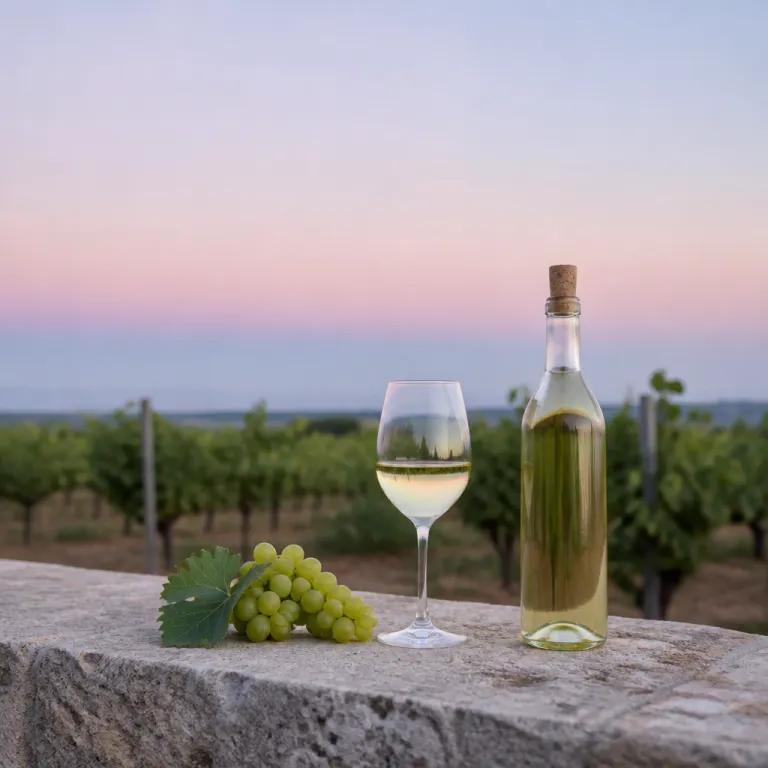
Understanding what is a nice white wine to drink when you travel
When you plan a vineyard trip, knowing what is a nice white wine to drink shapes every tasting and every view across the vines. A well chosen white wine turns a simple visit into a sensory journey, linking the landscape, the grape variety, and the people who craft the wines. On the road, a carefully selected bottle of white can capture the full character of a region in just a few citrus scented sips.
Start by deciding what style of white wine you enjoy most, because this will guide you toward the right chardonnay, sauvignon blanc, or pinot grigio at each estate. If you like crisp fruit and bright fruit acidity, you may gravitate toward sauvignon blanc from the Loire Valley, Marlborough sauvignon from New Zealand, or a precise Grüner Veltliner in Austria. Travelers who prefer a rounder texture and a fuller body might seek chardonnay from Napa Valley, chardonnay from Monterey County on the Central Coast, or structured white wines aged in oak barrels in Sonoma County.
Ask yourself what moments you want to pair with each bottle, whether it is a seaside lunch, a cellar tasting, or a sunset picnic among vines heavy with fruit. A light, zesty white wine such as a well chilled pinot grigio can work well for an aperitif, while a more complex Loire Valley sauvignon blanc from a quality producer suits a refined dinner. When you understand these differences between white wines, your vineyard travel becomes a curated experience rather than a series of random tastings.
From pinot grigio to pinot gris: elegant whites for Italian and alpine routes
Travelers often begin their search for what is a nice white wine to drink with Italian classics, especially when touring the lakes or the Adriatic coast. Pinot grigio from regions such as Alto Adige or Friuli offers clean citrus notes, subtle green apple aromas, and a dry finish that pairs well with seafood and light antipasti. These pinot grigio wines are usually bottled without oak, which preserves their fruit and makes them ideal for warm afternoons on a terrace with a panoramic view.
On the same journeys, you may encounter pinot gris, the stylistic cousin of pinot grigio, which can be fuller and more textured, especially in alpine vineyards. Pinot gris wines often show ripe stone fruit, gentle spice, and a richer mouthfeel, giving travelers a different answer to the question of what is a nice white wine to drink with mountain cheeses or creamy dishes. When tasting both pinot grigio and pinot gris side by side, you experience how one grape can express multiple personalities across climates and altitudes.
Italian routes also invite you to compare these wines with other white varieties, from crisp gruner styles in the northeast to aromatic sauvignon in cooler valleys. For a deeper overview of Italian white wines and the best vineyards to visit, consult this elegant traveler’s guide to the white wines of Italy before planning your itinerary. With this preparation, each bottle of white wine you open on the road becomes part of a coherent narrative rather than an isolated tasting note.
Chardonnay journeys: from Napa Valley to the Central Coast and beyond
For many travelers, chardonnay defines what is a nice white wine to drink, especially when touring the New World. In Napa Valley, chardonnay often shows ripe fruit, notes of green apple and citrus, and a generous texture that can be enhanced by oak aging. These Napa Valley white wines can feel full and layered, making them suitable for pairing with roast poultry, grilled fish, or rich sauces during vineyard side lunches.
Farther south, chardonnay from Monterey County and the wider Central Coast offers a cooler climate expression, with higher fruit acidity and more restrained alcohol. These chardonnay wines may spend less time in oak, or be completely unoaked, which allows the pure fruit to shine and gives travelers a fresher answer to what is a nice white wine to drink with shellfish or salads. The growing interest in unoaked chardonnay, illustrated by highly rated examples from coastal and cool climate regions, shows how many visitors now prefer clarity and precision over heavy oak influence.
When you continue north to Sonoma County, you encounter another spectrum of chardonnay styles, from lean and mineral to creamy and barrel fermented. Planning a route that compares Napa Valley, Sonoma County, and Central Coast chardonnay helps you understand how climate, soil, and cellar choices shape each bottle of white. For a structured overview of the best chardonnay wines and the most rewarding estates to visit, consult this traveler’s guide to the best chardonnay vineyards before booking tastings.
Sauvignon blanc and Sancerre: following the river from the Loire Valley to Marlborough
Travelers who love vibrant citrus notes often decide that sauvignon blanc defines what is a nice white wine to drink on a sunny day. In the Loire Valley, appellations such as Sancerre and Pouilly Fumé produce sauvignon blanc with piercing fruit acidity, aromas of green apple and gooseberry, and a mineral backbone that reflects the region’s limestone soils. Well regarded Sancerre bottlings have become benchmarks that many visitors seek out during tastings in this historic French region.
Producers in Sancerre have helped shape the reputation of the area, and their sauvignon wines show how careful vineyard work and sustainable practices can elevate this grape. When you taste these whites in hillside cellars overlooking the Loire Valley, you understand why so many travelers consider them among the best white wines for pairing with goat cheese and river fish. Many expert summaries now highlight specific Sancerre cuvées as notable references for the style, offering clear examples of the region’s character.
On the other side of the world, Marlborough sauvignon from New Zealand offers a more exuberant style, with intense citrus, passion fruit, and sometimes a hint of bay leaf or fresh herbs that some describe as a signature coastal character. These sauvignon blanc wines are often bottled young to preserve their fruit, giving travelers a vivid answer to what is a nice white wine to drink with fresh seafood or Asian inspired dishes. When you compare Marlborough styles with Loire Valley sauvignon blanc in a single trip, you gain a global perspective on how one grape can produce many different white wines.
Pinot, gruner and sustainable vineyard travel: how to taste with purpose
As wine tourism matures, more travelers ask not only what is a nice white wine to drink, but also how sustainably that wine was produced. Estates working with pinot varieties, whether pinot grigio, pinot gris, or even pinot blanc, increasingly adopt sustainable farming to protect soil health and water resources. When you visit these vineyards, you often see cover crops between rows, reduced chemical inputs, and careful management of fruit to balance ripeness and fruit acidity.
Grüner Veltliner, often shortened to gruner in travel conversations, has become a reference point for crisp, food friendly white wines in Central Europe. Many gruner producers focus on sustainable viticulture, which allows the grape’s natural citrus, white pepper, and green apple notes to shine without excessive intervention. Tasting gruner alongside other white wines on your route helps you refine your sense of what is a nice white wine to drink with vegetable based dishes, salads, and freshwater fish.
When planning sustainable wine travel, ask each estate about their environmental certifications, water use, and energy choices, and how these influence the style of their white wine. Some wineries now bottle specific sustainable cuvées, highlighting low intervention winemaking and minimal oak to let the fruit speak clearly. By favoring these producers, you support landscapes that will remain beautiful for future visitors, while enjoying white wines that express their origin with precision and honesty.
Designing white wine itineraries: from bay sauvignon breezes to riverside chardonnay
Thoughtful itineraries help you experience what is a nice white wine to drink in its natural setting, whether that is a coastal bay influenced sauvignon vineyard or a riverbank parcel of chardonnay. In maritime regions, sauvignon blanc often benefits from cooling breezes that preserve fruit acidity and enhance citrus and green apple aromas. Tasting these wines on site, with a view of the water, connects the bottle directly to the landscape in a way no city tasting room can match.
Inland, you might follow a river route that combines chardonnay, pinot, and other white varieties, perhaps linking the Loire Valley with nearby regions known for cabernet and other reds. For travelers interested in both colors, this French cabernet journeys guide from Bordeaux to the Loire offers a useful framework that you can adapt for white wines as well. Along such routes, you can compare oak aged chardonnay with unoaked versions, taste sauvignon blanc next to gruner, and decide for yourself which styles feel best for long lunches, quick aperitifs, or contemplative evenings.
When choosing where to stay, prioritize locations that allow you to walk or cycle between wineries, reducing driving and giving you more time to focus on each white wine. Many estates now offer curated tastings that highlight specific themes, such as fruit versus oak, or sustainable versus conventional farming, which help you refine your sense of what is a nice white wine to drink in different contexts. By the end of such a journey, you will have a personal map of white wines, from crisp sauvignon blanc to layered chardonnay, that reflects your own palate rather than someone else’s ranking.
Practical bottles to seek out on the road: from Santa Margherita to Weis and beyond
Knowing a few reliable labels before you travel makes it easier to answer what is a nice white wine to drink when faced with a long list. Santa Margherita, a renowned Italian producer, offers a pinot grigio that many guides describe as a classic example of the style, thanks to its clean citrus profile and balanced fruit acidity. Its approachable character makes it a frequent recommendation for those beginning to explore dry white wines during tastings.
In the United States, producers such as Weis Vineyards in New York have gained attention for unoaked chardonnay that focuses on freshness and clarity. This style of chardonnay, free from heavy oak influence, showcases pure fruit, green apple notes, and a precise structure that many travelers now consider among the best white wines for food pairing. When you visit such estates, ask to taste both current and slightly older bottles, so you can see how white wine evolves over time while retaining its core character.
For those exploring France, seeking out established producers in Sancerre provides a clear benchmark for sauvignon blanc from the Loire Valley. These wines, often enjoyed with a view of the river and surrounding hills, show how sauvignon blanc can be both refreshing and complex, with layers of citrus, stone fruit, and mineral notes. By combining these specific bottles with local cuisine and thoughtful itineraries, you build a personal answer to what is a nice white wine to drink, one that will guide future travels as well as current journeys.
Key figures and trends in white wine and vineyard travel
- Recent tasting panels have highlighted the growing appeal of unoaked chardonnay styles among both critics and travelers, especially from cooler regions where fruit purity stands out.
- Santa Margherita Pinot Grigio has become a widely recognized entry level white wine for beginners, reflecting the rising demand for approachable pinot grigio on wine lists worldwide.
- Well known Sancerre cuvées are frequently cited in major guides, confirming the appellation’s status as a reference point for high quality sauvignon blanc in the Loire Valley.
- Industry reports show increasing interest in Sancerre and other Loire Valley white wines, driven by travelers seeking fresher styles with higher fruit acidity and moderate alcohol levels.
- Wine tourism boards in regions such as Marlborough, Napa Valley, and Sonoma County report steady growth in visitors focused specifically on white wine tastings, rather than only red wine experiences.
FAQ about choosing white wines on vineyard trips
What is a good white wine for beginners on a vineyard tour ?
For beginners, Santa Margherita Pinot Grigio is a reliable choice, offering clean citrus flavors, moderate alcohol, and a dry finish that pairs well with many foods. Its approachable style makes it easy to enjoy during tastings without overwhelming the palate. Many guides now list this pinot grigio as a reference point for those starting their white wine journey.
What is a nice white wine to drink with seafood while traveling ?
Crisp sauvignon blanc from the Loire Valley or Marlborough, as well as light pinot grigio from northern Italy, pairs very well with seafood. These white wines usually have bright fruit acidity, citrus notes, and a clean finish that complement shellfish and grilled fish. When near the coast, look for local bay influenced vineyards that produce especially fresh styles.
Which white wine received high ratings recently and is worth seeking out ?
Many recent reviews have favored unoaked chardonnay from cooler climates, where winemakers emphasize fruit expression over oak. These wines often receive strong ratings for their balance and versatility at the table. If you enjoy precise, refreshing white wines, it is worth adding a well regarded unoaked chardonnay to your tasting list.
What is a notable Sancerre white wine to taste in the Loire Valley ?
When visiting Sancerre, ask local sommeliers or tasting room staff to recommend a classic cuvée that shows the region’s typical mix of citrus, green apple, and mineral notes. Many producers bottle flagship wines that serve as benchmarks for the appellation. Tasting one of these alongside local goat cheese provides a clear introduction to Loire Valley sauvignon blanc.
How can I plan a sustainable white wine focused itinerary ?
To plan a sustainable itinerary, prioritize wineries that publish clear information about their environmental practices, such as organic certification, water management, and energy use. Focus on regions where estates are close together, allowing you to walk or cycle between tastings and reduce driving. During visits, ask how sustainable choices influence the style of their white wine, from fruit ripeness to oak use, so your travel supports both quality and environmental responsibility.