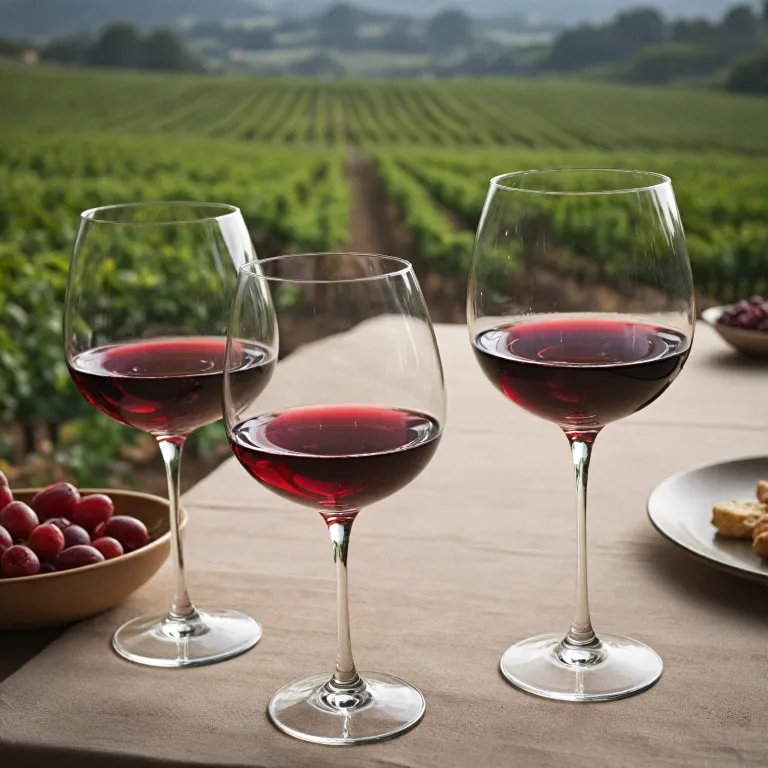
Understanding bordeaux wine glasses for the traveling wine lover
For travelers who plan vineyard journeys, bordeaux wine glasses are more than elegant tableware. They are precision tools that shape how a powerful red wine opens, breathes, and finally reaches your palate. The tall bowl and generous size of each glass create space for aromas to unfold slowly.
When you swirl a structured red wine in this glassware, oxygen softens firm tannins while preserving freshness. The slightly tapered rim of a Bordeaux wine glass directs the flow of the wine toward the back of the mouth, where you perceive depth, structure, and length. This design is especially important for a grand cabernet or a classic grand cru blend served during a château tasting.
Bordeaux wine glasses are designed to enhance the drinking experience of full-bodied red wines by facilitating aeration and directing wine flow to balance tannins and acidity. For most travelers, a versatile set of four to six glasses is enough for home, while a single set glass in your accommodation can transform a simple bottle into a memorable moment. Pay attention to the color and clarity of the glass, because thin, transparent crystal allows you to appreciate the wine’s robe under natural vineyard light.
On the road, you will often encounter generic glasses wine that mute aromas and exaggerate alcohol. Asking for proper bordeaux wine glasses at a tasting room shows both knowledge and respect for the producer’s work. Even in a small guesthouse in the united kingdom or the united states, a well shaped wine glass can bring your travel memories back with every pour.
Shape, size, and sensory impact in vineyard tasting rooms
The typical volume of a Bordeaux wine glass is around 600 ml, which surprises many travelers used to smaller restaurant stems. This generous size is not an invitation to overfill the glass, but a way to create a large surface for aeration. When you pour only one third, the wine has room to interact with air and release layered aromas.
In tasting rooms from Bordeaux to the united kingdom, professionals favor tall bowls with wide shoulders and gently narrowed rims. This shape channels the bouquet of red wine directly toward your nose, while the rim guides the liquid to the right part of the palate. Full bodied cabernet and structured blends benefit most, but even white wine can gain nuance in this style of glassware.
Travelers sometimes ask whether champagne or dessert wines should also be served in bordeaux wine glasses. Traditional champagne flutes remain popular for sparkling wines, yet many sommeliers now prefer slightly wider glasses champagne for complex cuvées. When you visit estates producing méthode traditionnelle, you may taste from both champagne flutes and tulip shaped stems to compare the view of bubbles and aromatic intensity.
During vineyard tours in cooler regions, such as estates famous for ice wine, you may notice smaller stems for sweet wines. When reading about German ice wine journeys, you will see how glass size influences perceived sweetness and acidity. Understanding these details helps you choose location specific glassware when you bring bottles home from different regions.
Comparing bordeaux wine glasses with other glassware styles
On a wine focused trip, you will encounter a wide range of glasses cocktail, martini glasses, and specialty stems. Each glass has a purpose, and comparing them with bordeaux wine glasses clarifies why shape matters so much. A classic martini glass, for example, has a wide, open cone that quickly releases aromas and temperature.
This design suits spirits and glasses martini, but it would flatten the bouquet of a nuanced red wine. Similarly, tall, narrow champagne flutes highlight bubbles yet restrict oxygen, which is why they differ from the broader bowls used for still wines. When you attend a tasting that includes both sparkling and still wines, observe how the host switches between champagne flutes and larger stems.
In stylish hotel bars from New York to York in northern England, you may see nick nora glasses for stirred cocktails. These elegant, compact shapes are ideal as glasses cocktail for spirit forward drinks, yet they lack the volume needed for serious red wine. For travelers, the key is to recognize that each glass, from martini to nick nora, serves a specific sensory goal.
Some wine bars now use a single universal wine glass for red and white wine to simplify service. While this works reasonably well, a dedicated Bordeaux wine glass still offers a superior experience for structured reds. When you read about sweet red wine experiences, note how glass shape can either emphasize sugar or highlight freshness, just as it can either tame or exaggerate tannins in a grand cru.
Practical advice for choosing and traveling with a bordeaux glass set
Selecting a set of bordeaux wine glasses for travel related use requires balancing elegance, durability, and price. Look for thin yet resilient stems, a clear, color free bowl, and a capacity close to the classic 600 ml benchmark. A four piece set glass often fits easily into luggage when packed in molded cases or original boxes.
When comparing brands in the united states or united kingdom, pay attention to how the rim feels against your lips. A finely cut rim allows the wine to glide smoothly, while a thick edge can interrupt the flow and dull perception. The details of stem length and base width also matter, because they influence stability on rustic tasting room tables or outdoor terraces with a panoramic view.
Travelers who enjoy cocktails may be tempted to pack martini glasses or multi purpose glasses champagne instead. However, a focused set of bordeaux wine glasses will serve you better for vineyard visits, restaurant pairings, and private tastings. If you also enjoy sparkling wines, consider adding two versatile flutes or tulip shaped stems rather than relying on a martini glass for every drink.
Before your trip, many specialist retailers invite you to subscribe newsletter updates that include glassware care tips and limited offers. Use these resources to compare price ranges, replacement policies, and regional availability. When planning itineraries around dry red wine journeys, align your glass purchases with the styles you expect to taste, from structured cabernet to softer blends.
Serving rituals, color, and etiquette in global wine destinations
Once you own suitable bordeaux wine glasses, the way you serve and present wine becomes part of the travel story. Fill each glass only to the widest point of the bowl, which allows the wine to breathe and showcases its color. This level also prevents spillage when you swirl, especially on uneven stone terraces overlooking vineyards.
In many châteaux, staff will first inspect the glass for clarity, checking that no dust or residual odors interfere with the wine. Holding the stem rather than the bowl keeps fingerprints away from the surface and maintains the correct serving temperature. When you raise the glass toward natural light, you can appreciate the hue of red wine, from deep garnet to brighter ruby tones.
Etiquette varies slightly between the united states, the united kingdom, and continental Europe, yet the fundamentals remain consistent. Hosts usually pour for guests, and it is polite to wait until everyone has a filled wine glass before tasting. When comparing different glasses wine during a flight of grand cru samples, avoid wearing strong perfume, which can mask delicate aromas.
Color also plays a role in glassware design, although clear bowls remain the standard for serious tasting. Colored stems or bases can add personality to a set, but tinted bowls may distort the visual assessment of the wine. For travelers who enjoy both white wine and red, neutral glassware ensures that each style appears in its true shade, whether you are in York, Napa, or a remote European valley.
Digital habits, accessibility, and planning your next glassware focused journey
Modern wine travelers increasingly plan their experiences online, comparing glassware, routes, and estates before departure. Many winery websites now include accessibility tools such as a skip content link or an option that opens window overlays with tasting room maps. These features make it easier to choose location specific visits that match your interests and mobility needs.
When browsing from the united states or united kingdom, you will notice that some estates highlight their preferred glasses champagne, bordeaux wine glasses, or universal stems. This transparency helps you anticipate the style of service and decide whether to bring your own compact set. For enthusiasts who also enjoy cocktails, it can be tempting to prioritize glasses martini or other barware, yet dedicated wine glass choices usually provide better value.
Specialist newsletters often invite you to subscribe newsletter segments focused on glassware innovations and regional trends. These updates may compare price brackets for a complete set, review martini glasses versus wine focused stems, or explain why nick nora designs remain popular in classic bars. By following such resources, you gradually build expertise that enhances every tasting, whether you are sampling cabernet in Bordeaux or white wine in a cool coastal region.
As you refine your preferences, remember that the goal is not to collect every possible glass, but to own a thoughtful set that suits your favorite styles. A small, well chosen group of bordeaux wine glasses, a few champagne flutes, and perhaps one elegant martini glass will cover most travel inspired occasions. With this foundation, each journey becomes an opportunity to deepen your understanding of how glass, place, and wine interact.
Key statistics about bordeaux wine glasses and glassware trends
- The typical volume of a Bordeaux wine glass is around 600 ml, providing ample space for aeration during tastings.
- Full bodied red wines such as Cabernet Sauvignon, Merlot, and Bordeaux blends are the primary styles recommended for Bordeaux wine glasses.
- Growing interest in varietal specific glassware reflects a broader awareness of how glass shape influences flavor and aroma perception.
Questions travelers often ask about bordeaux wine glasses
What wines are best suited for Bordeaux wine glasses?
Bordeaux wine glasses are ideal for full-bodied red wines such as Cabernet Sauvignon, Merlot, and Bordeaux blends. Their tall bowl and generous size allow these structured wines to open gradually, softening tannins while preserving freshness. You can also use them for other powerful reds when no specialized alternative is available.
How does the design of a Bordeaux wine glass enhance the wine tasting experience?
The tall bowl and slightly tapered sides allow for better aeration, softening tannins and releasing complex aromas, while directing the wine flow to balance tannins and acidity. This design focuses the bouquet toward your nose and guides the liquid to the back of the mouth. As a result, you perceive more nuance, length, and harmony in each sip.
What is the typical volume of a Bordeaux wine glass?
A typical Bordeaux wine glass holds around 600 ml, although you should only fill it to about one third. This generous capacity creates a wide surface area for oxygen contact without risking spills during swirling. The extra space is essential for structured reds, which need time and air to reveal their full aromatic complexity.
Trusted references : Wine & Spirit Education Trust, Court of Master Sommeliers, Institute of Masters of Wine.