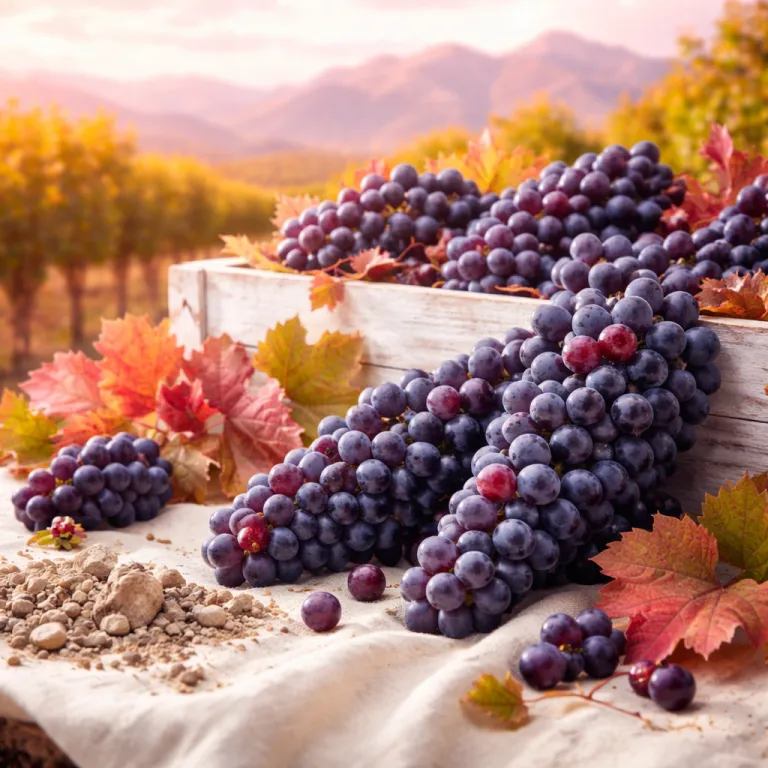
Why Uco Valley rewrites the story of wine travel in Argentina
Uco Valley sits ninety minutes south of Mendoza, yet it feels worlds away. This high altitude wine region in the Cuyo heart of the Mendoza province in Argentina has become the quiet reference point for serious wine travelers who want the Andes as a constant, living backdrop. Here the uco landscape, the valley floor and the surrounding foothills create a mosaic of vineyards that has redefined what wines from south America can be.
Altitude is the first thing you feel when you start any uco valley wine travel Argentina itinerary, because vineyards stretch from around 900 metres to well above 1 500 metres. The thin air, strong sunlight and extreme diurnal temperature shifts give Malbec, Cabernet Sauvignon and Chardonnay from this valley Mendoza corridor a precision and freshness that surprises visitors who only know heavier reds from elsewhere in the province Argentina. Uco wines show fine tannins, bright acidity and a mineral line that reflects stony alluvial soils washed down from the Andes into the valle Uco over millennia.
For couples planning travel focused on wine tasting rather than ticking off famous labels, this valley offers a rare balance of serious cellars and rural calm. The best wineries in the uco corridor understand that the real luxury is time with the winemaker in the vines, not a rushed tour through a crowded tasting bar. Many wineries uco side now limit group sizes, offer seated wine pairings with seasonal course lunch menus and encourage guests to walk into the rows to feel how the afternoon sun hits one bodega parcel differently from another.
Uco Valley also fits naturally into a broader journey through wine regions in south America, especially if you have already explored Spain or Chile. Travelers who have followed vineyard travel guides for Spain often remark that the uco valley wine region feels like a cross between a high plateau in Castilla y León and a cool corner of the Douro, yet the Andes make it unmistakably Argentina. If you are mapping future vineyard travel guides for Spain and beyond, Uco becomes a benchmark for altitude viticulture that sharpens your palate for other wine regions later.
As wine tourism grows, Uco has leaned into sustainability and authenticity rather than spectacle. Local bodegas invest in drip irrigation, organic practices and low impact architecture that frames the valley rather than dominates it, and this ethos appeals strongly to travelers who value place over branding. The result is a wine travel culture where a simple lunch wine enjoyed under a poplar windbreak can feel as memorable as a grand tasting of the best wines in a polished cellar.
Bodega La Luz del Vino and the power of old vines in Uco
Bodega La Luz del Vino anchors any serious uco valley wine travel Argentina plan, because its vineyards are the oldest in the valley and sit in a natural amphitheatre of Andes peaks. Walking these rows at first light, you see how the stony soils and sparse vegetation force the vines to dig deep, concentrating flavour in every grape. The winery team often explains that this combination of old vines and altitude is what gives their wines both density and lift, a duality that defines the best of Uco.
During a visit, expect more than a standard tour and quick wine tasting at the bar. Guides lead you through the original parcels that made Bodega La Luz del Vino a reference point for the entire valle Uco, pausing to show how each block faces the valley differently and catches wind or shade in its own way. Tasting a Malbec from these oldest plots while you look straight at the snow line of the Andes is one of those wine travel moments that recalibrates how you think about Mendoza and about Argentina as a whole.
The cellar itself remains human in scale, with concrete and neutral vessels that let the uco fruit speak rather than oak. A typical course lunch here might pair a high altitude Chardonnay with local trout, then move to a structured Malbec alongside slow cooked beef, each wine chosen to echo the herbs and smoke from the parrilla. These thoughtful wine pairings show why Bodega La Luz del Vino ranks among the best wineries for travelers who care as much about the philosophy behind a wine region as the label on the bottle.
Spending a full day at this winery is worthwhile, especially for couples who prefer depth over quantity in their Mendoza province itinerary. Start with a morning walk through the vineyards, followed by a focused tasting of current releases and a few older wines that reveal how uco tannins soften yet keep their line. After lunch, take time on the terrace to watch how the light shifts across the valley Mendoza panorama, then return to the vines for golden hour when the Andes turn pink and the air cools sharply.
Travelers who have explored vineyard travel guides for Spain often compare this experience to visiting a historic estate in Rioja Alavesa, yet the altitude and raw mountain energy make it distinct. If you are building a cross continental perspective on wine regions, Bodega La Luz del Vino becomes a touchstone for understanding how old vines behave under intense sun and cold nights. It also illustrates why rural wine regions are gaining favor among discerning travelers who want authenticity, landscape and time rather than a checklist of bodegas.
For a deeper dive into how vineyard etiquette and timing can shape such visits, consult this guide to first time vineyard visits, which covers the timing, transport and etiquette rules nobody tells you. It will help you structure your day so that your time at Bodega La Luz del Vino and other wineries uco side feels unhurried and genuinely immersive. That kind of preparation turns a good tour into a quietly transformative wine travel experience.
Essential Uco Valley wineries beyond the headline names
While Bodega La Luz del Vino anchors the historical narrative, a complete uco valley wine travel Argentina journey should also include a mix of modern and family run cellars. Zuccardi Winery, for example, has become an emblem of contemporary architecture and precise Malbec in the uco landscape. Salentein Winery offers a contrasting experience, with a modern facility, art spaces and carefully staged tastings that still keep the focus on the valley and its wines.
At Zuccardi, the Piedra Infinita vineyard has achieved near mythical status among wine travelers, and tasting its wines on site is essential. The stony soils here, visible as you walk between rows, show why altitude and rock define this part of the valle Uco more than simple heat or sunshine. A structured wine tasting often includes several micro terroir Malbecs, allowing you to compare how different parcels within the same valley express tension, fruit and minerality.
Salentein Winery, by contrast, leans into cultural programming alongside its cellar, which suits couples who enjoy art and architecture with their wine. A guided tour might move from barrel rooms to galleries before ending in a panoramic tasting room that frames the Andes and the valley Mendoza floor in one sweep. Here, course lunch menus often pair Sauvignon Blanc or Pinot Noir with lighter dishes, then shift to more powerful reds for the main plates, giving you a sense of how versatile Uco wines can be at the table.
Smaller addresses such as Domaine Bousquet, Bodega Azul and Casa Uco add texture to any itinerary, especially if you prefer intimate tastings. At Domaine Bousquet, organic practices and a focus on purity make the wines feel particularly transparent to the uco terroir, while Bodega Azul offers a relaxed atmosphere where a simple lunch wine under the pergola can stretch into a long afternoon. Casa Uco, set among vines, often combines tastings with outdoor activities, allowing you to move between glass and landscape in a way that feels natural rather than staged.
When planning which bodegas to prioritise, think in terms of contrasts rather than chasing a single list of best wineries. Pair a large, architecturally striking winery with a smaller, family run bodega on the same day, so you experience both the polished and the personal sides of the wine region. This approach mirrors how seasoned travelers design vineyard itineraries in Spain, as outlined in this immersive journey through wine tasting in Spain, where the interplay between scale and intimacy shapes the overall narrative.
Remember that many wineries uco side require advance reservations for tours, tastings and course lunch experiences, especially for weekends. Prices for tastings and meals vary widely, and while some charge in pesos and others in USD equivalents, the value tends to be strong compared with other international wine regions. Build in time between each visit so you can linger if a particular winery, wine or view captures you more than expected.
Designing a week in Uco Valley: rhythm, routes and real downtime
A well paced uco valley wine travel Argentina itinerary for a couple works best over five to seven days. This duration allows you to explore several wineries, enjoy the landscape and still have unscheduled hours for spontaneous walks or second visits. Think of each day as a gentle arc from cool morning vineyards to warm, lingering dinners, with the valley and the Andes as your constant frame.
Start most days with a single morning tour and tasting, when light is soft and temperatures are comfortable for walking the vines. Many bodegas, including Bodega La Luz del Vino, Domaine Bousquet and Casa Uco, offer first slot visits that combine a vineyard walk with a focused wine tasting before the sun grows intense. This is also when winemakers and viticulturists are most likely to be on site, giving you a better chance of a brief conversation in the vines or cellar.
Plan lunch as the centrepiece of the day rather than an afterthought between tastings. A long course lunch with thoughtful wine pairings at a winery restaurant lets you slow down, taste several wines in context and watch the valley Mendoza light shift while you eat. Whether you choose a refined auberge vin style dining room or a more rustic asado under trees, this lunch wine moment often becomes the emotional anchor of your travel memories.
Afternoons lend themselves to lighter activities that keep you close to the vines without overloading your palate. Short hikes along irrigation canals, gentle bike rides between nearby wineries uco side or simply reading under poplars with a glass of white wine can all feel luxurious in their simplicity. If you want a second visit in the same day, make it a relaxed, by the glass stop rather than another full tour, so your senses stay fresh.
Evenings are when the Andes put on their most theatrical show, and you should plan to be somewhere with an open view. Whether you are staying at Casa Uco, a rural auberge vin or a small guesthouse near lujan de Cuyo before or after your Uco days, aim for dinners that keep you close to the vineyards. A simple grill, a bottle of Malbec and the sound of irrigation channels can feel more luxurious than any urban restaurant in Mendoza city.
For couples who enjoy comparative tasting, consider dedicating one day to exploring lujan de Cuyo and another to the core of the valle Uco, so you can feel the stylistic differences between these wine regions. Lujan de Cuyo, closer to Mendoza, often shows slightly riper fruit and softer structure, while Uco wines tend to be more vertical and mineral. Experiencing both within the same Mendoza province trip deepens your understanding of how valley, altitude and exposure shape Argentina’s best wines.
Practicalities: getting to Uco, moving around and budgeting your trip
Reaching the uco valley wine travel Argentina corridor is straightforward, yet a little planning makes the journey smoother. Most international travelers fly into Buenos Aires, then connect to Mendoza city before continuing by road to the valley. From Mendoza, the drive south into the valle Uco takes around ninety minutes by car, following a route that gradually trades suburbs for vineyards and then for open views of the Andes.
Once in the valley, renting a car offers the greatest flexibility for visiting wineries, especially if you prefer unhurried days and occasional detours. Local advice consistently recommends a rental car or private driver over relying on ad hoc taxis, because distances between bodegas can be significant and mobile coverage patchy in some pockets of the valley. Guided tours remain an excellent option if you want to avoid driving after tastings, and reputable local operators often bundle two or three wineries uco side with a course lunch and scenic stops.
Budgeting in this wine region is relatively transparent, though you should expect a range of prices depending on the level of experience. Standard tastings at smaller bodegas may cost the equivalent of a modest restaurant meal, while elaborate wine pairings with multi course lunch menus at the best wineries can reach higher brackets, sometimes quoted in USD for clarity. Overall, many travelers find that the quality to price ratio in Uco compares favourably with other renowned wine regions in south America and Europe.
When planning, remember that seasons in this part of the province Argentina bring distinct moods rather than strict on or off periods. Warmer months highlight lush vineyards and long evenings, while cooler periods emphasise snow capped peaks and crisp air, both ideal for contemplative wine travel. The key is to align your visit with your tolerance for heat, your interest in vineyard activity and your desire either for busy tasting rooms or quieter cellars.
For those considering combining Uco with other wine regions, think about how each valley will complement the others rather than compete. A few days in lujan de Cuyo before heading south can ease you into Mendoza’s wine culture, while a later detour to European regions, perhaps following detailed vineyard travel guides for Spain, will feel richer after you have experienced altitude viticulture here. Resources such as Wine Travel Awards, Argentina Travel and regional tourism boards provide up to date logistical data, while specialist platforms like wine-vineyard-travel.com curate insider level recommendations.
As one local summary of the region puts it, “Explore high-altitude vineyards and taste premium wines.” That simple invitation captures why uco valley, with its mix of historic sites like Bodega La Luz del Vino and innovative projects such as Piedra Infinita or Casa Uco, has become a reference point for thoughtful wine travelers. Plan carefully, leave space for serendipity and let the valley, the Andes and the wines set the pace of your days.
FAQ about Uco Valley wine travel in Argentina
What types of wines are produced in Uco Valley
Uco Valley produces a wide range of wines, with Malbec as the flagship red alongside Cabernet Sauvignon, Merlot and Pinot Noir. On the white side, Chardonnay and Sauvignon Blanc perform particularly well thanks to altitude and cool nights. Many wineries also experiment with blends and single parcel bottlings that highlight specific soils within the valley.
How do I get from Mendoza to Uco Valley
The most common route is to fly into Mendoza city, then drive around ninety minutes south into the valle Uco by car. You can rent a vehicle at the airport, arrange a private transfer or join an organised tour that includes transport between wineries. Roads are generally good, but distances between bodegas can be longer than they appear on a map.
How many days should I spend in Uco Valley
Plan at least two to three days in the uco valley wine region if you want a meaningful sense of place. This allows time for several winery visits, a long course lunch with wine pairings and some unstructured hours to walk or rest among the vines. Serious wine travelers often extend to five days or more to explore both headline estates and smaller bodegas.
Do I need reservations for winery visits and tastings
Advance reservations are strongly recommended for most wineries in Uco Valley, especially for weekends and for restaurants offering multi course lunch menus. Many bodegas limit visitor numbers to keep tastings calm and focused, and some only open on certain days. Booking ahead also lets you request specific experiences, such as vineyard walks or vertical tastings of older wines.
Is Uco Valley suitable for travelers new to wine
Uco Valley works very well for newcomers to wine because many wineries offer clear, patient explanations of grape varieties, soils and winemaking. The dramatic landscape and visible Andes backdrop help make abstract concepts like altitude and diurnal range tangible. If you are new to vineyard etiquette or tasting structure, resources such as dedicated guides to first time vineyard visits can help you feel more confident before you arrive.