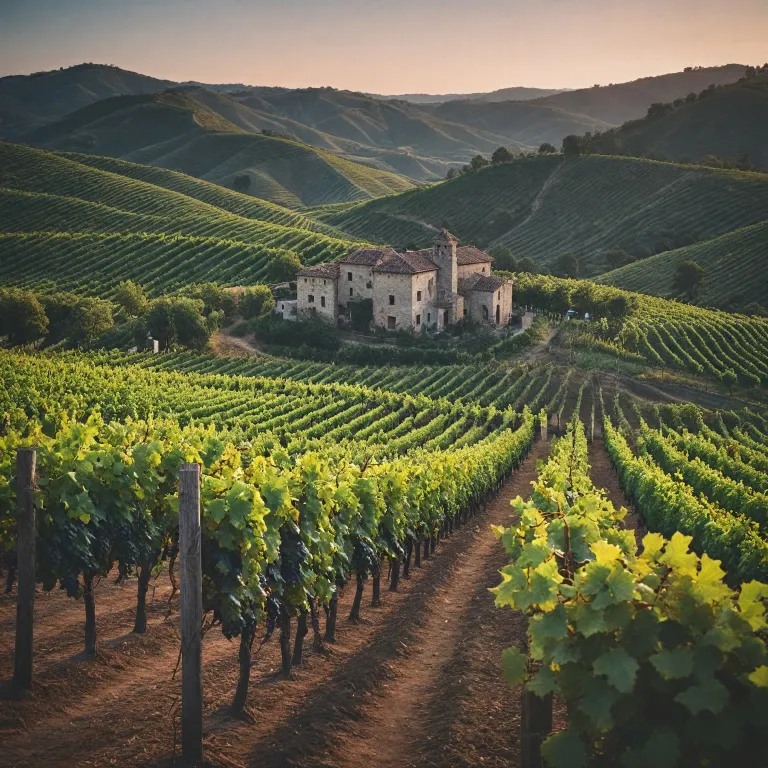
The essence of dry red wines: understanding flavors, tannins, and acidity
Dry red wines captivate with their complexity, structure, and depth. These wines are defined by minimal residual sugar, resulting in a palate that is not sweet but instead highlights bold flavors and pronounced tannins. The interplay of tannins and acidity shapes the mouthfeel, creating a sensation that is both invigorating and satisfying. Grape varieties such as cabernet sauvignon, merlot, pinot noir, and syrah are celebrated for producing some of the best dry reds. Each grape brings its own character: cabernet sauvignon offers full bodied structure and dark fruit notes, while pinot noir is renowned for its lighter body and subtle, nuanced flavors. Syrah delivers bold flavors and a rich, dark profile, and merlot strikes a balance with medium bodied elegance and soft tannins. The alcohol content of these wines typically ranges around 13.5% ABV, contributing to their full bodied nature. The flavors in dry red wines are shaped by grape variety, terroir, and winemaking techniques. Expect to encounter notes of dark fruit, such as blackberry and plum, alongside earthy undertones, spice, and hints of oak. The best dry reds exhibit a harmony between tannins acidity and fruit, resulting in a wine that is both structured and expressive. For those seeking wines dry in style, understanding the relationship between grape varieties, tannins, and acidity is essential to appreciating the diversity of red wine types available.From vineyard to glass: the journey of dry red wines
The production of dry red wines begins in the vineyard, where grape varieties are carefully cultivated to achieve optimal ripeness and balance. Winemakers select specific grape varieties—such as cabernet sauvignon, pinot noir, and syrah—based on the desired wine style and regional climate. Harvesting typically occurs in late summer to early autumn, with timing playing a crucial role in determining the wine's acidity and flavor profile. Once harvested, grapes are fermented until most sugars are converted to alcohol, resulting in a wine dry in character. The fermentation process is closely monitored to ensure the preservation of bold flavors and the development of tannins. Aging in oak barrels further enhances the wine, imparting complexity and integrating tannins acidity. Blending different grape varieties is a common practice, allowing winemakers to craft the best dry red wines with balanced structure and layered flavors. For travelers interested in wine and vineyard experiences, visiting renowned regions such as Bordeaux, Napa Valley, and Tuscany offers insight into the meticulous process behind top dry reds. These destinations provide opportunities to taste a range of red wines, from full bodied cabernet sauvignon to medium bodied pinot noir. For those seeking expert guidance, sommeliers and local wine shops can recommend the perfect wine pairings and highlight the nuances of various wine types. For a curated selection of vineyard experiences, explore our comprehensive guide to wine travel at wine travel recommendations.Exploring grape varieties: from cabernet sauvignon to pinot noir
The world of dry red wines is defined by its diverse grape varieties, each contributing unique flavors, tannins, and acidity. Cabernet sauvignon is revered for its full bodied structure, dark fruit flavors, and firm tannins, making it a favorite among enthusiasts seeking bold flavors. Merlot offers a softer, medium bodied profile with notes of plum and chocolate, while maintaining the dry character that defines red wines. Pinot noir stands out for its lighter body and delicate flavors, often described as noir light. This grape thrives in cooler climates and produces wines with bright acidity and subtle earthy undertones. Syrah, also known as shiraz in some regions, delivers robust, full bodied wines with spicy, dark fruit notes and pronounced tannins. Each of these grape varieties can be crafted into wines dry in style, with minimal residual sugar and a focus on structure and complexity. Wine enthusiasts seeking the best dry reds should explore both classic and lesser-known grape varieties. The growing popularity of organic and biodynamic practices has led to increased interest in unique wine types and regions. For those planning a vineyard journey, consider exploring destinations that highlight the diversity of grape varieties and offer immersive tasting experiences. For further insights into grape varieties and wine types, visit our detailed resource on grape variety profiles.Pairing dry red wines with cuisine: enhancing flavors and experiences
Pairing dry red wines with food is an art that enhances both the wine and the meal. The bold flavors and tannins of red wines complement rich, savory dishes, creating harmonious wine pairings. Classic matches include red meats, hearty pasta dishes, and aged cheeses, all of which benefit from the structure and acidity of dry reds. Cabernet sauvignon, with its full bodied profile and dark fruit notes, pairs beautifully with grilled steak or lamb. Pinot noir, known for its noir light character and bright acidity, is a perfect match for roasted poultry or mushroom-based dishes. Merlot's medium bodied texture and soft tannins make it versatile, pairing well with a range of foods from pasta to charcuterie. Syrah's bold flavors and spicy undertones shine alongside barbecued meats and robust stews. Understanding the interplay of tannins acidity and food texture is key to successful wine pairings. Wines dry in style can also elevate the flavors of dark chocolate and aged cheeses, offering a memorable end to a meal.Wine travel: top destinations and immersive vineyard experiences
Wine travel offers a unique opportunity to explore the origins of dry red wines and experience the culture of renowned wine regions. Bordeaux, with its historic châteaux and legendary cabernet sauvignon, is a must-visit for those seeking full bodied reds with complex flavors. Napa Valley is celebrated for its innovative winemakers and bold, fruit-driven wines, while Tuscany offers a blend of tradition and modernity in its approach to dry reds. Participating in wine festivals and events allows travelers to taste a variety of red wines, from medium bodied pinot noir to robust syrah. Guided vineyard tours provide insight into the winemaking process, from grape cultivation to barrel aging. Many wineries offer tastings that highlight the differences in tannins, acidity, and alcohol content across wine types. Sustainable and environmentally friendly practices are increasingly important in the world of dry red wines. Many vineyards now embrace organic and biodynamic methods, resulting in wines dry in style with a focus on purity and terroir expression. For travelers interested in exploring these trends, our wine travel recommendations offer a curated selection of top destinations and immersive experiences.Expert perspectives: winemakers, sommeliers, and wine enthusiasts on dry red wines
The expertise of winemakers, sommeliers, and wine enthusiasts shapes the world of dry red wines. Winemakers are dedicated to cultivating grape varieties and producing wines dry in style, focusing on quality and innovation. Sommeliers, as wine experts, guide consumers in selecting the best dry reds and perfect wine pairings, enhancing the dining experience. Wine enthusiasts play a vital role in the appreciation and enjoyment of red wines, seeking out new grape varieties and exploring different wine types. The global wine industry continues to evolve, with advancements in viticulture and winemaking techniques leading to improved quality and consistency. As noted in the expert dataset: "Dry red wines are typically served at room temperature, around 60-65°F (15-18°C), and can benefit from decanting to enhance flavors." This guidance ensures that the bold flavors and structure of dry reds are fully appreciated. For those interested in the cultural significance of dry red wines, exploring the traditions and innovations of renowned wine regions offers valuable insights. The continued appreciation and consumption of dry reds contribute to the growth and vitality of the wine industry, making wine travel an enriching pursuit for enthusiasts and novices alike.Key statistics on dry red wines and global wine production
- Global wine production: 26,000 million liters (International Organisation of Vine and Wine, OIV)
- Percentage of red wine in global production: 55% (OIV)
- Average alcohol content of dry red wines: 13.5% ABV (Wine Institute)
Frequently asked questions about dry red wines
What are some popular dry red wine varieties?
Popular dry red wine varieties include cabernet sauvignon, merlot, pinot noir, syrah (shiraz), and malbec. These grape varieties are known for their bold flavors, structure, and minimal residual sugar, making them favorites among wine enthusiasts.
How should dry red wines be served?
Dry red wines are typically served at room temperature, around 15-18°C, and can benefit from decanting to enhance flavors. Proper serving allows the wine's tannins, acidity, and aromas to fully develop, providing a more enjoyable tasting experience.
What foods pair well with dry red wines?
Dry red wines pair well with red meats, hearty pasta dishes, aged cheeses, and dark chocolate. The structure and bold flavors of these wines complement rich, savory foods, creating harmonious wine pairings.
Trustful sources: International Organisation of Vine and Wine (OIV), Wine Institute, Wine Enthusiast Magazine