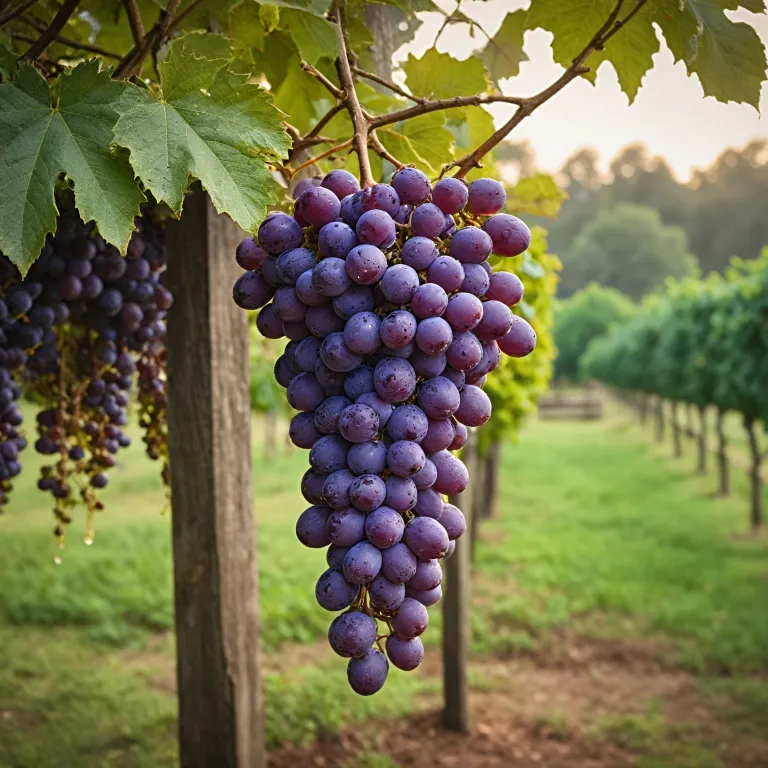
Muscadine origins and planning a vineyard journey in the Southeast
Muscadine grape wine begins with a native American grape that feels inseparable from the landscapes of the southeastern United States. This robust muscadine species, botanically distinct from vitis vinifera, thrives along warm coastal plains where sandy soils and humid summers shape both vines and wines. Travelers who learn how this fruit evolved in the wild quickly understand why muscadines and their thick skins fascinate growers and oenophiles alike.
Unlike many European grapes, muscadine grapes belong to vitis rotundifolia, a species adapted to pests, diseases, and high summer temperatures. These resilient vines carry clusters of bronze and red grapes that can taste intensely sweet, with sugar levels that often range higher than many classic red wine or white wine varieties. For visitors planning a wine muscadine itinerary, this difference between vitis vinifera and muscadine grapes explains why tasting notes feel so distinctive and why both dry and sweet wine styles coexist.
Planning a muscadine wine journey means mapping vineyards across North Carolina, South Carolina, Georgia, and Mississippi, where the grape has deep cultural roots. Many estates highlight the fruit’s role in native American traditions, while modern tasting rooms present muscadine wines alongside international wine benchmarks. When you learn to compare these American grape expressions with familiar red wine and white wine styles, each glass of muscadine grape wine becomes a lesson in regional identity and biodiversity.
Understanding muscadine styles, from dry to lusciously sweet
Travelers often expect every muscadine grape wine to be intensely sweet, yet the range of styles is surprisingly broad. Producers now craft dry muscadine wine that appeals to visitors who usually prefer European wines, while still offering sweet wine options for guests who enjoy dessert like richness. This stylistic spectrum allows wine company teams to guide tastings that move from crisp white muscadine to deeper red muscadine expressions in a single flight.
In many cellars, white wine from bronze muscadine grapes shows floral aromas, fresh fruit notes, and moderate alcohol balanced by naturally high acidity. Red muscadine wines, pressed from darker grapes, can deliver bold tasting notes of wild berries, plum, and spice, with tannins softened by residual sugar when made in sweeter wines. Understanding what makes a dry wine in this context becomes essential, and travelers can prepare by reading a detailed guide on refined dry wine styles for vineyard travel experiences.
Because muscadines ripen with naturally high sugar, winemakers must decide whether to ferment to dryness or retain sweetness that highlights the grape’s generous fruit. Some mountain wine producers in cooler pockets of the Southeast experiment with lower alcohol, semi dry wines that still showcase the species’ aromatic intensity. As you learn to interpret these choices, each glass of wine muscadine reveals how climate, grape variety, and cellar technique intersect across the southeastern United States.
Visiting leading muscadine estates and understanding production scale
One of the most influential names in muscadine grape wine today is Duplin Winery, a producer that illustrates how regional wines can reach a broad audience. Duplin’s team now bottles around 560,000 cases of muscadine wines each year, distributing across multiple states while still welcoming visitors into relaxed, hospitable tasting rooms. For travelers, this scale means you can taste familiar labels on site, then compare them with smaller wine company offerings nearby.
Guided tours often begin in the vineyards, where rows of muscadine vines stretch across gently rolling terrain in the southeastern United States. Here, guests see how the grape clusters hang loosely to encourage airflow, reducing disease pressure on this already resilient species. Educators explain that approximately 50 muscadine cultivars exist, with ‘Carlos’ widely planted for white muscadine wine, while other grapes support red muscadine and rosé styles.
Inside the winery, visitors follow the fruit from reception to press, watching how thick muscadine grape skins influence color and tannin extraction. Stainless steel tanks hold both dry and sweet wine fermentations, while some barrels age select red wine cuvées aimed at international wine competitions. When staff describe how Duplin Winery produces 560,000 cases of Muscadine wines annually, selling in 15 states., travelers gain perspective on how a once local American grape has entered the broader wine competition landscape.
Health research, antioxidant richness, and responsible tasting on the road
Beyond flavor, muscadine grape wine attracts attention for its notable antioxidant content, a topic that increasingly interests health conscious travelers. Researchers such as horticulturist James B. Magee and nutritionist Betty J. Ector have examined how muscadine grapes contain significant phenolic compounds, including resveratrol and ellagic acid. Their work, supported by institutions like Mississippi State University and the USDA Agricultural Research Service, positions this native American fruit within the wider conversation on functional foods.
Studies indicate that Muscadine grape wine is rich in antioxidants like resveratrol and ellagic acid, which may reduce the risk of heart disease and certain cancers. For visitors touring vineyards, this does not turn wines into health products, yet it adds context when tasting both red wine and white wine styles made from the species. Some estates now present educational panels that explain how the thick skins of muscadines contribute to high antioxidant levels compared with many vitis vinifera grapes.
Responsible travel remains essential, so guests are encouraged to enjoy sweet wine and dry muscadine wine in moderation while focusing on the cultural and agricultural stories behind each glass. Many wineries offer grape juice and other non alcoholic fruit products, allowing all members of a group to participate in tastings. When you learn to appreciate muscadine wines as part of a balanced lifestyle, vineyard visits become richer, more thoughtful experiences across the southeastern United States.
Designing immersive muscadine tasting itineraries and pairing experiences
Thoughtful travelers often build itineraries that combine muscadine grape wine tastings with regional cuisine, outdoor activities, and educational workshops. In North Carolina and Georgia, for example, guests might spend the morning walking among vines, then enjoy a lunch that pairs white muscadine wines with fresh seafood or seasonal vegetables. Evening meals can highlight red muscadine or mountain wine alongside grilled meats, smoked dishes, or aged cheeses that balance the grape’s naturally sweet profile.
Many estates now host structured sessions where visitors learn to interpret tasting notes for both dry and sweet wine styles. These classes often compare muscadine wines with familiar international wine benchmarks, helping guests understand how an American grape can stand beside classic vitis vinifera varieties. For those planning events at home, a detailed guide to hosting an elegant tasting, such as this resource on expert wine tasting themes and pairings, can extend the vineyard experience beyond the trip.
On site shops usually stock a wide range of muscadine wines, from crisp white wine to deeply colored red wine and late harvest sweet wine. Travelers can shop for limited releases, competition winners, and estate only cuvées that rarely leave the region, often labeled with details about grape variety and vineyard site. By combining these purchases with careful notes on each species or clone tasted, visitors create a personal archive that enriches every future wine muscadine journey.
Competitions, climate expansion, and the evolving future of muscadine travel
As muscadine grape wine gains recognition, more producers submit bottles to regional and international wine competitions to benchmark quality. Events such as the indiana international wine competition have begun to feature muscadine wines alongside classic vitis vinifera entries, giving judges a broader view of American grape diversity. When a muscadine wine earns a medal in a major wine competition, travelers often seek out that estate to taste the winning vintage on site.
Climate change and growing interest in resilient species are encouraging vineyards beyond the traditional southeastern United States to experiment with muscadines. New plantings appear in slightly cooler zones and even in mountain wine regions, where the grape’s disease resistance and high acidity offer practical advantages. Visitors who learn about these trials gain insight into how one native American species might complement, rather than replace, established vitis vinifera plantings.
Back in core regions such as Poplarville in Mississippi, research continues into value added products like seedless puree made from muscadine pomace. These innovations support local economies, create new shop opportunities for wineries, and reduce waste while highlighting the fruit’s nutritional strengths. For wine focused travelers, following these developments adds another layer of meaning to each glass of muscadine grape wine, linking tasting notes with sustainability, science, and the evolving story of American grapes.
Key statistics for muscadine grape wine travelers
- Annual muscadine wine production at Duplin Winery reaches approximately 560,000 cases, illustrating the scale of this regional specialty within the United States.
- The antioxidant capacity of muscadine grapes has been measured at around 6,800 ORAC per 100 grams, highlighting the fruit’s notable phenolic richness.
- Some muscadine products provide resveratrol levels where 2 ounces can equal the resveratrol content of about 4 ounces of red wine, underscoring their concentration of key compounds.
Essential questions about muscadine grape wine for vineyard travel
What are the health benefits of muscadine grape wine ?
Muscadine grape wine is rich in antioxidants like resveratrol and ellagic acid, which may reduce the risk of heart disease and certain cancers. These compounds are concentrated in the thick skins of muscadine grapes, which differ structurally from many vitis vinifera varieties. While these findings are promising, travelers should still enjoy both red wine and white wine styles in moderation as part of an overall balanced lifestyle.
Where are muscadine grapes primarily grown ?
Muscadine grapes are primarily grown in the southeastern United States, including states like North Carolina, South Carolina, Georgia, and Mississippi. In these warm, humid regions, the species thrives on pergolas and trellises, forming the backbone of many local wine muscadine traditions. Vineyard travelers can plan routes that link several estates across these states, experiencing how different microclimates shape both dry and sweet wine expressions.
What makes muscadine grapes different from other grape varieties ?
Muscadine grapes have thick skins, are resistant to pests and diseases, and contain higher levels of antioxidants compared to other grape varieties. Unlike most vitis vinifera grapes, they belong to a distinct species adapted to the climate of the southeastern United States. This combination of resilience, high natural sugar, and intense fruit character gives muscadine wines their unmistakable personality in both red and white styles.