Côte Rôtie in the northern Rhône: where steep cote meets fine wine
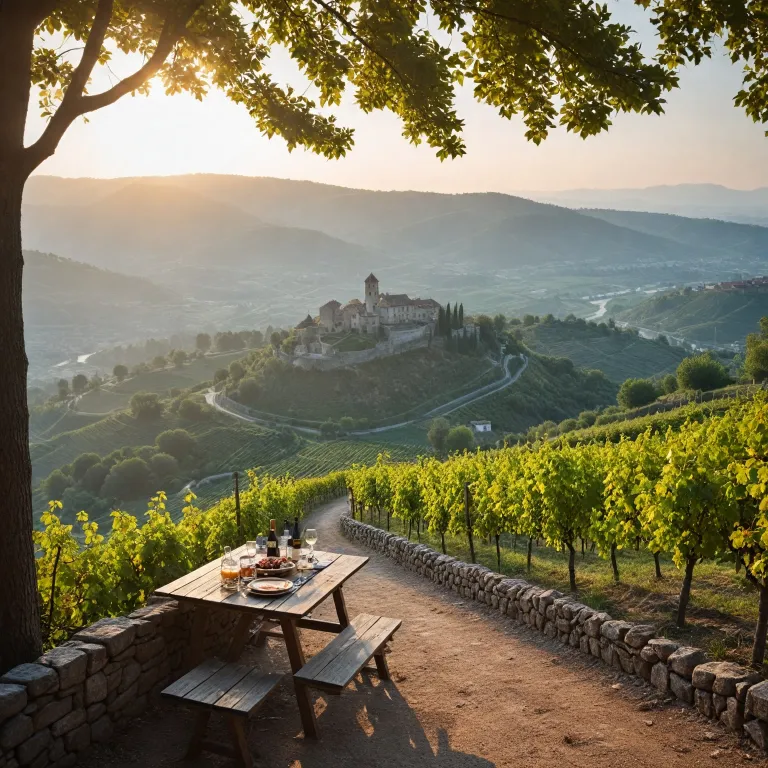
The cote above Ampuis in northern Rhône rises in dramatic, vertiginous tiers. These slopes shape every rotie wine and explain why the Côte Rôtie appellation fascinates serious travelers. In this compact region of France, vineyard wines cling to terraces that seem to defy gravity.
The cote itself is divided into the famed Côte Blonde and Côte Brune, two names that echo through conversations about rotie wines. Each cote offers different expressions of syrah and syrah viognier blends, yet both share the same northern Rhône light and wind. Walking between Côte Blonde and Côte Brune, you sense how a few metres of elevation can transform rotie wine texture and perfume.
This part of France northern Rhône is small, with only about 328 hectares of vineyards, yet its influence on fine wines is immense. The rotie appellation is renowned for syrah that can age gracefully for many years, often a decade or more. Travelers who appreciate nuanced vineyard wines will find that every cote, every parcel, and every domaine tells a precise story.
Reading the cote blonde and cote brune slopes as a traveler
Standing above the Rhône Valley, you see the cote carved into narrow ledges of stone. The Côte Blonde cote is lighter in soil colour, and many producers associate it with more floral, supple rotie wines. The Côte Brune cote, darker and richer in clay and iron, is often linked to more structured rotie wine with deeper spice.
For visitors, tracing the line between Côte Blonde and Côte Brune becomes a way to understand the region beyond labels. Guides in Ampuis explain how syrah and viognier share these terraces, and how the rotie appellation allows up to twenty percent of viognier in the blend. When you taste syrah viognier from different vineyards, you begin to feel how each cote and each single vineyard imprint their own character.
This is also an ideal setting for curated vineyard wines itineraries with friends or celebrations. Those planning refined group escapes can pair Côte Rôtie tastings with a tailored winery tour experience in another region to compare styles. Moving between Côte Blonde, Côte Brune, and neighbouring Saint Joseph, you gain a broader view of northern Rhône wines and the subtle shifts from cote to cote.
Meeting domaines and producers shaping Côte Rôtie character
Behind every elegant cote rotie bottle stands a network of dedicated vignerons of Côte Rôtie. These producers work steep cote parcels by hand, using simple tools because machines cannot safely navigate the gradients. Their domaines in Ampuis, Saint-Cyr-sur-le-Rhône, and Tupin-et-Semons form the backbone of the rotie appellation economy.
Names such as Guigal, René Rostaing, and Clusel Roch have become reference points for travelers building a tasting itinerary. A visit to a Guigal cote cellar offers insight into how a large domaine manages stock domaine holdings across multiple cote parcels. At Clusel Roch, you may focus more on single vineyard bottlings, where each roch cote terrace is vinified separately to highlight micro differences.
Many producers craft both rotie wines and cuvées from nearby Saint Joseph, allowing you to compare northern Rhône expressions side by side. When planning, consider pairing a Côte Rôtie trip with a journey to another benchmark region, such as a Pinot Noir focused visit in the Russian River Valley. This contrast between syrah based rotie wine and cool climate pinot helps refine your palate and deepens appreciation for each domaine’s philosophy.
Understanding syrah, viognier and the rotie appellation in the glass
Côte Rôtie wines are primarily made from Syrah grapes, with up to 20% Viognier allowed in the blend. This rule defines the rotie appellation and shapes the style of both single vineyard cuvées and broader blends. In practice, some producers favour pure syrah, while others embrace syrah viognier co fermentation to add lift and aromatic complexity.
In the glass, a young cote rotie from the northern Rhône often shows violet, black olive, smoked meat, and dark berry notes. When viognier is present, you may notice subtle apricot, white flowers, and a silkier texture in these vineyard wines. Over the years, well stored rotie wines from top cote parcels gain truffle, leather, and savoury depth while retaining freshness.
Travelers should pay attention to labels mentioning Côte Blonde, Côte Brune, or specific rotie les lieux dits, as these indicate origin within the region. Some domaines highlight single vineyard names to signal a precise cote and soil type. When tasting across several producers, compare how Guigal cote bottlings differ from those of René Rostaing or Clusel Roch, and note how each interprets syrah, viognier, and the steep cote landscape.
Planning a Côte Rôtie itinerary through France northern Rhône
Designing a journey through this region of France northern Rhône requires balancing cellar visits, vineyard walks, and time along the Rhône River. Base yourself in or near Ampuis, where many wineries cluster close to the cote, making appointments easier. From here, you can add day trips to neighbouring Saint Joseph and other northern Rhône appellations to broaden context.
When arranging visits, contact domaines such as Guigal, René Rostaing, and Clusel Roch well in advance, as their rotie wines attract global interest. Ask whether they can show both Côte Blonde and Côte Brune parcels, and whether any single vineyard cuvées are available for tasting. Some producers may also offer older rotie wine from their stock domaine, allowing you to experience how these wines evolve over many years.
Allocate time to walk selected cote paths, where you can observe the terraced vineyards and the mix of syrah and viognier vines. The steepness explains why hand tools remain essential and why yields are naturally limited in this rotie appellation. For travelers who appreciate architecture and cellar design, consider pairing this trip with a visit to a post and beam style winery elsewhere, contrasting local stone terraces with timber framed spaces.
From cellar to shop: tasting, buying and ageing Côte Rôtie wines
Once you have explored the cote and met key producers, attention naturally turns to tasting strategy and purchases. Many wineries offer structured flights that compare Côte Blonde, Côte Brune, and blended cuvées, helping you calibrate preferences. Take notes on which rotie wines show immediate charm and which feel built for many years of ageing.
While some can be enjoyed younger, many Côte-Rôtie wines benefit from aging 10–15 years to fully develop their flavors. This guidance is particularly relevant when you encounter single vineyard bottlings from steep cote parcels with concentrated syrah. Ask each domaine how long they recommend cellaring their rotie wine, as styles vary between more approachable and firmly structured cuvées.
In local shops around Ampuis and the wider Rhône Valley, you will find a mix of current releases and older stock domaine selections. Compare prices between cellar doors and independent shop shelves, especially for Guigal cote labels, René Rostaing cuvées, and Clusel Roch bottlings. When transporting bottles home, remember that these vineyard wines from France northern Rhône reward patience, so plan storage conditions that respect the work done on every cote.
Extending your northern Rhône journey beyond the Côte Rôtie slopes
Although the cote above Ampuis is the primary focus, a thoughtful itinerary extends further along the Rhône Valley. South of the rotie appellation, Saint Joseph offers additional syrah based wines that are often more approachable in youth. Visiting both regions allows you to compare how cote exposure, soil, and altitude influence vineyard wines.
Many travelers also enjoy exploring other parts of France northern wine culture after a stay in Côte Rôtie. You might add a few days in Burgundy, Champagne, or the Loire to contrast syrah viognier blends with pinot noir, chardonnay, or cabernet franc. Each region offers its own network of domaines, producers, and cote landscapes, enriching your understanding of French wines as a whole.
As global demand for rotie wines grows, local vignerons continue to balance tradition and innovation on their steep cote terraces. They maintain hand worked vineyards while adopting careful modern techniques in the cellar to protect terroir expression. For the thoughtful traveler, engaging with these wineries, tasting across Côte Blonde, Côte Brune, and rotie les lieux dits, and supporting responsible shop choices becomes a meaningful way to participate in the ongoing story of this remarkable northern Rhône region.
Key Côte Rôtie vineyard statistics
- Total vineyard area for the Côte Rôtie appellation is approximately 328 hectares.
- The maximum percentage of Viognier allowed in Côte Rôtie blends is 20 %.
- Many Côte Rôtie wines have an ageing potential of around 15 years under good cellaring conditions.
Essential Côte Rôtie travel FAQs
What grape varieties are used in Côte Rôtie wines ?
Côte Rôtie wines are primarily made from Syrah grapes, with up to 20% Viognier allowed in the blend. Travelers will see both syrah and viognier planted on the cote terraces, often intermingled. This combination helps create the perfumed, elegant style that defines the rotie appellation.
Why are the vineyards in Côte Rôtie so steep ?
The steep slopes maximize sun exposure and drainage, contributing to the unique quality of the wines. For visitors walking the cote, the gradients quickly explain why most work is done by hand. These conditions also limit yields, which helps concentrate flavours in rotie wines from both Côte Blonde and Côte Brune.
How long should Côte Rôtie wines be aged before drinking ?
While some can be enjoyed younger, many Côte-Rôtie wines benefit from aging 10–15 years to fully develop their flavors. Travelers buying directly from a domaine or local shop should ask for guidance on specific cuvées. Single vineyard wines from top cote parcels often reward longer cellaring, especially in the northern Rhône climate.