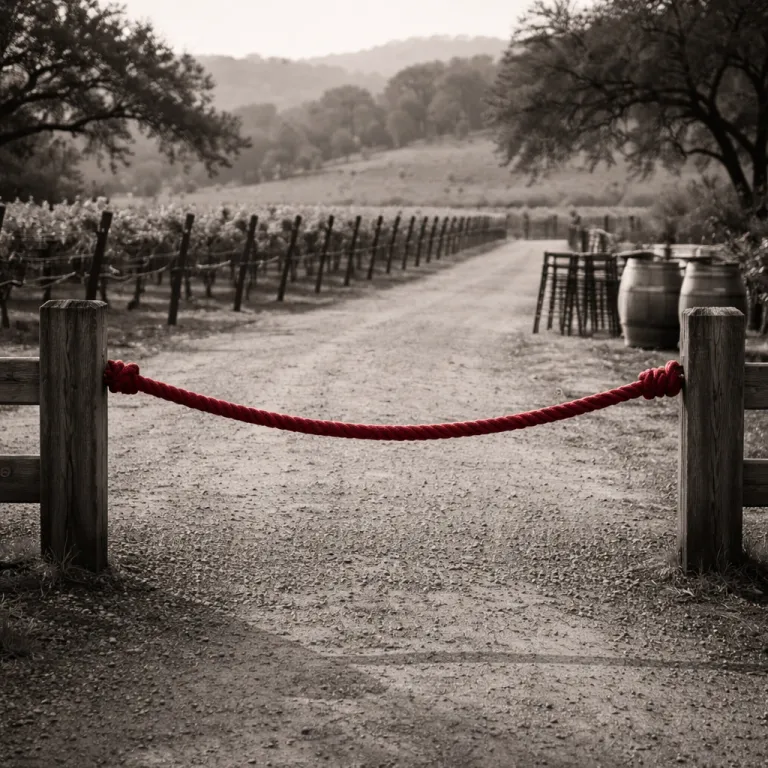
The double edge of success in wine regions
Wine tourism’s overtourism impact is no longer an abstract policy phrase. In many wine regions, the number of visitors has risen so sharply that the very atmosphere people seek is starting to fray. Overtourism refers to excessive tourist numbers leading to negative impacts on destinations.
In practice, overcrowding in vineyard areas means coaches idling beside stone villages, tasting rooms running on strict slots, and winemakers spending more time on crowd control than on explaining their wines. The tension is clear for anyone who loves wine, tourism and the quiet cadence of vineyard life, because the success of global tourism has turned some estates into high throughput attractions. What began as a gentle form of rural development has, in certain regions, drifted toward mass tourism with all the familiar tourism impacts.
Italy illustrates the pressure point with uncomfortable clarity. Demand for wine tourism in classic regions such as Chianti Classico, Barolo and Valpolicella has outpaced the capacity of wineries and rural areas to host visitors without eroding the experience. A 2023 report by the Osservatorio Nazionale del Turismo del Vino (Movimento Turismo del Vino and Nomisma Wine Monitor), titled “Osservatorio Nazionale del Turismo del Vino 2023” and available via movimentoturismovino.it, projected tens of millions of wine tourists in Italy within a few years, with spending expected to grow by roughly one third over a short period. The economic impact is undeniable, yet so are the risks of negative impacts on landscapes, water use and local residents.
Spain faces a similar crossroads, especially where mainstream tourism already runs hot. In Rioja and parts of Catalonia, wine tourism overlaps with beach and city breaks, amplifying the number of visitors in peak season and concentrating tourism development in a few valleys. The result is that pressure from visitor numbers in these wine regions is no longer just a theoretical concern for tourism authorities, but a daily operational challenge for wineries and their teams.
Local residents feel the strain most acutely. They see traffic on once quiet wine routes, rising property prices around vineyards, and a subtle shift in village life as shops pivot from serving neighbours to serving tourists. At the same time, many people depend on the wine industry and visitor spending for jobs, which makes any viable solution more complex than simply calling for fewer tourists.
Data from France underlines how quickly the curve has steepened. A national study by Atout France and Conseil Supérieur de l’Oenotourisme, “Étude de la clientèle œnotouristique 2016” (summary available at atout-france.fr), reported a double digit percentage increase in wine tourism visitors over a recent five year period, with revenues from visits to wineries and related activities reaching several hundred million euros. Those figures are celebrated by regional tourism boards, yet they also confirm why sustainable tourism is no longer a niche talking point, but a strategic necessity for every serious wine region.
Behind the numbers sit four key actors whose interests do not always align. Wine tourists arrive seeking a meaningful experience, winery owners must protect both their brand and their vines, local residents want cultural continuity, and tourism authorities are tasked with balancing economic growth against long term environmental and social impacts. When these groups fail to coordinate, overtourism impacts can escalate quickly, especially in fragile rural areas.
Innovation is starting to reshape how destinations respond. Some regions are experimenting with AI supported reservation systems to smooth the flow of visits to wineries, while others use dynamic pricing to nudge tourists toward off peak days. In Bordeaux, for example, the regional tourism committee has tested real time booking tools that redistribute visitors between châteaux and lesser known appellations. These tools do not remove the underlying pressure of global tourism, but they can help transform a blunt surge of visitors into a more manageable rhythm across the year.
How overcrowding changes the tasting room and the land
The most immediate consequence of overcrowding in wine country is felt in the tasting room. Where once a winemaker might pour three wines for six people around a battered wooden table, many wineries now host dozens of visitors per hour. The shift from intimate encounter to managed flow alters not only the atmosphere, but also the depth of cultural exchange that wine tourism can offer.
Overcrowding pushes wineries toward scripted experiences. Staff follow memorised lines about terroir and cellar techniques, while tourists shuffle through in groups that feel closer to mass tourism than to a rural craft visit. Wait times lengthen, noise levels rise, and the subtle details that make a wine region distinctive are flattened into generic talking points designed to keep the line moving.
There is also a physical cost to the land when the number of visitors climbs beyond what rural infrastructure can bear. Narrow roads buckle under constant coach traffic, vineyard paths erode, and informal parking spills into fields that once grew food and not just wine grapes. These negative impacts are rarely captured in glossy tourism articles, yet they shape the long term sustainability of wine regions.
Local communities feel the tourism impacts in their daily routines. School runs take longer because tourist coaches block village squares, traditional festivals are rescheduled to avoid peak holiday weekends, and the price of a simple glass of wine in a bar can creep upward to match international expectations. Over time, residents may begin to see tourists less as guests and more as a disruptive force, which corrodes the hospitality that underpins authentic wine tourism.
Environmental pressures are equally significant. High season in popular regions often coincides with the driest months of the year, when water use for both wineries and accommodation is already under scrutiny. When thousands of tourists arrive expecting lush lawns, frequent linen changes and chilled pools, the gap between sustainable tourism rhetoric and on the ground practice becomes painfully visible.
Some estates are responding by redesigning their experiences around sustainability. They limit visits to wineries each day, encourage guests to walk or cycle between nearby vineyards, and pair food and wine in ways that highlight local, low impact ingredients. In South Africa’s Stellenbosch and Franschhoek valleys, for instance, several farms now promote car free wine trams and bike routes as part of their offer. These changes can reduce the strain of visitor numbers while deepening the sense of place that discerning tourists seek.
The cellar visit itself is evolving. Appointment only tastings, once the preserve of top tier domaines, are now common in regions from Napa to Tuscany as a way to manage the number of visitors and protect staff well being. When handled thoughtfully, this model can restore a quieter rhythm and allow more time for questions about soil health, regenerative agriculture and other sustainable practices that matter to serious wine travellers.
For couples planning a romantic trip, this new landscape demands more intention. Booking fewer, longer visits, choosing producers who publish clear sustainability commitments, and seeking out in depth experiences such as this detailed guide to Volnay premiers crus and Meursault elegance at a refined journey through Côte de Beaune vineyards can all help. The reward is an experience that feels crafted rather than crowded, and that respects both the wine and the people who make it.
As one expert summary from the UN World Tourism Organization puts it with disarming clarity, “How does overtourism affect wine regions? It can strain local resources, disrupt communities, and harm the environment.” That line should sit above every tourism development plan in wine country, because it captures the stakes for both visitors and residents. Without a conscious shift, the very landscapes that draw tourists risk becoming stage sets rather than living, working rural areas.
For travelers who care about their footprint, this is not a reason to stay away from wine regions. It is an invitation to engage more thoughtfully with the pressures created by visitor numbers, to ask better questions at the tasting bar, and to support wineries whose practices align with a long term vision of sustainable tourism. The most memorable experiences often come from these conversations, not from the number of wines tasted in a single afternoon.
For a deeper dive into how sustainability is reshaping cellar doors and vineyard hospitality, the analysis at how sustainability became wine tourism’s new currency offers a useful framework. It shows how economic impact, visitor expectations and environmental limits intersect, and why the next era of wine tourism will be defined by how regions manage that triangle. Conscious tourists have more influence here than they might think.
Overflow destinations and the rise of sustainable wine routes
As classic regions strain under demand, a quiet reshaping of the wine tourism map is underway. Travelers who once defaulted to Napa, Bordeaux or Chianti are now looking toward places like Burgenland, the Uco Valley or Georgian wine country, where the pressure of visitor numbers is still limited. These regions are not immune to future pressure, but they currently offer a more balanced relationship between visitors, residents and the land.
In Austria’s Burgenland, for example, small family vineyards ring shallow lakes and low hills, with cycling paths linking cellar doors instead of convoys of buses. The number of visitors remains modest compared with global tourism hotspots, which allows winemakers to spend unhurried time explaining their wines, their soils and their approach to sustainable tourism. Here, food and wine pairings often take place in simple courtyards, with seasonal produce from nearby farms rather than imported luxuries.
The Uco Valley in Argentina has followed a different trajectory, with ambitious architecture and international investment, yet it still feels less saturated than more famous neighbours. Many wineries have built sustainability into their tourism development from the outset, using gravity flow cellars, water saving irrigation and native plantings to reduce negative impacts. For wine tourists, this means that the experience of walking through the vineyards is as compelling as what is poured in the glass.
Georgia offers another instructive case. Its wine culture stretches back thousands of years, yet international tourism has only recently begun to focus on its qvevri aged wines and dramatic rural areas. Here, the economic impact of each tourist can be significant for small villages, which makes careful planning essential to avoid the kind of overtourism effects that have troubled parts of Western Europe.
These emerging destinations are also rethinking what wine routes can be. Instead of a linear checklist of famous estates, routes are curated around themes such as organic farming, indigenous grape varieties or women led wineries, which encourages a slower pace and a deeper cultural connection. When tourists choose such routes, they help distribute tourism impacts more evenly across regions and seasons.
For couples seeking a romantic yet responsible escape, these overflow destinations can be a viable solution to crowded classics. They often offer better value than Napa or Bordeaux, with tasting fees and direct to consumer prices that reflect local economies rather than speculative land markets. At the same time, they invite visitors to engage with wine as part of a broader rural development story, not just as a luxury product.
Travelers should not assume, however, that less famous automatically means sustainable. The wine industry in these regions is still subject to the same global tourism forces, and a sudden spike in demand can quickly overwhelm fragile infrastructure. Asking how wineries manage water, energy and waste, and how they coordinate with neighbours on tourism development, remains essential.
One practical way to support better models is to seek out eco friendly vineyard visits that foreground sustainability. Guides such as the one on eco friendly vineyard visits and sustainable wine country experiences can help identify producers who are serious about their environmental commitments. Choosing these experiences sends a clear market signal that sustainable tourism is not a niche preference, but a core expectation of discerning wine tourists.
As more people look beyond the usual suspects, the definition of prime wine regions will continue to evolve. Regions that manage to welcome tourists without tipping into overtourism will gain a reputational edge, especially among international travelers who have grown weary of queues and scripted tastings. The pressures created by wine tourism will not disappear, but they can be redirected toward places that are planning for growth rather than reacting to it.
For now, the most rewarding itineraries often blend a single iconic region with one or two lesser known areas. This approach spreads the number of visitors more evenly, reduces pressure on hotspots, and gives travelers a richer sense of how diverse the global wine landscape has become. It is also a reminder that the best wine stories are rarely found where the crowds are thickest.
What the conscious wine traveler can do differently
Individual choices will not solve the challenges of overtourism alone, but they matter more than many tourists realise. Every decision about when to travel, which wineries to visit and how long to stay shapes the cumulative pressure on wine regions. Conscious travelers can either amplify mass tourism patterns or help nudge the system toward more sustainable tourism.
Timing is the most powerful lever. Visiting outside peak holiday periods and avoiding weekends in already busy regions reduces the number of visitors at any one time, which eases strain on roads, tasting rooms and local services. It also tends to produce better experiences, with more time for conversation and a clearer sense of the cultural rhythms of rural areas.
Choosing which wineries to support is equally significant. Instead of chasing only the most famous labels, consider allocating at least half your visits to small and medium sized producers whose economic impact from each tourist euro is often greater. These wineries are frequently more embedded in local communities, sourcing food and wine pairings from nearby farms and hiring staff from surrounding villages.
How many estates you visit in a day also shapes your footprint. Packing in five or six visits to wineries may look efficient on paper, but it encourages rushed tastings, more driving and less meaningful engagement with the wine industry and its people. Limiting yourself to two or three visits allows time to walk between nearby vineyards where possible, to ask questions about soil health and biodiversity, and to understand how each estate is responding to tourism impacts.
Transport choices are another quiet but powerful factor. Opting for trains where possible, renting smaller cars, or using e bikes on compact wine routes all reduce environmental pressure compared with private drivers shuttling between distant appointments. In some regions, local tourism authorities now map low impact routes that link villages, cellars and viewpoints in ways that minimise both emissions and congestion.
Travelers can also use their voices. When you book, ask how the estate manages the number of visitors, whether they cap group sizes, and how they handle waste and water during the busiest times of the year. These questions signal that tourists care about more than just the wines in their glass, and they encourage wineries to see sustainable tourism as a competitive advantage rather than a regulatory burden.
Supporting local businesses beyond the cellar door deepens the benefits of your visit. Staying in family run guesthouses, eating in village restaurants that highlight regional food and wine, and buying from artisans who are not directly tied to large scale tourism development all help spread income more evenly. This reduces the risk that a single sector, such as high end tasting rooms, captures most of the gains while the rest of the community bears the costs.
Finally, be honest about your own expectations. If you arrive in a famous appellation during harvest, hoping for empty roads and spontaneous tastings at iconic estates, you are setting yourself up for frustration and adding to the pressure on already stretched teams. Planning with the realities of global tourism in mind is not a compromise on romance; it is a way to ensure that the landscapes you love remain vibrant, lived in places rather than backdrops for a single perfect Instagram frame.
Responsible wine travel is not about self denial. It is about aligning your enjoyment of wine, tourism and landscape with the long term health of the regions that produce the bottles you cherish. When enough tourists make that shift, the cumulative impact of wine tourism begins to soften, and the cellar door once again feels like a threshold into a shared story rather than the end of a queue.
Key figures shaping the future of wine tourism
- In France, wine tourism visitors increased by around 20 percent over a recent five year period, while revenues from related activities reached more than 500 million euros, according to a national study by Atout France and the Conseil Supérieur de l’Oenotourisme (“Étude de la clientèle œnotouristique 2016”, summary at atout-france.fr); this illustrates both strong economic impact and rising pressure on wine regions.
- Global estimates from market analysts such as Allied Market Research (“Wine Tourism Market by Tour Type and Age Group: Global Opportunity Analysis and Industry Forecast, 2022–2032”, available via alliedmarketresearch.com) and Grand View Research (“Wine Tourism Market Size, Share & Trends Analysis Report”, accessible at grandviewresearch.com) value the wine tourism market at close to 50 billion US dollars, placing it firmly within the wider global tourism economy and highlighting why many regions court wine tourists as a pillar of rural development.
- Projections for Italy from the Osservatorio Nazionale del Turismo del Vino (“Osservatorio Nazionale del Turismo del Vino 2023”, published by Movimento Turismo del Vino and Nomisma Wine Monitor and summarised at movimentoturismovino.it) suggest tens of millions of wine tourists within a few years, representing growth of roughly one third over a short period and raising urgent questions about how to manage the number of visitors without triggering severe negative impacts.
- In several mature regions, land prices for prime vineyards have reached levels described as astronomical by international media such as the Financial Times and Decanter, which pushes new wineries toward more remote rural areas and can accelerate tourism development in previously quiet valleys.
- Tourism authorities in major wine producing countries report that wine tourism now accounts for a significant share of overnight stays in rural areas, confirming that visits to wineries are no longer a niche activity but a mainstream driver of tourism impacts.
- Industry observers note that the integration of AI into tourism management systems is growing, with pilot projects using real time data to spread visitors more evenly across the year and across different parts of wine regions, which could become a viable solution to some aspects of overtourism.