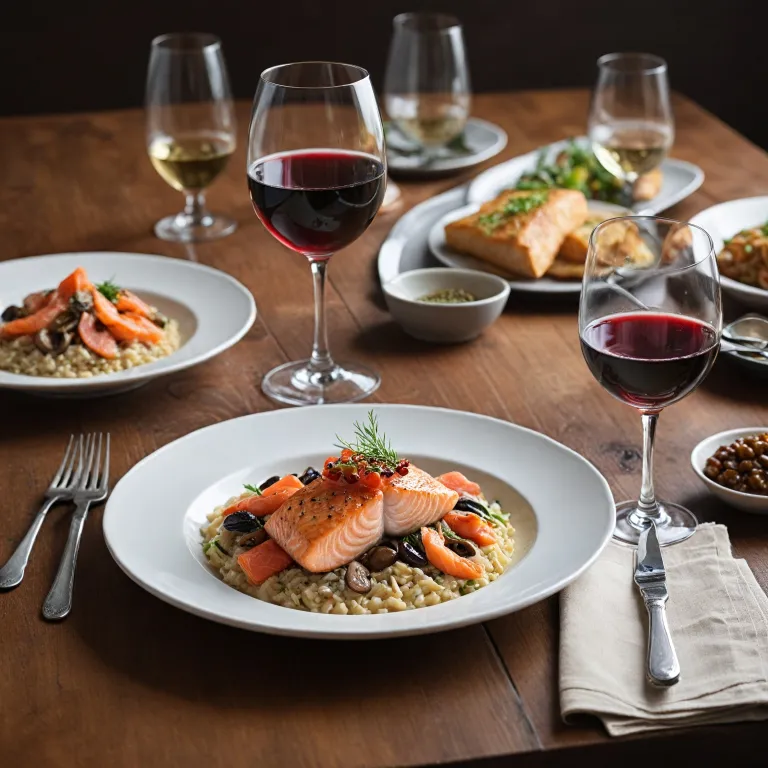
Why pinot noir is a graceful partner for food
Pinot noir is a light bodied red wine that behaves with remarkable versatility at the table. Its translucent color hides layers of red fruit, earthy nuances, and gentle wine acidity that make it a natural for refined food pairing in many regions. For travelers who plan vineyard journeys around wine, understanding pinot noir wine pairing food is as essential as choosing flights or rail connections.
This red wine sits between delicate white wines and more powerful red wines, so it can move from poultry to richer fish dishes with ease. Its flavors often show cherry, raspberry, and other red fruit notes, wrapped in subtle spice and forest floor tones that echo earthy ingredients. Because the wine is rarely dominated by heavy oak, the flavors of carefully prepared dishes remain at center stage, which is ideal for gastronomic travel.
When you taste different wines side by side, you notice how pinot responds to food in a more nuanced way than many other red wines. Its moderate alcohol and refreshing acidity make it comfortable with creamy cheese, roasted vegetables, and even some white meat dishes. This balance also means that both a single beautifully pinot glass and several wines in a flight can accompany a long tasting menu without overwhelming your palate.
In any serious pairing guide, experts stress that texture matters as much as flavor. Pinot noir’s silky tannins and lifted fruit notes complement dishes with similar finesse rather than brute richness. That is why wine travelers often choose pinot noir as their reference red when comparing food wine experiences across continents and culinary traditions.
Core principles of pinot noir wine pairing on the road
Successful pinot noir wine pairing food decisions begin with understanding balance. The wine’s acidity, red fruit character, and earthy undertones should either mirror or gently contrast the flavors on the plate. When you travel, this simple guide helps you navigate unfamiliar menus in wine bars, vineyard restaurants, and countryside inns.
First, consider wine acidity, which refreshes your palate between bites of rich food. Pinot noir’s acidity cuts through fat in duck, pork, and salmon dishes, while its fruit notes echo glazes made with berries or red wine reductions. This is why poultry such as chicken and turkey, as well as duck and pork, pair well with Pinot Noir due to its light body and fruity flavors.
Second, think about earthy components in both wine and food. Mushrooms, truffles, lentils, and roasted root vegetables resonate with the earthy side of pinot, creating pairings that feel seamless and quietly luxurious. Yes, dishes featuring mushrooms, roasted vegetables, and earthy flavors complement Pinot Noir's profile, and this holds true whether you are in a rustic countryside inn or a Michelin starred dining room.
Third, respect intensity, because even elegant red wines can be overshadowed. Highly spicy dishes or bitter greens can dominate the delicate flavors of pinot noir wine, so they are best enjoyed with other wines or perhaps a chilled white wine or sauvignon blanc. For more context on how regional cuisines interact with wine, many travelers consult an immersive journey through wine tasting in Spain before planning their own itineraries.
From california to New Zealand: regional styles and food matches
When planning wine focused travel, it helps to understand how regional styles of pinot noir shape food pairing. In california, pinot noir from cooler coastal areas such as the russian river valley often shows generous red fruit, soft tannins, and polished textures. These california wines flatter dishes like grilled salmon, herb roasted chicken, and pork tenderloin with cherry compote, where the wine’s fruit notes and acidity frame the flavors.
Further south or in warmer pockets of california, some pinot noir wines become riper and slightly fuller. These red wines can handle richer food, including duck breast with plum sauce or slow cooked beef cheeks that are not overly heavy. In both cases, the key is to let the wine’s red fruit and earthy hints complement sauces rather than compete with intense spice.
Across the Pacific, New Zealand pinot noir often emphasizes bright fruit, purity, and vivid wine acidity. In zealand regions such as Central Otago or Marlborough, pinot wines pair beautifully with lamb, venison, and local game, especially when chefs highlight herbs and subtle smoke instead of aggressive chili heat. These pairings show how beautifully pinot can bridge the gap between red wine and white wine choices on a tasting menu.
Travelers who enjoy structured planning may consult a regional pairing guide before visiting vineyards. Resources such as an elegant journey through wine regions in Spain can inspire similar approaches in california and zealand. By comparing regional pinot noir food pairing traditions, you refine your own wine food instincts and gain confidence when exploring new vineyards.
Cheese, vegetarian dishes, and the subtle art of noir food
Many wine travelers underestimate how rewarding pinot noir wine pairing food can be with cheese and vegetarian dishes. Because pinot noir wine has gentle tannins and lively acidity, it flatters a wide range of textures without overwhelming delicate flavors. Yes, soft cheeses like Brie and Camembert, as well as nutty cheeses like Gruyere, pair well with Pinot Noir, and these combinations are often highlights of tasting room platters.
When you visit a vineyard that focuses on pinot, ask for a cheese flight that moves from soft and creamy to firm and nutty. The red fruit and earthy notes in the wine will interact differently with each cheese, teaching you how subtle changes in wine acidity and salt content affect pairings. Over time, you begin to sense which wines are best for washed rind cheese and which suit alpine styles.
Vegetarian travelers also benefit from a thoughtful pairing guide centered on noir wine. Mushroom risotto, roasted beet salads, and grilled aubergine with herbs all echo the earthy and fruity dimensions of pinot noir wines. These dishes show how noir food can be both comforting and refined, especially when chefs use stock reductions or light red wine sauces instead of heavy cream.
Even simple plates such as chargrilled vegetables, lentil terrines, or wild rice with nuts can become award winning pairings in the right setting. The key is to align the weight of the dish with the body of the red wine, while allowing fruit notes to lift herbal or smoky accents. For travelers who prefer white wines, similar principles apply, but pinot noir often provides a more complex bridge between cheese, vegetables, and regional cuisines.
Coastal seafood, salmon, and the elegance of lighter red wines
One of the most surprising pleasures in pinot noir wine pairing food is its affinity with seafood. Rich fish like salmon and halibut complement Pinot Noir's acidity and fruitiness, especially when prepared with grilled, roasted, or lightly smoked techniques. This makes pinot noir an ideal companion for coastal vineyard travel, where the day’s catch often appears on menus near the vines.
In cooler maritime regions, chefs frequently serve salmon with beetroot, citrus, or herb crusts that echo the wine’s red fruit and earthy tones. A carefully chosen pinot noir wine can handle the oiliness of the fish while its wine acidity refreshes the palate between bites. When sauces remain subtle, the pairing feels seamless, and both wine and food retain their character.
Shellfish can also work, provided the preparation respects the delicacy of the ingredients. Seared scallops with a light red wine reduction or roasted prawns with garlic and herbs can match certain lighter pinot wines, especially those with pronounced fruit notes and minimal oak. In these cases, the wine behaves almost like a structured white wine, bridging the gap between traditional red and white pairings.
Travelers who enjoy comparative tasting might order both a sauvignon blanc and a pinot noir with the same seafood dish. This approach highlights how white wine and red wine express different aspects of the same food, from salinity to sweetness. For broader context on coastal vineyards and regional seafood traditions, an article on wine journeys in coastal and southeastern vineyards can complement your planning and deepen your appreciation of maritime cuisines.
Designing a pinot focused food and wine itinerary
For travelers who plan entire trips around pinot noir wine pairing food, structure brings clarity and pleasure. Begin by selecting two or three key vineyard regions, such as california’s russian river, a zealand pinot hub, and perhaps a European destination with a strong pinot tradition. In each place, identify wineries known for award winning pinot noir wines and restaurants that emphasize seasonal, locally sourced dishes.
Next, design themed meals that highlight different aspects of pinot noir wine. One lunch might focus on poultry and pork dishes that showcase red fruit and gentle spice, while another dinner emphasizes earthy vegetarian plates and cheese pairings. By alternating red wine and white wine flights, including a few white wines and perhaps a sauvignon blanc, you gain a broader sense of how wine acidity shapes food experiences.
Include at least one structured tasting where a sommelier or wine educator leads a pairing guide session. They can explain why some wines are best with creamy cheese, while others shine with grilled meats or mushroom based noir food. This kind of expert led food wine workshop deepens your understanding of flavors, textures, and regional styles.
Finally, keep detailed notes on each wine pairing, including the specific dishes, sauces, and cooking methods. Over time, you will recognize patterns in how beautifully pinot interacts with certain ingredients and how different red wines respond to spice or sweetness. These observations become a personal reference library, helping you choose the best wine food combinations wherever your vineyard travels take you.
Practical tips for reliable pinot noir pairings while traveling
Even seasoned wine travelers sometimes face unfamiliar menus or limited wine lists, so practical rules help. When in doubt, choose pinot noir for dishes that sit between classic red and white categories, such as salmon, roast chicken, or mushroom pasta. This strategy leverages the wine’s balanced acidity, red fruit, and earthy character to create harmonious pairings in many settings.
Pay attention to sauces and seasonings, because they often matter more than the main ingredient. Tomato based sauces, herb infusions, and gentle spice usually flatter pinot noir wines, while heavy chili heat or intense bitterness can clash with delicate flavors. Are there any foods to avoid pairing with Pinot Noir? Highly spicy foods and bitter greens may overpower Pinot Noir's delicate flavors.
When choosing between several red wines, look for tasting notes that mention red fruit, moderate tannins, and fresh wine acidity. These cues suggest a style of wine red that behaves similarly to pinot, even if the grape variety differs. Conversely, if you prefer white wines, select a structured white wine such as certain sauvignon blanc or oak aged white wines that can stand beside richer dishes.
Finally, remember that personal preference remains central to any pairing guide, even for award winning restaurants. If you love a particular noir wine with a favorite cheese or regional specialty, that enjoyment matters more than strict rules. By combining expert advice with your own experiences, you create a flexible, trustworthy approach to pinot noir wine pairing food that enhances every vineyard journey.
Key statistics on pinot noir and food pairing
- Pinot noir is widely recognized by wine professionals as one of the most versatile red wines for pairing with poultry, pork, and rich fish such as salmon and halibut.
- In many cool climate regions, a significant share of vineyard plantings is dedicated to pinot noir, reflecting strong demand for food friendly red wines in gastronomy focused tourism.
- Wine education programs consistently highlight pinot noir in food pairing modules, emphasizing its balance of red fruit, earthy complexity, and refreshing wine acidity.
Frequently asked questions about pinot noir wine pairing food
What meats pair well with Pinot Noir?
Poultry such as chicken and turkey, as well as duck and pork, pair well with Pinot Noir due to its light body and fruity flavors.
Can Pinot Noir be paired with vegetarian dishes?
Yes, dishes featuring mushrooms, roasted vegetables, and earthy flavors complement Pinot Noir's profile.
Is Pinot Noir suitable for pairing with cheese?
Yes, soft cheeses like Brie and Camembert, as well as nutty cheeses like Gruyere, pair well with Pinot Noir.