Why cabernet sauvignon food pairing matters for wine focused travel
Cabernet sauvignon food pairing shapes how you remember a vineyard journey. When you taste cabernet in the very valley where the red wines grow, the right food pairing turns a simple sip into a sense of place. For travelers who plan trips around wine, understanding how cabernet sauvignon interacts with food is as essential as choosing the best region.
Cabernet sauvignon is a full bodied red wine with firm tannins and pronounced fruit. Those tannins soften when they meet protein and fat in food, so rich dishes bring out the wine’s best qualities and highlight its layered flavors. This is why many wine estates in Bordeaux or Napa Valley design wine food menus that focus on grilled meats, roasted vegetables, and aged cheeses.
On the road, you will encounter cabernet based wines that range from structured and oak driven to more fruit forward. In classic Bordeaux, cabernet sauvignon often leads blends that show dark fruit, cedar, and savory notes, which pairs well with traditional steak lamb dishes. In Napa Valley, many award winning wines top the lists in tasting rooms, offering bold flavors and generous oak that call for equally bold food pairings.
Thoughtful wine pairing transforms a cellar visit into a complete sensory experience. When a sommelier explains why a particular red wine pairs well with lamb or mushroom dishes, you gain tools you can use in any restaurant. A well cabernet match on your travels becomes a reference point for future meals at home.
Understanding tannins, oak, and bold flavors at the source
To appreciate cabernet sauvignon food pairing while traveling, start with structure. Tannins in cabernet based red wines create a drying sensation, which can feel harsh without the right food. When you taste cabernet sauvignon beside a plate of grilled beef or roasted lamb, those tannins bind with proteins and feel smoother, so the fruit and subtle flavors emerge.
Many estates age their wines in oak, which adds notes of vanilla, spice, and toast. During a visit to Bordeaux or Napa Valley, guides often explain how different barrels influence red wine style and how oak interacts with food. A dish with smoky grilled elements or a rich sauce usually pairs well with these oak tones, while lighter recipes can feel overwhelmed by such bold flavors.
Travelers sometimes compare cabernet sauvignon with pinot noir during tasting flights. Pinot noir typically offers softer tannins and brighter red fruit, so it suits more delicate food pairings, while cabernet sauvignon thrives with robust food. Understanding this contrast helps you choose the best wine for each course when dining at vineyard restaurants that showcase both red wines side by side.
As you move between regions, note how climate shapes flavors in the glass. Cooler valley sites may yield more herbal, structured wines, while warmer slopes produce riper fruit and fuller body that demand equally intense food. This awareness turns every wine blog recommendation or winery menu into a learning tool for your next journey.
Classic meats that pair well with cabernet on the road
When planning cabernet sauvignon food pairing during a vineyard trip, start with meat. “Rich, fatty meats like ribeye steak and roasted lamb are ideal pairings.” In many wine regions, from Bordeaux to Napa Valley, winery restaurants build menus around steak lamb combinations that show how well cabernet supports hearty dishes.
Beef remains a benchmark for cabernet based wines, especially cuts with good marbling. A grilled ribeye or sirloin offers enough fat to soften tannins in a powerful red wine, allowing dark fruit and oak notes to shine. When you taste such a pairing at an estate overlooking the valley, you understand why travelers often call it the best way to experience local wines.
Lamb is another essential partner for cabernet sauvignon, particularly when roasted with herbs. The savory richness of roasted lamb or slow cooked shoulder pairs well with the wine’s structure and bold flavors, creating a balanced mouthfeel. Many award winning winery restaurants feature lamb recipes that highlight regional ingredients while respecting classic food pairings.
As you explore different cellars, ask how their red wines interact with specific dishes. Some producers suggest dry red blends for grilled meats, while others recommend a single vineyard cabernet for a signature steak lamb plate. These expert best insights help you refine your own wine pairing instincts and choose confidently from menus across wine regions.
Vegetarian, mushroom, and cheese pairings for cabernet focused travelers
Cabernet sauvignon food pairing is not limited to meat, which matters for many modern travelers. “Yes, hearty dishes like mushroom ragù and eggplant Parmesan complement the wine well.” In wine regions that emphasize seasonal cuisine, chefs increasingly design vegetarian recipes that match the depth of cabernet based red wines.
Mushroom dishes are particularly effective, because their earthy flavors echo the complexity of cabernet sauvignon. A mushroom ragù served over polenta or pasta pairs well with structured red wines, especially those with subtle oak and dark fruit. When enjoyed in a valley restaurant surrounded by vineyards, such a wine pairing feels both refined and comforting.
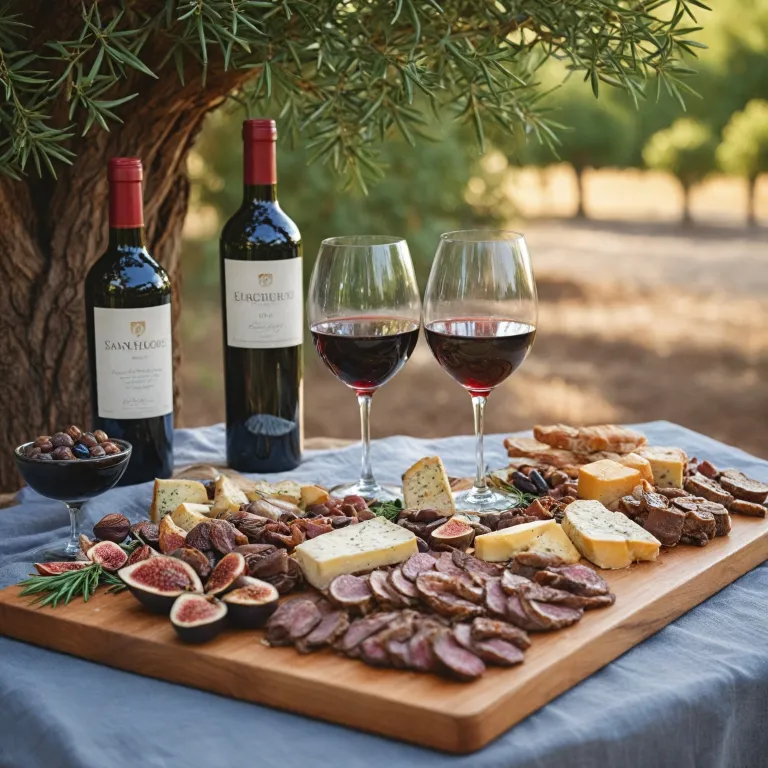
Aged cheeses also play a central role in wine food experiences on the road. “Aged cheeses such as cheddar, Gouda, and Comté balance the wine's boldness.” Many tasting rooms offer cheese boards that allow you to compare how different red wines, from cabernet sauvignon to pinot noir, respond to various textures and salt levels.
For travelers who enjoy white wines as well, a glass of sauvignon blanc can frame the contrast. You might start with sauvignon blanc and lighter cheeses, then move to cabernet sauvignon with aged options to see how food pairings evolve. Reading a detailed wine blog before your trip can help you identify estates that excel at these curated tasting experiences.
Regional styles, travel itineraries, and thoughtful food pairings
Designing a trip around cabernet sauvignon food pairing means understanding regional nuance. In Bordeaux, cabernet based blends often include merlot and other grapes, creating red wines with firm tannins and layered flavors. Local bistros serve grilled meats, roasted game, and classic sauces that pairs well with these structured wines.
In Napa Valley, many estates focus on single varietal cabernet sauvignon with generous fruit and oak. Winery restaurants respond with bold flavors on the plate, from charred steak lamb dishes to slow roasted vegetables with rich reductions. These food pairings show how a well cabernet expression can handle intensity without losing balance.
Other valleys around the world offer their own interpretations of cabernet sauvignon, each with distinct wine food traditions. Some regions highlight lamb and roasted root vegetables, while others emphasize grilled seafood alongside lighter red wines and sauvignon blanc. Comparing these approaches deepens your understanding of wine pairing and helps you plan itineraries that align with your palate.
During your research, you may also explore how sparkling wines fit into a broader journey. Resources such as how Champagne differs from other sparkling wines for curious travelers can complement your focus on cabernet. By weaving together red wine, white wine, and sparkling experiences, you create a layered travel narrative centered on thoughtful food pairing.
Practical tips for ordering cabernet and food in vineyard restaurants
Once you arrive in a wine region, practical choices bring cabernet sauvignon food pairing to life. Start by asking which cabernet based wines top the local list and how they are usually served with food. Sommeliers and chefs work as a single équipe, using their expertise to suggest the best combinations for your preferences.
When reading menus, look for dishes that mention grilled, roasted, or slow cooked preparations. These techniques often create bold flavors that pairs well with structured red wine, especially cabernet sauvignon aged in oak. If you prefer lighter options, consider mushroom dishes, aged cheeses, or hearty vegetarian recipe choices that still offer enough richness for balanced food pairings.
Comparing red wines by the glass can be particularly instructive. Order a cabernet sauvignon alongside a pinot noir and note how each red responds to the same plate of steak lamb or roasted vegetables. This side by side wine pairing exercise sharpens your palate and helps you understand why some dry red styles feel more versatile than others.
Do not overlook white wines such as sauvignon blanc during these meals. A progression from sauvignon blanc with starters to cabernet sauvignon with mains shows how different wines support each stage of a menu. Over time, these experiences turn you into your own expert best guide for future vineyard journeys.
Planning a cabernet centered itinerary with lasting food memories
Thoughtful planning ensures that cabernet sauvignon food pairing becomes the thread that connects your travels. Begin by selecting regions where cabernet based red wines play a central role, such as Bordeaux or Napa Valley. Then research winery restaurants, local bistros, and wine bars that emphasize wine food experiences built around grilled meats, roasted vegetables, and aged cheeses.
As you map your days, alternate structured tastings with relaxed meals. A morning visit focused on tannins, oak, and cellar techniques can lead into a lunch where those same wines pairs well with regional specialties. In the evening, choose a venue known for award winning lists, where wines top the recommendations for steak lamb or lamb and mushroom recipe dishes.
Keep notes as you go, whether in a travel journal or a personal wine blog. Record which red wines felt most balanced with certain foods, how pinot noir compared with cabernet sauvignon, and when sauvignon blanc offered a refreshing contrast. These observations help you refine future food pairings and share practical advice with fellow travelers.
Above all, pay attention to how each well cabernet moment makes you feel at the table. The interplay of bold flavors, local ingredients, and carefully chosen red wine creates memories that last far beyond the trip. With each journey, your understanding of wine pairing deepens, turning every valley visit into an education in taste.
Key statistics on cabernet sauvignon and food pairing travel
- In many leading wine regions, cabernet sauvignon accounts for a significant share of red wine vineyard plantings, often exceeding one fifth of total red varieties.
- Visitor surveys from major valleys indicate that more than half of wine travelers now prioritize food pairings and on site dining when choosing estates to visit.
- Wine tourism boards report that itineraries featuring structured wine pairing menus can increase average visitor spending on food and wine by around one third.
- Participation in guided wine and food pairing workshops has grown steadily across key regions, reflecting rising interest in practical pairing knowledge among travelers.
Essential questions about cabernet sauvignon food pairing
What meats pair best with cabernet sauvignon?
Rich, fatty meats like ribeye steak and roasted lamb are ideal pairings. These cuts provide enough fat and protein to soften tannins in cabernet based red wines, revealing layered fruit and oak notes. When traveling, look for grilled or roasted preparations in vineyard restaurants to experience this harmony at its best.
Can vegetarians enjoy cabernet sauvignon pairings?
Yes, hearty dishes like mushroom ragù and eggplant Parmesan complement the wine well. The umami depth of mushrooms and slow cooked vegetables mirrors the structure and bold flavors of cabernet sauvignon. Many winery kitchens now offer vegetarian recipe options designed specifically for satisfying red wine food pairings.
Are there any cheeses that pair well with cabernet sauvignon?
Aged cheeses such as cheddar, Gouda, and Comté balance the wine's boldness. Their firm texture and concentrated flavors stand up to tannins and oak in cabernet based wines, especially when served at the end of a meal. During vineyard visits, choose cheese boards that allow you to compare how different red wines respond to each style.