Why wine bottle weight matters for vineyard travel
When you plan a vineyard journey, the weight of each wine bottle quietly shapes your itinerary. The simple question of how much does a bottle of wine weigh quickly becomes practical when you start buying wines at estates and carrying them between regions. Understanding how much a standard bottle will weigh in your luggage or in a shipped case helps you balance indulgence, safety, and budget.
Wine producers and logistics companies work together because bottle weight directly affects shipping costs and storage strategies. Their shared objective is clear: they must protect quality wine during transport while keeping the total weight manageable for both travellers and professional buyers. For anyone touring cellars, this same balance between heavy glass and lighter packaging determines how many bottles wine lovers can reasonably bring home.
From the moment you lift a glass in a tasting room, you are also handling a carefully engineered object. The wine bottle in your hand reflects decisions about glass thickness, bottle sizes, and the style of wines inside. Those choices influence how much the bottle weighs, how it feels when you carry a case of wine to your car, and how safely it will rest later in your wine rack or in dedicated wine fridges at home.
The real numbers behind a standard wine bottle
For travellers, the most useful benchmark is the standard bottle of still wine holding 750 millilitres. Industry data show that a full standard bottle typically weighs between 1.2 and 1.5 kg (about 2.6–3.3 lb), which means the glass and the liquid together create a surprisingly heavy object in your suitcase. Technical guidance used by many logistics teams and equipment suppliers gives an average full bottle weight of about 1.25 kg (around 2.75 lb), while the empty bottle weighs close to 0.5 kg (roughly 1.1 lb) according to bottle manufacturers and refrigeration specialists.
These figures explain why a single bottle purchase feels light in your hand, yet six or twelve wine bottles quickly become a heavy case. When you ask how much does a bottle of wine weigh, you are really asking how much the glass weighs compared with the wine inside. The answer is that the bottle weight of the glass alone often represents more than one third of the total weight, especially in traditional regions that favour thicker glass.
Experts summarise this relationship very clearly in technical guidance from organisations such as the International Organisation of Vine and Wine and major glassmakers. “How much does a standard wine bottle weigh? Approximately 1.2 to 1.5 kg when full.” This range applies to a standard bottle of still wine, not to sparkling wine, which usually weighs more because the glass must be heavier to withstand pressure. When you compare different wines at an estate shop, you will notice that some bottles producers use feel much heavier, even when the volume is the same.
To make these averages easier to visualise, travellers can use a simple reference table of typical figures drawn from logistics and equipment datasheets:
| Type of bottle | Volume | Typical empty weight | Typical full weight |
|---|---|---|---|
| Standard still wine bottle | 750 ml | 0.4–0.6 kg (0.9–1.3 lb) | 1.2–1.5 kg (2.6–3.3 lb) |
| Lightweight still wine bottle | 750 ml | 0.35–0.4 kg (0.8–0.9 lb) | 1.1–1.3 kg (2.4–2.9 lb) |
| Sparkling wine bottle | 750 ml | 0.7–1.0 kg (1.5–2.2 lb) | 1.6–2.0 kg (3.5–4.4 lb) |
How style, glass, and packaging change what a bottle weighs
Not every wine bottle follows the same pattern, and travellers feel this difference as soon as they lift a mixed case. Sparkling wine, for example, requires thicker glass to contain the internal pressure, so a single standard bottle of Champagne or Cava often weighs noticeably more than a still bottle of similar volume. When you ask how much does a bottle of wine weigh in this context, the answer is that sparkling styles can add several hundred grams to the total weight.
Premium red wines from regions such as Napa Valley or Ribera del Duero often use heavier glass to signal quality and presence on the table. This heavier bottle design increases the bottle weight significantly, so a case of such labels will weigh more and raise shipping costs for both wineries and visitors. By contrast, estates focused on sustainability now choose lighter glass and eco friendly packaging, which reduces how much the bottle weighs without compromising the quality of the wines inside.
Even within one cellar, you may see different bottle sizes and shapes that change the total weight you must carry. A tall, slender Riesling bottle can weigh less than a broad shouldered bottle used for structured reds, even when both wines share the same standard volume. When you plan to fill wine racks or compact wine fridges at home, these variations in bottle weight and shape influence how many bottles you can store safely on each shelf.
From suitcase to shipping case: managing total weight on the road
Once you start buying wines during a vineyard trip, the question of how much does a bottle of wine weigh turns into a luggage calculation. A typical airline suitcase allowance of 23 kg (about 50 lb) means that even eight or nine standard bottles can push you close to the limit when combined with clothes and shoes. Because each full wine bottle weighs around 1.25 kg on average, a mixed case of twelve bottles will often reach 15 to 18 kg (roughly 33–40 lb) before you add any extra packaging.
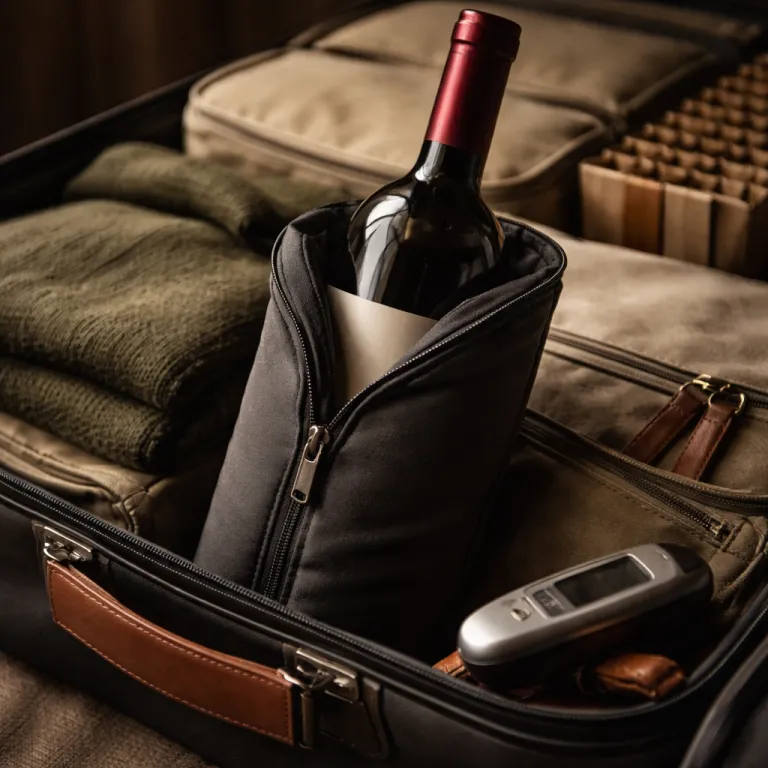
Travellers who plan carefully often use padded sleeves or specialised packaging to protect glass during flights. This protective material secures bottles very well, yet it also adds to the total weight and can make your bag feel unexpectedly heavy at check in. When you calculate how much the luggage will weigh, remember that sparkling wine bottles and heavier glass formats can push a case beyond what you are comfortable lifting.
Many estates now collaborate with logistics companies to offer direct shipping from the winery to your home. In that scenario, shipping costs are calculated on both distance and total weight, so the weight of each wine bottle directly affects the final bill. If you plan to ship several cases from different regions, it is wise to ask how much the shipment weighs in kg and lb and whether lighter packaging options are available to reduce the cost.
Planning cellar space: wine racks, wine fridges, and structural limits
Back home, the same question of how much does a bottle of wine weigh becomes essential for storage planning. A single wooden wine rack may look delicate, yet when filled with dozens of wine bottles it must support a surprisingly heavy load. Because each standard bottle weighs more than a kilogram, even a modest rack holding forty bottles can carry well over 50 kg (about 110 lb) once you include the structure itself.
Metal wine racks and built in wine fridges are usually engineered with this total weight in mind, but older furniture or improvised shelving may not be. When you calculate how much the collection will weigh, multiply the average bottle weight by the number of bottles and then add a margin for heavier glass or sparkling wine. This simple method helps you decide whether a floor can safely support a large stack of cases or whether you should distribute bottles across several smaller racks.
Travellers who fall in love with Pinot Noir or Pinot Meunier along Champagne routes often return with mixed cases that include both still and sparkling wines. If you are planning such a journey, guides to refined vineyard and Champagne travel, such as those focused on elegant Pinot itineraries, can help you anticipate how many bottles you will realistically store. Thinking about bottle weight, bottle sizes, and the capacity of your chosen wine fridges in advance ensures that every bottle you bring back from the road has a secure, temperature controlled place to rest.
Sustainability, innovation, and the future of bottle weight
Behind the scenes of your vineyard visits, wine producers and their partners are rethinking how much a wine bottle should weigh. The context is clear: understanding wine bottle weight aids logistics, reduces environmental impact, and gives consumers transparent information about what they are carrying. Many estates now work with specialised glassmakers to design lighter standard wine bottles that still protect quality during long distance shipping.
Technical teams use precise methods such as weighing bottles and calculating based on volume and material to refine each new design. Scales and other measurement instruments allow them to compare how much each prototype weighs and how the bottle weight influences breakage rates in a case during transport. The expected impact is improved logistics, lower shipping costs, and more informed travellers who can judge whether a particularly heavy bottle reflects genuine ageing needs or simply a stylistic choice.
Innovation also extends to alternative packaging that reduces total weight without sacrificing the pleasure of pouring wines at the table. Some producers now offer lighter glass for everyday wines, reserving heavier formats only for long ageing cuvées that truly benefit from thicker glass. As you plan future vineyard trips, paying attention to how much a bottle weighs, how heavy a case feels, and how wineries communicate about bottle weight will help you support estates that align with your values on sustainability and travel practicality.
Key figures on wine bottle weight for travellers
- A full standard bottle of still wine typically weighs between 1.2 and 1.5 kg (2.6–3.3 lb), which means that eight bottles in a suitcase can easily add more than 10 kg (over 22 lb) to your luggage allowance.
- Average measurements used by logistics teams indicate that a full bottle weighs around 1.25 kg (about 2.75 lb), while the empty glass bottle alone weighs about 0.5 kg (roughly 1.1 lb), so glass represents a large share of the total weight.
- A twelve bottle case of mixed still wines usually reaches 15 to 18 kg (approximately 33–40 lb) once you include protective packaging, which is close to or above many airline checked baggage limits for a single piece.
- A compact home wine rack holding forty standard bottles must safely support more than 50 kg (around 110 lb) when fully loaded, so travellers expanding their collections should check both rack design and floor strength.
- Switching from traditional heavy glass to lightweight bottles can reduce the weight of each wine bottle by several hundred grams, which significantly lowers shipping costs when multiplied across large shipments.
FAQ : practical questions about wine bottle weight on the road
How much does a standard wine bottle weigh when full ?
A standard 750 millilitre bottle of still wine generally weighs between 1.2 and 1.5 kg (2.6–3.3 lb) when full, with many producers and logistics companies working with an operational average of about 1.25 kg (around 2.75 lb) per bottle.
What contributes most to the weight of a wine bottle ?
The two main contributors to total weight are the glass bottle and the wine inside, and in many modern designs the glass alone accounts for roughly one third or more of the full bottle weight.
Why is wine bottle weight important for vineyard travellers ?
Weight matters because it affects how many bottles you can safely pack in luggage, how heavy a shipped case will be, and how much you will pay in shipping costs or airline excess baggage fees.
Are sparkling wine bottles heavier than still wine bottles ?
Yes, sparkling wine bottles are usually heavier because they require thicker glass to withstand internal pressure, so a case of sparkling wines will weigh more than a similar case of still wines.
How can I estimate the total weight of a case of wine ?
To estimate total weight, multiply the average bottle weight of about 1.25 kg (roughly 2.75 lb) by the number of bottles, then add extra for heavier glass, sparkling styles, and protective packaging to reach a realistic figure.
References
- Elite Wine Refrigeration – technical guidance on average empty and full bottle weights, including standard 750 ml still and sparkling formats.
- International Organisation of Vine and Wine (OIV) – standards on bottle sizes, nominal volumes, and recommended packaging practices for international trade.
- European logistics and freight guidelines for alcoholic beverage transport and weight based tariffs, used by carriers to calculate shipping brackets and surcharges.