Why wine tourism’s environmental footprint is finally under the microscope
Wine tourism looks gentle from the tasting bar, yet its environmental footprint runs deep. As World Tourism Day focuses attention on responsible travel, the wine industry is being pushed to confront the real environmental impact of every vineyard weekend. Around two thirds of wineries now say sustainability is important within their tourism strategies, but the data they share with wine tourists rarely tells the full story.
Behind each glass of wine poured for visitors sits a chain of tourism businesses, transport choices and resource use that shapes both local landscapes and global carbon emissions. The phrase wine tourism environmental footprint sustainability is no longer a niche concern ; it is becoming a central test of credibility for any serious wine tourism operation. When 64 percent of consumers rank environmental sustainability among their top three purchasing considerations, vague promises about sustainable tourism are no longer enough.
Regulators have noticed that the tourism industry often leans on soft language about sustainable wine and eco friendly stays without hard numbers on carbon or water. Over half of environmental claims assessed in the European Union were judged vague, which directly undermines trust in sustainability wine messaging. The coming EU ECGT directive will make unsubstantiated sustainability claims illegal across Europe, and that shift will allow wine tourists to compare wineries on measurable impacts rather than marketing gloss.
Water, waste and land: the quiet pressures behind your tasting flight
The most visible part of wine tourism is the tasting room, yet the heaviest environmental impact often lies in water, waste and land use. Vineyard irrigation, cellar cleaning and guest facilities together drive significant water consumption, especially in dry regions where climate change is tightening supplies. When you visit winery estates in late summer, the contrast between lush vines and parched hillsides can reveal how tourism rarely sees the full water footprint wine requires.
Responsible wineries now track data on every litre used from vineyard to guest bathroom, because better monitoring is the first step to reduce environmental pressure. Some properties have installed sub metering across the estate so that each tourism activity, from spa to restaurant, carries its own measurable footprint. Others are redesigning landscaping with native plants to cut water use, aligning wine tourism environmental footprint sustainability goals with a more authentic sense of place.
Waste tells a similar story, from single use plastic in picnics to heavy glass bottles that inflate the carbon footprint of wines sold on site. If you care about sustainable tourism, ask how a property handles recycling, composting and lighter packaging for sustainable wine options. For a deeper look at eco friendly vineyard visits and how businesses are rethinking guest experiences, see this guide to sustainable wine country experiences, which explores practical ways to cut both waste and emissions without losing any romance.
Carbon, transport and the hidden costs of getting to the vines
Most wine tourists focus on the cellar door, yet transport often dominates the carbon footprint of a vineyard weekend. Long haul flights, rental cars and private transfers together create carbon emissions that can dwarf the environmental impact of the winery itself. For couples planning a romantic escape, the most sustainable choice may be to visit winery regions closer to home and spend more time in one place rather than hopping between distant appellations.
The wine industry is slowly waking up to this, with some tourism businesses publishing data on guest travel patterns and offering incentives for train arrivals or shared transfers. Choosing a compact itinerary will allow you to cut both travel time and emissions while still tasting a wide range of wines within a single valley. If you are curious about how packaging weight adds to your carbon footprint when you bring bottles home, this detailed piece on how much a bottle of wine weighs in travel explains why lighter glass matters for sustainability wine goals.
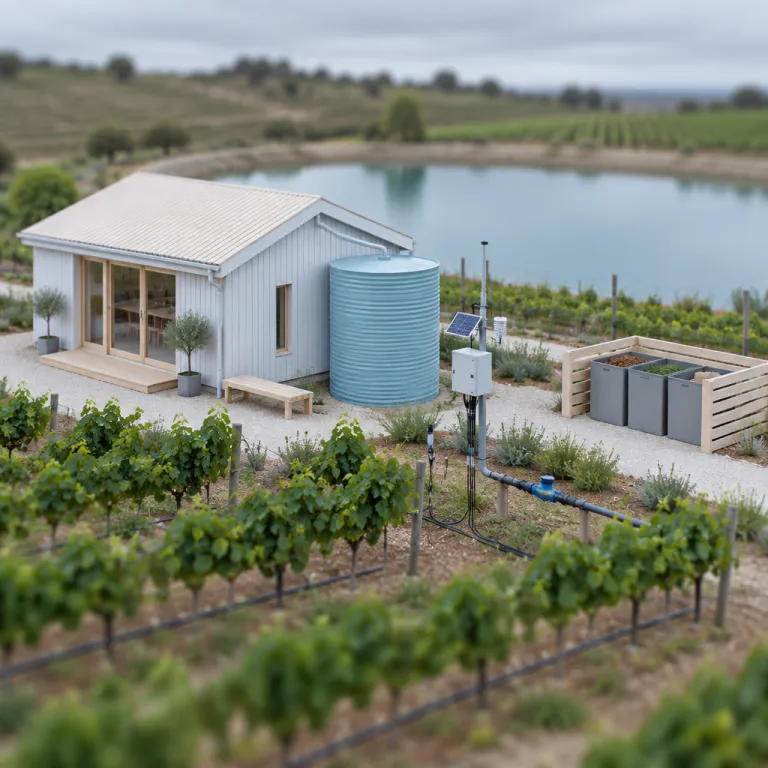
Technology is also reshaping how the tourism industry measures and manages its environmental impact, from sensors in the cellar to satellite guided irrigation. These tools help wineries track energy use, water consumption and emissions with far greater precision, which in turn supports credible certification schemes and economic benefits from efficiency gains. For a behind the scenes view of this shift, look at how invisible tech is reshaping your next winery visit and changing the way sustainable tourism is delivered on the ground.
How to read certifications and choose truly sustainable wine experiences
Labels and logos now crowd the doors of many cellar doors, yet not all certification schemes are equal. Organic and Demeter focus on farming practices, while SIP Certified, High Environmental Value and B Corp look more broadly at environmental impact, social responsibility and economic benefits for local communities. In California, roughly 65 percent of vineyards now hold some form of third party sustainable certification, which gives wine tourists a clearer signal when choosing where to stay and taste.
When you plan wine tourism around environmental footprint sustainability, ask wineries which standards they follow and what data they publish. Robust schemes require businesses to measure carbon emissions, water consumption, waste and biodiversity impacts, then show year on year improvement rather than one off gestures. This level of transparency will allow you to see whether benefits tourism claims are backed by numbers or simply by polished language.
The paradox is that wine tourism can fund conservation and keep rural economies alive, yet unchecked growth risks damaging the very landscapes that make wines distinctive. Thoughtful choices by visitors can reduce environmental pressure while still supporting the wine industry and its communities through real economic benefits. Choosing certified sustainable wine producers, travelling by lower carbon modes and favouring eco friendly experiences over resource heavy events are small acts that, multiplied across millions of visitors, reshape the footprint wine tourism leaves behind.
FAQ
How big is the carbon footprint of a typical vineyard weekend ?
The largest share of the carbon footprint usually comes from transport to and within the region, especially flights and solo car rentals. Winery operations, accommodation energy use and packaging for wines you buy add further carbon emissions, though these are often smaller than travel. Choosing closer regions, travelling by train where possible and buying lighter bottles are effective ways to reduce environmental impact without sacrificing enjoyment.
Which sustainability certifications should I look for when booking wine tourism ?
For farming practices, look for Organic or Demeter labels on wines and vineyard signage. For broader sustainability wine commitments that include social and economic benefits, schemes such as SIP Certified, High Environmental Value and B Corp assess how businesses manage water, waste, energy and community impacts. A credible certification will require measured data, regular audits and clear goals to reduce environmental pressures over time.
Can wine tourism actually support conservation and local communities ?
Yes, when managed carefully, wine tourism can deliver strong economic benefits that keep small growers, restaurants and cultural sites viable. Revenue from tastings, stays and events can fund habitat restoration, heritage building maintenance and better jobs in rural areas. The key is that the tourism industry must cap visitor numbers where necessary, protect water resources and track environmental impact so growth does not erode the landscapes that attract guests.
What practical steps can I take to make my vineyard trip more eco friendly ?
Choose regions you can reach by train or short flights, then stay longer in one area rather than driving between many distant appellations. Book accommodation and wineries with recognised sustainable tourism certifications, and ask about their water consumption, waste policies and carbon reduction plans. On the ground, refill a reusable bottle, share transfers, avoid single use packaging and support producers who invest in sustainable wine practices.
How will new European rules change sustainability claims in wine tourism ?
The EU ECGT directive will make vague or unsubstantiated environmental claims illegal, forcing wineries and tourism businesses to back their sustainability promises with verifiable data. Visitors should start to see clearer information on carbon emissions, water use and other impacts rather than generic green language. Over time, this transparency will allow wine tourists to compare options more easily and reward those who genuinely reduce environmental footprints.