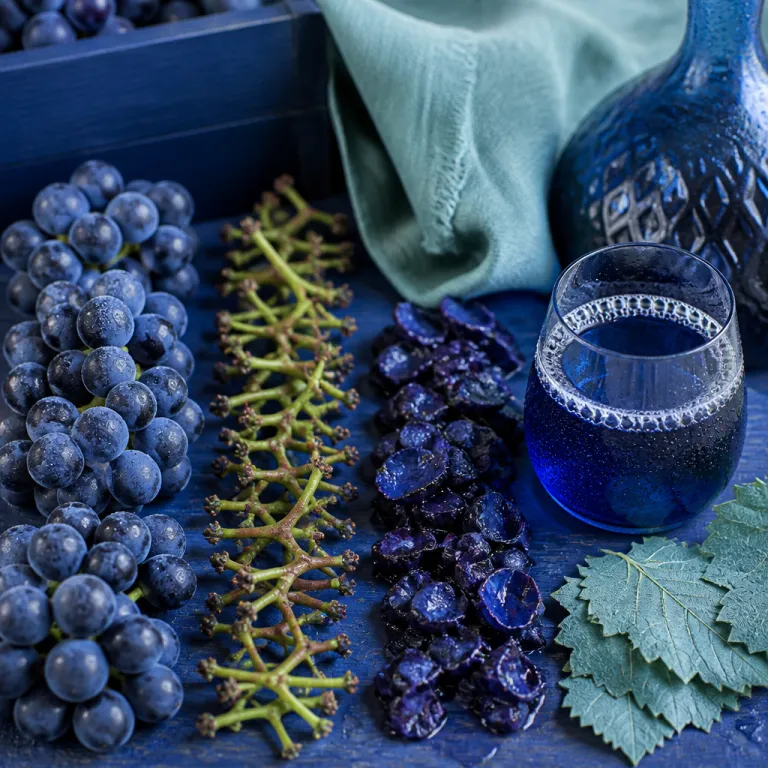
Vineyards in autumn: how harvest season transforms wine country
The sensory allure of vineyards in autumn
Vineyards in autumn offer a rare balance of calm and energy. As the fall season settles over each valley, vineyard crews move between rows while visitors pause to photograph the changing fall colors. This is the ideal time to feel how wine country breathes when the harvest is in full motion.
Across every wine country region, from Sonoma County to the Willamette Valley, the landscape shifts from bright green to copper and crimson. The vineyards in autumn frame each winery with a tapestry of leaves, while the cool air sharpens the aromas of fermenting wines drifting from open cellar doors. At one small estate outside Healdsburg, a winemaker might pause mid–punch-down to say, “This is the only time of year you can smell every tank at once.” Travelers who plan their time to visit now often find that the overall wine tasting experience feels more authentic and less staged.
The harvest season usually runs from early fall into late autumn, when grapes reach optimal ripeness on the vine. Local vineyard workers and winemakers monitor sugar levels daily, deciding the exact time to harvest each vineyard block. When you walk through vineyards in autumn, you can often see both hand picking and mechanical harvesting happening side by side, each method chosen to protect quality wine and maintain vine health. In some valleys, you may even hear the clatter of a mechanical harvester in the distance while a small team hand picks Pinot Noir under headlamps at dawn.
Inside the harvest and crushing process during fall travel
For travelers interested in the real winemaking process, vineyards in autumn reveal everything that usually stays behind cellar doors. The grape harvest is the critical moment when wineries commit to the style and structure of their future wines. As one technical guide puts it, “When is grape harvest season? Typically September to November.” In the Northern Hemisphere, this window concentrates the most intense work of the year into a few short months.
During this harvest season, vineyard workers move quickly with pruning shears and harvest bins, especially in premium regions such as Sonoma County, the Russian River area, and the Willamette Valley. Grapes for elegant Pinot Noir or structured fall wine blends are picked in the cool of the morning, then rushed to the winery for sorting and gentle crushing. Visitors who time a fall harvest trip well may be invited to help sort clusters or watch grape presses in action, gaining a deeper understanding of how wine tasting connects to what happens on the crush pad. At some family-run properties, guests stand shoulder to shoulder with the cellar team, learning how to spot underripe berries or sunburned fruit on the sorting table.
Many wineries now design harvest events that go beyond a standard tasting room visit. In Napa Valley and the Willamette Valley, for example, estates increasingly offer small group crush-pad tours, comparative tastings, and guided walks that follow the path from vineyard row to fermentation tank. Some properties in Sonoma and Napa Valley also organize limited harvest participation, where guests join the équipe in the vines before moving to the cellar for a comparative wine tasting. To understand how this trend is reshaping wine tourism, read about why harvest participation is replacing the standard tasting, then look for similar experiences when planning your own trip itineraries.
Iconic valleys for autumn wine journeys
Some landscapes feel purpose built for vineyards in autumn, and a few valleys stand out for their combination of scenery and wine quality. In California wine country, Napa Valley and Sonoma County offer contrasting but complementary fall experiences. Napa Valley focuses on polished winery visits and structured wine tasting, while Sonoma County and the Russian River valley feel more relaxed and rural.
Travelers who love Pinot Noir should pay special attention to the Russian River and the Willamette Valley, where cool river valley fog preserves acidity and delicate aromatics. In these regions, vineyards in autumn glow with pale gold Chardonnay leaves and deep red Pinot Noir foliage, creating a striking backdrop for tasting room terraces. On a clear October afternoon in the Willamette Valley, you might sit on a hilltop patio, swirling a glass of single-vineyard Pinot Noir while tractors hum softly in the distance. For a deeper understanding of terroir driven wines from the American West Coast, explore this feature on terroir focused Chardonnay from California’s Central Coast before you plan your own fall wine route.
Beyond the Pacific coast, the Blue Ridge mountains in the eastern United States offer a different expression of vineyards in autumn. Here, small wineries nestle near state park boundaries, and fall colors sweep across forested slopes behind each vineyard. A carefully planned wine trail through this region can combine state park hikes, live music at rural winery patios, and intimate wine trails that showcase the diversity of the country’s emerging wine states. Properties along the Monticello Wine Trail in Virginia or the Yadkin Valley in North Carolina, for instance, often pair weekend tastings with food trucks and acoustic concerts during peak foliage.
Designing trip itineraries around harvest season
Thoughtful trip itineraries are essential if you want to experience vineyards in autumn at their best. The harvest season is busy for wineries, yet it is also the most rewarding time to visit. Start by choosing one primary valley, then build a wine trail that balances cellar visits, vineyard walks, and time in nearby state park landscapes.
In Sonoma County, for example, you might spend one day focused on the Russian River valley and its Pinot Noir specialists, then dedicate another day to inland wineries with warmer sites and richer wines. Plan each tasting room stop with at least ninety minutes, which allows time for a seated wine tasting, a short vineyard tour, and questions about the harvest. When you map your time to visit, include breaks for meals and scenic drives so that the rhythm of your fall wine journey matches the slower pace of the countryside.
Practical details matter as much as romance when traveling through vineyards in autumn. Wear comfortable shoes for walking between vineyard rows, check local weather forecasts because fall conditions can shift quickly, and always book tours in advance during peak harvest. If you intend to buy several bottles or cases of wine, consult this guide on how much a bottle of wine weighs when you travel so that luggage limits never cut your trip short.
Immersive experiences beyond the tasting room
Vineyards in autumn invite you to move beyond the classic bar style tasting room and into more immersive experiences. Many wineries now host harvest season events that combine cellar tours, vineyard walks, and food pairings. These events often highlight how organic viticulture and sustainable practices shape both the wines and the surrounding countryside.
In regions such as Napa Valley, Sonoma, and the Willamette Valley, fall events frequently feature live music on outdoor terraces framed by fall colors. Guests might taste a flight of Pinot Noir and other wines while watching vineyard workers bring in the last fruit of the fall harvest. At some estates, a winemaker will pour a cloudy sample of fermenting juice directly from the tank, offering a rare glimpse of wine midway between grape and finished bottle. Some estates also collaborate with local chefs to create seasonal menus that showcase regional produce alongside carefully chosen fall wine selections.
For travelers who value authenticity, look for wineries that partner with local laborers and wine cooperatives to share the story of the harvest. These visits often include explanations of how drones now monitor vineyard health, how pruning shears and grape presses are used, and why fermentation timelines differ between white and red wine. When vineyards in autumn open their doors in this way, the experience becomes less about a quick wine tasting and more about understanding the full journey from grape to glass.
Practical advice for responsible autumn wine travel
Responsible travel through vineyards in autumn respects both the land and the people who work it. Global wine production now reaches around 237 million hectoliters according to the International Organisation of Vine and Wine’s 2023 statistical report, so every visitor’s choices contribute to the long term sustainability of wine regions. Choosing wineries that prioritize sustainable practices and organic viticulture helps protect soil health and river valley ecosystems.
When planning your time to visit any wine state or county, limit the number of wineries per day so that each tasting remains focused and safe. Alternate winery visits with walks in nearby state park areas or village centers, which gives you time to hydrate, eat, and absorb the atmosphere of wine country. If you are driving through valleys such as Sonoma County, Napa Valley, the Willamette Valley, or the Blue Ridge foothills, always designate a sober driver or arrange local transport in advance.
Finally, remember that vineyards in autumn are working farms during their most intense season. Ask before entering vineyard rows, keep to marked paths on wine trails, and respect any areas reserved for vineyard workers during the grape harvest. By aligning your behavior with the rhythm of the harvest season, you support both quality wine production and the long term vitality of the regions you love to visit.
Key figures about vineyards in autumn
- Global wine production stands at about 237 million hectoliters according to the International Organisation of Vine and Wine’s 2023 report, a scale that highlights how many vineyards worldwide are active during autumn harvest.
- The average harvest yield per hectare is often cited around 50 hectoliters in industry summaries of recent vintages, which means that even a modest vineyard can produce thousands of bottles each fall season.
- In many Northern Hemisphere regions, grape ripening, harvesting, and the start of fermentation all occur between early September and late November, concentrating the most important winemaking work into less than three months.
- Organic viticulture and sustainable practices continue to expand across major valleys such as Napa Valley, Sonoma County, and the Willamette Valley, reflecting growing traveler demand for environmentally responsible wine tourism.
FAQ about vineyards in autumn and harvest travel
When is grape harvest season in most wine regions ?
In the Northern Hemisphere, grape harvest season usually runs from early September through November, aligning perfectly with vineyards in autumn. Cooler nights and mild days help grapes reach optimal ripeness while preserving acidity. This timing can vary slightly by valley, grape variety, and state, so always check local winery updates before planning your visit.
Why are grapes typically harvested in autumn rather than summer ?
Grapes are harvested in autumn because they need the full growing season to develop sugar, flavor, and tannin balance. Warm summer months drive ripening, while the cooler fall period allows winemakers to fine tune picking dates for each vineyard block. This is especially important for varieties such as Pinot Noir in regions like the Russian River valley and the Willamette Valley.
What happens after grapes are harvested at the winery ?
After grapes are harvested, they are sorted, destemmed or left whole, and then crushed or gently pressed at the winery. The juice moves into tanks or barrels where fermentation transforms grape sugars into alcohol, creating the base wine. In vineyards in autumn, visitors can often see this process in real time, from grape arrival to the first bubbling fermentations.
How can travelers respectfully participate in harvest activities ?
Travelers can join harvest activities by booking structured experiences that wineries design specifically for visitors. These may include short picking sessions with vineyard workers, guided tours of the crush pad, or educational tastings focused on freshly fermented wines. Always follow staff instructions, wear appropriate footwear, and remember that the primary goal remains producing quality wine during a very intense season.
What should I pack for a fall wine trip to valleys like Sonoma or Napa ?
For vineyards in autumn, pack layers for cool mornings and warmer afternoons, along with comfortable shoes suitable for vineyard walks. A light waterproof jacket is useful because fall weather can change quickly in river valley and mountain areas. Bring a small notebook or use a phone app to record wines, wineries, and tasting impressions throughout your trip itineraries.