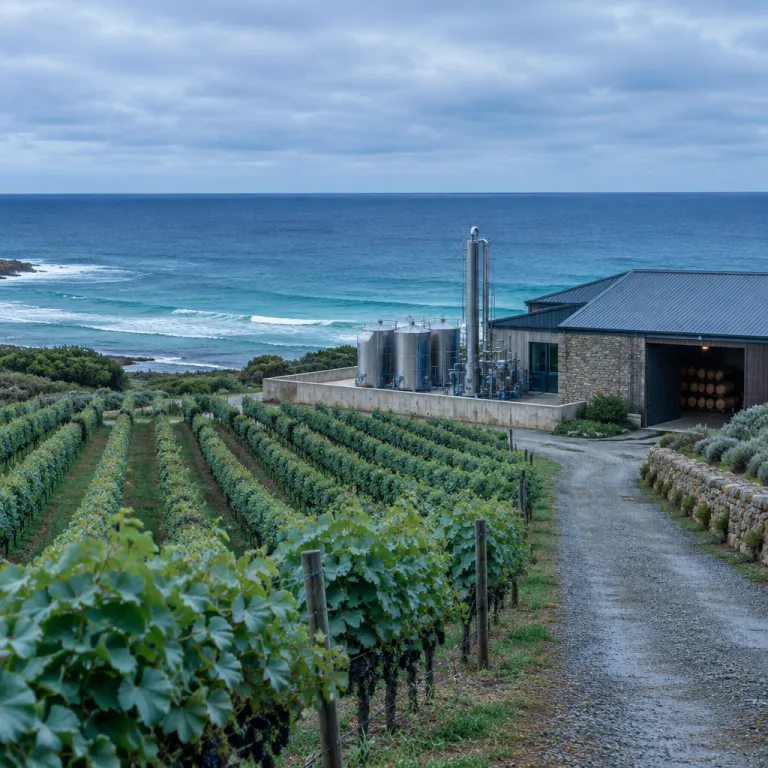
Why travelers are asking how wine is dealcoholized
Wine travelers now want to understand how wine is dealcoholized before they order a glass in a tasting room. Many visitors to regions such as Bordeaux, Marlborough, and the Mosel are balancing wellness with pleasure, so they compare alcoholic wine and alcohol free options with the same attention they give to terroir and grape varieties. On a vineyard trip, you will see traditional wine and modern dealcoholized wine poured side by side, which raises questions about alcohol content, aroma, and overall quality.
When you ask how wine is dealcoholized during a cellar tour, you are really asking how producers remove alcohol without stripping away character. Classic wines begin as grape juice that ferments, turning sugar into alcohol, carbon dioxide, and hundreds of aroma compounds that define style and structure. To create dealcoholized wines or low alcohol wines, winemakers must keep these delicate aroma compounds intact while reducing wine alcohol to a lower abv or making the alcohol removed almost completely.
Travelers often compare red wine and sparkling wine in their alcoholic and alcohol free versions during guided tastings. Hosts explain that every dealcoholization process aims to protect the original grape expression, whether the wine started as a structured red or a crisp sparkling cuvée. As you move from one estate to another, you will notice that some focus on low alcohol wines for food pairing, while others present fully dealcoholized wine as a free wine alternative for drivers or guests pacing their alcohol intake. In the Rheingau, for example, one producer might pour a classic Riesling Kabinett alongside a gently dealcoholized cuvée with about 0.5 percent abv, inviting you to notice how lime and white peach notes feel cooler and more citrus driven, how the slatey minerality seems more pronounced, and how the lighter body suits a plate of ceviche or grilled river fish when you want to stay clear headed.
From vineyard to tank: how alcoholic wines are born
Before understanding alcohol removal, you need to see how alcoholic wines are created in the first place. On a vineyard visit, guides usually start with the grape, explaining how ripeness, sugar levels, and acidity will later influence abv and the final alcohol content. When grape juice begins fermentation in stainless steel tanks or oak barrels, yeast transforms sugar into alcohol and releases aroma compounds that shape both red and sparkling styles.
In many cellars, you can taste the sweet grape juice before fermentation, then sample the same liquid a few days later as it becomes young alcoholic wine. This contrast shows how quickly sugar disappears and wine alcohol rises, often reaching between 11 and 15 percent abv depending on region, grape, and style. For travelers, it is a vivid way to understand that every dealcoholized wine or low alcohol wine still starts life as a fully alcoholic wine made through a traditional process.
Guides also highlight how different grapes and climates influence the potential alcohol content of wines. Warm regions often produce grapes with higher sugar, which means higher abv in alcoholic wines and more alcohol to remove during later dealcoholization. When you ask about how much a bottle weighs for transport, many estates now also mention the growing demand for lighter glass and for alcohol free or low alcohol options, and you can read more about this in detail in this dedicated guide on how much a bottle of wine weighs when you travel for vineyards and tastings. Industry sources such as IWSR Drinks Market Analysis and Wine Intelligence regularly report that these packaging and alcohol level choices are increasingly linked to sustainability and travel convenience.
Key methods used to have wine dealcoholized
Once fermentation is complete, winemakers choose a dealcoholization process that best preserves quality and style. The three main techniques you will hear about during technical tours are reverse osmosis, vacuum distillation, and the spinning cone column, each handling alcohol removal in a different way. All of them aim to keep aroma compounds and texture as close as possible to the original traditional wine while reducing wine alcohol to low alcohol or alcohol free levels.
Reverse osmosis uses a fine membrane to separate water and alcohol from the rest of the wine, concentrating flavour, colour, and aroma compounds on one side. The alcohol water mixture is then treated so that alcohol is removed, and the remaining liquid is blended back, giving a dealcoholized wine that still resembles the initial alcoholic wine. Travelers visiting estates in regions such as California or South Africa often see compact reverse osmosis units installed near bottling lines, where both red wine and sparkling cuvées can be processed in small, flexible batches.
Vacuum distillation and spinning cone technology both rely on lower pressure to reduce the boiling point of alcohol. In vacuum distillation, wine is gently warmed under reduced pressure so that alcohol evaporates at a lower temperature, helping protect delicate aroma compounds and avoiding cooked flavours in dealcoholized wines. The spinning cone column takes this further by passing wine over rotating cones in a vacuum, first capturing aroma compounds, then removing alcohol, and finally recombining the aroma fraction with the now low alcohol base to create a more expressive alcohol free or very low abv wine. Producers who use these systems often point to technical data from equipment suppliers such as Flavourtech and research institutes including Geisenheim University and the Australian Wine Research Institute, which show how operating at roughly 25 to 40 degrees Celsius under reduced pressure helps preserve freshness and varietal character.
How dealcoholization shapes aroma, flavour, and style
Every time wine is dealcoholized, its structure changes, because alcohol contributes body, sweetness perception, and the way aroma compounds rise from the glass. When you taste alcoholic wines and dealcoholized wines side by side at an estate, you may notice that the alcohol free versions feel lighter and sometimes slightly sweeter, even if sugar content is carefully controlled. This is why many producers adjust acidity, residual sugar, and dissolved carbon dioxide to balance the mouthfeel of low alcohol and alcohol removed wines.
Red wine presents particular challenges, because tannins, colour, and complex aroma compounds must all survive the dealcoholization process. Some wineries choose to keep a small amount of wine alcohol, creating low alcohol red wines that retain more structure and depth than fully alcohol free alternatives. Others focus on completely dealcoholized wine, then fine tune texture with blending, gentle oak contact, or a touch of natural grape juice to restore roundness without raising abv significantly. As one German winemaker in the Rhine valley explains during tours, “we treat our non-alcoholic Pinot Noir like any serious red: long maceration, careful oak ageing, and only then do we remove the alcohol.”
Sparkling wine styles often adapt better to alcohol removal, because bubbles add liveliness and perceived body. During tastings in regions like the Rheingau or the Loire, you may find that sparkling free wine or low alcohol sparkling cuvées feel closer to their alcoholic wine counterparts than still wines do. Producers explain that carbonation lifts aroma compounds and masks some of the differences caused by dealcoholization, making sparkling dealcoholized wine a popular choice for drivers, lunch pairings, and long vineyard visits.
Visiting wineries that specialize in dealcoholized wines
Wine travelers interested in how wine is dealcoholized should seek out estates that openly present their techniques. In Germany’s Rhine valley, for example, several producers now dedicate entire tasting flights to alcohol free and low alcohol wines, explaining reverse osmosis, vacuum distillation, and spinning cone systems in detail. These visits often include side by side comparisons of traditional wine and its dealcoholized wine counterpart, allowing you to judge quality and style for yourself.
In Spain’s La Rioja and Catalonia, some forward looking wineries have invested in their own spinning cone columns to keep full control over alcohol removal. Guests can sometimes see the equipment in operation, watching as aroma compounds are captured and later recombined with the low alcohol base wine. Guides emphasize that dealcoholization is not about hiding alcohol wine, but about offering more choices so that every visitor can enjoy wines with the alcohol content that suits their needs on a given day.
When planning a trip, look for estates that clearly label alcohol content and explain whether their free wine options are fully alcohol removed or simply low alcohol. Many wineries now include detailed information on abv, residual sugar, and grape varieties in their tasting room materials, helping you compare alcoholic wines and dealcoholized wines with confidence. For harvest season itineraries that combine classic tastings with modern alcohol free experiences, consult resources such as the wine harvest calendar on where to crush, taste, and celebrate from Burgundy to Barossa, then contact estates directly to ask about their dealcoholization programs. Organizations like the German Wine Institute and regional wine boards often publish background information on these trends, which can help you shortlist destinations.
Bottling, storage, and serving tips for alcohol free wines on the road
Once wine is dealcoholized, careful bottling becomes essential to protect freshness and aroma. Alcohol acts as a natural preservative, so alcohol free and very low alcohol wines can be more sensitive to oxygen, temperature, and light during storage and travel. Wineries that specialize in dealcoholized wines often invest in advanced bottling lines with inert gas, precise filtration, and strict hygiene to maintain quality from tank to shelf.
For travelers, this means paying attention to how bottles are stored in tasting rooms, shops, and hotel cellars. Choose dealcoholized wine and low alcohol wine that has been kept cool, away from direct sunlight, and ideally upright to protect closures and minimize oxygen exposure. When transporting alcohol free or low abv bottles in your luggage, treat them like premium alcoholic wine, using padded sleeves and avoiding extreme heat in car boots or train compartments.
Serving temperature also plays a key role in how both alcoholic wines and alcohol removed wines express their aroma compounds. Light red wine and most sparkling free wine styles show best slightly chilled, while fuller bodied red dealcoholized wines benefit from a moderate room temperature that softens tannins. On a trip, ask tasting room staff for guidance, because they know how their specific wines, whether traditional wine or modern alcohol wine alternatives, respond to different temperatures and glass shapes.
Choosing between alcoholic wine and alcohol free options while traveling
On a wine focused journey, you will often alternate between alcoholic wine and alcohol free glasses across the day. Morning cellar visits, long lunches, and evening tastings can add up, so many travelers now plan a rhythm that includes low alcohol wines or fully alcohol removed options between stronger pours. This approach lets you explore more estates, compare more wines, and still feel clear headed enough to appreciate vineyard landscapes and detailed explanations about the dealcoholization process.
When reading tasting lists, pay attention to how each estate describes its free wine and dealcoholized wine selections. Some wineries offer a single alcohol free sparkling cuvée, while others present full flights of dealcoholized wines, including red, white, and rosé styles with different abv levels. Ask whether the wine was dealcoholized by reverse osmosis, vacuum distillation, or spinning cone technology, because each method influences texture, aroma compounds, and how closely the final wine resembles its original alcoholic wines.
For drivers, pregnant travelers, or guests pacing their alcohol intake, these alcohol free and low alcohol choices can transform a vineyard holiday. You can still taste the influence of grape variety, soil, and climate, even when wine alcohol has been significantly reduced or completely removed. By understanding how wine is dealcoholized and how alcohol removal interacts with bottling, storage, and serving, you will be better equipped to select both traditional wine and modern alcohol wine alternatives that suit every moment of your journey.
Key figures on dealcoholized wine and travel friendly options
- Global sales of alcohol free and low alcohol wines grew by more than 20 percent over a recent five year period, according to IWSR Drinks Market Analysis, reflecting rising demand from health conscious travelers and drivers. Detailed figures can be found in IWSR’s published low- and no-alcohol category reports, such as the 2023 “No- and Low-Alcohol Strategic Study.”
- In several European markets, alcohol free and low alcohol wines now represent between 2 and 5 percent of total wine volume, based on data from Wine Intelligence, and this share is expected to increase as more wineries invest in reverse osmosis and spinning cone technology. Wine Intelligence country reports, including the “Global SOLA Wine Report 2021,” provide breakdowns by style and occasion.
- Vacuum distillation and spinning cone systems typically operate at temperatures between 25 and 40 degrees Celsius under reduced pressure, significantly lower than standard distillation, which helps preserve aroma compounds and maintain wine quality during alcohol removal. Technical specifications from equipment manufacturers and oenology research centers, such as Flavourtech’s spinning cone column documentation and trials reported by the Australian Wine Research Institute, confirm these operating ranges.
- Many dealcoholized wines contain less than 0.5 percent abv, a threshold commonly used in regulations to classify beverages as alcohol free, while low alcohol wines often sit between 0.5 and 8 percent abv, giving travelers a wide spectrum of choices. In the European Union, for example, Regulation (EU) No 1308/2013 and related guidance outline how reduced-alcohol and de-alcoholised wines may be described and labeled.
- Consumer surveys by organizations such as the German Wine Institute show that a significant share of respondents choose alcohol free or low alcohol wines specifically for daytime consumption, driving safety, and multi course meals during wine tourism trips. These findings are regularly summarized in the institute’s published market reports and press releases.
FAQ about how wine is dealcoholized for travelers
Is dealcoholized wine completely alcohol free ?
Most dealcoholized wines contain a very small amount of residual alcohol, typically below 0.5 percent abv, because it is difficult to remove every trace. Regulations in many countries allow beverages under this threshold to be labeled as alcohol free, but sensitive travelers should still check labels. If you need to avoid alcohol entirely, ask wineries to confirm exact alcohol content before tasting and consult local labeling rules or official summaries from bodies such as the European Commission.
Does dealcoholization affect the taste of wine ?
Removing alcohol inevitably changes body, sweetness perception, and how aroma compounds are expressed. High quality producers use reverse osmosis, vacuum distillation, or spinning cone technology to minimize these changes and preserve the character of the original traditional wine. During tastings, you may notice that alcohol free or low alcohol wines feel lighter and sometimes slightly sweeter, but well made examples can still be complex and food friendly.
Which method of alcohol removal is considered best ?
There is no single best method, because each technique has strengths and suits different wine styles. Reverse osmosis is gentle and flexible for small batches, vacuum distillation is efficient for larger volumes, and spinning cone systems excel at capturing and recombining delicate aroma compounds. When visiting wineries, ask which process they use and taste their alcoholic and dealcoholized wines side by side to decide which results you prefer.
Can red wine be successfully dealcoholized ?
Red wine can be dealcoholized, but it is technically demanding because tannins, colour, and complex aromas must be preserved. Many producers choose to make low alcohol red wines rather than fully alcohol free versions, keeping some wine alcohol to maintain structure and depth. Others use advanced spinning cone or reverse osmosis systems to create fully dealcoholized red wines, then adjust texture through blending and careful bottling.
How should I store and serve alcohol free wines while traveling ?
Store alcohol free and low alcohol wines in a cool, dark place, ideally between 8 and 15 degrees Celsius, and avoid temperature swings in cars or trains. Opened bottles should be refrigerated and consumed within a few days, because the lower alcohol content offers less protection against oxidation. Serve sparkling free wine well chilled and red dealcoholized wines slightly cooler than typical room temperature to highlight freshness and balance.