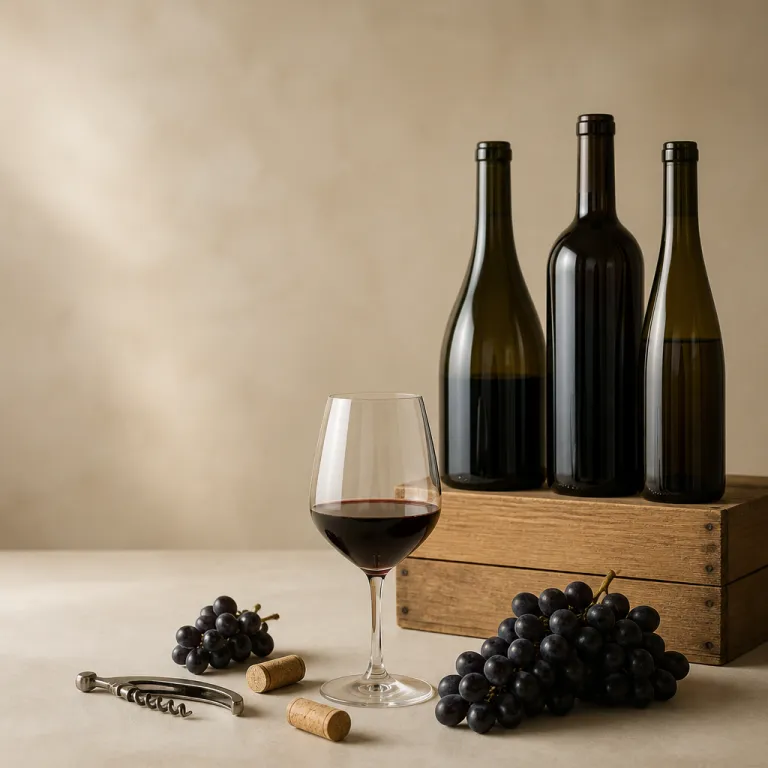
Planning your wine harvest calendar 2026 grape crush season
Timing a trip around the wine harvest calendar 2026 grape crush season means aligning your family’s travel dates with the most intense weeks of work in the vineyards. Across wine regions, the harvest season is shaped by climate, grape variety and the style of wine that wineries want to craft. For wine country travelers, the goal is to arrive when grapes move from valley rows to the grape crush pad, without landing in a week when tasting rooms are closed to protect the team’s focus.
Think of the wine harvest calendar 2026 grape crush season as a band of activity that starts in the southern hemisphere in late summer and rolls northward by early autumn. In the Barossa Valley, Mendoza, Stellenbosch and Central Otago, the harvest season usually runs from February through April, with early ripening grapes picked first and late ripening parcels held until sugar and acidity align. Families who want to see both harvest events and relaxed wine tasting can aim for mid harvest, when wineries balance grape crush logistics with hosting visitors in their tasting rooms.
In the northern hemisphere, the wine harvest calendar 2026 grape crush season stretches from late August in warmer zones to november in cooler river valleys. Champagne often begins picking in late august or early september, while Burgundy follows with pinot noir and chardonnay through september and into early october. By contrast, the Mosel’s steep slate slopes can see grapes hanging into october and november, giving travelers a longer window to witness harvest and grape crush work while still enjoying calm, uncrowded valley landscapes.
Southern hemisphere: Barossa to Central Otago in the first crush wave
The southern hemisphere sets the pace for the wine harvest calendar 2026 grape crush season, with Barossa Valley in South Australia often leading the charge. Here, warm valley floors bring in shiraz and cabernet sauvignon as early as february, while higher, cooler sites wait until mid march, so visitors can see both early and mid harvest in a single trip. Families can base themselves near the valley’s main towns and drive short distances to wineries that welcome children for outdoor harvest events and relaxed grape tasting flights.
In Argentina’s Mendoza, the harvest season usually peaks between mid march and mid april, when malbec grapes from both lower and higher altitude regions arrive at the grape crush pad. Many wineries host harvest dinners in the vineyards, pairing local cuisine with malbec, cabernet sauvignon and sauvignon blanc while winemakers explain how the year’s weather shaped the wine. Because some estates close their tasting rooms during the most intense crush days, you should contact your preferred wineries six to eight weeks ahead and request appointment only visits that fit your family’s schedule.
Further west, South Africa’s Stellenbosch and Franschhoek valleys typically harvest from february through early april, with sauvignon blanc and chenin blanc leading before cabernet sauvignon and pinot noir. In New Zealand’s Central Otago, the cool climate pushes the wine harvest calendar 2026 grape crush season slightly later, often from late march into late april, which suits families traveling during the northern hemisphere’s spring break. Here, compact wine country layouts mean you can visit several wineries in one day, watching grape sorting in the morning and then walking vineyard rows in the afternoon while children explore safe, car free paths between vines.
Northern classics: Burgundy, Bordeaux, Champagne and beyond
Once the southern hemisphere quiets, attention shifts to Europe, where the wine harvest calendar 2026 grape crush season unfolds in a precise but weather dependent sequence. Champagne usually starts first, with chardonnay, pinot noir and pinot meunier picked from late august into early september, especially on warmer, south facing slopes. Travelers who arrive in this early window can watch crates of grapes arrive at village presses while still finding tasting rooms open for structured flights.
Burgundy follows with a concentrated harvest season focused on pinot noir and chardonnay, typically running through september and sometimes into early october in cooler valley sites. Families staying in Beaune or Nuits Saint Georges can drive to nearby villages each morning to see pickers in the vines, then retreat to town for relaxed lunches while the grape crush continues behind cellar doors. In Bordeaux, the calendar stretches longer, with white varieties such as sauvignon blanc and sémillon harvested in early to mid september, and cabernet sauvignon and merlot often brought in from late september through mid october.
Further south, Tuscany’s rolling hills usually see sangiovese harvested from september into mid october, while coastal regions may start slightly earlier. Rioja often runs from late september to mid october, giving travelers a generous window to experience both harvest events and quieter cellar visits. Cooler regions such as Germany’s Mosel can push the wine harvest into october and november, especially for late picked riesling, which means families traveling during school breaks in october still have a strong chance of seeing active grape crush work in the valley vineyards.
California wine country: from late August crush to september october family trips
For many readers in the United States, the heart of the wine harvest calendar 2026 grape crush season is California wine country, where napa valley, valley sonoma and the wider central coast offer a dense cluster of wineries. In napa, grape picking can begin in late august for sparkling wine and some sauvignon blanc, with the main harvest season for cabernet sauvignon running from mid september into mid october. Families who want to see both vineyard activity and functioning tasting rooms should aim for that mid window, when the crush is intense but wineries still host visitors.
Across the Mayacamas range, sonoma county and the broader valley sonoma area follow a similar september october pattern, though cooler coastal sites may harvest pinot noir and chardonnay slightly later. Many sonoma county wineries now design harvest events that are explicitly family friendly, with grape stomping demonstrations, food trucks and outdoor seating where children can relax while adults taste wine. When planning your wine harvest calendar 2026 grape crush season itinerary, remember that some smaller wineries close their tasting rooms on key crush days, so always confirm opening hours and book appointments well ahead.
Further south, the central coast offers a different rhythm, with paso robles, Santa Barbara County and the sierra foothills each shaping their own harvest season. Paso robles typically sees zinfandel, cabernet sauvignon and Rhône varieties harvested from september into october, and the region has built a strong reputation for its dedicated harvest events and festivals that celebrate grape crush culture. For a deeper look at how central coast producers express terroir, including chardonnay from Santa Barbara’s cool valleys, read this guide to terroir driven wines from California’s central coast, which pairs well with planning a family road trip between coastal wineries.
Paso Robles, Willamette and the art of harvest events
Among American regions, paso robles has become a model for how to turn the wine harvest calendar 2026 grape crush season into a full cultural program. The town and surrounding vineyards host coordinated harvest events, from open air dinners in the vines to cellar tours that walk guests through grape sorting, fermentation and the first pressing. Families can structure a long weekend around these festivals, choosing daytime activities in the valley for children and evening tastings for adults.
Farther north, Oregon’s Willamette Valley usually harvests pinot noir and chardonnay from september into october, with cooler sub regions pushing into mid october. Many wineries here are small and intensely focused on quality, which means they may limit tasting room hours during the busiest crush weeks. When you map your wine harvest calendar 2026 grape crush season, build in flexibility, allowing for one or two days when a planned visit shifts from a cellar tour to a vineyard walk because the team is fully engaged with grapes arriving from the valley slopes.
Washington State, the sierra foothills and other emerging regions along the west coast add further layers to the harvest season picture. In the sierra foothills, warm days and cool nights often bring in zinfandel and Rhône grapes from late september into october, while higher elevation parcels may run later. For families, these regions can be easier to navigate than napa valley at peak crush, with less traffic, more relaxed tasting rooms and a strong emphasis on outdoor spaces where children can move freely while adults focus on the wine.
What you can actually do during harvest: from grape sorting to tech driven cellar tours
Understanding the wine harvest calendar 2026 grape crush season is only useful if you know what experiences are realistic once you arrive. Many wineries now offer structured harvest events that let guests join grape sorting lines, observe punch down sessions that submerge grape skins in fermenting wine, or watch the first pressings that separate juice from skins. These activities usually happen in the morning, so families can schedule them early, then shift to quieter vineyard walks or valley picnics in the afternoon.
Because harvest is the most intense time of the year, tasting rooms often move to appointment only schedules or close entirely on key crush days. When planning a trip to napa valley, sonoma county, paso robles or any other wine country, contact your target wineries at least six to eight weeks in advance and ask specifically about harvest season policies. Some estates will welcome older children into cellar tours, while others prefer that families focus on outdoor vineyard visits, so clarity ahead of time prevents awkward moments at the door.
Technology is reshaping the harvest season experience, from sensors in the vineyard that track grape ripeness to augmented reality tools in the cellar that explain fermentation in real time. If you are curious about how this invisible layer of innovation changes what you see during the wine harvest calendar 2026 grape crush season, read this feature on sensors in the cellar and AR in the vineyard. Used well, these tools help families understand why a particular valley slope, coastal breeze or late afternoon sun pattern matters so much to the grapes in their glass.
Family focused planning tips for a seamless harvest season trip
For premium families, the wine harvest calendar 2026 grape crush season is as much about logistics as it is about terroir. Start by choosing one or two core regions, such as napa valley and sonoma county, or Burgundy and Champagne, rather than trying to chase the harvest across multiple countries in a single year. This keeps travel times manageable for children and allows you to return to favorite wineries more than once during the same harvest season, seeing how the valley changes from early to mid and late crush.
Next, build a daily rhythm that alternates wine focused activities with child friendly breaks. A typical day in california wine country might start with a morning vineyard walk and grape crush observation, followed by a long lunch in town and an afternoon at a regional park or coast beach. In European regions, you can pair cellar visits with castle tours, river cruises or cycling paths that run through the valley, giving children a sense of adventure while adults still engage deeply with the wine.
Finally, pay attention to small details that shape comfort during the wine harvest calendar 2026 grape crush season, from packing layers for cool september october mornings to booking accommodations with enough space for the whole family. Choose properties within short driving distance of key wineries, so you can return easily for evening harvest events without long night drives. With thoughtful planning, the wine harvest becomes not just a backdrop but the central narrative of a family trip, linking each valley, grape and glass to a specific moment in the year’s most important season.
Key figures that shape global harvest season travel
- In California, napa valley and sonoma county together account for more than 30 percent of the state’s wine production by volume, which concentrates a significant share of the wine harvest calendar 2026 grape crush season activity into a relatively compact wine country corridor (data from the California Wine Institute, recent reporting).
- Argentina’s Mendoza region produces roughly two thirds of the country’s wine, and its february to april harvest window means that travelers from the United States can experience an active grape crush season during their late winter and early spring (figures from Wines of Argentina, latest available data).
- In Champagne, strict yield regulations and hand harvesting requirements mean that the average picking period lasts around three weeks, which compresses the wine harvest into a short, intense season that rewards travelers who plan dates carefully (Comité Champagne statistics, recent vintages).
- Oregon’s Willamette Valley now hosts more than 700 wineries, and many of them are small, family run estates, which increases the likelihood that tasting rooms will shift to appointment only schedules during the peak wine harvest calendar 2026 grape crush season (Oregon Wine Board data, current counts).
- Tourism boards in regions such as paso robles report that harvest events and festivals can increase autumn visitor numbers by double digit percentages compared with non harvest months, underlining how strongly travelers respond to the chance to witness grape crush activities (regional tourism statistics, recent years).
FAQ about timing your wine harvest calendar 2026 grape crush season trip
When is the best time to visit napa valley during the wine harvest calendar 2026 grape crush season ?
For most travelers, the sweet spot in napa valley runs from mid september to mid october, when cabernet sauvignon and other key grapes are being harvested but tasting rooms remain open. Early september can be excellent for seeing sparkling wine and sauvignon blanc picked, though some wineries may be too busy for extended tours. Late october is calmer and still part of the harvest season in cooler valley sites, but you may see less active grape crush work.
How far in advance should I book winery visits for harvest season travel ?
During the wine harvest calendar 2026 grape crush season, you should contact wineries at least six to eight weeks before your trip. Many estates in napa valley, sonoma county, paso robles and European regions such as Burgundy move to appointment only schedules during crush. Early contact lets you secure family friendly time slots and clarify whether children are welcome in tasting rooms or only in outdoor vineyard areas.
Which regions are best for combining harvest events with family activities ?
Regions such as paso robles, the central coast of California, Willamette Valley and parts of Tuscany are particularly good at pairing harvest events with broader family activities. These areas often host open air festivals, grape stomping demonstrations and vineyard picnics that are easy to enjoy with children. Compact valley layouts and nearby towns make it simple to balance wine focused mornings with relaxed afternoons at beaches, parks or cultural sites.
Can children participate in harvest activities at wineries ?
Policies vary widely, so you must ask each winery directly when planning your wine harvest calendar 2026 grape crush season itinerary. Some estates allow older children to watch grape sorting or walk through vineyards during harvest, while others restrict access to working areas for safety reasons. In many wine country regions, families are encouraged to focus on outdoor experiences, such as vineyard walks and picnics, while adults handle tastings in the cellar or tasting rooms.
How does weather affect the timing of the wine harvest calendar 2026 grape crush season ?
Weather in the months leading up to harvest has a major impact on timing in every valley and wine country. Warm, dry conditions can bring grapes to ripeness earlier, shifting the harvest season toward late august and early september, while cooler or wetter years may push picking into october or even november in cooler regions. Because of this variability, travelers should treat any wine harvest calendar as a guide and confirm likely dates with local tourism offices and wineries a few months before traveling.