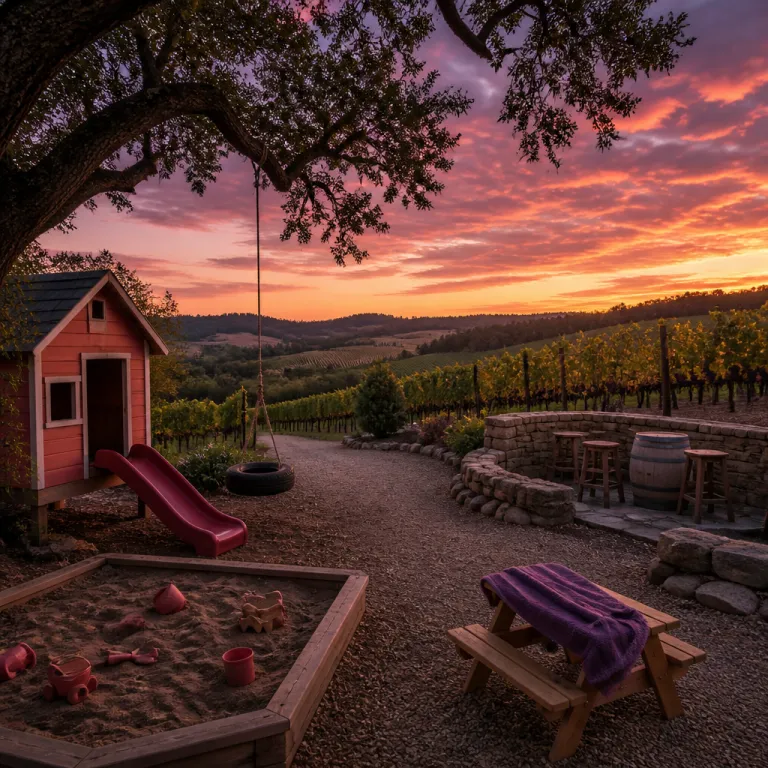
Why wine country travel with children family friendly is finally working
Parents no longer have to choose between serious wine and time with kids. Across classic wine country regions, wineries are redesigning the visitor experience so a family can relax together while adults enjoy a focused tasting. This shift makes wine country travel with children family friendly in a way that respects both the glass and the playground, turning vineyards into shared spaces rather than adults-only zones.
In the United States alone, industry surveys now count roughly 50 clearly family friendly wineries, and the number of wineries adding play areas and non alcoholic options for kids grows every season. For example, a 2023 scan of winery visitor pages by the family travel editors at Travel + Leisure and Food & Wine identified just over four dozen estates that explicitly market themselves as welcoming to children. Many of these wineries understand that families travel with kids, with baby, and often with grandparents, so they plan spaces that work for several generations at once. When you visit these properties, you see that wine country trips with children are not a marketing slogan but a practical layout decision, from shaded lawns to safe paths between vineyards and clearly signed tasting zones.
The most successful family friendly wineries treat children as guests in their own right, not as an afterthought. They offer grape juice flights that mirror the adult wine tasting, simple snacks, and outdoor games that keep kids engaged while parents talk with the winemaker. One Napa winemaker summed it up to a family travel researcher in 2022: “If the kids are happy, parents stay for a second flight.” When a winery invests in this kind of thoughtful design, families stay longer, buy more wine, and leave with a sense that wine country can be part of their shared holiday vocabulary.
Designing a wine day in napa valley with kids that everyone enjoys
Napa Valley remains the benchmark for wine country, yet it can feel intimidating when you arrive with kids. The key is to design your day around short, focused visits to wineries, broken up by generous outdoor time and simple pleasures like ice cream in Calistoga. Think of the valley as a long, narrow playground, and plan your wine country travel with children in segments of ninety minutes rather than full afternoons, so no one feels trapped in a tasting room.
Start the morning at a winery in northern Napa County, where the air is cooler and vineyards are quiet, then move slowly down the valley with one major tasting with kids before lunch and one after. Choose friendly wineries that offer lawns, gardens, or a marked trail through the vines, so children can walk safely while you talk with staff about the property and its wine cellars. Many estates now operate strictly by reservation, often with set start times on the hour and a typical tasting length of 60 to 90 minutes, so booking ahead is essential. When you research wineries Napa wide, look specifically for mentions of kid friendly or family friendly policies, and always verify by phone that children are welcome on the day you plan to visit.
For visual inspiration and route planning, use a curated guide to the most scenic vineyards in Napa Valley, such as a detailed 2023 overview of Napa Valley landscapes published by the local tourism board. Pair one scenic stop with a more structured wine tasting, and keep at least one flexible slot for a spontaneous pause at a playground or riverside park. When you frame Napa with kids as a sequence of short, beautiful interludes rather than a marathon of tasting rooms, the valley with children becomes both manageable and genuinely enjoyable.
Choosing friendly wineries and specific properties that welcome families
Not every winery is set up for families, so selection matters more than ever when you travel with kids. Look for a property where the tasting with children is clearly anticipated, with staff trained to explain where kids can play and which areas are off limits. A good rule is to prioritise wineries that mention lawns, picnic tables, or outdoor games on their visitor pages, and to avoid estates that describe themselves as “quiet, contemplative” if you are bringing toddlers.
In Napa Sonoma and neighbouring regions, several estates have become reference points for wine country travel with children because they combine serious wine with relaxed grounds. Some wineries Napa side offer shaded picnic areas, while others in Sonoma County add farm animals or kitchen gardens that fascinate children between sips of grape juice. When you read reviews, pay attention to how other families describe the atmosphere, and whether they felt comfortable letting kids move around the vineyards under supervision, or whether they spent the whole visit asking children to whisper.
Beyond California, properties such as Urban Vines Winery & Brewery in the Midwest, V. Sattui Winery in Napa Valley, Stoller Family Estate in Oregon, Francis Ford Coppola Winery in Sonoma County, and King Family Vineyards in Virginia illustrate how diverse a kid friendly winery can be. These friendly wineries use tools like playgrounds, picnic areas, and non alcoholic beverages to make visits smoother, and they show how a winery can remain adult focused while still being genuinely kid friendly. Typical policies include advance reservations for weekend tastings, posted quiet hours in production areas, and modest tasting fees that are often waived with bottle purchases. For a sense of architectural style and ambience before you book, consult an elegant guide to the prettiest wineries in Napa Valley, such as a 2022 curated selection of design forward estates compiled by a regional wine association.
Structuring tastings, trails, and picnics so kids stay happy
The rhythm of the day matters more than the number of wineries you manage to visit. Aim for two, at most three, structured wine tasting appointments, and fill the rest of the time with outdoor activities that let kids reset between adult focused moments. Short walks along a vineyard trail, a picnic under oak trees, or a stop at a riverfront playground can transform the mood of the whole family and keep wine country trips with children enjoyable in practice, not just in theory.
When you book a tasting with children, ask in advance whether the winery can provide grape juice or another non alcoholic option, and whether food is available or you should bring your own picnic. Many family friendly wineries now mirror the adult flight with a simple grape juice tasting for kids, which makes them feel included while you compare vintages in the glass. Some estates charge a small fee, often between $5 and $15 per child, for these extras, while others include them in the general tasting price. Always keep tastings to forty five minutes or less, and alternate which parent focuses on the wines while the other keeps an eye on the children exploring the property.
Picnics are where wine country travel with children family friendly really shines, because vineyards offer space to run and views that adults genuinely enjoy. Choose a winery in Napa Valley or Sonoma County that explicitly allows picnics, and pack a simple lunch, a blanket, and a few quiet toys or books for younger kids and for a baby. Many properties require that you purchase at least one bottle on site to use their picnic lawn, and some ask you to reserve a table in advance for a specific time slot. Between bites, let children walk a safe section of trail, count rows of vines, or sketch the landscape, while you savour a glass of wine and talk with staff about the valley with its changing light and seasonal work.
From san francisco to napa sonoma: logistics, timing, and realistic expectations
Most families reach Napa Valley or Sonoma County via San Francisco, and the drive itself can set the tone for the trip. Plan at least one stop on the way, whether at a regional park or a small town playground, so kids burn energy before you arrive at your first winery. This small adjustment makes wine country travel with children feel family friendly from the very first hour, rather than a test of patience on Highway 101 or Interstate 80.
Once you are in Napa with children, resist the urge to over schedule, and remember that two relaxed visits to wineries can be more rewarding than four rushed tastings. Use the early morning and late afternoon for vineyard walks and outdoor time, keeping the hottest hours for shaded patios or a pool if your accommodation offers one. When you plan your dates, consider whether you prefer the buzz of peak season or the calmer feel of shoulder months, and consult a specialised guide such as a 2022 analysis of peak versus off peak vineyard travel produced by Visit Napa Valley.
Transport logistics also shape how family friendly your days feel, especially with baby or toddlers. If you plan to taste at several wineries Napa wide, consider hiring a driver for one day so both adults can relax and alternate who focuses on the wines and who plays with the kids. Local car services often offer flat half day or full day rates, and some provide child seats on request if you book in advance. Build in quiet time back at your accommodation each afternoon, so children can nap or read while you review the day, perhaps with a final glass of wine on a terrace overlooking the valley with its evening light.
Insider tips for specific napa valley names: frog leap, stag leap, and beyond
For many wine lovers, certain Napa Valley names carry particular resonance, and traveling with children does not mean you must avoid them. Estates in the broader Stags Leap District, sometimes referred to informally as Stag Leap, are known for structured Cabernet, yet some also offer gardens and terraces where a family can sit together. When you plan a visit, ask how the winery handles guests with kids, and whether there is a quiet corner where children can read or sketch while you taste, especially if you are booking a seated tasting with set start times.
Frog’s Leap Winery, often shortened in conversation to Frog Leap, has long been cited by families as an example of how serious wine can coexist with a relaxed, almost farm like setting. Its organic vineyards, gardens, and laid back tasting style show how wine country travel with children family friendly can still feel authentic to Napa’s agricultural roots. When you explore wineries Napa wide, look for this combination of strong viticultural identity and genuinely welcoming outdoor spaces, rather than simply scanning for a playground.
Many visitors also ask whether children are allowed at wineries and what amenities they can expect, and the most accurate summary remains this set of verified answers from family travel researchers in 2023: “Are children allowed at wineries? Many wineries welcome children; check policies beforehand. What amenities do family-friendly wineries offer? Playgrounds, picnic areas, and non-alcoholic beverages. Do wineries charge extra for children's activities? Policies vary; some offer free activities, others may charge.” These statements align with what I see on the ground in Napa County and Sonoma County, where policies differ from property to property but the overall trend is toward more inclusive, clearly signposted experiences. As long as you respect the working nature of vineyards and wine cellars, supervise children closely, and choose kid friendly estates, you can build a trip where the valley with its famous names becomes part of your family’s shared travel story.
Key figures on family friendly wine country travel
- Around 50 wineries in the United States explicitly market themselves as family friendly, according to recent lifestyle and travel reporting in magazines such as Travel + Leisure (2021) and Food & Wine (2022), indicating a clear recognition of families as a distinct visitor segment. This figure comes from compiled lists in national food and travel magazines published between 2021 and 2023.
- Many of these wineries have added designated play areas, picnic lawns, and non alcoholic drinks for kids, reflecting a broader trend toward integrating child friendly spaces into working vineyards without compromising wine quality. Typical additions include small climbing structures, lawn games, and shaded seating near but not inside the main tasting room.
- Family focused estates report increased length of stay and higher direct to consumer sales when they provide simple amenities such as grape juice tastings and shaded outdoor seating for multigenerational groups. Internal visitor surveys at several Napa and Sonoma properties, summarised in a 2022 regional hospitality briefing, show that families who use picnic areas often remain on site 30 to 60 minutes longer than other guests.
- Travel data from regional tourism boards in Napa County and Sonoma County show a steady rise in visits from households with children, mirroring the growth of family suites and multi room options at vineyard accommodations. Between 2018 and 2022, several local reports noted year over year increases in family bookings, especially during school holidays and long weekends.
FAQ about traveling with children in wine country
Are children allowed at most wineries in napa valley and sonoma county ?
Many wineries in Napa Valley and Sonoma County welcome children, but policies vary widely between properties. Always check each winery’s website and then confirm by phone or email before you book a tasting with kids. Some estates restrict access to certain areas such as production zones or caves, while still offering gardens or patios where families can sit together, and a few limit visits with children to daytime hours.
What makes a winery genuinely family friendly rather than just tolerant of kids ?
A genuinely family friendly winery plans for children from the outset, with clear rules, safe outdoor spaces, and non alcoholic drinks such as grape juice. You will often find lawns, picnic tables, or simple play equipment, along with staff who explain where kids can move freely. These wineries also structure tastings in shorter formats, so parents can focus on the wine without feeling rushed or unwelcome, and they usually state their family policies clearly in confirmation emails.
How many wineries should a family visit in one day ?
For most families, two wineries in a single day is ideal, with a maximum of three if children are older and enjoy walking through vineyards. Keep each tasting to around forty five minutes, and schedule generous breaks for meals, playground stops, or pool time. This slower pace allows adults to appreciate the wines while kids stay rested and engaged, and it keeps wine country travel with children family friendly instead of exhausting.
Do family friendly wineries charge extra for children’s activities ?
Policies differ by property, and some wineries offer children’s activities such as grape juice tastings or small play areas at no additional cost. Others may charge modest fees for structured experiences like guided garden tours or seasonal events. Always ask about pricing when you reserve, so there are no surprises when you arrive with your family, and check whether any fees for kids are applied as a credit toward wine purchases.
Is it realistic to visit napa valley or sonoma county with a baby ?
Traveling in wine country with baby is entirely possible if you choose your wineries carefully and keep expectations flexible. Focus on estates with ample outdoor seating, easy parking, and changing facilities, and avoid long cave tours or crowded standing tastings. Plan for frequent breaks, and consider staying in self catering accommodation so you can maintain your baby’s usual routines while still enjoying the surrounding vineyards, perhaps with one short tasting scheduled during nap time in a stroller.
Sample one-day napa valley itinerary with kids (2024)
This example shows how a realistic 2024 family day in Napa might unfold. Timings assume a summer visit with a school-age child and a toddler, driving from central Napa.
9:00 a.m. – 10:30 a.m.: Morning tasting at Frog’s Leap Winery (Rutherford)
Arrive for a pre-booked 9:00 a.m. tasting, requested in advance as a family visit. One adult focuses on the seated tasting while the other walks with the kids through the gardens and lawn. Ask for grape juice for children and confirm where they may play. Plan to leave by 10:30 a.m. before the heat builds.
10:45 a.m. – 12:00 p.m.: Playground and snack break in Yountville
Drive about 15 minutes south to a town playground in Yountville. Let kids climb, run, and have a snack from a packed cooler. This window doubles as stroller nap time for a baby while adults enjoy coffee on a bench.
12:15 p.m. – 2:00 p.m.: Picnic at V. Sattui Winery (St. Helena)
Head back north to V. Sattui for a reserved picnic table. Purchase a bottle on site to meet picnic rules, pick up deli items or unpack your own lunch if permitted, and spread a blanket for younger children. Alternate short walks to look at the vines with quiet reading or colouring at the table.
2:00 p.m. – 4:00 p.m.: Rest time at accommodation
Return to your hotel or rental for naps, showers, and downtime. Adults can review wines from the morning and plan dinner while children watch a film or read. Avoid adding another tasting during this rest block.
4:30 p.m. – 6:00 p.m.: Early evening stroll and optional second tasting
Finish the day with a short walk through vineyards at a second pre-booked, family friendly estate near your lodging, keeping the tasting to 45 minutes. If kids are tired, one adult can stay back at the accommodation while the other attends the appointment.
Family packing and planning checklist for wine country
To make a vineyard day with children smoother, prepare a simple checklist before you leave home.
Essentials for kids and baby
Light layers, sun hats, and sunscreen; refillable water bottles; snacks that do not crumble into tasting room carpets; a compact stroller or carrier for baby; a small bag with crayons, books, or quiet toys; wipes and a portable changing mat.
Documents and reservations
Printed or digital tasting confirmations with notes on family policies; driver’s licence and payment method; contact details for each winery; addresses preloaded into your navigation app; confirmation for any hired driver or car service with child seat requests.
On-the-ground planning
Agree in advance which adult will focus on each tasting; set a maximum of two or three winery visits per day; identify at least one playground or park near your route; plan a daily rest window for naps or quiet time; and keep a small cooler in the car with water, fruit, and simple sandwiches.