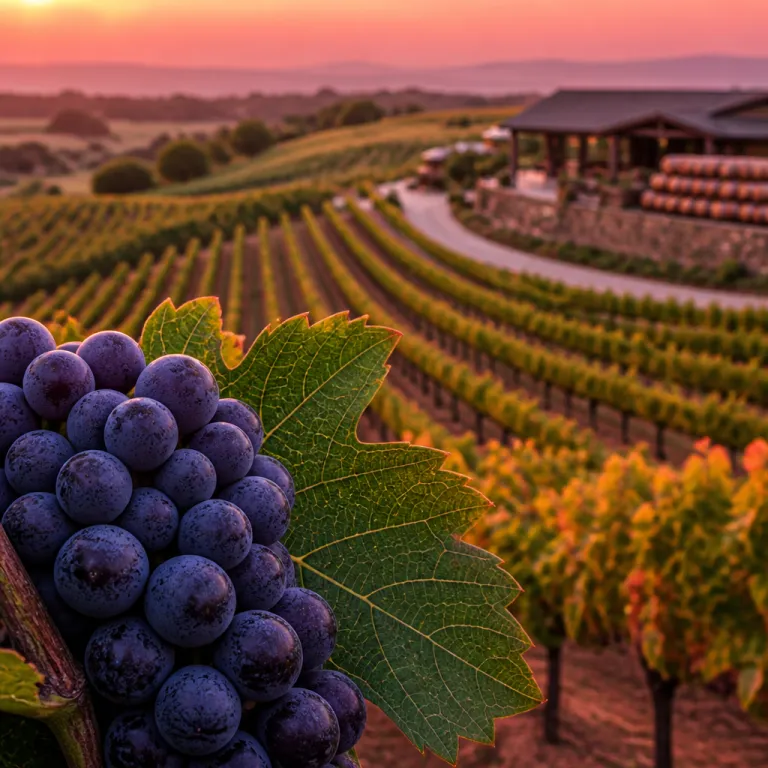
From temple town to vine village: why Nashik became India’s wine capital
Nashik was once known almost exclusively for temples and table grape farms. Today the same Nashik hillsides carry orderly vineyards that feed a thriving wine tourism scene centred on Sula Vineyards. The transformation of this Indian city into a leading vineyard travel hub explains why Nashik now appears on serious wine travellers’ shortlists alongside far older wine regions.
The shift began when Rajeev Samant founded Sula in Nashik with a clear ambition to make quality wine in India and to turn the region into a destination worth a dedicated visit. He introduced international grape varieties such as Sauvignon Blanc, Chenin Blanc, Zinfandel and Riesling to local farmers, and those grapes gradually replaced part of the traditional grape production that once supplied only fresh markets. As vineyards spread around Gangapur Dam and beyond, the landscape started to resemble a compact, tropical echo of Napa Valley rather than a conventional Indian agricultural belt.
Today Sula Vineyards manages more than 930 hectares under vine around Nashik and nearby villages, and the winery produces over 10.8 million litres of wine each year. According to Sula’s own filings and investor presentations, that scale, combined with a polished tasting room culture and a relaxed vine village atmosphere, has made Sula the anchor of the Nashik wine route that travellers now plan entire trips around. When you walk the main Sula vineyard blocks above the lake, you understand how a once modest winery became a reference point for vineyard tourism experiences in Asia and for the broader story of Indian wine travel centred on Nashik.
Reaching Nashik from Mumbai and timing your vineyard visit
The journey from Mumbai to Nashik sets the tone for any serious wine tour in this part of India. Most travellers choose the road, driving roughly 170 kilometres in about four hours, and the final approach through vineyard-lined backroads makes the first glimpse of Sula’s vines feel earned. Trains from Mumbai’s central stations to Nashik Road offer a cooler, slower alternative, while occasional domestic flights to nearby airports suit those folding a quick day trip into a longer India travel itinerary.
Timing matters more than many first time visitors expect, especially if you want to enjoy grape stomping, a relaxed wine tasting and clear vineyard views in a single day. The monsoon usually runs from June to September, when the vineyards are lush but heavy rain can disrupt a tour and obscure the Gangapur Dam panorama. For most wine travellers the best window to visit Nashik’s estates runs from late October to March, when daytime temperatures sit comfortably in the mid twenties Celsius and the grapes for still and sparkling wine are either ripening or being harvested.
Within each season, pay attention to daily timings for tours and tastings at Sula Vineyards and neighbouring estates such as York and Grover Zampa. Weekends see large domestic crowds, so a weekday visit often delivers a calmer tasting room experience and more time to talk with the winery équipe about specific wines and vineyard parcels. If you care about the winemaker’s story as much as the glass in your hand, read this guide to choosing vineyard trips by the people behind the wines before fixing your timings; for the latest tour slots, tasting fees and booking contacts, check each winery’s official website or call ahead.
Inside Sula’s tasting rooms: what Indian wine actually tastes like
Stepping into the main Sula tasting room above Gangapur Dam, you immediately sense that this is not a copy of Napa Valley but a distinctly Indian interpretation of wine culture. The space is casual, often busy, and filled with first time wine drinkers from across India alongside a smaller stream of international visitors. For many, a guided wine tasting here is their first structured encounter with grapes beyond the familiar table grape varieties grown around Nashik.
Sula’s core wines lean on Sauvignon Blanc and Chenin Blanc for whites, with Shiraz, Cabernet Sauvignon and Zinfandel anchoring the reds, and the style tends toward ripe fruit, moderate acidity and gentle oak. Sparkling wine has become a particular strength, with méthode traditionnelle bottles poured alongside more approachable sparkling cuvées that suit the warm climate and the festive mood of a weekend visit. When staff explain that “Sula introduced Sauvignon Blanc, Chenin Blanc, Zinfandel, and Riesling to India.” they are not reciting marketing copy but summarising a genuine shift in what grapes Indian farmers grow and what wines Indian drinkers now expect.
A typical Sula vineyard tour and tasting runs through four to six wines in about forty five minutes, with clear explanations of each grape, the fermentation process and the differences between still and sparkling wine styles. More serious wine travellers should book extended tastings that include reserve labels and older vintages, ideally early in the day before the crowds build; expect tiered tasting prices that rise with the number and level of wines poured. For those planning future trips, keep an eye on new tasting rooms worth booking early, because the Nashik model of combining large-scale production with accessible wine tourism is already inspiring fresh projects across Asia.
Staying among the vines: where to sleep, eat and enjoy the view
What sets Nashik’s wine tourism apart from many emerging regions is the density of accommodation built directly into the vineyard landscape. Three main resorts sit within the Sula orbit around Gangapur Dam, offering a combined 154 rooms that keep most guests within walking distance of a tasting room or bottle shop. The Source at Sula feels closest to a European vine village, with low rise buildings wrapped around a courtyard and views over the original Sula vineyard blocks.
Beyond by Sula sits higher on the hillside, with larger rooms and a quieter atmosphere that suits travellers who want to enjoy a longer stay and watch the light move across the vineyards throughout the day. The Haven, the newest of the trio, adds more contemporary design and family friendly facilities, and together these properties allow Sula to host everyone from solo wine travellers to wedding parties without diluting the core vineyard experience. Restaurants across the properties lean on local Indian produce, and pairing regional dishes with Sula wines often reveals more about the grapes than any formal tasting.
Between tastings, guests can book a wine tour on foot or by bicycle through the surrounding Nashik vineyard landscape, or join grape stomping sessions during harvest for a more playful connection to the grape itself. A small bottle shop at each property lets you carry favourite wines home, and staff can advise on timings for sunset walks or early morning vineyard photography. If you are mapping a broader wine travel year, consider pairing Nashik with a classic European appellation such as Meursault, where projects like Maison Le Chevreuil show how mature regions are also rethinking the link between vineyard stays and serious wines; as always, confirm room rates, package details and reservation email addresses directly with each property.
Beyond Sula: York, Grover Zampa and Nashik’s growing wine route
Focusing only on Sula would miss the broader story of Nashik’s vineyards and the way multiple wineries now shape the region’s appeal. A short drive from the main Sula vineyard complex brings you to York Winery, a smaller property with a relaxed tasting room that looks directly over Gangapur Dam and the surrounding vineyard slopes. York’s wines, particularly its reserve reds and late harvest Chenin, offer a useful counterpoint to Sula’s style and show how different grapes and winemaking choices can express the same Indian terroir.
Grover Zampa, long established in Karnataka, has also invested in Nashik, and its local winery gives wine travellers another serious stop on any tour of the region. Tasting flights here often include both Nashik and Nandi Hills wines, allowing you to compare how the same grape behaves in two very different Indian climates. Together with smaller producers and projects such as Soma Vine, which offers its own vine village style stays and guided tastings, these estates turn a simple day trip into a multi day circuit for anyone serious about exploring India’s emerging wine country.
As you move between wineries, you notice how each tasting room interprets hospitality differently, from York’s balcony bar to Grover Zampa’s more traditional setup and Soma Vine’s resort like spaces. The common thread is a focus on approachable wine tasting, clear explanations for first time visitors and a growing confidence that places like Nashik can stand alongside more established regions. For independent travellers, stitching these wineries into a self guided tour, with careful attention to timings, pre booked tastings and the contact details listed on each estate’s site, delivers a richer sense of how Nashik has become the best starting point for any wine-focused visit to India.
Global context: from Nashik to Napa Valley and the future of Asian wine tourism
Standing on Sula’s terrace at sunset, with a glass of sparkling wine in hand and the Gangapur Dam waters below, it is tempting to compare the scene directly to Napa Valley. The better comparison is more nuanced, because Nashik’s energy comes less from ultra premium wines and more from the sheer number of people taking their first vineyard tour or first serious wine tasting. Sula’s visitor numbers now exceed 300,000 people each year, according to recent company reports, a figure that would be notable in any established wine region and that underlines Nashik’s role in India’s wine tourism story.
That footfall sits within a wider Asia Pacific wine tourism market that sector analysts, including Business Standard’s summaries of industry research, estimate is growing at close to 15 percent annually. The recent acquisition of Chandon India’s Dindori estate by Sula, detailed in stock exchange disclosures, signals how global groups view the region’s potential. The 19 acre property will add both vineyard land and a new winery facility to Sula’s portfolio, and plans for another destination resort there will further concentrate Nashik’s wine tourism around a handful of key places to visit. With existing production already above 10 million litres a year and further capacity planned at Dindori, Sula is positioning Nashik not just as India’s wine capital but as a serious node in global vineyard travel circuits.
For travellers used to the polish of Napa Valley or the quiet gravitas of Burgundy, Nashik offers a different proposition, one defined by youthful curiosity, loud tasting rooms and the sight of families learning about grapes together. The wines are improving steadily, but the real draw is the feeling of watching a wine culture being built in real time, from the vineyard rows to the tasting room scripts. If you care about where wine tourism is heading next, a carefully timed visit to Sula and its neighbouring Nashik wineries now belongs on the same long term travel list as more traditional vineyard heartlands.
Key figures behind Nashik’s wine tourism rise
- Sula Vineyards now farms approximately 930.78 hectares of vineyard land around Nashik, a scale that underpins its role as India’s largest wine producer (figure reported in Sula Vineyards investor materials).
- Annual production exceeds 10.8 million litres of wine, giving Sula enough volume to supply both domestic markets and a fast growing on site tasting and hospitality operation (company data from recent financial reports).
- Sula became the first Asian winery to sell 1 million cases of wine within a twelve month period, a milestone highlighted in the company’s published timeline and cited widely in Indian business media.
- Recent company reports indicate that more than 300,000 visitors now pass through Sula’s vineyards and tasting rooms each year, placing Nashik ahead of many long established European and American wine destinations that receive lower annual footfall.
- The Asia Pacific wine tourism market is expanding at an estimated compound annual growth rate of 14.9 percent between 2024 and 2030, according to Business Standard coverage of sector research, and Nashik’s growth trajectory aligns closely with that regional trend.
FAQ about Sula, Nashik and wine travel in India
Who founded Sula Vineyards and why in Nashik ?
Rajeev Samant founded Sula Vineyards in Nashik with the explicit goal of creating quality Indian wine and building a wine tourism hub within easy reach of Mumbai. Nashik already had extensive grape farming and a favourable climate, so converting part of that agriculture into vineyard land was a logical step. His decision effectively anchored India’s modern wine tourism movement in one concentrated region.
What is SulaFest and is it worth planning a trip around it ?
SulaFest is an annual wine and music festival held at Sula Vineyards, combining live performances with extensive wine tasting and food stalls spread across the main vineyard site. For travellers who enjoy crowds and a festival atmosphere, it can be one of the best times to visit, though accommodation and tour timings book out early. Those seeking quieter tastings may prefer to plan their India itinerary for a non festival period.
Which grape varieties and wine styles should I focus on in Nashik ?
In Nashik, Sula and its neighbours work primarily with Sauvignon Blanc, Chenin Blanc, Shiraz, Cabernet Sauvignon and Zinfandel, alongside smaller plantings of Riesling and other grapes. Whites often show tropical fruit and moderate acidity, while reds lean toward soft tannins and ripe berry flavours suited to the local cuisine. Sparkling wine has become a regional strength, so include at least one traditional method bottle in any structured wine tasting.
How many days should I spend in Nashik for a wine focused trip ?
A focused wine tour of Nashik requires at least two full days to visit Sula, York, Grover Zampa and Soma Vine without rushing tastings or vineyard walks. Three days allows time for grape stomping in season, relaxed lunches overlooking Gangapur Dam and unhurried evenings at your chosen resort. Day trips from Mumbai are possible, but they compress the experience and limit how many wineries and places to visit you can realistically include.
Is Nashik suitable for first time wine travellers as well as experts ?
Nashik is unusually well suited to both first time wine travellers and more experienced vineyard enthusiasts because tasting room staff are trained to explain wines clearly without intimidation. Entry level tastings at Sula and other wineries introduce basic concepts, while extended tours and reserve flights cater to those who already know their way around grapes and regions. The mix of education, relaxed hospitality and the scale of Nashik’s wine tourism scene makes the region a flexible choice for varied travel groups.