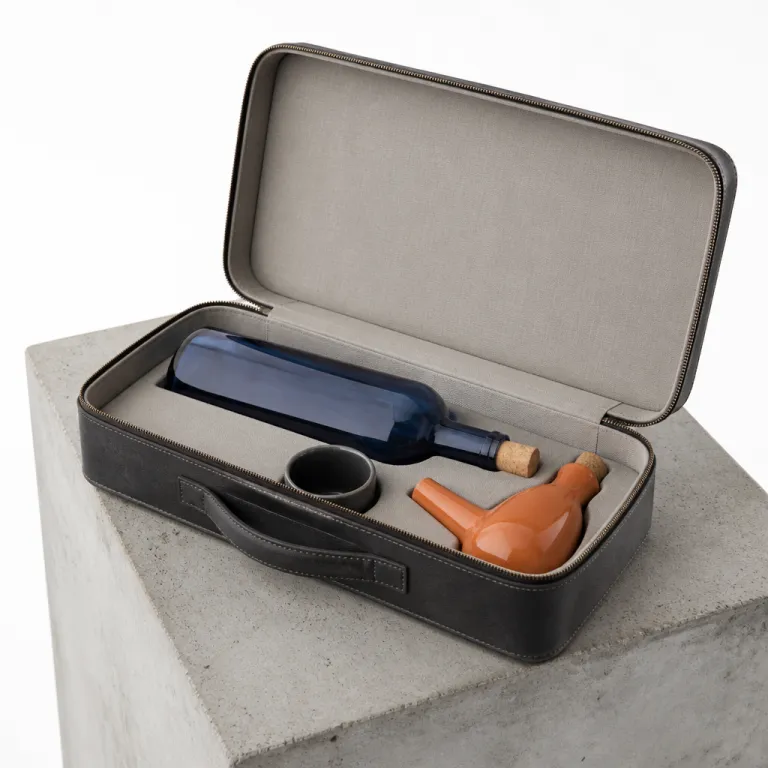
Spain wine olive oil gastro tour route as a new way to travel
Spain has quietly built a wine and olive oil gastro route model that feels both rooted and refreshingly modern. Across the country, wine routes now run parallel to olive oil trails, turning a simple tour into a layered experience of landscape, agriculture, and table. For couples used to choosing between vineyard weekends and food and wine city breaks, this combined route offers the best of both worlds with fewer compromises.
The Spanish Association of Wine Cities (ACEVIN) now coordinates thirty eight official wine routes, while the Spanish Association of Olive Oil Municipalities (AEMO) steers oleotourism and oil tour development in key olive regions. According to ACEVIN’s 2023 barometer and AEMO’s latest route inventory, this shared framework means a traveler can follow one coherent itinerary that links wineries, olive groves, mills, and dining rooms under a single gastro narrative. It is a Spain wine olive oil gastro tour route that respects terroir, yet understands that modern travelers want culture, tasting, and landscape in one seamless experience.
Spain produces around 1.3 million tons of olive oil each year, making it the world’s leading producer and a natural stage for olive oils tourism.[1] Those numbers translate into real choice on the ground, from small family oil producers to larger estates with polished visitor centers and detailed oil production tours. When you add wine regions like Rioja, Ribera del Duero, Priorat, and Jerez to this olive backdrop, the Spain wine olive oil gastro tour route becomes a serious alternative to more expensive French or Italian circuits.
Planning a combined wine and olive oil route in Andalusia and Castilla Mancha
Andalusia is where the Spain wine olive oil gastro tour route feels most intense, because olive trees dominate the hills and sherry vineyards fringe the coast. Start in Jaén, often called the world capital of olive oil, where endless olive groves roll over soft ridges and every village seems to host a mill. Here, an oil tour typically includes a walk among local olive varieties, a look at traditional stone presses, and a guided tasting of extra virgin and virgin olive oils in a white tiled sala.
From Jaén, couples can drive north east into Castilla-La Mancha, or Castile Mancha as older maps still label the region, stitching together wineries and mills into one elegant route. In this plateau region, tempranillo vineyards share the horizon with silver green olive trees, and many estates now offer combined wine and olive oil tastings that highlight shared soils and climate. A well planned Spain wine olive oil gastro tour route here might pair a morning cellar visit with an afternoon oil production workshop, followed by a dinner built around rich flavors of locally produced oils and structured red wine.
For those who prefer to let others handle logistics, several tours Spain operators now design itineraries that link Andalusia with Castilla-La Mancha under a single gastro theme. Their website pages often highlight which estates focus on extra virgin quality, which emphasize aging in amphora or oak, and which offer the best photo vantage points over the olive groves at sunset. When researching, read article style guides from ACEVIN and AEMO, because these organizations quietly set standards and promote routes that genuinely support rural culture and local oil producers. As one Jaén mill owner likes to tell visitors, “If you follow the official route signs, you are already helping the villages stay alive.”
Why wine and olive oil belong on the same Spanish route
Pairing wine and olive oil on one Spain wine olive oil gastro tour route is not a marketing trick; it reflects how Spanish households actually eat. In most regions, the same families who tend vines also care for olive trees, and the same co operative might handle both grape and olive processing. This shared agricultural base means that when you sit down for a tasting, you are tasting one landscape expressed through different liquids.
From a sensory perspective, the combination is compelling because structured red wine, saline white wine, and peppery extra virgin olive oil all speak of soil, altitude, and climate. A guided session might begin with a flight of Spanish olive oils, moving from delicate arbequina to robust picual, before shifting to local wine varieties that echo those rich flavors in the glass. The result is an experience where food wine pairing becomes a conversation about oil olive bitterness, wine acidity, and how both change with aging in barrel or stainless steel.
This fusion also makes economic sense for rural communities, because a single visitor can now support multiple locally produced products in one tour. Instead of driving only to a cellar door, travelers visit mills, buy olive oil directly from oil producers, and often stay longer in the region. One Navarra producer sums it up simply: “If guests taste our wine and our oil in the same hour, they remember the village, not just the label.” For a deeper sense of how terroir narratives travel globally, compare this Spanish model with the Andean vineyards described in this Uco Valley wine country guide, then return to Spain with a sharper eye for how culture, climate, and craft intersect.
The mill visit: from harvest to extra virgin tasting
A highlight of any Spain wine olive oil gastro tour route is the first serious mill visit, because it demystifies what sits in that dark green bottle on your table. Arrive early in the harvest season and you will see tractors unloading crates of olive, hear the hum of machinery, and smell a grassy sweetness that feels almost like crushed tomato leaves. Guides walk you through reception, washing, grinding, malaxation, and centrifugation, explaining how time, temperature, and oxygen control separate extra virgin from ordinary oil.
During the technical part of the oil tour, you learn why virgin olive categories matter, and how defects appear when fruit is bruised or processing is delayed. Many Spanish mills now use stainless steel tanks with inert gas to protect their oils, mirroring the way modern wineries manage wine aging to preserve aromatics. The best visits end in a tasting room where blue glasses hide the oil color, forcing you to focus on aroma, bitterness, and pungency rather than visual cues.
After tasting several olive oils side by side, you begin to recognize how different regions and varieties express themselves, just as grape varieties do in wine. A robust picual from Jaén might show green banana and tomato leaf, while a softer arbequina from Catalonia leans toward almond and apple, and both can be extraordinary when drizzled over food wine pairings like grilled vegetables or simple pan con tomate. For a sense of how deep time and landscape shape taste elsewhere, you can later explore ancient cellar narratives in this Pompeii winemaking revival feature, then return to Spanish mills with a renewed respect for continuity.
Itineraries that pair Rioja, Navarra, Priorat and lesser known olive regions
Not every Spain wine olive oil gastro tour route needs to start in the south; northern Spain offers its own elegant combinations. One refined option links Rioja’s structured reds with the quieter olive landscapes of nearby Navarra, where small groves sit between cereal fields and low hills. Here, a day might begin with a visit to a family run bodega, followed by a short drive to a mill pressing local olive into fragrant oil for regional stews.
In Rioja Alavesa, the Ebro river valley creates a patchwork of vineyards and scattered olive trees, and some estates now bottle both wine and Spanish olive oil under the same label. A detailed route could include a stop at a winery like Bodegas Altún, whose vineyards and cellars are mapped in this golden route through Rioja guide, then continue to a nearby mill for a comparative tasting of oils and wines. The contrast between barrel aging for tempranillo and stainless steel storage for oil olive becomes a tangible lesson in how producers shape texture and aroma.
Further east, Priorat’s steep slate slopes offer another compelling Spain wine olive oil gastro tour route, especially for couples who enjoy dramatic scenery. Terraced vineyards cling to llicorella soils, while small pockets of olive trees yield concentrated oils that mirror the intensity of the region’s garnacha and cariñena wines. A day here might involve hiking between vineyard parcels, photographing ancient olive trees at golden hour, and ending with a tasting where both wine and oil tell the same mineral, sun drenched story.
Budget, sustainability and how to choose the right Spanish gastro route
One reason the Spain wine olive oil gastro tour route model is gaining ground is cost, because Spanish regions often remain more affordable than their French or Italian counterparts. Tasting fees are generally modest, olive oil mill visits are sometimes free with a purchase, and rural guesthouses offer good value within walking distance of vineyards or olive groves. This makes it easier for couples to stretch a long weekend into a full week without sacrificing quality.
The sustainability argument is equally strong, since combined tours Spain itineraries encourage visitors to spend more time in fewer places, reducing unnecessary driving. By choosing routes endorsed by ACEVIN or AEMO, you support oil producers and wineries that commit to responsible oil production, water management, and fair labor practices.[2] Many estates now highlight their locally produced food wine offerings, from garden vegetables to house baked bread, creating a short supply chain that keeps money in the region.
When planning, start with an official website for the wine route that interests you, then cross check with regional tourism portals for olive oil trails and oleotourism offers. Look for experiences that include both vineyard and mill visits, guided tasting sessions, and time with producers rather than only retail stops. To go deeper, read article style features from specialist publications that profile specific regions, such as Jaén, Ribera del Duero, or the lesser known Baena area, because these pieces often reveal which routes genuinely foreground culture, landscape, and rich flavors over simple volume tourism.
Key figures behind Spain’s wine and olive oil gastro routes
- Spain hosts thirty eight officially recognized wine routes coordinated by the Spanish Association of Wine Cities, a scale that allows travelers to design a Spain wine olive oil gastro tour route in almost every major region (ACEVIN, Wine Routes of Spain Tourism Observatory, 2023).
- Spanish olive oil production reaches around 1.3 million tons per year, making Spain the world’s leading producer and providing a deep base for olive oils tourism and oil tour experiences (International Olive Council, world olive oil figures 2022/23).
- Oleotourism initiatives now span more than nine provinces, with over one hundred structured olive oil experiences promoted under national programs, which significantly broadens the choice of mills and olive groves open to visitors (Oleoturismo España data as reported by AEMO, 2022 sector summary).
- Spain’s integrated wine and olive oil tourism strategy aims to operate year round, with planning, implementation, and evaluation phases designed to support rural economies and diversify tourism beyond peak beach seasons (Spanish tourism board and sector reports, 2021–2023).
FAQ about Spain’s combined wine and olive oil routes
What exactly is a Spain wine olive oil gastro tour route ?
A Spain wine olive oil gastro tour route is a planned itinerary that links wineries, olive groves, and mills with regional dining experiences under one coherent theme. Travelers follow a defined route through a specific region, stopping for wine tastings, olive oil tastings, and meals that highlight locally produced ingredients. The concept is coordinated nationally by bodies such as ACEVIN for wine routes and AEMO for olive oil tourism.
How can I combine wine and olive oil tours in Spain ?
Many regions offer combined tours; check local tourism boards for options. In practice, you choose a region like Andalusia, Castilla Mancha, Rioja, or Priorat, then map wineries and mills that accept visitors within reasonable driving distance of each other. Some tours Spain operators package these visits into multi day programs, while independent travelers can use official route maps and each producer’s website to book tastings directly.
What is oleotourism and how does it differ from wine tourism ?
Oleotourism is tourism focused on olive oil production and tasting experiences, usually centered on olive groves, mills, and educational sessions about oil production. While wine tourism revolves around vineyards, cellars, and wine aging, oleotourism emphasizes harvest timing, pressing technology, and sensory analysis of extra virgin and virgin olive oils. On a Spain wine olive oil gastro tour route, both forms of tourism are combined so visitors can understand how one region expresses itself through two different products.
When is the best time to visit Spanish wine and olive oil regions ?
For vineyard visits, late summer to early autumn offers ripe fruit on the vines and often mild weather, though harvest can make some wineries busier. Olive harvest typically runs from late autumn into winter, which is the most instructive time to see oil production in action and taste freshly pressed oils. If you want both experiences on one Spain wine olive oil gastro tour route, aim for the shoulder weeks when grape picking overlaps with the early arrival of olives at the mills.
How do these routes support sustainable rural tourism in Spain ?
Combined wine and olive oil routes encourage visitors to stay longer in rural areas, spend money directly with local producers, and travel outside peak coastal seasons. This spreads tourism income more evenly through the year and across different parts of each region, from vineyards to small villages near olive groves. By following officially recognized routes and choosing locally produced food wine experiences, travelers help maintain agricultural landscapes and cultural traditions that might otherwise be under pressure.
[1] International Olive Council, latest consolidated production data. [2] ACEVIN and AEMO route quality and sustainability criteria, summarized in recent sector reports.