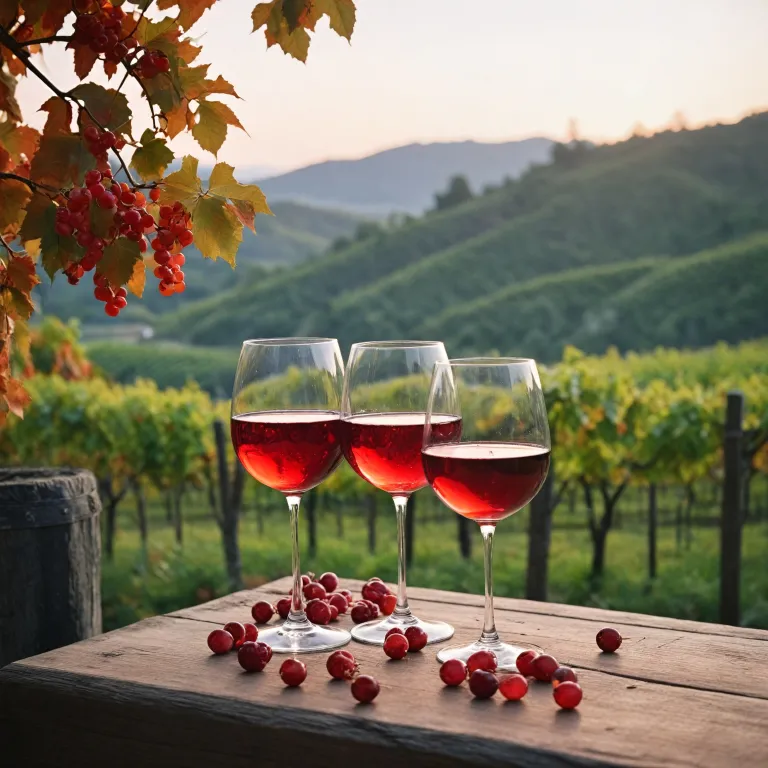
The world of red sparkling: history, grapes, and global production
Red sparkling wines have a captivating history that stretches from the rolling hills of Emilia-Romagna in Italy to the sun-drenched vineyards of South Australia. These wines are crafted from red grapes such as lambrusco, brachetto, and shiraz, each contributing distinct fruit flavors and bubbles to the final product. The interplay between the effervescence of sparkling and the depth of red wine creates a unique tasting experience that appeals to both seasoned wine enthusiasts and those new to the world of wine sparkling.
Production methods vary, with the traditional method (Méthode Champenoise) and the Charmat method (tank method) being the most prominent. These techniques influence the residual sugar, body light, and overall flavors of the sparkling red. The global production of red sparkling wines now exceeds 5,000,000 bottles per year, reflecting a growing appreciation for these wines. Italy, especially the regions producing lambrusco and brachetto d’acqui, remains a leader, but Australia’s sparkling shiraz and other countries’ innovations have expanded the styles available to consumers.
Red sparkling wines range from dry to sweet, with light, medium, and even richer bodies. The diversity of grapes sparkling and the influence of terroir ensure that each bottle offers a different taste journey. Whether you prefer the light-medium body of a dry lambrusco or the sweet, aromatic notes of brachetto acqui, there is a style to suit every palate. The rise of organic and biodynamic production methods further enhances the appeal, offering wines that reflect both tradition and innovation.
For those seeking to deepen their understanding, visiting renowned regions and engaging with local winemakers provides invaluable insights into the nuances of red sparkling. The cultural significance and enjoyment of these wines continue to grow, making them a must-explore category for any wine club or traveler passionate about vineyard experiences.
Exploring the styles: from lambrusco to sparkling shiraz
The spectrum of red sparkling styles is as broad as it is intriguing. Lambrusco, hailing from Italy’s Emilia-Romagna, is perhaps the most iconic, available in dry, sweet, and everything in between. Its light to medium body and vibrant bubbles make it a favorite for casual gatherings and festive occasions alike. Brachetto, particularly brachetto d’acqui, offers a sweet, aromatic profile with pronounced fruit flavors, making it an excellent companion for desserts or as an aperitif.
Australia’s sparkling shiraz stands out for its bold, spicy character and deep red hue. This style, crafted from shiraz grapes, delivers a robust taste with layers of dark fruit and subtle sweetness, balanced by lively bubbles. Sparkling wines made from pinot noir and other red grapes add further diversity, offering lighter, more delicate expressions that highlight the versatility of red sparkling.
Each style is defined by its balance of residual sugar, acidity, and bubbles, resulting in wines that can be light, medium, dry, or sweet. The production method—whether traditional or Charmat—also plays a crucial role in shaping the final taste and mouthfeel. Wine clubs often feature curated selections of sparkling reds, allowing members to explore the full range of styles and flavors from around the world.
For those interested in learning more about the nuances of these wines, this guide to sparkling wine styles offers a comprehensive overview. Whether you are drawn to the light-medium body of a dry lambrusco or the sweet allure of brachetto, the world of red sparkling is rich with possibilities for exploration and enjoyment.
Pairing red sparkling with cuisine: enhancing flavors and experiences
Red sparkling wines are celebrated for their remarkable versatility at the table. Their lively bubbles and fruit flavors make them an excellent match for a wide array of dishes, from charcuterie and grilled meats to spicy cuisine. The light to medium body of many sparkling reds allows them to cut through rich flavors, while the residual sugar in sweeter styles balances heat and spice.
Dry lambrusco, with its crisp acidity and subtle tannins, pairs well with cured meats, hard cheeses, and even pizza. Brachetto acqui, known for its sweet, aromatic profile, complements chocolate desserts and fresh berries. Sparkling shiraz, with its robust structure and deep flavors, is ideal alongside barbecued meats and hearty stews. The diversity of red sparkling wines ensures that there is a perfect match for every course and occasion.
When planning a wine and food pairing, consider the style, sweetness level, and body of the wine. Light-medium sparkling reds are best served chilled, between 7–13°C, in flute or tulip-shaped glasses to preserve the bubbles and concentrate the aromas. As noted in the expert dataset, “Red sparkling wines pair well with a variety of foods, including charcuterie, grilled meats, and spicy dishes.”
For further inspiration on pairing options and to expand your culinary adventures, explore this comprehensive food and wine pairing resource. Whether you are hosting a dinner party or enjoying a quiet evening, red sparkling wines offer endless possibilities for elevating your dining experience.
Vineyard travel: regions and experiences for red sparkling enthusiasts
Embarking on a vineyard journey focused on red sparkling wines offers a unique opportunity to immerse yourself in the culture and craftsmanship behind these effervescent reds. Emilia-Romagna in Italy is a must-visit for lambrusco lovers, with its picturesque landscapes and centuries-old winemaking traditions. The region’s producers welcome visitors for tastings, tours, and insights into the nuances of lambrusco styles, from dry to sweet and everything in between.
Brachetto acqui enthusiasts will find the rolling hills of Piedmont equally enchanting. Here, the combination of terroir and traditional methods yields wines with captivating aromas and flavors. In Australia, South Australia’s Barossa and McLaren Vale regions are renowned for their sparkling shiraz, offering immersive experiences that highlight the bold character and innovation of Australian winemaking.
Wine clubs and organized tours often provide curated itineraries that include visits to top producers, hands-on blending sessions, and opportunities to learn about the production methods that shape the bubbles, body, and flavors of red sparkling wines. Engaging with winemakers and producers deepens your appreciation for the artistry and expertise involved in crafting these wines.
For those planning a trip, consider integrating a visit to a renowned vineyard or participating in a local wine club event. These experiences not only enhance your understanding of red sparkling wines but also connect you with the vibrant communities that sustain this dynamic segment of the wine world.
Production methods and innovations in red sparkling wines
The production of red sparkling wines is a blend of tradition and innovation. Winemakers employ both the traditional method and the Charmat method to create wines with distinct bubbles, flavors, and textures. The choice of method influences the wine’s residual sugar, body light, and overall style, allowing for a wide range of expressions from dry to sweet.
Traditional method sparkling reds undergo secondary fermentation in the bottle, resulting in fine, persistent bubbles and complex flavors. This approach is often used for premium styles, including some sparkling shiraz and high-quality lambrusco. The Charmat method, which involves secondary fermentation in a pressurized tank, produces wines with brighter fruit flavors and a fresher, more approachable profile. Both methods are used to highlight the unique characteristics of red grapes such as lambrusco, brachetto, and pinot noir.
Innovation is driving the evolution of red sparkling wines, with producers experimenting with new blends, organic practices, and even canned formats for convenience. The rise of biodynamic and sustainable viticulture reflects a commitment to quality and environmental stewardship. As noted in the dataset, “Development of new blends and production techniques to enhance flavor profiles and meet consumer preferences” is a key trend shaping the future of red sparkling wines.
These advancements ensure that red sparkling wines remain relevant and exciting for both traditionalists and modern consumers. Whether you prefer the classic elegance of a traditional method sparkling wine or the vibrant freshness of a Charmat-style red, the world of red sparkling continues to evolve, offering new experiences with every bottle.
Red sparkling wine clubs: joining the community of enthusiasts
Wine clubs dedicated to red sparkling wines provide a gateway to exclusive selections, educational resources, and a vibrant community of fellow enthusiasts. Membership often includes access to limited-release wines, curated tasting notes, and invitations to special events such as vineyard tours and winemaker dinners. These clubs are an excellent way to explore the diversity of sparkling red wines, from dry lambrusco to sweet brachetto and bold sparkling shiraz.
Many clubs offer themed shipments that highlight different styles, regions, and production methods. This approach allows members to experience the full spectrum of red sparkling, from light-medium body wines with delicate bubbles to richer, more robust expressions. Educational content, including pairing guides and virtual tastings, enhances the learning experience and deepens your appreciation for the nuances of red sparkling wines.
Joining a wine club also provides opportunities to connect with producers, learn about the latest innovations, and participate in exclusive events. Whether you are a seasoned collector or new to the world of sparkling wines, these clubs offer a supportive environment for expanding your palate and knowledge. The sense of community and shared passion for red sparkling wines is a key benefit of membership.
For those interested in joining, research clubs that align with your preferences and offer a diverse selection of red sparkling wines. Many clubs now feature organic and biodynamic options, reflecting the growing demand for sustainable and authentic wine experiences. Engaging with a wine club is an excellent way to stay informed about new releases, trends, and the best wines from around the world.
Serving and enjoying red sparkling: best practices and tasting tips
Serving red sparkling wines correctly enhances their flavors, bubbles, and overall enjoyment. These wines are best served chilled, typically between 7–13°C, which preserves the effervescence and accentuates the fruit flavors. Flute or tulip-shaped glasses are recommended, as they concentrate the aromas and maintain the lively bubbles that define sparkling wines.
The style and sweetness level of the wine should guide your serving choices. Dry lambrusco and sparkling shiraz benefit from a slightly cooler temperature, while sweeter styles like brachetto acqui can be served a bit warmer to highlight their aromatic complexity. “Red sparkling wines are best served chilled, typically between 45-55°F (7-13°C), in flute or tulip-shaped glasses to preserve the bubbles and concentrate the aromas.”
When tasting, observe the color and bubbles, then swirl gently to release the aromas. Take note of the balance between acidity, residual sugar, and body light or medium. The interplay of fruit flavors, bubbles, and structure is what sets red sparkling apart from other wines. Experiment with different food pairings to find combinations that enhance both the wine and the dish.
For those looking to expand their tasting repertoire, consider organizing a comparative tasting of various styles, such as dry lambrusco, sparkling shiraz, and brachetto acqui. This approach allows you to appreciate the diversity of red sparkling wines and identify your personal favorites. Whether enjoyed on their own or as part of a meal, red sparkling wines offer a dynamic and memorable tasting experience.
Key statistics on red sparkling wines
- Global production of red sparkling wines: 5,000,000 bottles per year
- Average alcohol content of red sparkling wines: 12.5% ABV
- Rising popularity in the United States and Asia
- Increased production of organic and biodynamic red sparkling wines
- Development of canned red sparkling wines for convenience
Frequently asked questions about red sparkling wines
What foods pair well with red sparkling wines?
Red sparkling wines pair well with a variety of foods, including charcuterie, grilled meats, and spicy dishes.
Are red sparkling wines sweet or dry?
Red sparkling wines can range from dry to sweet, depending on the production method and grape varieties used.
How should red sparkling wines be served?
Red sparkling wines are best served chilled, typically between 7–13°C, in flute or tulip-shaped glasses to preserve the bubbles and concentrate the aromas.
References: International Wine Organization, Wine Spectator, Wine Enthusiast