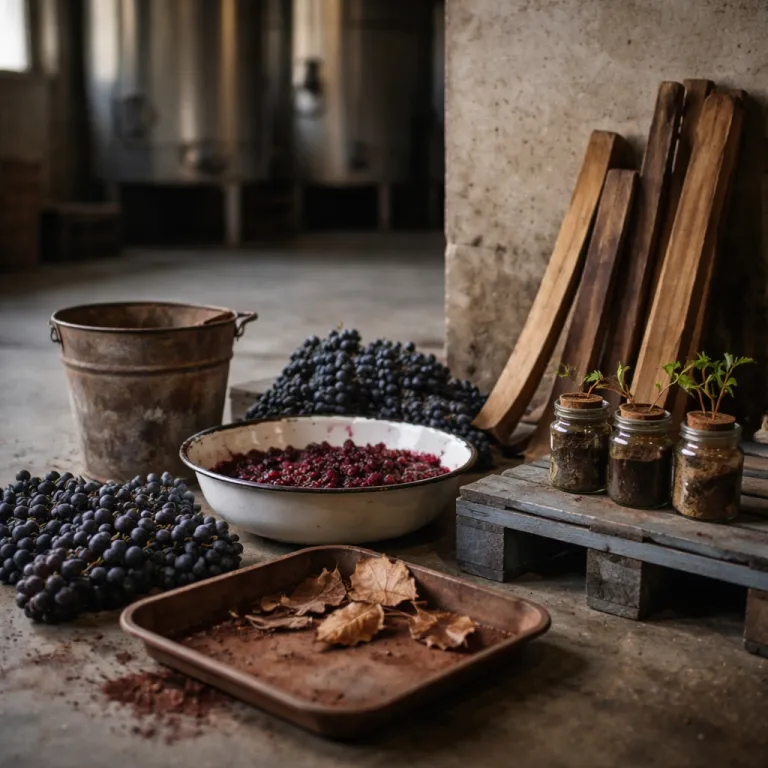
The Future of Wine Tourism Experiences
From scripted tours to meaning rich encounters in the vineyard
The classic winery tour died the moment it became interchangeable. When every wine tourism visit followed the same 45 minute script, the experiences blurred into a single stainless steel memory and the industry quietly trained wine tourists to expect less. The future of wine tourism experiences is being written by properties willing to abandon volume, accept fewer visits and rebuild the vineyard encounter from the soil up.
What killed the old model was not only over standardization but also the way the tourism market treated the winery as a checklist stop between lunch and a photo opportunity. As global wine travel grew into a multi USD billion segment, too many wineries chased the group tour bus and priced their tours like commodities, eroding both luxury positioning and local character. The result was a global wine tourism industry where a tour in the south of France felt eerily similar to a tour in South Africa or Napa Valley, despite wildly different wine regions and vineyard histories.
Today the most interesting vineyard tours in France, from the Côte de Beaune to the south around Bandol, are built around narrative rather than infrastructure. A serious winery now designs its wine tours as experiential travel, with the winemaker or a senior member of the équipe walking a small group through specific vineyard rows, explaining why this slope catches the afternoon sun differently and how that shapes the future wine in your glass. These tours are not about highlight wine lists or a quick report of fermentation temperatures; they are about context, memory and a level of wine education that respects both the guest and the land.
The business data supports this pivot away from volume. According to the Global Report on Wine Tourism (UNWTO, 2016, pp. 18–19), around two thirds of wineries in surveyed regions now find wine tourism profitable, and on average roughly a quarter of their revenue comes from tourism related activities, a structural shift that has turned the cellar door into a strategic profit center rather than a side activity. That tourism report confirms what serious travelers already feel on the ground; the future of wine tourism experiences rewards depth over breadth and encourages wineries to charge more per visit while hosting fewer guests. For the traveler, this means that a higher ticket often signals a more carefully curated tour rather than simple price inflation.
Technology is accelerating this transformation without replacing the vineyard itself. The most forward thinking wine regions are using virtual tours and augmented reality as pre visit tools, allowing wine tourists to explore maps, soil profiles and cellar layouts before they travel so that the on site tour can focus on sensory experiences and human connection. As one industry FAQ now puts it with disarming clarity, “How is technology changing wine tourism? Through virtual tours and augmented reality that prepare visitors for what truly matters in the vineyard.”
France’s new playbook for immersive wine travel
France has become a laboratory for the future wine tourism industry, precisely because its heritage could so easily have trapped it in tradition. In Bordeaux, Burgundy and the Loire, the most interesting wineries are quietly rewriting the rules of wine tourism by designing visits that feel more like editorial features than factory tours. The best vineyard tours now read as a report on place, people and purpose rather than a market pitch for the latest cuvée, and the most thoughtful wine tours in France are studied closely by destinations from Napa Valley to South Africa.
In Burgundy, for example, a serious domaine might cap its group size at six and start the tour not in the cellar but in a single vineyard parcel, asking guests to taste two wines while standing between the rows that produced them. At Domaine de la Romanée-Conti, for instance, private visits often begin with a walk through grand cru vines before any barrel is shown, while smaller estates in the Côte de Beaune follow a similar pattern with their own climats. That simple shift turns wine education into a sensory investigation, linking soil, slope and climate to the glass in your hand and creating experiences that no virtual reality headset can replicate. It also allows the winery to justify a higher fee, because the value lies in interpretation, not in pouring more wine.
The same pattern is visible in the Loire’s emerging luxury segment, where properties pair vineyard walks with wine food pairings built around local ingredients and long table lunches. At Domaine Huet in Vouvray or Château de Fesles in Anjou, guests might move from a morning tour among biodynamic parcels to a seasonal lunch featuring goat’s cheese from a neighbouring farm and vegetables from the estate garden. Here, authenticity sustainability is not a slogan but a structure; the menu changes with what the neighbouring farms can supply, and the winery uses the meal to explain its environmental commitments in concrete terms. For the tourism market, this is a subtle but important shift from selling a tour to curating a half day of experiential travel that integrates wine, food and landscape.
Digital tools are supporting this evolution without turning visits into screen time. Many French wineries now use mobile apps and social media not to broadcast promotions but to share behind the scenes footage of pruning, bottling and harvest, priming wine tourists for a more informed on site conversation. At Château Palmer in Margaux, for example, short videos on cover crops and biodiversity prepare guests to ask sharper questions once they arrive. When guests finally travel to the vineyard, the tour can skip the basic explanations and move straight to nuanced questions about soil management, water use and long term sustainability in a warming climate.
For travelers planning a French itinerary, the most reliable signal of this new approach is how a property describes its tours. Look for language that emphasizes small groups, time in the vineyard and direct access to the winemaker, rather than generic promises of “cellar visits” and “tastings of three wines.” When researching Napa Valley for comparison, a carefully curated guide to the most beautiful wineries shows how design, landscape and narrative can align to create luxury experiences that still feel grounded and local. The same principles now define the most compelling French wine tours, even if the architecture is older and the marketing more discreet.
Travelers who care about detail should also pay attention to how a winery talks about its place in the global wine tourism industry. Properties that reference the broader tourism report landscape, speak openly about their environmental certifications and explain how they manage visits to protect both staff and vines are usually the ones thinking hardest about the future of wine tourism experiences. As one Loire estate director recently summarized in an internal case study, “We limit visits not to create scarcity, but to keep the vineyard healthy and the conversation honest.” In France, as elsewhere, the future wine traveler will reward that transparency with loyalty and repeat travel.
How to tell real immersion from repackaged tours
Not every “immersive” vineyard tour deserves the label, and the gap between marketing and reality is widening as the tourism industry chases experiential travel trends. Many wineries have simply stretched the classic 45 minute tour to 90 minutes, added a cheese plate and a social media friendly photo spot, then doubled the price. For a traveler investing serious time and USD in wine tourism, learning to read the signals between genuine immersion and repackaged tours is now essential.
Start with group size and access. A winery that caps its tours at eight guests and guarantees time with a winemaker or viticulturist is structurally different from one that runs back to back groups of twenty led by seasonal staff reading from a script. The former model treats wine education as a core part of the experience and usually integrates the vineyard itself, while the latter still behaves like a volume driven tourism market operator.
Next, examine how the experience uses place. Authentic vineyard tours in France, whether in Champagne or the south around Languedoc, will spend at least a third of the time outside among the vines, even in less than perfect weather. If the tour never leaves the tasting room or production hall, you are buying a report on stainless steel, not on terroir, and the future wine in your glass will feel strangely disconnected from the land.
Pricing can also be revealing when read correctly. Higher fees are not automatically a sign of luxury, but when a winery explains that it limits visits to protect the vineyard, pays a qualified équipe to host guests and invests in sustainability, the economics begin to make sense. In a global wine tourism industry where demand is rising faster than capacity, charging more for fewer tours can be the only way to maintain authenticity sustainability and avoid turning the property into an amusement park.
Look too at how the winery positions food. The most thoughtful wine food experiences use local ingredients to deepen the story of the place, whether through a simple picnic among the vines or a multi course pairing in a farmhouse dining room. When the menu feels generic and disconnected from the vineyard, you are likely in a tourism industry product designed for volume rather than meaning.
Social channels offer another filter. Wineries that use social media primarily to showcase sunsets, décor and large group parties are usually selling atmosphere first and wine second, while those that share pruning decisions, soil profiles and harvest challenges are signaling a more serious approach. If you are planning celebratory wine tours with friends, a well structured guide to crafting unforgettable winery tour celebrations can help you balance conviviality with substance so that the experiences feel festive without becoming superficial.
Finally, ask how the winery measures success. Properties that talk only about visitor numbers and USD billion contributions to the tourism market are still thinking like volume players, while those that reference guest feedback, repeat visits and long term relationships are aligning with the future of wine tourism experiences. In a sector where a thoughtful tourism report now matters as much as a critic’s score, the most interesting wineries are those that treat each tour as the start of a conversation, not the end of a transaction.
Why fewer guests and higher prices can mean better wine travel
The quiet revolution in wine tourism economics is easy to miss from the outside. Many travelers see only the rising prices for vineyard tours and assume simple opportunism, especially in famous wine regions where demand already outstrips supply. The reality on the ground is more nuanced and, for serious wine tourists, ultimately beneficial.
For a working winery, every tour is both an opportunity and a cost. Hosting a group in the middle of harvest or bottling diverts the équipe from critical tasks, and in regions like Bordeaux or the Rhône, where parcels are scattered across several kilometres, the logistics of moving guests between vineyard and cellar are non trivial. When the tourism industry pushed for ever more visits per day, the result was predictable; scripted experiences, exhausted staff and a creeping sense that tourism was undermining the very authenticity it claimed to celebrate.
The new model, visible from Napa Valley to the south of France and parts of South Africa, accepts that fewer, better designed tours can generate more stable revenue and stronger long term relationships. A winery that charges a premium for a two hour, small group visit including detailed wine education, a focused tasting and a vineyard walk may host only a fraction of the visitors it once did, yet still contribute more to the global wine tourism market in USD terms. That shift aligns with the Global Report on Wine Tourism (UNWTO, 2016, p. 24), which notes that a growing share of winery income now comes from tourism, not just from selling bottles through traditional channels.
For the traveler, this means recalibrating expectations. The future of wine tourism experiences will feel less like a casual drop in and more like a scheduled appointment with a specialist, where your time is respected and the content is tailored. Casual visitors may find fewer options for spontaneous tours, but committed enthusiasts will gain access to deeper conversations, library wines and sometimes even hands on activities such as blending workshops or short harvest stints.
This economic realignment also supports environmental goals. By limiting visits and designing tours around specific time slots, wineries can better manage traffic, reduce pressure on fragile vineyard roads and integrate sustainability measures such as electric shuttles or shared transport between neighbouring properties. In regions where tourism report data already shows strain on infrastructure, this kind of coordinated planning between wineries, local authorities and technology providers is becoming a competitive advantage.
Looking ahead, the most interesting opportunities sit at the intersection of digital and physical experiences. Virtual tours and augmented reality previews will handle the basic orientation, while on site visits focus on what cannot be digitized; the feel of limestone underfoot, the smell of a damp cellar, the cadence of a winemaker explaining why a particular parcel will never be irrigated. As one industry FAQ reminds us, “Why is sustainability important in wine tourism? To meet consumer demand and protect the environment.” The future wine traveler who understands that equation will be willing to pay more, travel more thoughtfully and, in return, receive wine tourism experiences that feel genuinely rare.
Key figures shaping the next chapter of wine tourism
- According to the Global Report on Wine Tourism (UNWTO, 2016, p. 18), 66% of wineries in participating regions now describe wine tourism as profitable, a clear signal that the tourism industry has become a strategic revenue pillar rather than a marginal sideline.
- The same tourism report notes that, on average, 25% of winery revenue now comes from tourism related activities, confirming that visits, tours and on site sales are reshaping the global wine market structure.
- Industry analyses from Travel And Tour World (2023) estimate that global wine tourism already represents several USD billion in annual value, with projections for steady growth as experiential travel outpaces traditional package tourism in key wine regions.
- Sector forecasts highlight that digital experiences such as virtual tours and augmented reality will expand significantly over the next few years, complementing physical vineyard tours rather than replacing them and helping wineries manage demand more sustainably.
- Consumer research summarized in Wine Tourism industry analysis (2022) shows that travelers who engage in deeper wine education during their visits are more likely to become long term customers, increasing direct to consumer sales and improving the overall ROI of carefully curated wine tours.
Sources: UNWTO, Global Report on Wine Tourism (2016); Travel And Tour World (2023); Wine Tourism industry analysis (2022). Figures and page references are based on the most recent publicly available editions at the time of writing.