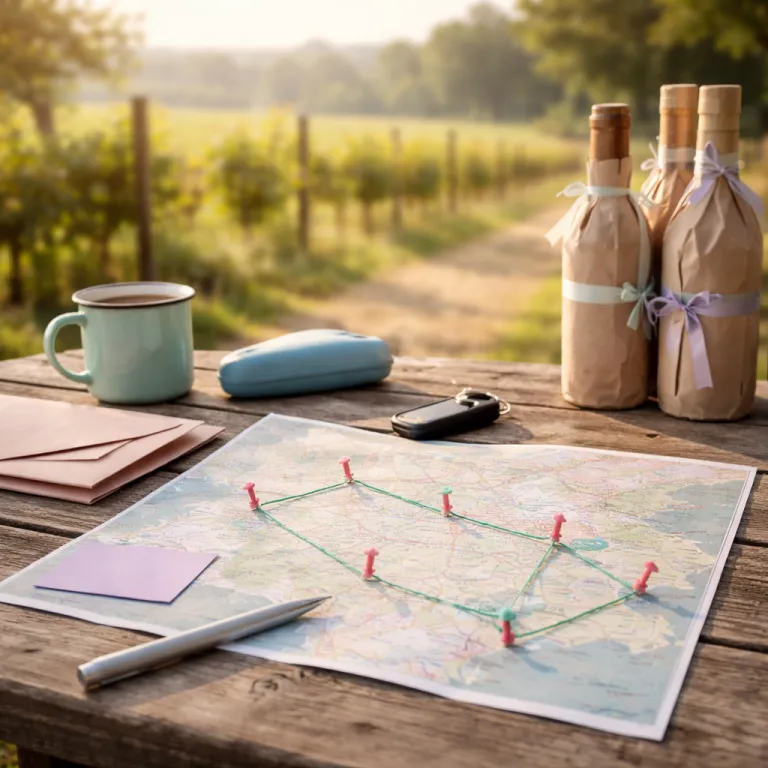
Designing your California wine country itinerary with purpose
Planning a California vineyard trip starts with deciding why you are going. A couple seeking to enjoy a romantic escape in wine country will design a very different visit from travelers chasing rare bottles or deep cellar access. Before you map out the details, write down whether your priority is wine education, slow scenic drives, or ambitious tasting appointments that showcase limited production wines.
For most couples, the sweet spot is two or three wineries per day, which aligns with guidance from regional tourism boards that the average number of wineries visited per day should stay close to 2.5. Industry surveys also suggest that you should limit visits to 2–3 to avoid fatigue, because palate overload ruins the subtle taste differences that make great wines memorable. When you sketch your tasting schedule, protect long lunches and at least one unscheduled afternoon to simply wander a vineyard or sit with a glass of wine in a quiet garden.
Think in terms of wine regions rather than a single famous valley, because California offers distinct characters from Sonoma to Paso Robles and Santa Barbara County. Each region rewards a different style of travel, from compact wine trail routes with short drives to more rural vineyard estates that require longer transfers. Decide whether you want one inn as a base for several nights or a progressive route that moves you between valleys, and remember that changing rooms and towns every day can erode the relaxed rhythm that makes wine tours feel luxurious.
Booking timeline and securing the right tastings
The most overlooked part of organizing a vineyard itinerary in California is timing your reservations. Top tier wine tasting experiences in Napa Valley, Sonoma Valley, and Santa Barbara County now often require booking several weeks in advance, especially for seated tasting formats or vineyard walks with the winemaker. A safe rule is to reserve headline wineries and your preferred inn or country guesthouse at least one to two months before your travel dates, and longer for holiday weekends.
Planning guidance from Wine Travel Guides and regional groups such as Napa Valley Vintners and Sonoma County Vintners indicates that you should plan 2–4 weeks ahead for a standard wine country escape, yet couples chasing limited production wines or private tasting room access often benefit from planning three months ahead. Visit California’s 2023 wine tourism brief and local tourism offices note that roughly 70–80% of vineyards now require reservations, which means you cannot rely on spontaneous walk-ins, particularly on weekends or during harvest. Morning is the best time to taste wine, most wineries open at 10 a.m., so secure those early slots first, then build the rest of your day around them.
Call or email the winery directly when you care about a specific experience, such as a vineyard tour that includes a barrel tasting or a comparative flight of older vintages. Ask clearly about the length of each tasting, whether the visit includes a cellar tour, and if there are any dining options on site or nearby. This level of detail lets you avoid rushing, keeps your schedule realistic, and ensures that every tasting feels like a considered experience rather than a box ticked.
Route logic, the three winery rule, and pacing your days
Thoughtful route design is where planning a vineyard trip becomes an art rather than simple logistics. Instead of simply clustering wineries by map proximity, group them by appellation and style so you can experience wine from a coherent slice of terroir in a single day. In Napa Valley, that might mean focusing one day on cooler southern vineyards, then another on hillside sites with stunning views and more structured wines, with a scenic drive between them.
The three winery rule is non-negotiable if you care about quality over quantity, because a maximum of three wineries per day allows proper tastings; four is the absolute upper limit. This aligns with the guideline that you should limit visits to 2–3 to avoid fatigue, which protects both your palate and your ability to drive safely between stops. Build at least ninety minutes for each tasting, add travel time between properties, and leave a generous window for a slow lunch where you can enjoy local produce without rushing back to the car.
Alternate more intense, educational tastings with relaxed stops where you simply sit in a tasting room or on a terrace and enjoy the scenery. In regions with a defined wine trail, such as parts of Sonoma County or the Santa Ynez Valley, choose two anchor wineries, then add one smaller, family-run property where you can talk directly with vineyard staff. A simple sample day might look like this: 9:30 a.m. departure, 10:00–11:30 a.m. first tasting (about $40–$60 per person), 11:45 a.m.–1:15 p.m. lunch, 1:30–3:00 p.m. second tasting, 3:30–5:00 p.m. final winery, then a short drive back to town. This rhythm gives you both polished hospitality and authentic local encounters, which is exactly what most couples seek from a wine country escape.
Transport, safety, and choosing where to stay
Transport is the unglamorous backbone of any vineyard vacation, yet it shapes every tasting you book. Ride-sharing apps often fail in remote vineyard areas, so local drivers or wine tour services are essential; do not assume you can summon a car from any valley hillside. In rural wine regions, pre-booking a driver or joining small group wine tours is usually safer and more relaxing than self-driving, especially if you plan to taste at multiple wineries.
Use a mix of options depending on the region, because peri-urban areas near towns like Healdsburg or Paso Robles may support taxis, while more remote vineyards require dedicated transportation. Many travel agencies and local guides now offer customizable tasting itineraries, which can be efficient if you want to visit three wineries in different corners of a large region. In Napa Valley, for example, couples often use local operators such as Beau Wine Tours or Pure Luxury Transportation for private drivers, while in Sonoma County small group shuttles and curated wine routes are common. Always confirm whether your driver is comfortable navigating winery access roads and whether waiting time between stops is included in the quoted cost.
When choosing where to sleep, prioritize proximity to your final winery of the day and access to good dining options within walking distance. A characterful inn in a small wine country town often gives you the best of both worlds, with a quiet room and easy access to restaurants and tasting rooms. This approach lets you enjoy a final glass of wine with dinner without worrying about driving, and it keeps the end of each day as gentle as the vineyard sunsets you came to see.
Handling changes, social sharing, and making the trip your own
Even the best laid version of a vineyard itinerary will face last-minute shifts, from weather changes to winery staffing issues. When plans change, contact the winery as early as possible, because courteous cancellation etiquette protects both your reputation and their ability to rebook the tasting. Many properties now offer virtual wine tastings or alternative flights in the tasting room if a vineyard tour is rained out, so ask what flexible options exist and note any fees in advance.
Build a short list of backup wineries in each valley or region, ideally places with year-round opening hours and slightly more relaxed booking policies. Keep their phone numbers and reservation links saved, along with notes on the style of wines and whether they offer food pairings or simple snacks. This way, a cancelled visit becomes an opportunity to experience wine from a new producer rather than a lost day, and your overall itinerary still feels intentional.
Finally, think about how you will remember and share the trip, whether through a private photo album or curated posts on Facebook and Instagram that highlight meaningful moments rather than every glass of wine. Take a quick note after each tasting about one vineyard row, one conversation with vineyard staff, or one particular flavor that moved you. Those details, more than any checklist of wineries, are what turn a standard wine country break into a personal chapter in your ongoing relationship with California vineyards.
Key statistics for planning a vineyard trip
- Average number of wineries visited per day on a well-paced itinerary is about 2.5, which aligns with the recommendation from regional tourism groups to limit visits to 2–3 to avoid fatigue.
- Estimates from Visit California and local wine associations suggest that roughly 70–80% of vineyards now require reservations for wine tasting, making advance booking essential for popular wine regions.
- Typical planning guidance from Wine Travel Guides and regional vintners’ associations suggests organizing your vineyard trip 2–4 weeks ahead, with longer lead times for premium tastings and peak seasons.
Common questions about planning vineyard travel
How many wineries should I visit in a single day ?
Limit your schedule to two or three wineries per day, which matches the guideline from regional tourism offices that you should cap visits at 2–3 to avoid fatigue and keep your palate fresh. This pace allows time for unhurried tastings, conversations with vineyard staff, and safe travel between properties. Trying to squeeze in more stops usually reduces each visit to a rushed checklist rather than a meaningful experience.
Do I really need reservations for wine tastings ?
Yes, most vineyards require advance bookings, especially in renowned California wine regions where demand is high. With an estimated 70–80% of properties now operating on a reservation system, walk-in chances are limited, particularly on weekends. Booking ahead also lets you secure specific tasting formats, such as seated flights or vineyard tours, that are rarely available to spontaneous visitors.
What should I wear for a day in the vineyards ?
Casual, comfortable attire with sturdy shoes is ideal, because you may walk on gravel paths, uneven vineyard rows, or cellar floors. Layers work well in wine country, where mornings can be cool and afternoons warm, especially in valleys with significant temperature swings. Avoid fragile heels or slippery soles, and choose clothing that lets you move easily during tours and stand comfortably during tastings.
How far in advance should I start planning my vineyard itinerary ?
Begin shaping your itinerary at least two to four weeks before your intended travel dates, which aligns with general vineyard trip planning guidance from regional wine associations. If you want premium tastings at iconic wineries or are traveling during peak seasons, extend that window to two or three months. Early planning secures better time slots, more interesting tasting formats, and a wider choice of places to stay.