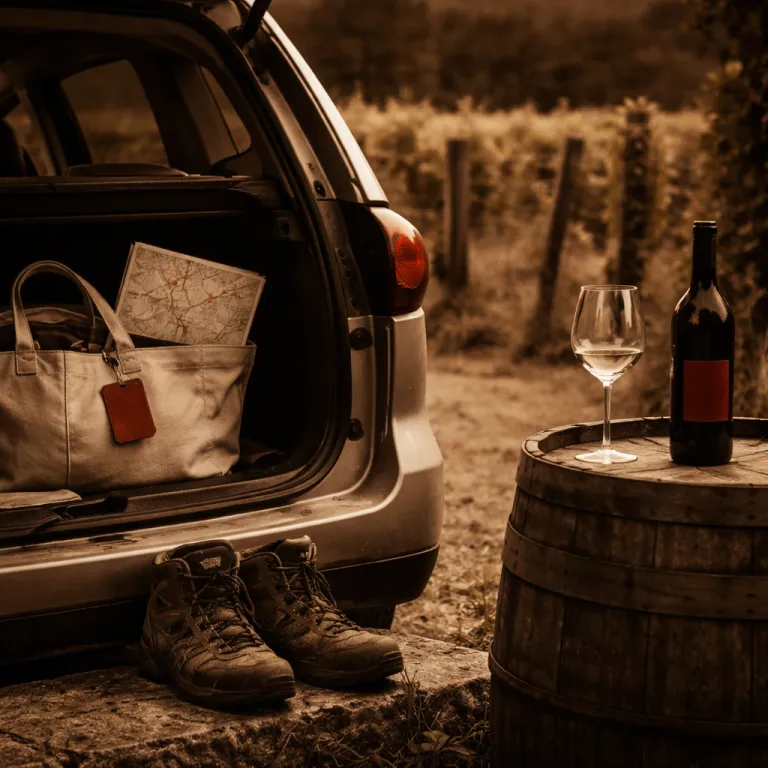
Planning your first vineyard day: reservations, timing and transport
Your first day among the vines actually begins at your laptop. Most wineries now expect a reservation for any tasting or tour, especially if you want a seated wine tasting with space for children, strollers or a larger group. Treat the booking process as your first lesson in tasting-room logistics, because the way you schedule the day will shape every glass of wine you enjoy.
When a winery lists “by appointment”, it usually means structured tasting rooms with limited capacity, not a casual bar where you can just walk in at any time. Email or call to ask what tasting options they offer, how long each tour lasts, typical tasting fees in that region, and whether first timers with a family are welcome in the tasting room or only on the outdoor terrace. Clear questions will help the vineyard staff tailor the tasting experience, and their answers will help you decide whether to book one, two or a maximum of three wineries for your first trip.
Most wineries in regions like Napa Valley or Sonoma open around 10:00, and late morning is the best time for a focused tasting when your palate is fresh and the air over the vineyard is still cool. Aim for your first wine tasting at 10:30, a second tour before lunch, and a final tasting session mid afternoon, leaving time for a proper meal and a pause between wines. Ride sharing apps often fail in rural areas, so pre book a car service, a local wine shuttle or agree on a designated driver, because this single decision will help you enjoy wine safely while still exploring several wineries that offer curated flights.
Reading the landscape: choosing wineries, routes and family friendly stops
Thoughtful planning always starts with the map, not the wine list. Cluster wineries in the same valley or on the same island so you spend more time tasting and less time in the car, especially when traveling with children. In Napa, for example, staying near Highway 29 or the Silverado Trail keeps you close to several award winning estates, while on Martha’s Vineyard you might split the day between Vineyard Haven and Oak Bluffs to balance wine and sea views.
For a coastal escape, many first timers plan a first trip that combines the ferry to Martha’s Vineyard with a relaxed tasting experience at small wineries on the island or nearby mainland. You can schedule a morning tour near Vineyard Haven, enjoy wine with simple food pairings in a shaded tasting room, then move toward Oak Bluffs for an afternoon glass of wine with a view of the harbor. This kind of route planning will help families keep transfer time short, and it gives non tasting partners easy access to cafés, beaches and playgrounds between wines.
Whether you stay in a vineyard hotel in Napa or a family friendly hotel near the ferry terminal on Martha’s Vineyard, ask the concierge which wineries offer structured tastings versus casual bars. Properties that regularly host wine festivals or regional tasting events, such as those highlighted in this guide to European wine festivals and regional celebrations, usually understand how to pace groups and first timers. Look for a selection of wines that includes both local classics and experimental cuvées, because contrasting styles in the same flight will help your palate understand winemaking techniques more quickly.
What to wear and bring: dressing for cellar temperatures and vineyard terrain
Many guides ignore the simple fact that vineyards are working farms. Paths between rows can be dusty, uneven or muddy, and a tour may include both a walk through the vines and a descent into a cool cellar. The official advice from one Napa operator answers a common question directly: “What should I wear to a vineyard tour? Casual attire with comfortable shoes.”
Choose closed toe shoes with grip for the vineyard, then add a light layer for the tasting room where temperatures often sit around 12 °C (about 54 °F) to protect the wines, according to standard cellar storage guidelines. A neutral shirt or dress without heavy perfume will help your palate stay sharp, because strong scents can distort how you taste delicate wines in the glass. Bring a hat and sunscreen for outdoor tastings, and carry a small bag with water, a notebook for tasting tips, and a simple printed wine guide if you like to jot down winemaking techniques while you walk.
Families staying in a vineyard hotel or a coastal hotel on Martha’s Vineyard should pack one smart casual outfit for any award winning winery restaurant that offers refined food pairings. If you are unsure about dress codes, this detailed advice on what to wear on a wine tour for effortless style and comfort will help you balance practicality and elegance. Remember that children also need comfortable shoes and a light jacket, because a long tour in a cold barrel hall can feel tiring for first timers who are more interested in the view than the wines.
Tasting etiquette for first timers: from spit buckets to buying expectations
The most valuable guidance often concerns etiquette in the tasting room. When you arrive for your first tour, greet the vineyard staff, confirm your reservation time, and mention if you have a designated driver so they can adjust pour sizes. During the briefing, listen for details about the range of wines, the order of service and any house rules about children or photography.
Once the wine tasting begins, hold the glass by the stem to keep the wine at the right temperature, then swirl gently to release aromas before you taste. Use the spit bucket freely, because professional tasters do this routinely and it will help you stay clear headed enough to enjoy wine at more than one winery. Take a moment between wines to notice how your palate reacts, and ask about winemaking techniques, vineyard parcels or food pairings rather than chasing obscure tasting notes.
Many first timers worry about whether they must buy wine after a tasting, especially when wineries offer generous flights in intimate tasting rooms. The unwritten rule is simple: if you enjoyed the tasting experience and can transport bottles safely in your car or on the ferry back from Martha’s Vineyard, buying at least one bottle per couple is a gracious gesture. If you cannot purchase, tip generously where local custom allows and say clearly how much the guide’s wine commentary and the tour will help you plan future visits, because sincere feedback is valued as much as sales.
Designing a family friendly day: children, seasons and how much is enough
For families, the smartest strategies focus on pacing rather than squeezing in as many wineries as possible. A realistic ceiling is three wineries per day for proper tastings, with four as an absolute maximum when you keep pours small and use the spit bucket. Build in a long lunch between the second and third stop, ideally somewhere with a view of the vineyard so adults can enjoy wine slowly while children have space to move.
Spring is often the best period for a first trip, because vines are green, temperatures are gentle and vineyard teams have more time for visitors than during the intense harvest. One Napa schedule that works well for first timers with children mirrors a classic format: a 10:00 walking tour of the vines, an 11:00 wine tasting in the cellar, and a 12:00 lunch with simple food pairings on a terrace. This rhythm respects your palate’s natural fatigue curve and gives children a clear structure for the day.
Not every vineyard welcomes children, so always ask in advance: “Are vineyard tours suitable for children? Some are; check with the vineyard.” Look for wineries that offer outdoor spaces, short tour options and flexible tasting rooms where one adult can step outside with a child without disrupting the group. If anyone in your party is sensitive to sulfites or other wine components, this detailed article on what sulfites mean for your vineyard travels will help you choose a selection of wines more confidently, whether you are in Napa, on Martha’s Vineyard or exploring another island region.
From first glass to deeper knowledge: building confidence as a wine traveler
The most rewarding vineyard days are the ones that turn a single tour into a lifelong way of traveling. Start each visit by asking the guide to explain the vineyard blocks you can see from the tasting room, because linking the view to the glass deepens every taste. Over time, you will notice how different slopes, soils and winemaking techniques create distinct wines, even when you stand only a few metres apart in the same parcel.
Use your first trip to Napa or Martha’s Vineyard as a training ground for your palate rather than a race through as many wineries as your car can reach. Take photos of labels, note which wineries offer award winning single vineyard bottlings, and record which food pairings made a particular wine sing. These simple habits will help you build a personal wine guide library, and they will help you talk with confidence to vineyard staff on future visits, whether you are in Vineyard Haven, Oak Bluffs or another coastal island region.
As your experience grows, you may choose more technical tasting options that focus on specific winemaking techniques or vertical flights of older wines. Interactive tasting sessions, like those now common in Napa where vineyard staff lead small groups through side by side comparisons, are ideal for first timers ready to go deeper without feeling intimidated. With each carefully structured tasting experience and every thoughtfully chosen glass of wine, you move from nervous visitor to informed traveler who understands that the real luxury is not the hotel or the ferry crossing, but the quiet moment when the story of a place unfolds in your glass.
FAQ
Do I need to book vineyard tours in advance for my first visit ?
Yes, reservations are strongly recommended for a first vineyard tour, because most wineries limit the number of guests in their tasting rooms to protect the quality of the tasting experience. Booking ahead lets you choose between different tasting options, such as a quick bar tasting or a longer seated wine tasting with a guided tour of the cellar. It also gives you time to arrange a designated driver or car service, which is essential when planning more than one winery in a day.
What should I wear to a vineyard with mixed indoor and outdoor tastings ?
Casual, polished clothing with comfortable closed toe shoes works best for walking through the vineyard and standing on gravel or grass during an outdoor tasting. Bring a light jacket or wrap, because cellar temperatures are cool even on warm days and you may spend up to an hour in a barrel hall. Avoid heavy perfume or cologne, since strong scents can interfere with how you and others taste the wines in the glass.
Are vineyard tours suitable for children on a family holiday ?
Some vineyards welcome children, while others prefer adults only groups, so always check with the winery before booking. When a property is family friendly, it usually offers shorter tour options, outdoor spaces and flexible tasting rooms where one adult can step outside with a child if needed. Plan no more than two or three wineries per day with children, and choose at least one stop where the view, gardens or nearby playground are as appealing as the wines.
How many wineries should first timers visit in one day ?
For first timers, two or three wineries in a single day is ideal for thoughtful tastings without fatigue, especially when you use the spit bucket and drink plenty of water. Four wineries is the absolute maximum, and only when you keep pours small and schedule a proper lunch break between visits. This pacing protects your palate, keeps the day enjoyable for any designated driver, and allows time to ask questions about winemaking techniques rather than rushing from glass to glass.
Is there an expectation to buy wine after a tasting ?
There is no strict rule, but if you enjoyed the tasting and can transport bottles safely, buying at least one bottle per couple is considered good etiquette. When you cannot purchase, a generous tip where local custom allows and sincere thanks to the vineyard staff show appreciation for their time. Clear communication about your situation at the start of the tasting will help manage expectations on both sides.