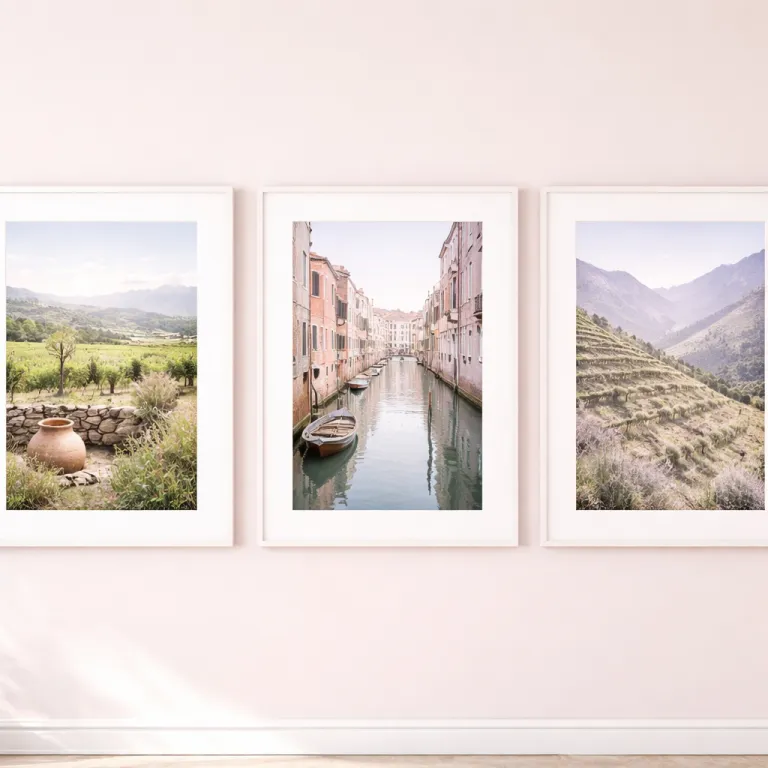
Why the latest wine travel awards are looking beyond the usual suspects
The Wine Travel Awards have quietly become a barometer for where serious wine travel is heading. Launched by the Wine Travel Awards initiative in 2021 and presented annually at ProWein in Düsseldorf, the program now uses a blend of public voting and expert panel assessment to highlight wine tourism destinations where story, soil and glass are inseparable. For business leisure travelers used to Bordeaux, Tuscany and Napa, the most recent list of top destinations signals that the best wine journeys will increasingly orbit places where the winery narrative is inseparable from local culture and where prices still reflect a working market rather than pure advertisement value.
Run by the Wine Travel Awards initiative, the program is designed to recognize excellence in wine tourism and promote global wine travel destinations across every participating country. Winners are selected through public voting on an online platform and a structured expert review, with the 2023–2024 cycle closing votes in early spring before the ProWein ceremony and the 2024–2025 edition following a similar calendar. According to the organizers, “our mission is to spotlight authentic wine experiences rather than marketing noise,” a principle reflected in judging criteria that prioritize authenticity, sustainability and access to historic vineyards above sheer luxury. With dozens of countries represented and no entry fee for any family owned winery or large bodega that meets eligibility rules, the awards reveal a clear forecast for the next year of wine travel: smaller estates with strong roots in their region are now competing directly with established names for the title of best wine experience.
The ceremony takes place in the evening, with guest arrival, awards presentation and a networking dinner compressed into a focused three hour window. Media partners such as Euronews, Forbes and Wine Enthusiast amplify the results without turning the event into a pure advertisement, keeping attention on the destinations and the wineries rather than the sponsors. For travelers planning high value trips, this structure means the travel awards function less as a red carpet and more as a curated shortlist of where wine making, tourism infrastructure and public interest currently intersect most powerfully, supported by verifiable voting data, transparent categories and published shortlists on the official Wine Travel Awards website.
Georgia’s SHUMI Winery and the rise of terroir driven wine tourism
Among all winners, SHUMI Winery in Kakheti, Georgia, crystallizes the shift in global wine tourism priorities. Located near Tsinandali, this family owned estate combines twelve hectares of vineyards with the country’s first dedicated wine museum and one of the largest private grapevine collections in Georgia, turning a single winery visit into a compact masterclass in eight millennia of wine making. Typical guided tastings run several times a day in the main season, with basic flights starting around the price of a mid range restaurant lunch and premium verticals priced higher but still accessible compared with Western European benchmarks. For travelers, it is a rare case where the best wine experiences and the best travel experiences in one country align almost perfectly on a single property.
Georgia’s qvevri tradition, where wine ferments in clay vessels buried underground, is no longer a niche curiosity but a central reason this destination ranks highly in public voting in the latest travel awards. At SHUMI Winery, guides walk guests through rows of indigenous varieties before leading them into cellars where qvevri line the floor, explaining how this method shapes texture and ageing in both singular wine and broader wine tourism narratives. The estate’s museum and experimental plots are generally open daily during the main season, with advance reservations recommended for groups and masterclasses and current visiting hours published each year by the winery. The result is a form of wine travel where data about grape genetics, public history and contemporary market trends are all physically anchored in the same courtyard.
For executives extending a Tbilisi business trip, the practicalities are straightforward: book accommodations early, pair tastings with local cuisine and leave time for nearby historical sites in the capital before or after a day in Kakheti. The drive from Tbilisi to SHUMI typically takes around two hours, making a full day excursion realistic even on tight schedules. The awards show that travelers now rank SHUMI alongside estates such as Venissa Estate in Italy or leading bodegas in Argentina’s Uco Valley when voting for top destinations, even though prices for tastings and bottles remain accessible compared with many Western European cellars. This balance of authenticity, value and narrative depth suggests that Georgia and its wineries will remain central to any serious forecast of where high end wine travel is heading next year.
From the Venetian Lagoon to the Andes: how new winners reset the wine travel map
Beyond Georgia, the latest Wine Travel Awards list reads like a quiet manifesto for off grid vineyard journeys. In the Venetian Lagoon, Venissa Estate operates a walled vineyard on Mazzorbo island with only five rooms and appointment only tastings, a radical scarcity model that turns each stay into a private seminar on lagoon viticulture and the fragility of this micro terroir. Guests typically reserve several weeks in advance, with seasonal opening dates and room availability published at the start of each year. Here, the best wine moments come not from a long list of labels but from a single glass poured steps from the vines, with the city of Venice visible yet psychologically distant across the water.
Across the Atlantic, wineries in Argentina’s Uco Valley leverage some of the oldest vineyards in the region, framed by the Andes and defined by altitude viticulture that shapes both acidity and daily temperature swings. The area has become a reference point for how a classic Spanish bodega style of hospitality can be translated into a South American context without losing focus on the vineyard rows themselves. Standard visits usually combine a cellar tour with a seated tasting, with advance booking strongly advised during harvest and Southern Hemisphere summer. Travelers comparing destinations now weigh Uco Valley against South Africa or a traditional Spanish bodega trip, using the awards data and regional shortlists as an informal market guide to where the next great glass might be poured.
On the European mainland, Burgenland in Austria has been named wine region of the year for its Blaufränkisch reds and the interplay between Lake Neusiedl cycling routes and lakeside tasting rooms. In parallel, names such as Bodega Tio Pepe in Spain, Champagne Joseph Perrier in France and SHUMI Winery in Georgia appear repeatedly in public voting, showing how Champagne Joseph Perrier now stands beside newer addresses like Venissa Estate in traveler shortlists. Many of these properties publish visiting hours, tour formats and tasting prices ahead of each season, making it easier to compare experiences across continents. For readers tracking every travel awards cycle, the pattern is clear: wine travel is moving toward destinations where tourism infrastructure supports slow stays, where del vino culture is inseparable from daily life and where even a large bodega style operation still feels rooted in family owned traditions rather than pure advertisement driven volume.
Key statistics shaping the latest wine travel awards landscape
- The Wine Travel Awards currently attract participating entries from dozens of wine producing countries worldwide, underlining the truly global scope of contemporary wine tourism. In the 2023–2024 edition, categories covered wineries, wine routes, regions, wine museums and educational projects, creating a broad comparative dataset for analysts and travelers. Summary lists of nominees and winners are published on the official Wine Travel Awards platform after each cycle.
- Public voting in the most recent awards cycle reached tens of thousands of verified votes on the official platform, a figure that confirms strong traveler engagement with the selection of top destinations. While exact vote counts vary by category and year, the organizers regularly publish summary statistics and shortlists, allowing readers to cross check how strongly each finalist resonated with the audience and how the jury’s decisions align with public sentiment.
Essential questions about the Wine Travel Awards
How are winners selected in the Wine Travel Awards ?
Winners in the Wine Travel Awards are chosen through a hybrid process that combines public voting with expert panel evaluation, using an online platform and clear judging criteria to balance traveler sentiment with professional assessment. After an open nomination phase, registered users cast votes in each category, and then an international jury reviews the leading candidates, taking into account wine quality, visitor experience, educational value and regional impact. This structure ensures that both emerging wineries and established estates are evaluated on their wine tourism offer, not just on brand recognition or advertisement budgets. For readers, it means that each highlighted winery or region has passed through both a democratic filter and a specialist review before appearing on the final list, a process summarized in the official Wine Travel Awards regulations.
Can small wineries participate in the Wine Travel Awards ?
Small wineries are explicitly encouraged to participate in the Wine Travel Awards, and there is no entry fee for eligible properties or destinations. Family owned estates can submit applications during the nomination window, providing details on visitor facilities, tasting formats and local partnerships. This open framework allows family owned estates, experimental projects and remote vineyards to compete directly with larger bodegas and Champagne houses on the strength of their wine travel experiences. For travelers, the result is a shortlist where a single hillside cellar in Georgia can stand alongside Champagne Joseph Perrier or a major Bodega Tio Pepe style operation in Spain as a candidate for best wine visit of the year.
Is there an entry fee to join the Wine Travel Awards ?
There is no entry fee required for wineries or destinations that meet the eligibility criteria of the Wine Travel Awards, which keeps the field accessible to a wide range of participants. Organizers instead rely on media partnerships, sponsorship packages and event hosting arrangements to fund the program, preserving free entry for producers. By removing cost barriers, the organizers ensure that the awards reflect the full spectrum of wine tourism, from Venissa Estate’s five room lagoon enclave to SHUMI Winery’s museum like complex and the high altitude vineyards of Argentina’s Uco Valley. For readers planning future wine travel, this policy increases confidence that the awards list is driven by quality, public interest and expert judgment rather than by marketing budgets or advertisement spending.