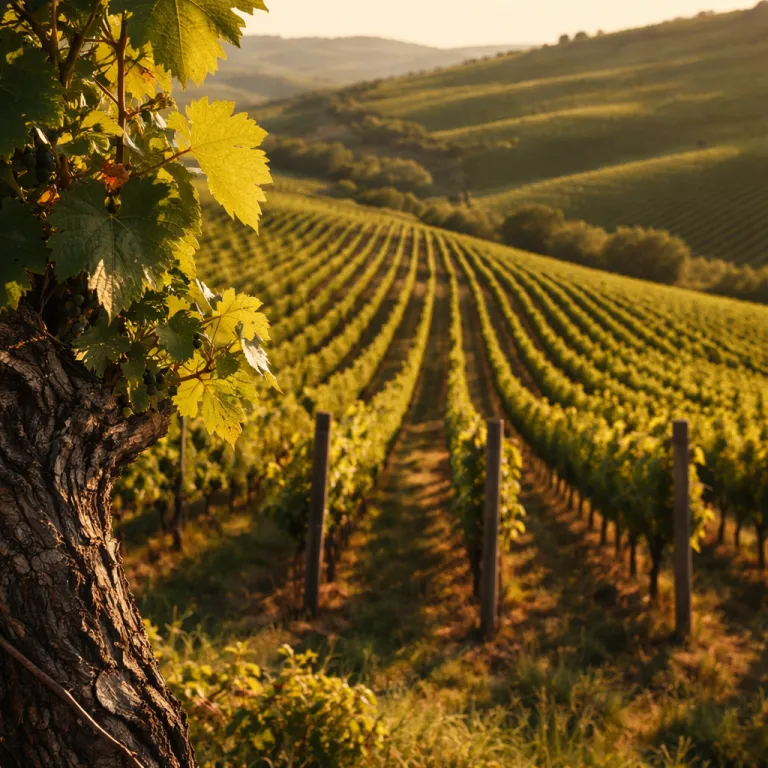
Italy wine tourism 2026 and the new rural escape
Italy wine tourism 2026 is on track to redefine how couples plan entire journeys around vineyards. With Italian wine tourists projected to reach 18 million and structured wineries reporting visitor growth of 16.8 percent alongside a 21.4 percent rise in direct sales, wine travel is shifting from side activity to primary reason to visit Italy. This surge reflects a wider desire for rural escape, where a glass of wine is inseparable from the landscape, the food on the table and the language spoken in the courtyard. According to the 2024 report released during Vinitaly by Osservatorio del Turismo del Vino, these figures mark one of the fastest expansions in Italy’s recent tourism history and can be consulted in detail through the official Osservatorio del Turismo del Vino publication and related industry documentation.
The most visible stage for this change is Verona, where Vinitaly Tourism is organized at the Veronafiere Exhibition Centre every April as a four day international event focused on wine tourism. Conferences, workshops and B2B meetings there connect wineries from every wine region of Italy with tour operators who curate wine tours, day tour itineraries and longer wine travel circuits. As one official summary from Veronafiere in 2023 put it: “Vinitaly Tourism is where the wine world meets the travel world, and where tomorrow’s vineyard experiences are designed,” a statement echoed in subsequent industry briefings and press materials and frequently cited in sector analyses.
For travelers, this professional infrastructure quietly shapes the experiences available in each region wine area, from Veneto to Tuscany and beyond. The broader evolution of Italian wine tourism in 2026 is also influenced by FINE Italy, an international marketplace that aligns wineries, hotels and transport providers around integrated direct to consumer strategies and experiential tastings. The result is that wine tastings, vineyard walks and food pairings are increasingly organized with English language options, allowing visitors who speak only English to participate without losing the nuance of terroir focused storytelling and regional context.
Behind the numbers lies a clear motivation: couples are seeking authenticity, not just a checklist of famous wines. They want to hear Italian spoken in the cellar, then switch to English or even an easy English–Italian mix when technical questions about soil, clones or élevage arise. This is why many wineries now offer each wine tasting in both Italian and English, with printed notes in more than one language and staff trained to move comfortably between detailed explanations and local dialect anecdotes, often drawing on family history and local traditions.
Food culture is the second engine of Italy’s vineyard travel boom in 2026, and it is powerful. Visitors are not content with a quick tasting of three wines at the counter; they expect a seated progression of wines matched with regional dishes, from lake fish in Veneto to slow cooked ragù in Emilia Romagna. The most forward looking wineries treat each series of tastings as a narrative arc, starting with a simple vino da tavola and building toward cru level Italian wine that expresses a single slope or parcel, often accompanied by seasonal produce from the estate garden and recipes passed down through generations.
Events such as Cantine Aperte, coordinated by Movimento Turismo del Vino, have become a barometer of this demand. On those open cellar weekends, thousands of visitors cross wine regions to participate in informal wine tastings, picnics between the rows and short day tour style walks guided by the winemaker. Movimento Turismo del Vino’s 2023 press release noted that Cantine Aperte now involves more than 600 wineries nationwide, confirming its role as a national ritual for wine lovers and providing a reference point for current participation figures. For couples planning wine travel, Cantine Aperte in the spring or autumn can anchor a long weekend, especially when combined with a stay in a rural agriturismo and a carefully planned visit to nearby cultural cities like Florence or Verona.
The access gap ; when demand outpaces vineyards
While Italy’s wine tourism boom in 2026 looks like a success story from a distance, on the ground the access gap is widening. Demand for immersive wine tours and structured wine tastings is growing faster than many wineries can accommodate, especially in classic appellations such as Chianti Classico and Barolo. In these areas, couples often find that the best known wineries are fully booked weeks in advance, particularly around major event dates in April and October, when international arrivals and domestic visitors converge.
Verona illustrates both the opportunity and the strain. During the Vinitaly Tourism period, hotel occupancy spikes, restaurant reservations tighten and last minute attempts to join organized wine tours into nearby Valpolicella or Soave often fail. The city’s role as a central location for international trade fairs means infrastructure is strong, yet contemporary Italy wine tourism is pushing capacity, especially for small group day tour experiences that combine culture, wine tasting and local cuisine. Travelers who want quieter tastings should look to weekdays outside major fairs and consider lesser known wineries in the surrounding hills, where appointments are easier to secure and conversations tend to be longer.
Florence faces a similar pattern, though the dynamics differ. Here, the proximity to Chianti Classico and other Tuscan wine regions has turned wine tourism into a standard add on for city breaks, with countless operators offering half day and full day tour options. Many of these itineraries focus on two or three wineries, a cellar visit and a guided wine tasting in English, but the most rewarding experiences still come from appointments at family run estates where the owner leads the tasting personally and explains why a particular row catches the afternoon sun differently, or how a vintage of Sangiovese reflects a single storm in September.
Language and booking logistics form another subtle barrier that Italy’s enotourism sector in 2026 must address. While larger estates now routinely offer tours in English and sometimes in a flexible bilingual format, smaller producers may only speak Italian and a few phrases of English. Some regions have responded by creating centralized booking platforms where visitors can filter by English language availability, but others still rely on direct email contact, often with addresses formatted as email protected on public listings to reduce spam. For serious wine travelers, a short, polite email in simple English sent several weeks ahead remains the most reliable way to secure a meaningful visit and avoid rushed, crowded tastings.
Compared with France and Spain, Italy’s access challenge is distinctive. Bordeaux and Rioja have invested heavily in visitor centers, signposted routes and large scale tasting rooms that can absorb high volumes of wine tourism without advance planning. Italy, by contrast, still leans on a patchwork of private wineries, agriturismi and small consortia, which preserves intimacy but limits spontaneous wine travel. This is precisely why structured events and platforms, from Vinitaly Tourism to FINE Italy, are becoming critical bridges between international demand and rural supply, translating trade agreements into bookable experiences for couples and small groups.
For couples planning a romantic vineyard escape, the implications are clear. Book winery appointments before flights, not after, especially in headline wine regions such as Chianti Classico, Valpolicella, Langhe and Franciacorta. Consider carrying a compact two bottle carrier for purchases, using practical advice such as the elegant packing strategies outlined in this guide to traveling with a two bottle wine carrier. And remain open to smaller appellations where infrastructure is lighter but the welcome can be warmer and the wines more surprising.
Beyond Tuscany ; where the next great Italian vineyard trips are emerging
The most interesting story within Italy’s wine travel landscape in 2026 is geographical. As Tuscany and Piedmont approach saturation on peak weekends, growth is spilling into other wine regions that once sat quietly in the background of Italian wine maps. Veneto, Friuli Venezia Giulia, Trentino Alto Adige, Marche and Sicily are now competing to position their own wine regions as the best alternatives for couples seeking space, authenticity and serious wines, often supported by regional tourism boards and local consorzi.
Veneto has a structural advantage thanks to Verona’s role as a transport hub and the presence of Veronafiere, yet the real draw lies in the hills. Valpolicella, Soave and Lugana offer a compact cluster of wineries where visitors can move from one wine region style to another within an hour, tasting everything from structured Amarone della Valpolicella to mineral driven whites. Many estates here now organize wine tours that include vineyard walks, cellar visits and guided wine tastings in English, often capped at small groups to preserve a calm atmosphere and allow time for questions about grape varieties, barrel choices and harvest dates.
Further south, the area around Florence remains a classic, but even within Chianti Classico the pattern is changing. Estates that once focused solely on production now invest in dedicated tasting rooms, professional staff fluent in English and curated vertical tastings that show how a single cru evolves across vintages. During one such visit, a winemaker named Lucia remarked to a couple from London, “You come for the Sangiovese, but you remember the way the light falls on these vines at six in the evening,” capturing how emotion and place now shape the most memorable tastings.
Central and southern Italy are also stepping forward. Marche promotes coastal wine tours that pair Verdicchio tastings with seafood lunches, while Sicily’s Etna region has become a magnet for travelers who want volcanic soils, altitude and a cooler climate. In these areas, turismo del vino initiatives led by Movimento Turismo del Vino encourage wineries to coordinate opening hours, shared events and multilingual communication, making it easier for visitors to participate in several tastings in a single day without long drives and to combine cellar visits with short hikes or village markets.
For couples comparing options across Europe, Italy’s offer now stands alongside France and Spain not only in the quality of wines but in the depth of experience. Bordeaux may excel at polished châteaux visits and Rioja at architect designed bodegas, yet Italy often wins when the priority is a seamless blend of food, culture, landscape and wine tasting in intimate settings. The key for Italy wine tourism 2026 will be maintaining that intimacy while scaling up access, so that a quiet tasting in a stone walled cellar remains possible even as international arrivals grow and more regions join the wine tourism map.
Planning strategies should adapt to this new reality. Use each wine region’s consorzio websites and official tourism portals as a primary travel guide, then layer in direct contact with wineries for specific appointments and special tastings. When you visit Italy for wine travel, think in terms of clusters rather than single estates; two or three neighboring wineries in one day, a mix of established names and rising producers, and time left unscheduled for a final glass of vino in the village square as the sun drops behind the vines.
Key figures shaping Italy’s wine tourism landscape
- Projected 18 million participants in Italian wine tourism, representing a 33 percent increase compared with two years earlier, according to the 2024 Osservatorio del Turismo del Vino report presented at Vinitaly and detailed in the official Osservatorio del Turismo del Vino documentation and supporting statistical annexes.
- Structured wineries report a 16.8 percent annual rise in visitors, indicating strong demand for organized wine tours and tastings across Italy’s main appellations, with figures drawn from recent Osservatorio del Turismo del Vino monitoring and summarized in current sector reports.
- Direct to consumer wine sales at these wineries have increased by 21.4 percent, underlining the commercial impact of wine travel and the growing importance of cellar door purchases, as highlighted in current industry reporting and sector analyses focused on rural hospitality.
- The average booking value per adult linked to wine tourism experiences is 39.4 € according to recent industry reporting, confirming that tastings, food pairings and guided visits now form a significant share of rural tourism revenue and providing a benchmark for current spending patterns.
Essential questions for planning Italy wine tourism 2026
What is Vinitaly Tourism and why does it matter for travelers ?
Vinitaly Tourism is a major wine tourism event held at the Veronafiere Exhibition Centre in Verona, bringing together wineries, tour operators and destination managers from across Italy. For travelers, its importance lies in the way it shapes future offerings; conferences and B2B meetings there influence how wine tours, tastings and rural hospitality will be structured in the coming seasons. While the event itself is primarily trade focused, the innovations discussed, from digital booking tools to multilingual tastings, directly affect the quality and accessibility of wine travel experiences available to visitors.
How does FINE Italy fit into the wine tourism ecosystem ?
FINE Italy is a specialized B2B marketplace dedicated to wine tourism, held later in the year as a focused platform for international buyers and Italian suppliers. It complements Vinitaly Tourism by concentrating on commercial agreements and long term partnerships, which in turn lead to more coherent itineraries, better trained guides and integrated transport solutions for travelers. Couples planning vineyard trips may never attend FINE Italy themselves, but they benefit when tour operators and wineries use the event to refine products, align expectations and raise service standards across Italy’s wine regions.
When should travelers plan wine tours around major events in Verona ?
Travelers who want to combine city culture with vineyard visits should pay close attention to the April calendar in Verona, when Vinitaly Tourism and related fairs take place. During these days, demand for accommodation, restaurant tables and wine tours in nearby regions such as Valpolicella and Soave peaks sharply, making advance booking essential. Those seeking quieter tastings and more flexible day tour options may prefer to visit a week before or after the main event period, when wineries are less crowded but still fully staffed for international guests.