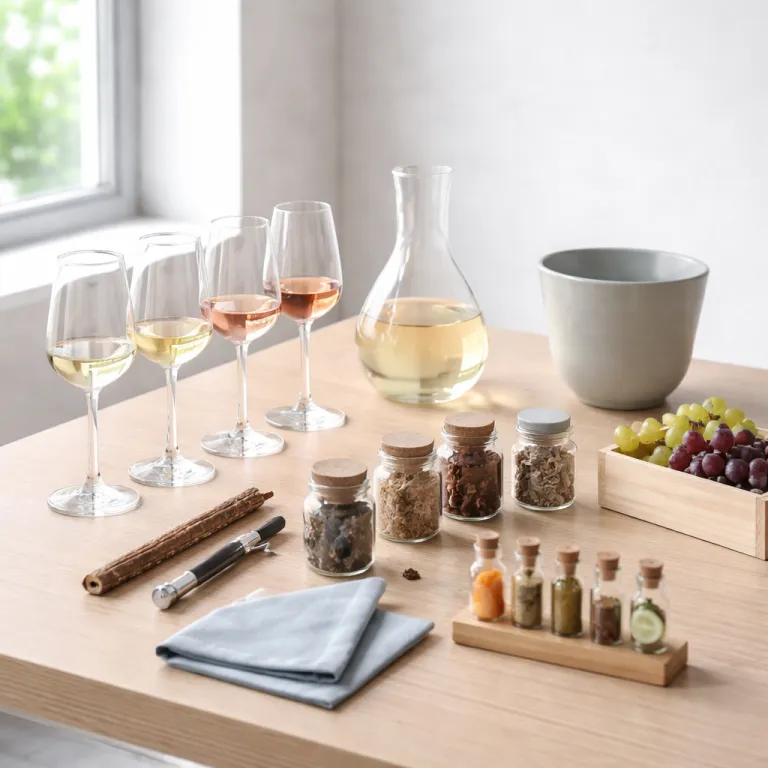
What truly defines immersive wine experiences
Immersive wine experiences begin where the standard tasting ends. A quick pour at a crowded wine bar rarely reveals why a particular vineyard slope, soil or valley wind shapes the wines in your glass so distinctly. The most rewarding wine tourism moments place you in the estate vineyard itself, with the winemaker explaining how each row translates into a specific bottle and style, sometimes pointing to a block and saying, “This is the pinot noir you’re about to taste.”
In these settings, wine is not just an alcoholic beverage but a lens on landscape, culture and craft. You move from a generic tasting journey to a guided wine conversation that links vineyard views, cellar decisions and the final tasting experience in a coherent narrative. Serious guests quickly sense whether a winery is offering a marketing script or an experience curated around real work, real risk and real passion, especially when the host is a grower or cellar hand rather than a part-time brand ambassador.
A genuine immersive wine experience always involves proximity to process. That might mean walking the vineyard at dusk, tasting pinot noir berries at different ripeness levels, or comparing sparkling wines on lees with the finished sparkling wine in your glass. It can also mean joining a tailored group session where a club member, sommelier or chef leads you through food pairing exercises that show how wines behave with salt, fat and spice, turning abstract tasting notes into concrete sensations.
Organisers such as The Fermented Experience, a boutique operator that designs small-group wine country itineraries, specialise in this kind of depth, designing wine country itineraries that prioritise time with growers over time in transit. A typical day on one of their Sonoma or Willamette Valley programs might include a morning vineyard walk, a cellar tour focused on fermentation choices and an afternoon blending workshop or food pairing lab. Urban projects like Chicago Winery demonstrate that even city spaces can host immersive and interactive wine experiences when they bring production, education and tasting into one flexible space. Historic estates such as Buena Vista Winery add another layer, using their Aristocratic Tasting experience to connect guests with the estate’s past while still pouring current, sometimes award winning, offerings that illustrate how the property has evolved.
Across these formats, the common thread is intention. Every tasting, every bottle opened, every estate vineyard walk is chosen to answer a clear question about place, grape or technique. When you plan your own trip, you will explore which wineries treat the word “experience” as a promise of insight rather than a label for a slightly longer wine tasting with a cheese plate, and you will gravitate toward hosts who can explain not only what you are drinking but why it was made that way.
From extended tastings to real immersion
Many wineries now advertise immersive wine experiences, yet not all of them deliver meaningful depth. A branded “experience” that simply adds one extra wine to the tasting flight, or moves guests into a prettier space with the same script, remains a standard tasting in disguise. True immersion changes how you relate to the estate, the wines and the people who farm the vineyard, leaving you with stories and skills you can carry into future tastings.
Look first at how time is structured during your visit. If the winery allocates most of the schedule to seated pouring, with minimal vineyard views or cellar access, you are likely buying an upgraded service rather than a transformative tasting journey. When the agenda includes walking the estate vineyard, seeing fermentation tanks and tasting from barrel or concrete egg, the experience curated for you usually has more substance and gives you a sense of the seasonal rhythm of the property.
Language on the booking page can be revealing. Experiences that emphasise guided wine walks, blending sessions, harvest work or food pairing with a resident chef tend to be more immersive than those that focus on “exclusive access” or “VIP space” without operational detail. Pay attention to whether the winery mentions specific wines, such as a single parcel pinot noir or limited sparkling wines, and explains why those bottles matter to the estate’s identity rather than simply calling them “reserve” or “premium.”
Another signal lies in how the winery talks about guests with different levels of wine knowledge. When a property states that immersive wine experiences are suitable for all knowledge levels, and that “immersive wine experiences are suitable for beginners”, it usually reflects a pedagogical mindset rather than a purely commercial one. This is especially important in regions with many first time visitors to wine country, where education and safety around alcoholic beverages should be explicit and where staff are trained to answer basic questions without condescension.
Finally, consider whether the winery or wine club encourages purchase decisions based on understanding rather than pressure. A thoughtful host will explore your preferences, suggest a bottle or two that genuinely fits your palate and explain how club member benefits align with your travel habits. When the emphasis shifts from minimum purchase requirements to long term relationship building, you are closer to the kind of immersive wine experiences that seasoned travellers now seek and recommend to friends.
Harvest participation programs around the world
For many wine travellers, the most powerful immersive wine experiences happen during harvest. Joining a harvest program means stepping into the vineyard at dawn, shears in hand, and feeling the weight of each crate as grapes move from row to winery. This is where the abstract idea of terroir becomes tangible, as you notice how one corner of the estate vineyard ripens earlier than another and hear the vineyard manager explain why a particular block was picked that morning.
In classic wine country regions such as Napa Valley, Sonoma Valley and Willamette Valley, estates now offer tailored group harvest days that combine vineyard work with structured wine tasting. Guests might spend the morning picking pinot noir or chardonnay, then follow the fruit into the winery to watch sorting, pressing and the first stages of fermentation. The tasting experience that follows often includes both finished wines and fermenting juice, allowing you to compare aromas across the full tasting journey from grape to bottle and understand how early decisions shape the final style.
European estates in regions like Burgundy, the Douro Valley and the Mosel also host harvest stays, though places are limited and must be booked well in advance. These programs typically include shared meals where the chef prepares simple, hearty food to match the estate’s wines, reinforcing how food pairing traditions grew from the needs of vineyard workers. Some properties integrate sparkling wine production into the curriculum, letting guests taste base wines, sparkling wines in progress and the final disgorged bottle side by side, often in historic cellars that have seen generations of harvests.
Outside the traditional heartlands, new world regions in the United States, South Africa and New Zealand are experimenting with harvest weekends that balance labour with comfort. Organisers such as The Fermented Experience can coordinate multi estate itineraries, ensuring that guests experience different vineyard exposures, grape varieties and cellar philosophies within a single valley. These curated offerings often include transport, meals and guided wine discussions, making them accessible to travellers who want depth without logistical stress and who may be visiting wine country for the first time.
Wherever you go, remember that harvest is physically demanding and weather dependent. Wear comfortable attire, expect early starts and respect that you are entering a working space where safety and grape quality come first. If you approach it with humility and curiosity, you will explore a side of wine that most tasting room guests never see, and the wines you later purchase from that estate will carry a personal memory of the rows you helped to pick and the people you worked alongside.
Blending workshops and creating your own cuvée
Among immersive wine experiences, few formats are as revealing as a blending workshop. Here, the winery invites you behind the curtain to taste individual components that usually remain hidden from public view. You might sample separate lots of cabernet, merlot and cabernet franc before learning how different proportions change structure, aroma and ageing potential, and why the winemaker rarely bottles these elements on their own.
Urban projects such as Chicago Winery have refined this model, using wine blending kits, tasting notes and educational materials to guide guests through a structured tasting journey. Participants often work in a tailored group, comparing how each person’s blend emphasises fruit, tannin or freshness, then vote on a favourite cuvée to bottle. The resulting bottle, sometimes labelled with a signature chosen by the group, becomes a tangible reminder of the experience curated that day and a conversation piece when opened at home.
At more traditional estates, blending sessions may focus on a single grape such as pinot noir from different vineyard parcels. You taste how fruit from a cooler valley floor differs from grapes grown on a warmer hillside, then experiment with ratios that highlight elegance, power or spice. Some winery teams extend this to sparkling wines, letting guests compare base wines from multiple plots before assembling their own notional sparkling wine blend on paper, even if legal regulations prevent actual bottling or commercial sale.
These workshops often sit at the intersection of education and commerce. A thoughtful wine club will invite club members to special blending days, using the event to deepen loyalty rather than push immediate purchase. When handled well, the service feels more like a seminar than a sales pitch, and guests leave with a clearer sense of why an award winning estate makes the stylistic choices it does across its range of wines, from entry level blends to single vineyard bottlings.
For solo travellers, blending sessions can also be a social anchor in wine country. Working around a shared table encourages conversation between guests of different ages including both novices and collectors, while a host or chef may introduce small food pairing bites to show how blends behave with salt or fat. If you value learning by doing, you will explore these blending offerings as a priority when planning your next vineyard focused trip, especially in regions where cellar access is otherwise limited.
Vineyard to table dining and chef winemaker collaborations
Another pillar of immersive wine experiences is the vineyard to table meal, where chef and winemaker design a menu together. Instead of pairing wines to existing dishes, they start with the estate’s bottles and build food that amplifies specific textures, acids and aromatics. The result is a tasting experience where each course feels inseparable from the glass beside it and where the story of the region unfolds plate by plate.
In many wine country regions, this takes the form of long table lunches set among vineyard views, sometimes under a simple pergola or in a restored barn. Guests might begin with a glass of sparkling wine in the vineyard, then move through a sequence of plates that trace the estate’s history, from heritage vegetables to locally raised meats. A resident chef explains how each ingredient reflects the valley’s agriculture, while the winemaker or sommelier offers guided wine commentary on why a particular pinot noir or white blend was chosen and how the vintage influenced the pairing.
Some acclaimed estates now integrate these meals into their wine club calendars, offering club members priority access to seasonal dinners. The service level tends to be high but not fussy, with staff trained to speak confidently about both food and wines without overshadowing the landscape. When done well, the space feels more like a private home than a restaurant, and guests are encouraged to walk between courses, glass in hand, to absorb the shifting light over the estate vineyard and continue informal conversations with the hosts.
Urban wineries and wine bars are adapting the model for city travellers who cannot always reach remote valleys. Chicago Winery, for example, uses its flexible event space to host interactive dinners where guests move between stations, pairing small plates with different wines while educators explain production methods. These offerings show that vineyard to table is as much a philosophy as a location, provided the ingredients and bottles maintain a clear link to specific growers and regions and the menu changes with the seasons.
When assessing such experiences, look for menus that change with the seasons and reference specific producers rather than generic “local” sourcing. Ask whether the chef and winemaker actually collaborate on the menu, or whether pairings are added after the fact by front of house staff. The more integrated the planning, the more likely you are to leave with a memory that ties wine, food and place into a single, coherent experience you will explore again on future trips and recommend to fellow travellers.
How to identify quality immersive wine offerings
With more than ten thousand wineries now operating in the United States alone, the range of immersive wine experiences on offer has never been broader. This abundance is exciting, but it also means travellers must distinguish between marketing language and genuine depth. A few practical filters can help you choose wisely before you commit time, money and palate to a particular estate or organiser.
Start by examining how clearly the winery describes its offerings. Detailed itineraries that specify vineyard walks, cellar access, guided wine components and food pairing elements usually indicate thoughtful planning. Vague promises of “exclusive access” or “premium tasting experience” without mention of concrete activities often signal a simple seated wine tasting in a nicer space with higher priced bottles and limited educational content.
Next, look at how the estate talks about education and safety. Properties that state “immersive wine experiences are suitable for beginners” and explain how to prepare for a wine tasting — “avoid strong scents, eat beforehand, and stay hydrated” — tend to take their role as educators seriously. This matters especially when alcoholic beverages are involved, and when guests of different ages including younger adults may be new to structured tastings and unfamiliar with pacing themselves over multiple pours.
Reputation also counts, but dig beyond awards. An award winning winery may pour excellent wines yet still offer a formulaic guest experience, while a smaller estate vineyard with fewer medals might provide a far richer, more personal visit. Read recent, unsponsored reviews that mention specific hosts, such as The Fermented Experience as organiser or Buena Vista Winery’s Aristocratic Tasting, and note whether guests describe meaningful interaction or just efficient service that could have taken place anywhere.
Finally, consider logistics and values. Quality operators limit group sizes, encourage advance purchase to manage capacity and are transparent about which alcoholic beverages are included in the fee. They often partner with local hospitality services to arrange transport, reducing drink driving risk in rural wine country. When these practical details align with a clear educational mission, you can be confident that the experience curated for you will explore more than just what is in the glass, connecting you to the people and places that shape the wines you love and may seek out again.
Key figures shaping immersive wine travel
- The Wine Institute reports around 11 000 wineries in the United States, creating unprecedented choice for travellers seeking immersive wine experiences across multiple regions and styles. This figure is drawn from the Wine Institute’s industry statistics, which track bonded winery numbers over time.
- These wineries range from small family estates to large acclaimed producers, which means the quality of any given tasting experience or wine club event can vary widely between properties and even between visits.
- As more wineries compete for guests, operators such as The Fermented Experience and Chicago Winery are using guided wine education, blending workshops and vineyard to table offerings to differentiate their service and attract travellers who value depth over volume. Information about these operators is based on their published program descriptions and event calendars.
Frequently asked questions about immersive wine experiences
What is an immersive wine experience?
An immersive wine experience is an engaging activity that deepens understanding of winemaking. It usually combines vineyard or cellar access, guided wine education and a structured tasting journey that links specific wines to their place and method of production. The aim is to move beyond simple sampling and create a lasting connection between guests and the estate, so that each bottle later opened recalls a particular moment or conversation.
How should I prepare for a wine tasting during my travels?
The most reliable guidance is simple and practical. How to prepare for a wine tasting ? The answer is clear in expert advice : avoid strong scents, eat beforehand, and stay hydrated. Comfortable shoes, layered clothing for changing vineyard weather and a plan for safe transport after tasting alcoholic beverages will also improve your overall experience and allow you to focus on the wines rather than logistics.
Are immersive wine experiences suitable for beginners?
Immersive wine experiences are suitable for beginners because they are designed to educate as well as entertain. Hosts typically explain basic tasting techniques, key grape varieties and regional differences in accessible language, while still offering depth for more experienced guests. Mixed level groups work well, as questions from newcomers often lead to richer discussion for everyone and encourage more thoughtful, mindful tasting.
Can I join immersive wine activities if I do not drink alcohol?
Many wineries can adapt parts of their programs for guests who prefer not to consume alcoholic beverages, especially vineyard walks, cellar tours and food focused elements. However, some offerings such as blending workshops or wine club events are built around tasting, so it is essential to ask in advance. Clear communication when booking helps the estate tailor the experience or suggest alternatives that still connect you with the vineyard and its culture, such as grape juice tastings or cooking classes.
Do I need to book immersive wine experiences in advance?
Advance booking is strongly recommended because immersive formats often involve small groups, limited harvest dates or chef led meals with fixed seating. Reserving early allows the winery or organiser to plan staffing, food and bottle allocations, which directly affects the quality of service. It also gives you time to coordinate transport and, where relevant, check any current health or travel guidelines in the region so that your day in wine country runs smoothly.
Trusted references for further reading
- Wine Institute
- Travel And Tour World
- Winera