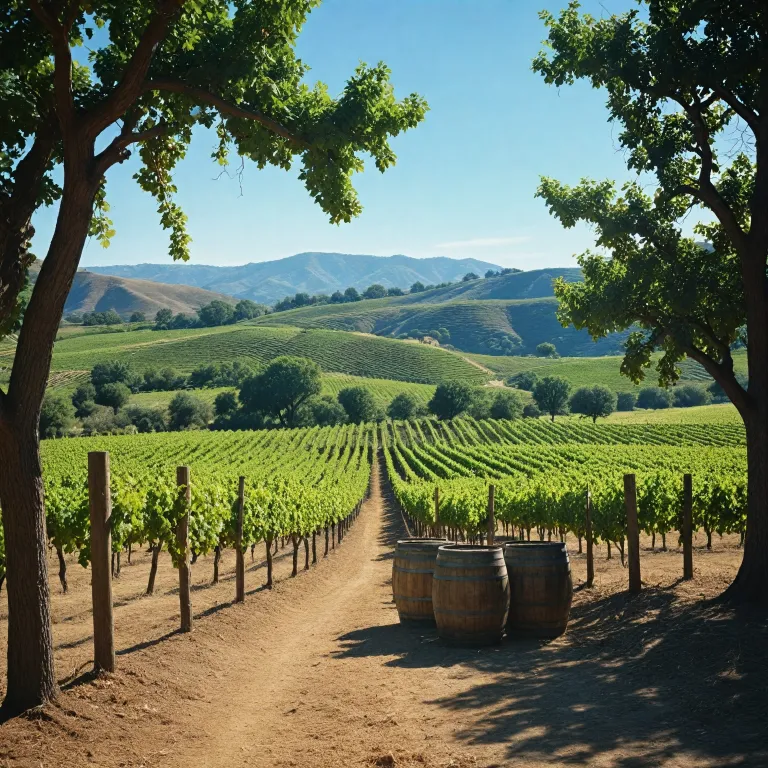
The unique terroir of Paso Robles: foundation of cabernet sauvignon character
Paso Robles, nestled in California’s Central Coast, has emerged as a premier region for cabernet sauvignon and other Bordeaux varietals. The region’s diverse soil types, ranging from calcareous limestone to sandy loam, create a patchwork of microclimates ideal for cultivating robust cabernet grapes. With elevations reaching up to 213 meters, vineyards benefit from significant diurnal temperature swings, which preserve acidity and enhance the complexity of cabernet and sauvignon wines. The Paso Robles AVA, established decades ago, now boasts over 200 wineries, each contributing to the region’s reputation for high-quality red wines. The unique climate, marked by warm days and cool nights, allows cabernet sauvignon grapes to ripen slowly, developing rich notes of black cherry, black currant, and subtle hints of vanilla. These attributes distinguish Paso Robles cabernet from its Napa Valley counterparts, offering a generous fruit profile with refined tannins. Sustainable viticulture is a cornerstone of the region, with many vineyards employing organic practices and innovative irrigation systems. This commitment to the land ensures that both cabernet and sauvignon grapes thrive, producing wines that reflect the true character of Paso Robles. The result is a collection of award winning wines cabernet enthusiasts seek out for their depth and elegance.Signature styles and tasting notes: what sets Paso Robles cabernet sauvignon apart
Paso Robles cabernet sauvignon is celebrated for its expressive fruit, layered structure, and age-worthiness. Winemakers in the region often blend cabernet with petit verdot and petite sirah, enhancing the complexity and adding depth to the final wines. These blends, known as Bordeaux-style reds, showcase the versatility of Paso Robles vineyards and the skill of their winemakers. Tasting notes frequently highlight ripe black cherry, black currant, and baking spices, with subtle undertones of vanilla and cedar from French and American oak aging. The region’s cabernet sauvignon wines are recognized for their balance, with vibrant acidity and polished tannins that make them suitable for cellaring. Reserve cabernet bottlings, in particular, offer concentrated flavors and a lingering finish, making them highly sought after by collectors and club members alike. Paso Robles cellars are renowned for their hospitality, often offering guided tastings that explore the nuances of sauvignon cabernet and other red varietals. Visitors can sample district cabernet selections, compare single-vineyard expressions, and learn about the influence of terroir on each wine paso. For those interested in expanding their knowledge, many wineries offer educational experiences focused on the unique attributes of the region’s cabernet sauvignon. Explore Paso Robles wine tours for curated experiences that highlight the diversity of wines cabernet and the artistry behind each bottle.Winery experiences: from cellar tours to exclusive club memberships
A visit to Paso Robles is incomplete without exploring its renowned wineries and cellars. Many estates, such as Whalebone Vineyard and San Simeon Wines, offer immersive tours that take guests from the vineyard to the barrel room. These experiences provide insight into the meticulous care required to produce high-quality cabernet sauvignon and sauvignon wine. Club memberships are a popular way for enthusiasts to access limited releases, reserve cabernet selections, and exclusive events. Members often receive invitations to private tastings, blending seminars, and harvest celebrations, deepening their connection to the region’s vibrant wine culture. The sense of community among club members is palpable, with many returning year after year to participate in the annual Paso Robles Wine Festival and Harvest Wine Weekend. Winery tours frequently include tastings of both current releases and library wines, allowing visitors to appreciate the evolution of cabernet sauvignon paso over time. The opportunity to compare different vintages and blends, such as sauvignon petit and petite sirah, enhances the appreciation for the craftsmanship involved. For those seeking to expand their palate, many cellars offer food pairings that highlight the savory and fruit-driven notes of Paso Robles red wines. Learn more about Paso Robles winery events to plan your next visit and experience the best of California’s cabernet region.Vineyard diversity: exploring the sub-districts and microclimates of Paso Robles
Paso Robles is divided into several sub-districts, each offering distinct characteristics that influence the style of cabernet sauvignon produced. The region’s topography, with rolling hills and varied elevations, creates a mosaic of microclimates that allow for the cultivation of both cabernet and sauvignon grapes with unique flavor profiles. Some vineyards are situated on calcareous soils, imparting minerality and structure to the wines, while others benefit from sandy or clay-rich terroirs that enhance fruit expression. This diversity is reflected in the wide range of wines cabernet and sauvignon red produced across the region. Winemakers often experiment with blends, incorporating petit verdot, petite sirah, and other Bordeaux varietals to create complex and balanced wines. The influence of the Pacific Ocean, combined with inland warmth, ensures that grapes ripen fully while retaining freshness. This balance is key to producing high-quality cabernet sauvignon paso, with vibrant acidity and well-integrated tannins. Many vineyards are committed to sustainable practices, further enhancing the quality and longevity of their wines. For a deeper understanding of the region’s diversity, consider visiting multiple vineyards and tasting rooms. Each offers a unique perspective on the potential of Paso Robles cabernet and the artistry of its winemakers.From grape to glass: sustainable practices and innovative winemaking in Paso Robles
Sustainability is at the heart of Paso Robles’ winemaking philosophy. Many vineyards employ organic and biodynamic methods, minimizing environmental impact while enhancing grape quality. Advanced irrigation systems and temperature-controlled fermentation tanks are standard tools, ensuring precise control over the winemaking process. Winemakers in Paso Robles are known for blending traditional techniques with modern innovation. French and American oak barrels are used to age cabernet sauvignon, imparting subtle notes of vanilla, spice, and cedar. The result is a portfolio of wines that balance fruit-forward character with complexity and age-worthiness. The region’s commitment to sustainability extends beyond the vineyard, with many wineries participating in community initiatives and educational programs. These efforts promote responsible stewardship of the land and foster a culture of continuous improvement. The emphasis on capturing the unique terroir of Paso Robles through diverse soil types and microclimates is a hallmark of the region’s approach. As the region garners increased international recognition, Paso Robles cabernet sauvignon continues to set benchmarks for quality and innovation. The combination of sustainable practices, skilled winemaking, and a deep respect for the land ensures that each bottle reflects the essence of California’s premier red wine region.Pairing Paso Robles cabernet sauvignon: culinary inspirations and tasting events
Pairing food with Paso Robles cabernet sauvignon is a delight for both novices and seasoned enthusiasts. The wines’ robust structure and layered notes of black cherry, black currant, and baking spices make them ideal companions for grilled meats, aged cheeses, and savory dishes. Bordeaux-style blends, featuring cabernet, sauvignon, petit verdot, and petite sirah, offer versatility for a range of culinary experiences. Many wineries host seasonal tasting events, where guests can explore the interplay between food and wine paso. These gatherings often feature local chefs who craft menus designed to complement the region’s red wines, highlighting the savory and fruit-driven elements of each bottle. Reserve cabernet selections are frequently paired with dishes that emphasize umami and richness, enhancing the overall tasting experience. For those seeking to expand their culinary repertoire, joining a wine club provides access to exclusive recipes, pairing guides, and invitations to private dinners. The sense of community among club members adds to the enjoyment, fostering connections and shared discoveries. Whether attending a formal tasting or a casual picnic among the vineyards, Paso Robles offers endless opportunities to savor the best of California’s cabernet region.Expert insights and the future of Paso Robles cabernet sauvignon
The ongoing evolution of Paso Robles as a cabernet sauvignon powerhouse is driven by collaboration among vineyard owners, winemakers, and organizations like the Paso Robles CAB Collective. Their grassroots efforts promote the quality and global recognition of the region’s wines. As one expert notes, “The region’s diverse soil types, significant diurnal temperature variations, and long growing seasons create ideal conditions for cultivating Cabernet Sauvignon.” Paso Robles cabernet continues to earn accolades for its complexity, elegance, and age-worthiness. The region’s focus on sustainable and innovative viticulture practices ensures that both current and future generations will enjoy high-quality wines cabernet. As the international demand for Paso Robles wines grows, so does the region’s reputation as a leader in California’s red wine landscape. For travelers and wine lovers alike, the journey through Paso Robles vineyards, cellars, and tasting rooms offers a unique opportunity to engage with the people and stories behind each bottle. The future of Paso Robles cabernet sauvignon is bright, with ongoing investment in quality, sustainability, and community engagement shaping the next chapter of this remarkable wine region.Key statistics on Paso Robles cabernet sauvignon
- 57% of Paso Robles vineyard acreage is planted with cabernet sauvignon and other Bordeaux varieties.
- Vineyard elevations in Paso Robles range up to 213 meters.
- The Paso Robles AVA is home to over 200 wineries.
Frequently asked questions about Paso Robles cabernet sauvignon
What makes Paso Robles suitable for Cabernet Sauvignon?
The region’s diverse soil types, significant diurnal temperature variations, and long growing seasons create ideal conditions for cultivating Cabernet Sauvignon.
How does Paso Robles Cabernet Sauvignon compare to Napa Valley's?
Paso Robles Cabernet Sauvignons are known for their complexity and elegance, with a generosity of fruit akin to Napa's bottlings.
Are there wine festivals in Paso Robles?
Yes, notable events include the Paso Robles Wine Festival in May and the Harvest Wine Weekend in October.
References: Paso Robles CAB Collective, San Simeon Wines, Whalebone Vineyard.