The origins and evolution of petite sirah: from France to California
Petite sirah, a grape variety with a storied past, traces its roots to the 1860s when French botanist François Durif developed the Durif grape. This grape, a cross between syrah and peloursin, soon found its way to California, where it flourished under the name petite sirah. The grape’s journey from France to California USA marked the beginning of a new chapter in red wine production, especially in regions like Napa Valley and Sonoma Valley. Over time, petite sirah wines have become synonymous with deep color, robust tannins, and remarkable aging potential. The grape variety’s adaptability to California’s diverse climates has allowed winemakers to cultivate vineyards that yield wines with intense fruit flavors, particularly blackberries and black pepper notes. Today, petite sirah is celebrated for its bold structure and complexity, making it a favorite among red wine enthusiasts seeking varietal wine experiences that stand apart from traditional blends.
California winemakers have embraced innovative viticulture and vinification methods to manage the grape’s naturally high tannins and acidity. Head trained vines and careful vineyard management contribute to the development of balanced tannins medium in structure, while aging in French oak barrels imparts additional layers of flavor. The result is a wine that can be enjoyed young for its vibrant fruit or aged for up to 20 years, allowing secondary flavors to emerge. The expansion of petite sirah vineyards in regions such as Lodi, Paso Robles, and Napa Valley has further cemented California’s reputation as a leading producer of this distinctive grape variety. The ongoing efforts of advocacy groups like PS I Love You continue to promote the unique qualities of petite sirah, ensuring its place in the world of red wines.
Distinctive characteristics of petite sirah wines: flavors, structure, and style
Petite sirah wines are renowned for their deep, inky color and full-bodied profile. The grape’s thick skins contribute to high levels of tannins, giving the wine a robust structure that appeals to those who appreciate bold red wines. Flavors of blackberries, black pepper, and dark fruit dominate the palate, often accompanied by hints of chocolate and spice from aging in French oak. The grape’s natural acidity ensures a refreshing balance, making petite sirah both powerful and approachable. In both singular and blended forms, petite sirah brings intensity and depth to the glass, whether enjoyed as a varietal wine or as part of a blend with syrah or other red grapes.
Winemakers in California USA have mastered the art of coaxing out the best attributes of petite sirah. Through careful vineyard selection and precise vinification, they produce wines that showcase the grape’s signature fruit flavors while managing its tannins medium to high. The use of head trained vines and sustainable vineyard practices further enhances the quality and consistency of petite sirah wines. For travelers seeking to explore the world of red wines, a visit to a vineyard petite or winery petite in Napa Valley or Sonoma Valley offers a firsthand look at the meticulous care that goes into every bottle. The result is a wine that stands out for its complexity, longevity, and unmistakable character.
For those interested in learning more about the unique qualities of petite sirah, the California wine travel guide provides a comprehensive overview of the region’s top vineyards and tasting experiences. Whether you are a seasoned wine enthusiast or new to the world of red wines, petite sirah offers a journey of discovery through its rich flavors and storied history.
Vineyard travel in California: exploring petite sirah in Napa Valley and Sonoma
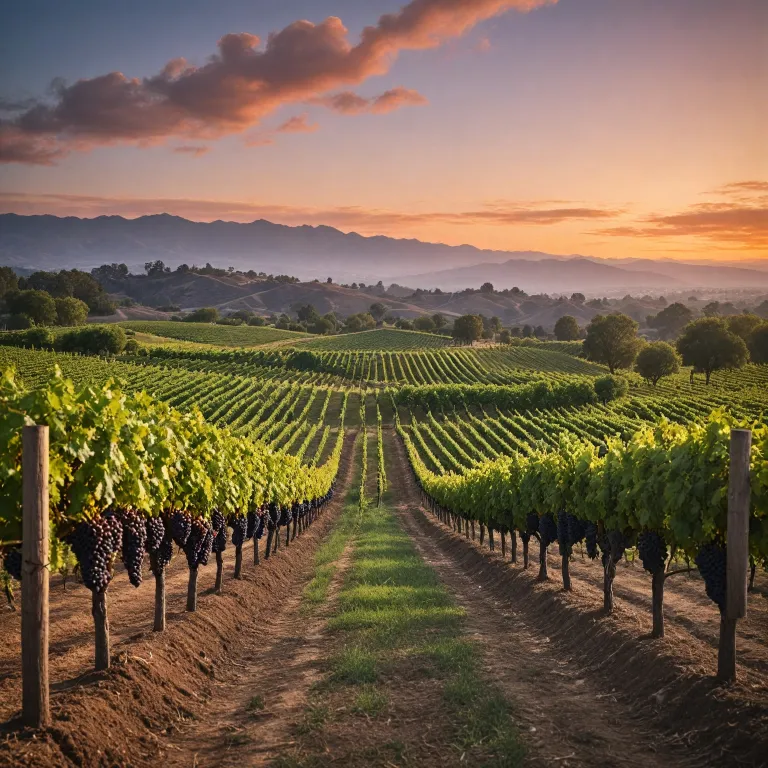
California’s wine regions are a haven for travelers seeking immersive vineyard experiences centered around petite sirah. Napa Valley and Sonoma Valley, in particular, are home to some of the most celebrated vineyards and wineries specializing in this grape variety. Visitors can explore head trained vines, learn about sustainable viticulture practices, and taste a range of petite sirah wines that highlight the diversity of the region. Each vineyard petite offers a unique perspective on the grape’s potential, from single-vineyard expressions to innovative blends with syrah and other varietals.
The valley landscapes of Napa and Sonoma provide the ideal backdrop for wine tasting adventures. Guided tours often include visits to historic vineyards, barrel rooms, and tasting lounges where guests can sample petite sirah wines alongside local cuisine. The emphasis on terroir and craftsmanship is evident in every glass, with winemakers eager to share their expertise and passion for the grape variety. For those interested in expanding their knowledge, many wineries offer educational seminars and blending sessions that delve into the nuances of tannins, fruit flavors, and aging techniques.
To plan your next vineyard journey, consult the Napa Valley wine route for recommendations on the best petite sirah producers and tasting experiences. Whether you are drawn to the bold flavors of a classic sirah wine or the elegance of a petite syrah blend, California’s vineyards promise an unforgettable exploration of red wine excellence.
The art of tasting petite sirah: sensory exploration and food pairings
Tasting petite sirah is a sensory adventure that reveals the grape’s complexity and depth. The wine’s intense color and aromatic profile set the stage for a palate rich in blackberries, black pepper, and dark fruit. Each sip delivers a harmonious blend of fruit flavors, firm tannins, and refreshing acidity, making petite sirah a versatile companion for a variety of dishes. As one expert notes, "Petite Sirah pairs well with hearty dishes such as grilled meats, barbecue, and rich stews due to its bold flavors and high tannins." This makes it an ideal choice for pairing with robust cuisine that can stand up to the wine’s structure.
When tasting petite sirah, pay attention to the evolution of flavors as the wine opens in the glass. Young wines often showcase vibrant fruit and spice, while aged examples develop secondary notes of leather, tobacco, and earth. The use of French oak barrels during aging adds layers of vanilla and toast, enhancing the wine’s complexity. Whether enjoyed as a varietal wine or as part of a blend, petite sirah offers a dynamic tasting experience that rewards careful attention and exploration.
For travelers seeking to deepen their appreciation of petite sirah, many California vineyards offer guided tastings and food pairing events. These experiences provide an opportunity to sample a range of wines, compare different vineyard sites, and learn from knowledgeable winemakers. The interplay of grape variety, terroir, and winemaking technique ensures that each glass of petite sirah tells a unique story, inviting wine lovers to savor every moment.
Market trends and pricing: petite sirah’s place in the world of red wines
The market for petite sirah wines has grown steadily, driven by consumer demand for bold, full-bodied red wines with distinctive character. California USA remains the epicenter of petite sirah production, with over 11,000 acres dedicated to the grape. The sale price of petite sirah varies depending on factors such as vineyard location, winemaking techniques, and aging regimen. While some wines are available at accessible price points, limited-production offerings from renowned vineyards command higher prices, reflecting their quality and aging potential.
Petite sirah’s reputation as a varietal wine with longevity and complexity has attracted a loyal following among collectors and enthusiasts. The grape’s ability to age gracefully for up to 20 years adds to its appeal, with older vintages developing nuanced flavors and refined tannins. As one expert explains, "High-quality Petite Sirah wines can age for 10 to 20 years, developing complex flavors over time." This aging potential sets petite sirah apart from many other red wines, making it a prized addition to any cellar. Whether you are seeking a fruit-forward wine for immediate enjoyment or a cellar-worthy bottle for future occasions, petite sirah delivers exceptional value and satisfaction.
Innovation and sustainability in petite sirah vineyards
Innovation and sustainability are at the forefront of petite sirah cultivation in California and beyond. Vineyard owners and winemakers are adopting advanced viticulture practices to enhance grape quality while minimizing environmental impact. Techniques such as head trained vine management, cover cropping, and water conservation contribute to healthier vineyards and more expressive wines. The focus on sustainable practices ensures that petite sirah vineyards remain productive and resilient for generations to come.
Winemakers are also experimenting with new approaches to fermentation and aging, using a combination of stainless steel and French oak barrels to achieve the desired balance of fruit flavors, tannins, and complexity. The result is a diverse range of petite sirah wines that reflect the unique characteristics of each vineyard site. As the grape continues to gain recognition, producers are expanding plantings beyond California to regions such as Australia and Israel, further broadening the appeal of petite sirah on the global stage.
Advocacy groups like PS I Love You play a vital role in promoting the heritage and future of petite sirah. Their efforts to educate consumers and support sustainable viticulture have contributed to the grape’s growing popularity and market presence. For travelers and wine lovers alike, the story of petite sirah is one of innovation, tradition, and a deep connection to the land.
Key statistics on petite sirah wines
- California petite sirah plantings: 11,000 acres
- Average alcohol content of petite sirah wines: 14.5% ABV
- Aging potential of petite sirah wines: up to 20 years
Frequently asked questions about petite sirah wines
What foods pair well with Petite Sirah?
Petite Sirah pairs well with hearty dishes such as grilled meats, barbecue, and rich stews due to its bold flavors and high tannins.
How long can Petite Sirah wines age?
High-quality Petite Sirah wines can age for 10 to 20 years, developing complex flavors over time.
Is Petite Sirah the same as Syrah?
No, Petite Sirah is a distinct grape variety, also known as Durif, resulting from a cross between Syrah and Peloursin.
References: Wine Enthusiast, Wine Folly, PS I Love You