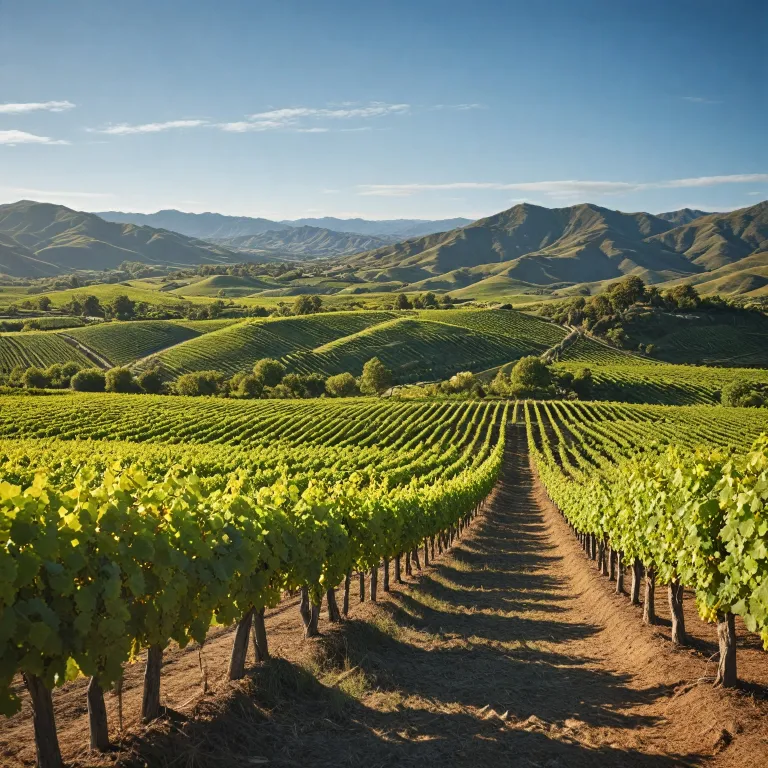
The essence of sauvignon blanc vineyards: terroir, climate, and tradition
Sauvignon blanc vineyards are celebrated for producing some of the world’s most expressive white wines. The interplay between terroir, climate, and viticultural tradition shapes the unique character of sauvignon blanc, making each vineyard’s output distinct. In regions like Sonoma County, the cool river valleys and fog-laden mornings nurture grapes with bright citrus aromas and crisp acidity. The Russian River Valley and Dry Creek Valley are particularly renowned for their ability to coax out notes of lime zest, grapefruit, and cut grass in both singular and plural sauvignon blanc wines.
Across the globe, Marlborough’s expansive vineyards have become synonymous with sauvignon blanc, offering wines with a vibrant fruit palate and a finish that lingers with meyer lemon and grapefruit lime. The Loire Valley in France, meanwhile, is revered for its restrained, mineral-driven expressions. Each region’s approach to vineyard management, from sustainable farming to innovative winemaking, ensures the best balance of price, quality, and environmental stewardship. The result is a diverse array of sauvignon blanc wines that appeal to both seasoned enthusiasts and newcomers alike.
Producers in these regions are increasingly adopting organic and regenerative practices, aiming to enhance both wine quality and ecological impact. As sauvignon blanc vineyards expand into new territories, the global appreciation for this varietal continues to grow, driven by its crisp refreshing style and food wine versatility. The commitment to excellence is evident in every glass, whether enjoyed in the heart of wine country or at home.
Signature aromas and tasting notes: decoding sauvignon blanc’s appeal
The allure of sauvignon blanc lies in its remarkable aromatic complexity and palate-pleasing freshness. Classic notes of lime, grapefruit, and lemon are often complemented by hints of cut grass and bright citrus, creating a sensory profile that is both invigorating and refined. In Sonoma County, wineries craft sauvignon blanc wines that balance crisp acidity with a fruit palate marked by meyer lemon and subtle herbal undertones. The finish is typically clean and persistent, making these wines ideal companions for a variety of dishes.
Blanc Marlborough wines are celebrated for their intense aromas and vibrant flavors, often showcasing grapefruit lime and tropical fruit notes. The valley sauvignon style, particularly from Napa Valley and creek valley sites, emphasizes a harmonious blend of citrus and mineral elements. As one explores the diverse offerings from different wineries, it becomes clear that sauvignon blanc’s versatility is unmatched among white wines.
For those seeking the best examples, Roth Estate and other leading producers in Sonoma offer exceptional wines at a range of price points. Whether you prefer the crisp refreshing style of Russian River or the more structured expressions from dry creek, there is a sauvignon blanc to suit every palate. For further insights into wine and vineyard travel, explore this comprehensive guide to wine regions.
From vineyard to glass: sustainable practices in sauvignon blanc production
Sustainability is at the heart of modern sauvignon blanc vineyards, with growers and winemakers embracing practices that protect both the land and the quality of their wines. Traditional viticulture techniques are now complemented by innovative approaches such as regenerative organic certification and climate change mitigation strategies. These efforts are particularly evident in regions like Sonoma County and Marlborough, where the focus on environmental stewardship is matched by a commitment to producing the best sauvignon blanc wines.
Winery teams employ a range of tools, from advanced vineyard equipment to state-of-the-art fermentation tanks and aging barrels, to ensure that each vintage reflects the unique characteristics of its origin. The adoption of sustainable and organic farming methods not only enhances the aromas and flavors of sauvignon blanc but also supports the long-term health of the vineyards. As the demand for high-quality, responsibly produced wines grows, more wineries are prioritizing these values in their operations.
Visitors to wine country can experience firsthand the benefits of these practices, from the bright, citrus-driven wines of Russian River Valley to the crisp refreshing styles of blanc sonoma. To learn more about sustainable wine travel and vineyard experiences, visit this resource on eco-friendly wine tours.
Pairing sauvignon blanc with food: elevating the dining experience
Sauvignon blanc’s crisp acidity and vibrant fruit palate make it an ideal partner for a wide range of dishes. The wine’s bright citrus notes, including lime zest and meyer lemon, cut through rich flavors and enhance lighter fare. In Sonoma County, local wineries often recommend pairing sauvignon blanc with fresh seafood, goat cheese, and salads featuring grapefruit lime or lemon accents. The wine’s clean finish and refreshing style also complement Asian cuisine and vegetarian dishes.
Food wine pairings are elevated by the wine’s ability to balance spice, acidity, and texture. For example, a dry creek sauvignon blanc with pronounced cut grass and citrus aromas pairs beautifully with grilled vegetables and herb-infused chicken. In Marlborough, the classic combination of sauvignon blanc and oysters highlights the wine’s mineral-driven character and crisp refreshing qualities. The versatility of sauvignon blanc ensures that it remains a favorite choice for both casual meals and special occasions.
For those planning a culinary journey through wine country, exploring the diverse food wine pairings offered by local wineries is a must. The best experiences often come from tasting menus that showcase the interplay between sauvignon blanc and regional ingredients.
Iconic regions and wineries: a global perspective on sauvignon blanc
The world’s most esteemed sauvignon blanc vineyards are found in regions where climate, soil, and tradition converge to create exceptional wines. Sonoma County, with its Russian River and dry creek valleys, is home to wineries that produce both classic and innovative expressions of sauvignon blanc. Napa Valley’s approach emphasizes a richer fruit palate and a longer finish, while Marlborough’s blanc wines are renowned for their intense aromas and crisp acidity.
“Which regions are renowned for producing high-quality Sauvignon Blanc? Notable regions include Marlborough in New Zealand, the Loire Valley in France, and California in the United States.” This quote underscores the global reach and reputation of sauvignon blanc vineyards. Each region brings its own signature style, from the grassy, herbaceous notes of the Loire to the tropical fruit and citrus-driven wines of New Zealand and California. The expansion of sauvignon blanc cultivation into new areas continues to diversify the landscape, offering wine lovers an ever-growing selection of styles and experiences.
Leading producers such as Roth Estate and other Sonoma wineries are at the forefront of this movement, combining traditional craftsmanship with modern innovation. Whether visiting a family-run estate in the valley or exploring large-scale operations in Marlborough, travelers are sure to encounter the best that sauvignon blanc has to offer.
Planning your sauvignon blanc vineyard journey: tips and experiences
Embarking on a tour of sauvignon blanc vineyards is a rewarding way to deepen your appreciation for this celebrated varietal. Begin by researching the best times to visit, keeping in mind that planting occurs in spring and harvest in late summer to early autumn. Many wineries offer guided tours and tastings, allowing guests to explore the nuances of sauvignon blanc wines from different regions and producers. Participating in local wine festivals and events can also enhance your experience, providing opportunities to sample a wide range of wines and meet the people behind the labels.
When planning your itinerary, consider the diversity of sauvignon blanc styles available in regions like Sonoma County, Napa Valley, and Marlborough. Each offers a unique perspective on the grape, from the crisp refreshing wines of Russian River Valley to the bold, fruit-driven expressions of blanc marlborough. Engaging with winemakers and vineyard staff can provide valuable insights into the methods and philosophies that shape each wine. “How does climate affect Sauvignon Blanc grape characteristics? Cooler climates tend to produce wines with higher acidity and green flavors, while warmer climates yield wines with more tropical fruit notes.” This expert insight will help you appreciate the subtle differences between regions.
Finally, take time to savor the food wine pairings and scenic beauty that define wine country. Whether you are a seasoned traveler or new to vineyard exploration, the world of sauvignon blanc offers endless opportunities for discovery and enjoyment.
Key statistics on sauvignon blanc vineyards
- Global Sauvignon Blanc vineyard area: 27,808 hectares (Marlborough wine region statistics)
- Expansion of Sauvignon Blanc cultivation in new regions is ongoing
- Increased focus on organic and sustainable farming practices
Frequently asked questions about sauvignon blanc vineyards
What are the primary flavor profiles of Sauvignon Blanc wines?
Sauvignon Blanc wines typically exhibit flavors ranging from grassy and herbaceous to tropical fruits, depending on the climate and winemaking techniques.
Which regions are renowned for producing high-quality Sauvignon Blanc?
Notable regions include Marlborough in New Zealand, the Loire Valley in France, and California in the United States.
How does climate affect Sauvignon Blanc grape characteristics?
Cooler climates tend to produce wines with higher acidity and green flavors, while warmer climates yield wines with more tropical fruit notes.
References: Marlborough wine region statistics; Sonoma County Winegrowers; Napa Valley Vintners