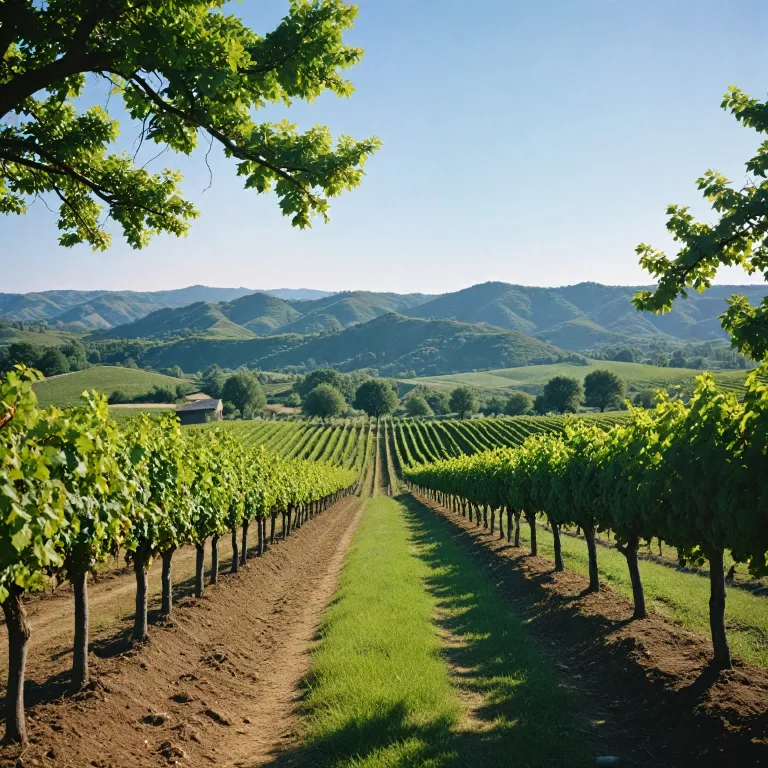
The legacy of French cab sav: from Bordeaux to the valleys
French cab sav, or cabernet sauvignon, stands as a symbol of sophistication and tradition in the world of wine. Its journey began in the renowned Bordeaux region, where the grape variety flourished thanks to the region’s unique terroir. Over time, cabernet sauvignon expanded into other French wine regions, including Languedoc, Provence, and the Loire Valley, each contributing distinct characteristics to the wines produced.
Cabernet sauvignon grapes are celebrated for their thick skins and robust tannins, which yield full-bodied red wines with remarkable aging potential. The grape variety’s adaptability allows it to thrive in diverse climates, resulting in a spectrum of red wines that range from structured and earthy to fruit-forward and vibrant. French winemakers have mastered the art of blending cabernet with merlot, cabernet franc, and other grape varieties, creating complex blends that are both balanced and expressive.
Travelers seeking to immerse themselves in the world of French cab sav will find a rich tapestry of chateaux, vineyards, and wine regions to explore. Guided tours through Bordeaux’s Médoc or the sun-drenched valleys of Languedoc offer opportunities to taste top rated red wines, browse wines from different appellations, and learn about the meticulous viticulture practices that define French cabernet sauvignon. The legacy of this grape variety is not only preserved in the bottles but also in the landscapes and traditions that shape each vintage.
Understanding the cabernet sauvignon grape: characteristics and cultivation
The cabernet sauvignon grape is renowned for its resilience and versatility, making it a cornerstone of French viticulture. Its thick skin and hardy vines enable it to withstand various climatic challenges, contributing to the production of red wines with high tannins and noticeable acidity. These attributes are essential for crafting wines that can age gracefully, developing layers of complexity over time.
French winemakers employ traditional viticulture methods, such as careful pruning and canopy management, to optimize grape quality. Blending cabernet sauvignon with other grape varieties, like cabernet franc and merlot, is a hallmark of French winemaking, resulting in wines that showcase both structure and elegance. The use of oak barrels for aging further enhances the flavor profile, imparting notes of spice, vanilla, and toast to the finished wines.
In recent years, there has been a growing emphasis on sustainable practices, with many vineyards adopting organic and biodynamic farming techniques. This commitment to sustainability not only preserves the environment but also elevates the quality of the wines produced. For those interested in exploring the nuances of cabernet sauvignon, visiting vineyards in Bordeaux, Languedoc, and Provence provides a firsthand look at the meticulous care that goes into every bottle. For a deeper dive into the world of French wine regions, explore our comprehensive guide to French wine regions.
Blending traditions: the art of French wine blends and single varietals
French cab sav is celebrated both as a single varietal and as a key component in blended wines. In Bordeaux, the tradition of blending cabernet sauvignon with merlot, cabernet franc, and other grape varieties creates wines of remarkable balance and complexity. These blends often highlight the best attributes of each grape, resulting in red wines that are both powerful and nuanced.
Single varietal cabernet sauvignon wines have gained popularity, particularly among those seeking to experience the pure expression of the grape. These wines are typically full-bodied, with flavors of blackcurrant, green pepper, and, depending on the region, hints of black cherry or olive. The diversity of French wine regions allows for a wide range of styles, from the structured reds of Bordeaux to the more fruit-driven wines of Languedoc and Provence.
Wine enthusiasts can browse wines from different chateaux, compare prices, and even add top rated bottles to their collection. The rise of mixed wine cases and wine gifts has made it easier than ever to sample a variety of cabernet sauvignon wines, including award winning blends and vegan vegetarian options. For those interested in exploring the best of French cab sav, our selection of top rated French cabernet sauvignon wines offers a curated starting point.
Wine tourism in France: immersive experiences in cabernet sauvignon regions
Wine tourism in France offers travelers a unique opportunity to engage with the world of cabernet sauvignon firsthand. Bordeaux remains the epicenter of cabernet sauvignon production, with its iconic chateaux and sprawling vineyards inviting visitors to explore the history and craftsmanship behind each bottle. Guided tours and tastings provide insights into the blending and aging processes that define French red wines.
Beyond Bordeaux, regions like Languedoc and Provence offer a different perspective on cabernet sauvignon, with vineyards nestled among rolling hills and sunlit valleys. These areas are known for their innovative approaches to viticulture, including the adoption of organic and biodynamic practices. Visitors can participate in harvest activities, sample sparkling wine and white wines, and learn about the unique terroir that shapes each grape variety.
For those seeking to browse wines and purchase gifts wine, many vineyards offer direct sale options, allowing travelers to bring home a taste of France. The experience is further enriched by the opportunity to pair red wines and white wine with local cuisine, creating memorable moments that celebrate the diversity of French wine regions.
The diversity of French cab sav: exploring grape varieties and wine styles
French cab sav is distinguished by its ability to adapt to various terroirs, resulting in a remarkable diversity of wine styles. In Bordeaux, cabernet sauvignon is often blended with merlot and cabernet franc, producing red wines with structure, depth, and aging potential. The Médoc region, in particular, is renowned for its top rated red wines, which are highly sought after by collectors and enthusiasts alike.
In Languedoc and Provence, cabernet sauvignon is used to create both single varietal wines and blends, often with a focus on fruit-driven flavors and approachability. These regions also produce white wines and sparkling wine, showcasing the versatility of French winemaking. The growing interest in vegan vegetarian wines and sustainable practices reflects a broader shift towards environmentally conscious production methods.
Wine lovers can browse wines from different regions, compare price points, and explore mixed wine cases that highlight the best of French cabernet sauvignon. The availability of wine gifts and award winning selections makes it easy to share the experience with friends and family. Whether you prefer the classic blends of Bordeaux or the innovative styles of the valleys, French cab sav offers something for every palate.
Gifting and collecting: selecting the perfect French cab sav
Choosing the right French cab sav for gifting or collecting requires an understanding of the grape variety, wine regions, and styles available. Cabernet sauvignon wines from Bordeaux are often prized for their complexity and aging potential, making them ideal gifts for special occasions. Many chateaux offer limited edition bottles and mixed wine cases, allowing collectors to add unique selections to their cellars.
The rise of online platforms has made it easier to browse wines, compare prices, and purchase wine gifts directly from producers. Award winning cabernet sauvignon wines are frequently featured in curated selections, providing assurance of quality and excellence. For those seeking something different, sparkling wine and white wines from renowned French regions offer a refreshing alternative to traditional red wines.
When selecting gifts wine, consider the recipient’s preferences, whether they favor red wines, white wine, or sparkling wine. Vegan vegetarian options are increasingly available, catering to a wider range of tastes and dietary needs. The diversity of French cab sav ensures that there is a perfect bottle for every occasion, whether for personal enjoyment or as a thoughtful present.
French cab sav by the numbers
- Cabernet Sauvignon Vineyard Area in France: 56,386 hectares
- Percentage of Global Cabernet Sauvignon Production: 19.44%
- Percentage of French Viticultural Area Planted with Cabernet Sauvignon: 6.66%
Frequently asked questions about French cab sav
What are the primary characteristics of French Cabernet Sauvignon wines?
French Cabernet Sauvignon wines are typically full-bodied with high tannins and noticeable acidity, featuring flavors of blackcurrant, green pepper, and, depending on the climate, black cherry or olive.
In which French regions is Cabernet Sauvignon predominantly grown?
Cabernet Sauvignon is predominantly grown in Bordeaux, especially in the Médoc region, as well as in Languedoc, Provence, and parts of the Loire Valley.
How does French Cabernet Sauvignon differ from those produced in other countries?
French Cabernet Sauvignon often exhibits more restrained fruit flavors, higher acidity, and a greater emphasis on terroir, resulting in wines with complex structures and aging potential.
References:
Wine Economics Research Centre, University of Adelaide
French Wine Tourism Board
Institut National de l’Origine et de la Qualité (INAO)